#womens-health-tracking
#womens-health-tracking
[ follow ]
#womens-health #fertility #menopause #mental-health #perimenopause #endometriosis #pregnancy #wearable-technology

:max_bytes(150000):strip_icc()/TAL-man-wearing-apple-watch-WEARABLETECH0426-2eb4f1a344cd457d94865439986e263e.jpg)



Mental health
fromSilicon Canals
2 days agoYou know a woman has lost her joy in life when she describes her days accurately and without feeling - when the words are all correct and the tone is completely flat and the account of her own life sounds like something being reported rather than lived, and she doesn't notice the flatness because she has been inside it long enough that it just sounds like how things are - Silicon Canals
Emotional flatness can creep in, making life feel like a series of tasks rather than meaningful experiences.

#womens-health
Women in technology
fromwww.independent.co.uk
4 weeks ago600 women's health leaders warn of social media censorship
Over 600 women's health leaders warn that social media platforms censor medically accurate women's health information, perpetuating harmful stigma around reproductive and gynecological topics.

Women in technology
fromwww.independent.co.uk
4 weeks ago600 women's health leaders warn of social media censorship
Over 600 women's health leaders warn that social media platforms censor medically accurate women's health information, perpetuating harmful stigma around reproductive and gynecological topics.
Marketing tech
fromAdExchanger
2 weeks agoMyFitnessPal Wants To Start The Health And Wellness Subsector Of Retail Media | AdExchanger
MyFitnessPal launches a data-driven advertising business leveraging user meal planning and nutrition data, expanding from single mobile display ads to multiple formats including video, native ads, and branded integrations through direct sales channels.
fromdesignboom | architecture & design magazine
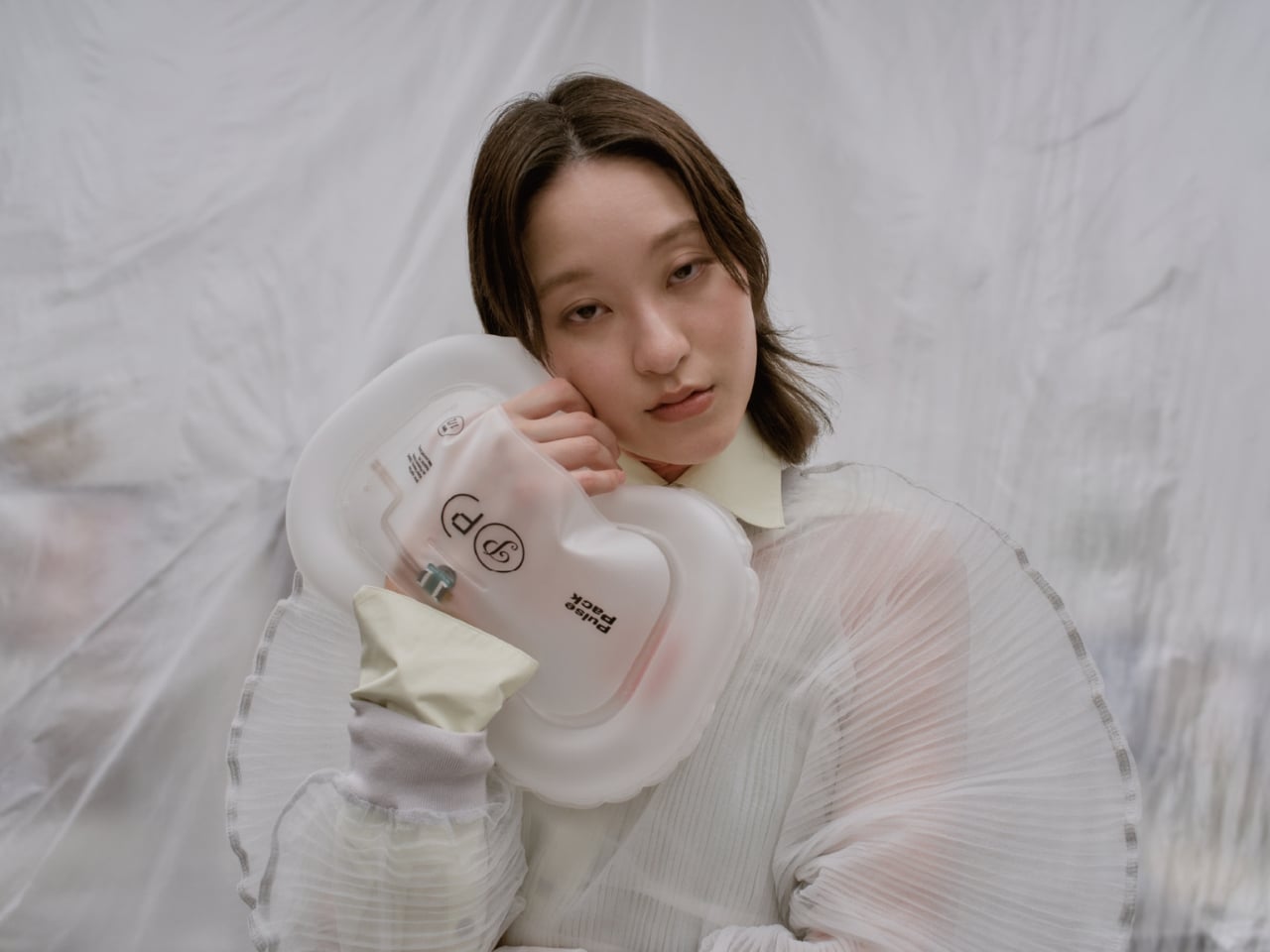
5 days agobody agency and the ways wearable devices let people regain control of their physical forms
Body agency is a power returned after an incident took it away from the user's physical form, and some wearable devices and technologies have this exact goal in mind.
Wearables
Women in technology
fromNature
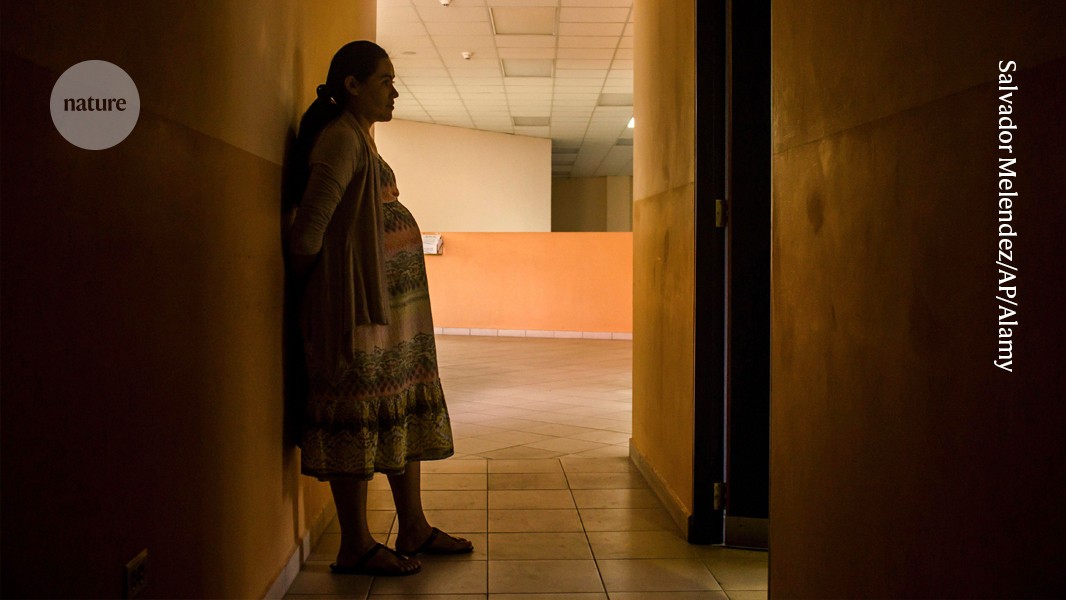
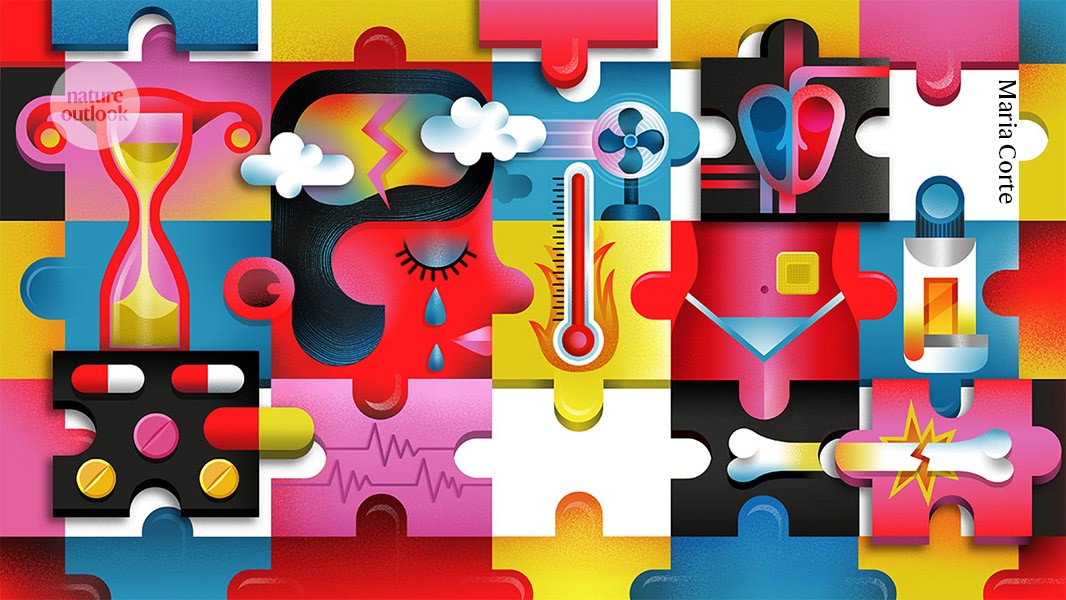
1 month agoUncharted: Understanding women's health across the body
Women's health remains largely understudied due to historical exclusion from clinical research, creating significant gaps in understanding disease prevention, diagnosis, and treatment across most health conditions.
fromwww.independent.co.uk
1 month agoHow working from home could boost Britain's low fertility rate
Economists from King's College London (KCL) and Stanford University in America looked at parents' participation in the workforce in the US between 2023 and 2025, including the proportion who worked from home at least one day per week. They analysed the impact of this compared with those who did not work remotely.
Remote teams
#menopause-mental-health

Women in technology
fromwww.independent.co.uk
1 month agoMajority of women unaware menopause can trigger new mental illness
Four in five UK adults lack awareness that menopause can trigger new mental illness, with only 21% of women knowing this connection despite widespread knowledge of physical symptoms.
#endometriosis-diagnosis
Medicine
fromwww.scientificamerican.com
3 weeks agoLike knives inside my body': How a new ultrasound simulator could help doctors better diagnose endometriosis
Endometriosis affects 10% of people with uteruses globally, causing severe pain and infertility, with a new ultrasound simulator training device improving clinician diagnosis accessibility.
Health
fromTODAY.com
1 month agoWhat Are Period Underwear and Are They Safe for Teens? An OB-GYN Explains
Period underwear are absorbent undergarments designed to replace or supplement traditional menstrual products, featuring moisture-wicking layers and available in various styles that resemble regular underwear.
Public health
fromBusiness Matters
1 month agoUnderstanding the Role of an Ovulation Tracker in Modern Fertility Care
Digital ovulation trackers detect LH surges to identify brief fertile windows, providing precise, real-time, and personalized fertility monitoring superior to calendar or symptom methods.
World news
fromenglish.elpais.com
2 months agoWhat if you got your period every three months? Hongmei Wang, the biologist investigating how to extend fertility
China faces catastrophic demographic collapse as birth rates fall and aging populations strain healthcare and the workforce despite relaxed family policies.

fromFast Company
2 months agoThe untapped business case for male contraception
For more than 60 years, contraception has been almost exclusively a women's responsibility. Today, women have more than 14 modern contraceptive options, while men have just two: condoms and vasectomies. That imbalance has pushed women to shoulder physical side effects, financial burden, medical risks, and the career impact of family planning-costs that have been accepted as the "status quo" for far too long.
Venture
Public health
fromwww.bbc.com
1 month agoPeriod blood test could offer less invasive alternative to cervical screening
Menstrual blood collected on a sanitary pad can detect cervical cancer signs, offering a potentially accurate, less invasive at-home screening alternative to clinician-collected cervical samples.
Public health
fromwww.theguardian.com
2 months agoIt's not the 90s any more': the all-women team reinventing abortion advice for the TikTok age
A Colombian helpline uses playful, youth-focused art and an all-female team to provide accurate legal information and emotional support for abortion via WhatsApp.
fromThe Verge
2 months agoNatural Cycles launches wristband to replace thermometers for its FDA-cleared birth control app
Natural Cycles, the company behind a controversial FDA-cleared birth control app, is replacing its thermometer with a wristband that measures skin temperature, heart rate, and movement during sleep. The newly-launched wristband costs $129.99 and syncs with the Natural Cycles app, which uses an algorithm to determine a person's "daily fertility status." Users can already track their fertility by pairing an Apple Watch or Oura Ring with Natural Cycles, but the wristband could be an option for users who don't have either of these devices handy.
Wearables
fromZDNET
2 months agoThis tracker fits inside your bra to measure blood flow - and lasts longer than your smartwatch
Petal is a bra insert that uses bio-impedance sensors and electrical measurements to monitor blood flow near the heart. Because wearers position the insert right next to the heart, the device can capture more accurate readings than your typical smartwatch, Petal says. The device comes in one size and fits snug against each breast. It's made with biocompatible materials, including a soft European fabric and a polyurethane-coated interior.
Health
fromZDNET
2 months agoThis menstrual pad takes period blood and turns it into data diagnostics
The FlowPad looks like your run-of-the-mill menstrual pad but is built with a microfluidic diagnostic layer underneath that directs menstrual blood into biomarker zones for testing fertility, ovarian health, and perimenopausal hormones. The results of the test show up in Vivoo's app after a user scans the pad's results through their phone camera or enters them manually. The ethos behind FlowPad and Vivoo's smart toilet is simple.
Medicine
fromZDNET
2 months agoThis device could help make menstrual periods more comfortable
By attaching near the ear, the device targets the auricular branches of the trigeminal and vagus nerves to regulate menstrual cycle symptoms and help the body return to a rested state. These nerves play an important role throughout the menstrual cycle and release estrogen and progesterone, two essential sex hormones. They also target muscle contraction, blood flow, digestion, and more, a few body functions that change during a period, which explains the increase in cramps and tightening of blood vessels.
Medicine
fromBig Think
2 months agoThe medical myth that still shapes misunderstandings of women's health
Hysteria was long attributed to a wandering uterus. The earliest text blaming women's reproduction for illness was the Kahun Gynaecological Papyrus, an Egyptian medical scroll from 1900 BC. Women's wombs were blamed for things like choking, cognitive deficits and the inability to speak, and paralysis. Treatments for women were always nonsurgical: swallowing medicine or rubbing it on the body; fumigating the womb with oils or incense.
Women
fromSilicon Canals
2 months agoRanked: 8 supplements doctors actually recommend for women over 60 - Silicon Canals
Let's talk about something nobody warned us about: watching our mothers navigate their sixties with medicine cabinets that look like small pharmacies. Mine started complaining about joint pain last year, then fatigue, then that her doctor kept mentioning bone density. Every visit seemed to add another supplement to her routine, but half the time she wasn't sure if they were actually helping or just expensive placebos.
Health
[ Load more ]