#ximena-garrido-lecca
#ximena-garrido-lecca
[ follow ]
#contemporary-art #frida-kahlo #photography #contemporary-painting #cultural-heritage #gelman-collection


Social justice
fromdesignboom | architecture & design magazine
1 week ago'we have to respect history': freddy mamani on constructing utopia through radical repair
Freddy Mamani's architecture integrates indigenous heritage and modernity, reshaping El Alto's skyline into a vibrant expression of cultural identity.
Design
fromdesignboom | architecture & design magazine
2 weeks agowith a pavilion crafted through collective embroidery, izaskun chinchilla tests urban utopia
Utopian thinking emerges through small-scale collective craft practices like embroidery rather than ambitious masterplans, creating tangible contributions to better communities.
Design
fromArchDaily
2 weeks agoSmiljan Radic: Material Explorations Between Ephemerality and Permanence
Chilean architect Smiljan Radić creates buildings that blend ancient monumentality with provisional fragility, combining diverse materials in experimental ways that challenge conventional architectural categorization.
fromThe Art Newspaper - International art news and events
3 weeks agoTomas Saraceno and Indigenous communities build art complex in Argentine salt flats
We don't eat batteries. They take away the water; they take away life. This pronouncement, in Spanish, appears in a photograph that the artist Tomás Saraceno sent via WhatsApp last month from Salinas Grandes, a high-altitude salt flat in northern Argentina. There, in one of the world's largest lithium reserves, the artist is working alongside 11 Indigenous communities to build El Santuario del Agua (The Water Sanctuary), a monumental work about the global energy transition.
SOMA, SF
#gelman-collection
Arts
fromThe Art Newspaper - International art news and events
4 days agoMexico's art community calls for greater transparency in management of treasured collection
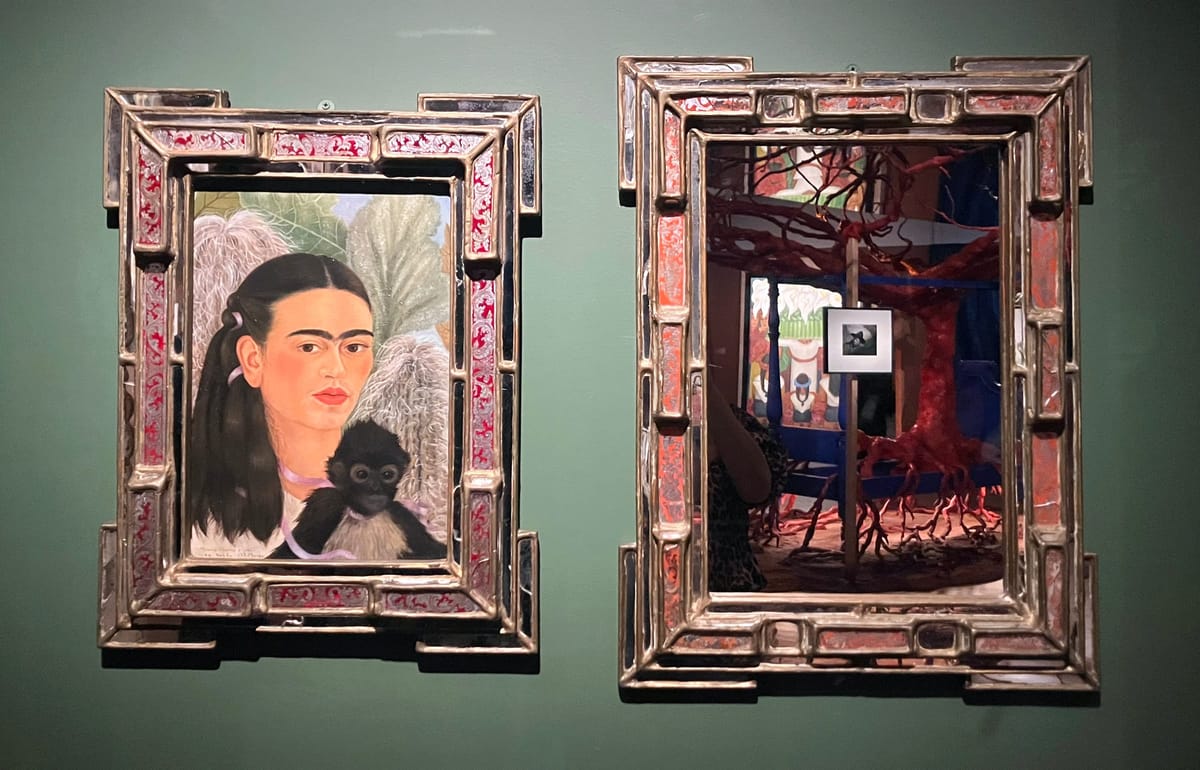
The Gelman Collection's future is uncertain, prompting calls for transparency from cultural professionals regarding its management and adherence to heritage laws.
NYC parents
fromwww.aljazeera.com
4 weeks agoHuman rights court orders reparations for forced sterilisation case in Peru
The Inter-American Court of Human Rights ordered Peru to pay $340,000 to the family of Celia Ramos, who died from complications of forced sterilization during the 1990s under President Fujimori's regime.
fromwww.theguardian.com
1 month agoWomen behind the lens: The women watched the fuel tanker advance with uncertainty and fear'
The Siekopai Nation, which has historically occupied territories along the northern border between Ecuador and Peru, was separated and displaced during the 1941 border war between the two countries, a conflict with consequences that extended into the 1990s. According to Justino Piaguaje, leader of the Siekopai in Ecuador, the nation's original population was close to 20,000 but diseases brought by colonisers, Jesuit missions, conditions of slavery during the rubber boom, and the impacts of the oil industry led to a drastic decline.
Environment



Renovation
fromwww.archdaily.com
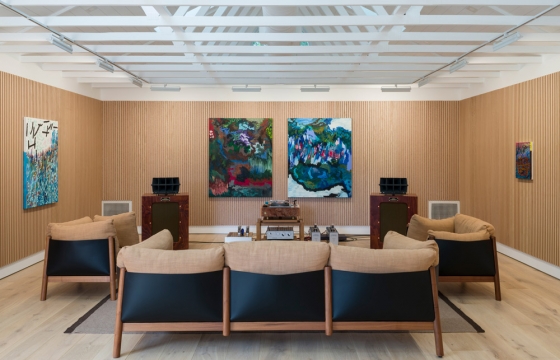
1 month agoMuimenta Social Center / Eduardo Dipre Mazza + Daniel Gomez Magide + Miguel Angel Diaz Gonzalez
A multi-purpose social center in rural Galicia revitalizes an abandoned village through infrastructure rehabilitation, economic activity generation, and improved quality of life for residents.
fromArtforum
1 month agoFoto Estudio Luisita
For the Escarrias-petite sisters of African descent born ten months apart in Cali, Colombia-commercial photography was in their family DNA. Their parents established a studio in their hometown that was overseen by their mother after their father's early demise. The siblings learned the family trade, and when they fled the country's civil war in 1958, they quickly reestablished the studio in Buenos Aires.
Photography
Arts
fromThe Art Newspaper - International art news and events
1 week agoBritish artist Simon Fujiwara tackles Guernica, syphilis and the death of a Japanese pornstar in Luxembourg survey exhibition
Simon Fujiwara's exhibition at Mudam Luxembourg reinterprets Picasso's Guernica, exploring themes of conflict, identity, and the aftermath of war.
Design
fromdesignboom | architecture & design magazine
1 month agoluis barragan's la cuadra san cristobal reopens to the public with two exhibitions in mexico
La Cuadra, Luis Barragán's 1968 equestrian complex, reopens as a public cultural campus under Fernando Romero's direction, launching with exhibitions dedicated to Barragán and Felix Gonzalez-Torres.
Arts
fromHyperallergic
2 weeks agoZarina Brought the World to New York
Zarina's artistic practice, rooted in South Asian history and shaped by migration and displacement, established her as a foundational figure for South Asian American artists while maintaining independence from nationalist frameworks.
fromenglish.elpais.com
2 months agoLucia Camacho: In the iris business, it's no coincidence that World Foundation has focused on Latin America'
Over the past three years, several Latin American countries have witnessed the arrival of the Orb, a futuristic-looking spherical device used to read irises and capture biometric data. This striking technology, developed by World Foundation and created by Sam Altman, a leading figure in artificial intelligence and CEO of OpenAI, along with its operational partner, Tools for Humanity, has been installed in shopping malls, gas stations, and other locations in Colombia, Chile, and Brazil.
Artificial intelligence

fromArtnet News
4 weeks agoMichele Pred's Art of Resistance Is More Necessary Than Ever
Going out and demonstrating is really important. But if you don't feel comfortable demonstrating, you can volunteer for organizations, you can donate to organizations, you can sign petitions, you can call your senator. There's no excuse not to be involved on some level.
Arts
#textile-installations
Arts
fromdesignboom | architecture & design magazine
1 month agochiharu shiota's woven webs meet yin xiuzhen's clothing installations at hayward gallery
Hayward Gallery presents two major concurrent textile installations by Chiharu Shiota and Yin Xiuzhen that transform ordinary materials into immersive spatial explorations of memory, identity, and shared human experience through large-scale installations.

fromDesign Milk
1 month agoInside Lee Broom's Latin American Exhibition at Diez Company
Now, he celebrates his first major presentation in Latin America, in congruence with Mexico City Art Week 2026 and ZSONAMACO, showcasing on an ideal stage inside one of the city's most architecturally layered interiors. Titled The Resident, the site-responsive installation, created during a residency at the Diez Company house, transforms the historic showroom into an immersive tableau where more than 50 works negotiate the boundaries between collectible design, contemporary art, and spatial theater.
Design
Arts
fromThe Art Newspaper - International art news and events
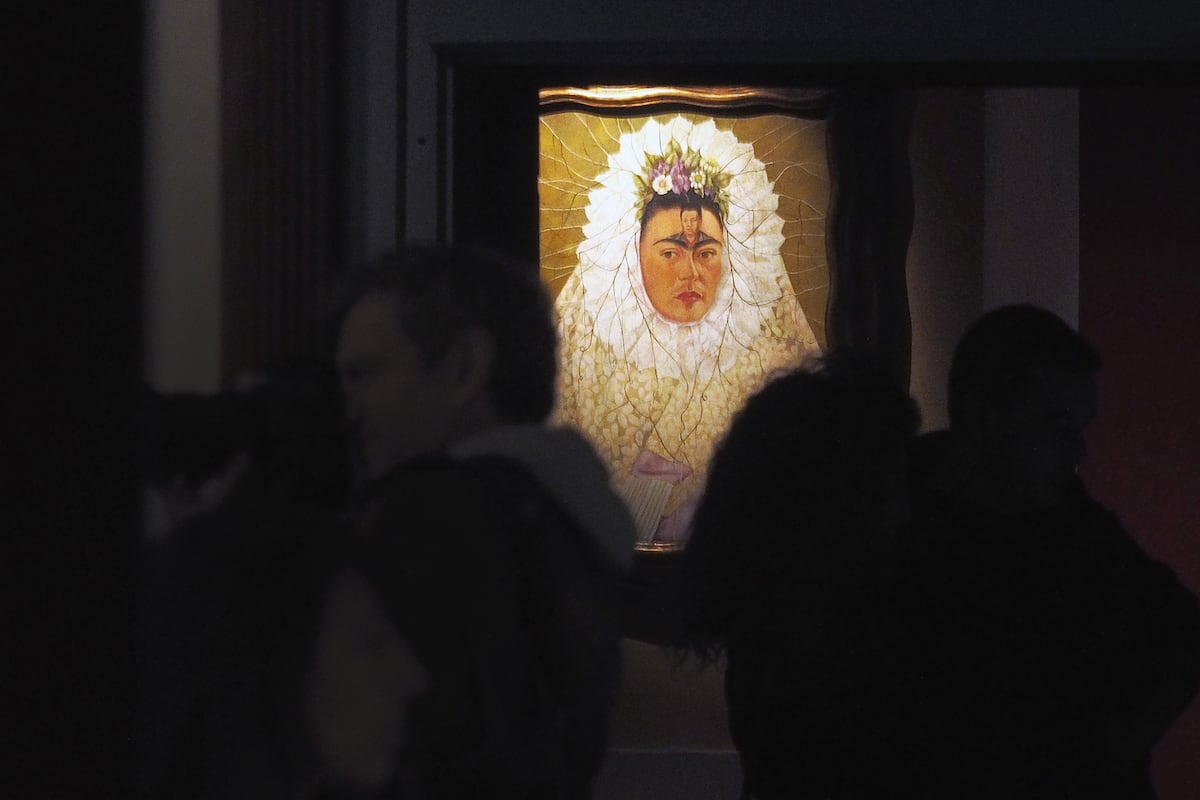
1 month agoThe many faces and identities Frida Kahlo are explored in exhibition catalogue
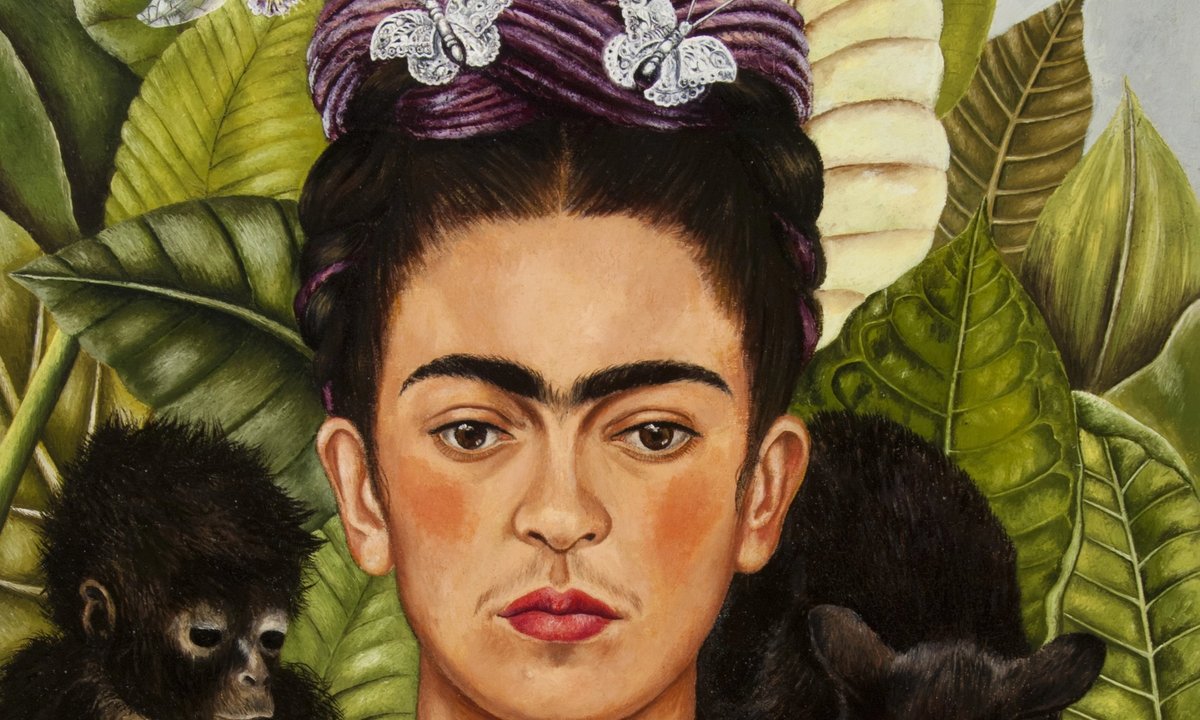
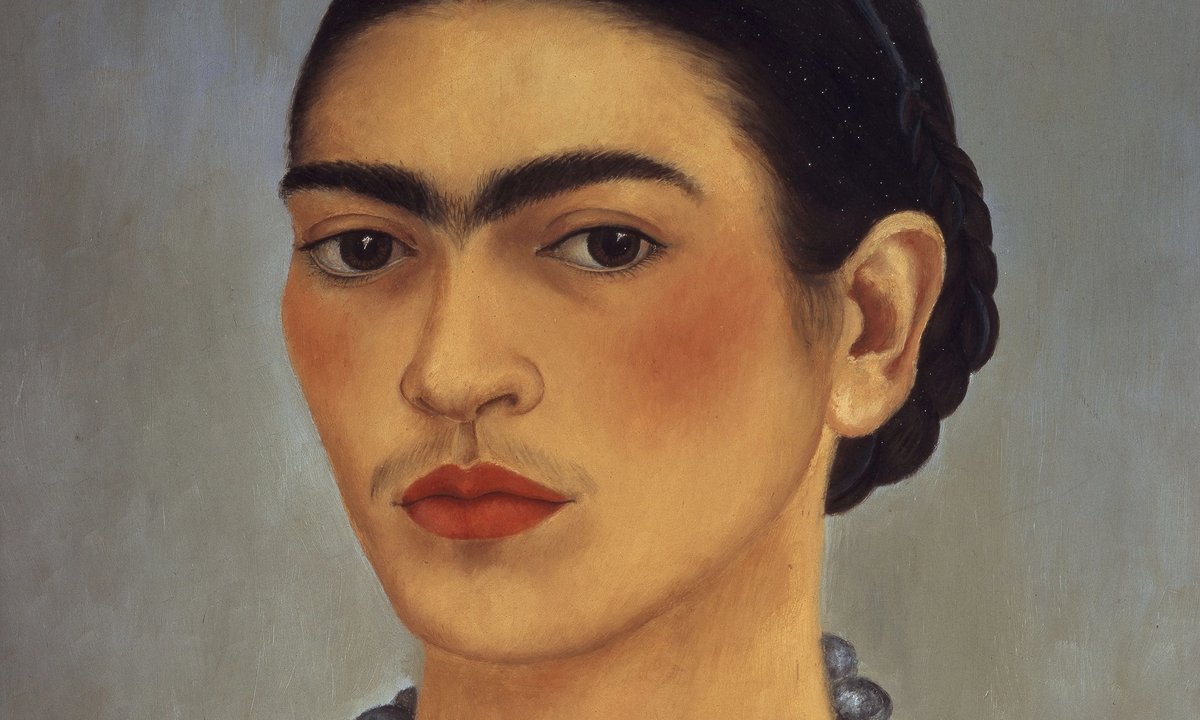
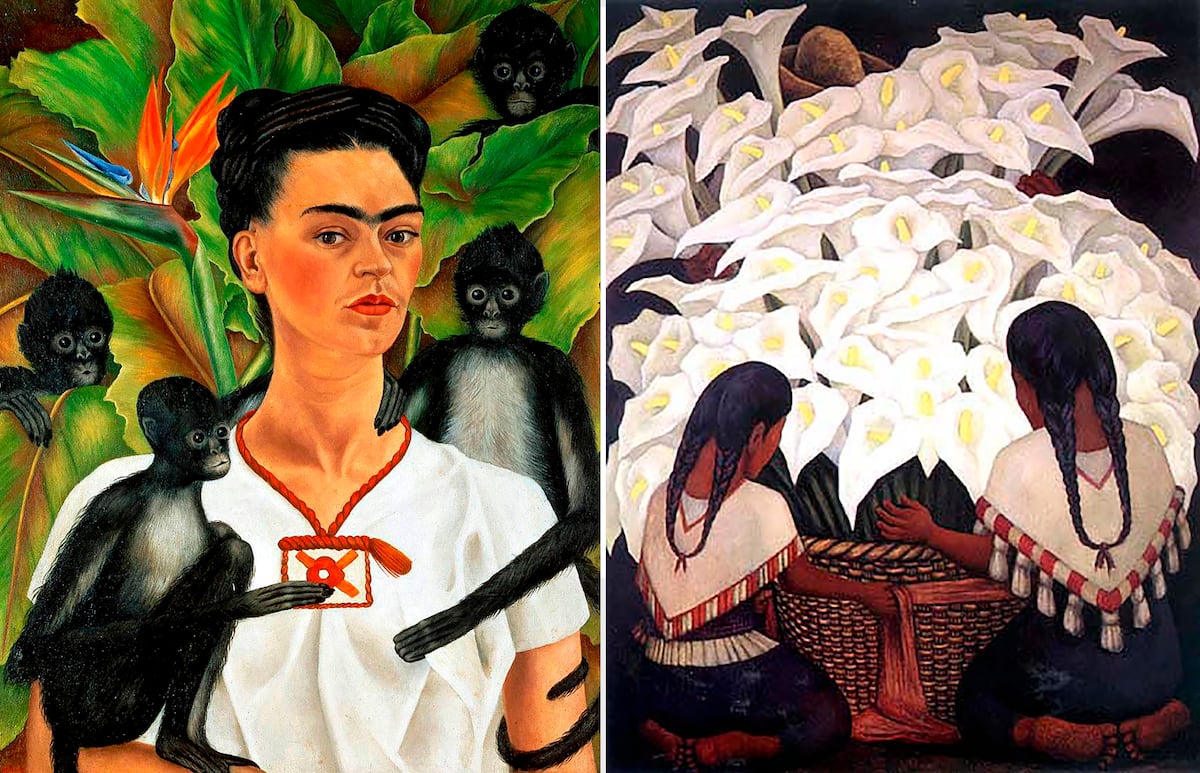
Frida Kahlo evolved from obscurity to global icon through posthumous appropriation by diverse movements that identified with her multifaceted persona and art across social, political, and commercial sectors.

fromThe Art Newspaper - International art news and events
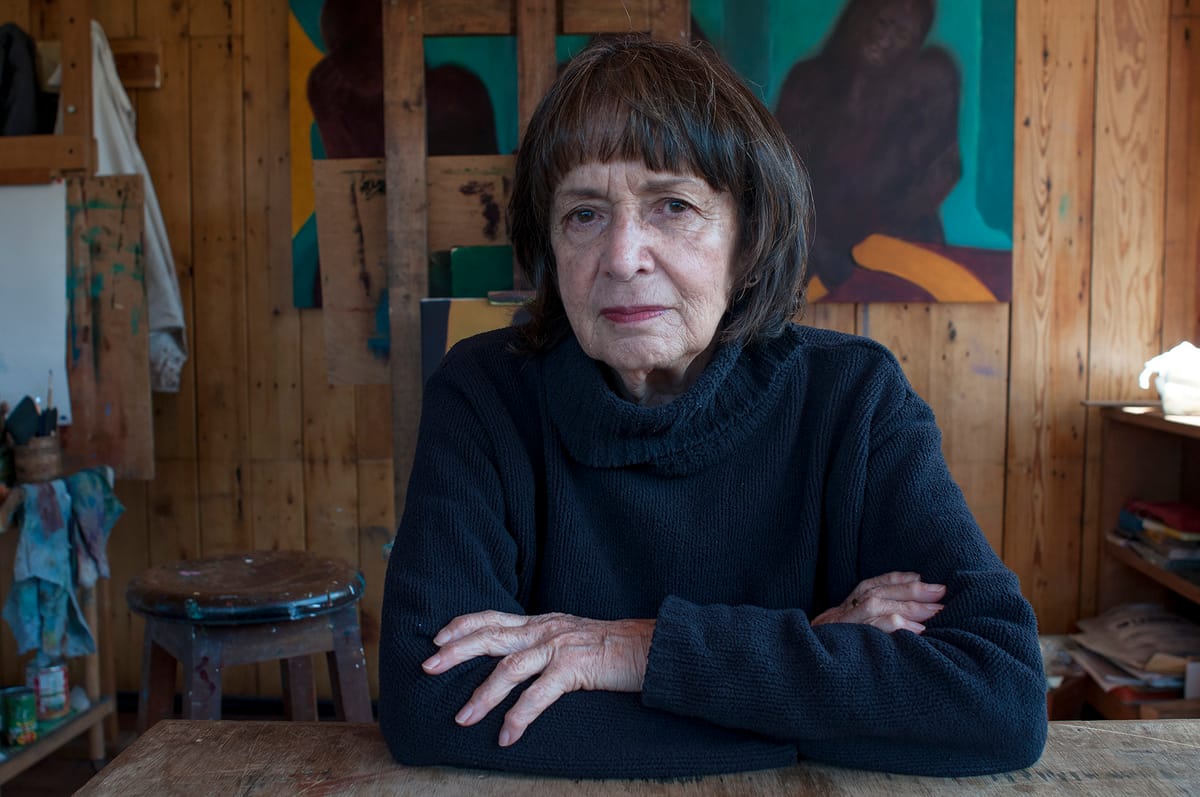
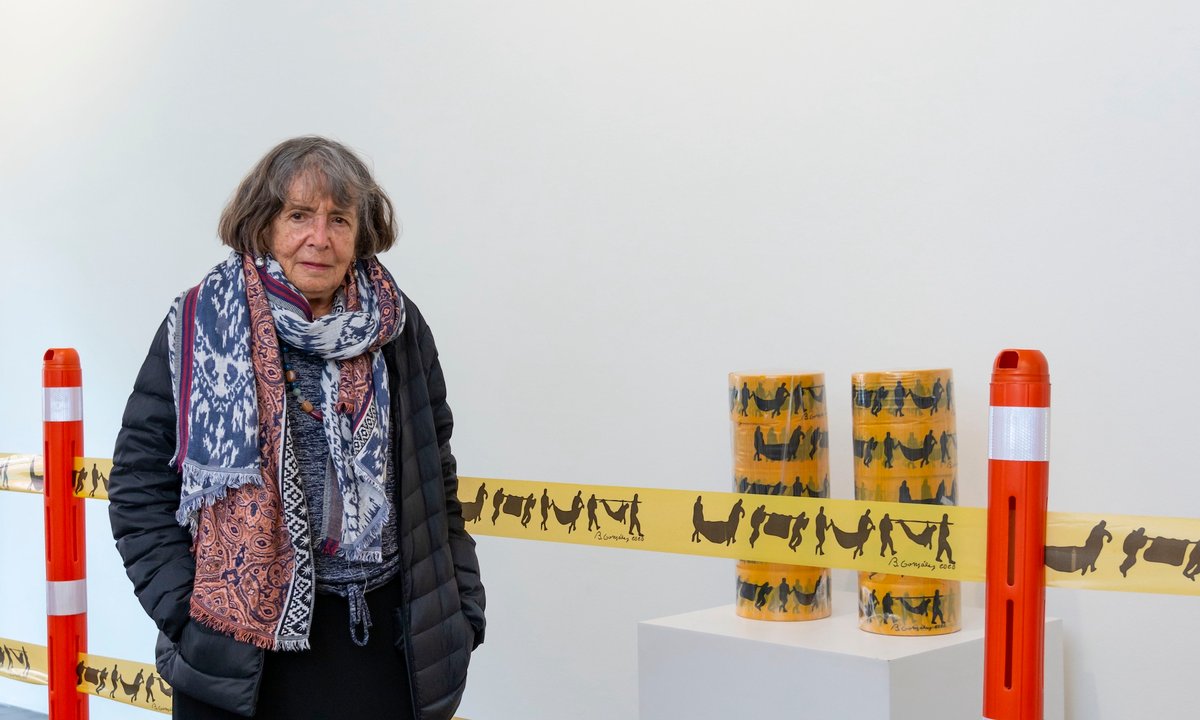
1 month agoVenice Biennale details revealed, Beatriz Gonzalez and Tracey Emin in London-podcast
Following the tragic death of Koyo Kouoh last May, the details of her final project- In Minor Keys, the international exhibition of the 2026 Venice Biennale-were unveiled this week by the collaborative team that will carry through her vision for the show.
Arts
Arts
fromJuxtapoz
1 month agoJuxtapoz Magazine - Judith F. Baca: Great Wall of Los Angeles: The 1970s- A Decade of Defiance and Dreams @ Jeffrey Deitch, Los Angeles
The Great Wall of Los Angeles expands to depict 1970s Indigenous reclamation, prison and campus uprisings, Chicano antiwar protests, and art's role in testimony.
fromColossal
2 months agoRegina Silveira Pieces Together an Evolving Narrative of Latin America
Regina Silveira has spent the better part of three decades considering the relationship between media and meaning, particularly as it relates to Latin America. First presented in 1997, "To Be Continued..." features 100 black-and-white reproductions of photos, newspaper clippings, propaganda, advertisements, and more. Silveira nests each image into an oversized puzzle piece, which cuts off faces and scenes to leave fragments of pop culture icons, flora and fauna, and even the occasional mugshot spliced next to one another.
Arts
fromJuxtapoz
1 month agoJuxtapoz Magazine - Oscar Murillo: "el pozo de agua" @ kurimanzutto, Mexico City
OSCAR MURILLO (b. 1986, La Paila, Colombia) has developed a multifaceted and challenging practice that spans painting, collaborative projects, video, sound and installation. Through each body of work, the artist probes ideas of collectivity and shared culture, demonstrating a commitment to the power of material presence alongside complex meditations on contemporary society. A focus on the social dimension that sits on the border between performance and events is also central to Murillo's practice.
Arts
fromdesignyoutrust.com
1 month agoDark Humor Decals For Everyday Absurdity: Amazing Acrylic Paintings by Javier Mayoral
Handcrafted Artful Embroideries of Everyday Products by Alicja Kozowska Well of Eternity: Stunning Sci-Fi Concept Artworks of Sung Choi Traveller's Joy The Key To The Countryside Beautiful Shell Adverts From The Mid-1950s These Animal Illustrations Accurately Express Our Monday Blues And Friday Feels Dark, Surreal And Moody Photo Works By Simon Kerola Artist Replaces Jurassic Park Dinosaurs With Those From The Show Dinosaurs "Deathmask Divine": The Superb Dark Paintings of Bahrull Marta
Arts
fromThe Art Newspaper - International art news and events
1 month agoExhibitions to see during Mexico City Art Week
Taking over the colourful Casa Gilardi, Luis Barragán's last commissioned residence, built for the advertising executive Francisco Gilardi in the mid-1970s, the German artist Gregor Hildebrandt transforms the house's stylish rooms with an ever-expanding exhibition of his enigmatic works across various media. Known for transforming outmoded analogue recording media-including audio cassettes, VHS tapes and vinyl records-into paintings, sculptures and large-scale installations, the Berlin-based artist's conceptual works explore themes of memory, nostalgia and the physical representation of intangible sound and sight.
Arts
Arts
fromJuxtapoz
2 months agoJuxtapoz Magazine - Preview: Imon Boy's "Un poco distraido" @ Yusto / Giner Gallery, Madrid
Imon Boy's solo exhibition transforms diary-like, graffiti-rooted imagery into playful visual narratives blending street energy with gaming, internet culture, cinema, travel, humor and identity.
Arts
fromThe Art Newspaper - International art news and events
2 months agoMexico City's Zona Maco fair finds a 'balance between continuity and renewal'
Zona Maco anchors Mexico City Art Week 2026, showcasing over 220 galleries and introducing 40+ new exhibitors from Latin America, North America, Europe and Asia.
Arts
fromThe Art Newspaper - International art news and events
1 month agoMexico City's art scene gravitates to Santa Maria la Ribera neighbourhood
Santa María la Ribera has become a growing hub for contemporary Mexican artists, offering affordable studios, large Porfirian-era spaces, and new exhibition venues.
Arts
fromHi-Fructose Magazine - The New Contemporary Art Magazine
1 month agoIn Plain Site: Isaac Cordal Creates Tiny Worlds Which Mirror Our own - Hi-Fructose Magazine
Small sculpted businessmen embody social complacency and systemic contradictions, showing technological obsession, environmental neglect, and coerced conformity amid crisis.
fromThe Art Newspaper - International art news and events
1 month agoAt Mexico City's Material and Salon Acme fairs, artists find hope in nature
"The new venue has allowed us to develop the experience of the fair-it lends itself to being more of a destination," Brett W. Schultz, the co-founder and director of Material, tells The Art Newspaper. The fair features over 70 exhibitors this year, with an especially strong contingent of Mexico City galleries that, like Material, have been around for a little over a decade.
Arts
fromJuxtapoz
1 month agoJuxtapoz Magazine - Zigzags and Curves: Sarah Crowner @ Galerie Nordenhake Mexico City
Galerie Nordenhake Mexico City is pleased to present Zigzags and Curves, an exhibition by Sarah Crowner that brings together her sustained research into geometry, abstraction, and the expanded language of painting. Presented across two sites - the gallery's Mexico City space and Casa Roja in Lomas de Chapultepec-the exhibition takes its title from the fundamental graphic elements that structure Crowner's visual vocabulary: the zigzag and the curve.
Arts
[ Load more ]