#zeiss-aatma
#zeiss-aatma
[ follow ]
#smart-glasses #meta #ai-glasses #ray-ban #ar-glasses #privacy #augmented-reality #wearable-technology #technology





fromEngadget
3 days agoSony's gaming division just bought an AI startup that turns photos into 3D volumes
Following the acquisition, the Cinemersive Labs team will join SIE's Visual Computing Group (VCG) and contribute to our broader efforts in advancing state of the art visual computing within games. This includes applying machine learning to enhance gameplay visuals, improve rendering techniques, and unlock new levels of visual fidelity for players.
Marketing tech



#smart-glasses


Wearables
fromGadgets 360
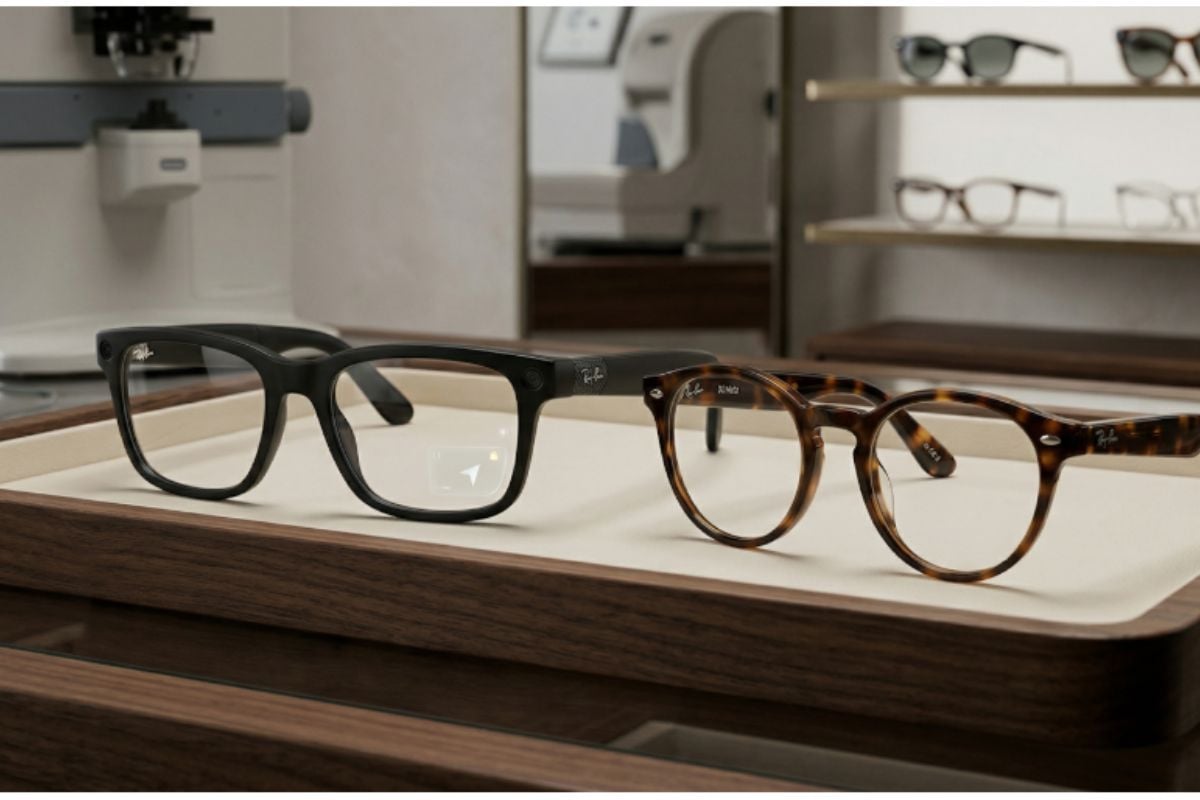
4 days agoMeta Launches First Prescription-Focussed Smart Glasses
Meta expands its AI-powered smart glasses with Ray-Ban Meta Optics Styles, designed for prescription wearers and featuring advanced customization options.
Gadgets
fromCN Traveller
1 month agoCan the new Meta Ray-Ban glasses improve my travel experience? I tried them on safari to find out
Meta's Ray-Ban smart glasses offer hands-free photography, real-time translation, and built-in speakers as practical travel features that reduce the need to constantly access a phone camera while exploring.

fromThe Verge
1 month agoMeta's AI glasses reportedly send sensitive footage to human reviewers in Kenya
Meta's AI-powered smart glasses could be sending sensitive footage to human reviewers in Nairobi, Kenya, according to an investigation by the Swedish outlets Svenska Dagbladet and Göteborgs-Posten. The report claims Meta contractors in Kenya have seen videos captured with the smart glasses that show "bathroom visits, sex and other intimate moments."
Privacy technologies
fromwww.scientificamerican.com
1 month agoHow LabOS AI-powered smart goggles could reduce human error in science
Laboratory safety goggles have finally joined the ranks of smart devices. That's the promise behind LabOS, an AI operating system for scientific laboratories built by the Stanford-Princeton AI Coscientist Team, a group led by Stanford University bioengineer Le Cong and Princeton University computer scientist Mengdi Wang, with founding partners that include NVIDIA. Powered by NVIDIA's vision-language models to process visual data, the system is designed to provide AI with real-time knowledge of lab work so it can determine what causes experiments to fail or succeed and rapidly train new scientists to expert levels by guiding them through experimental protocols.
Artificial intelligence
fromGadgets 360
1 month agoApple's AI Pendant Said to Use In-House Visual Intelligence Models
According to the latest edition of Gurman's Power On newsletter, the Cupertino-based tech giant is working on its AI visual models to enable the Visual Intelligence features on the rumoured AI pendant, AI smart glasses, and AirPods model with cameras. This will enable the wearables to provide environment-based answers to users and take context-based actions. Gurman adds that Apple intends to make Visual Intelligence and visual models integral to its upcoming wearables.
Apple


fromComputerworld
1 month agoWith attention shifting to AI smart glasses, VR faces another reality check
"It's not an overstatement to declare another VR winter," said J.P. Gownder, vice president and principal analyst at Forrester. "I think we might even go as far as to say there's only a handful of successful scenarios where people are using VR." This assessment reflects the industry's struggle to find practical applications beyond niche markets.
Gadgets
Wearables
fromYanko Design - Modern Industrial Design News
3 weeks agoRokid's Smart Glasses Let You Pick Your AI: Gemini or ChatGPT - Yanko Design
Rokid's AI Glasses Style enables users to choose between multiple AI assistants including Gemini, ChatGPT, DeepSeek, and Qwen through a unified interface rather than being locked into a single model.

fromGSMArena.com
2 months agoRazer unveils an "AI-native" headset with cameras that see what you see
The Motoko's dual first-person-view cameras are positioned at eye level to basically see what you see, enabling real-time object and text recognition - translating street signs, tracking gym reps, summarizing documents on the fly, all of that. There are also dual far and near-field mics, working together to capture voice commands and pick up dialogue within view.
Mobile UX
fromPCMAG
12 years agoGoogle Glass Patent to Watch What You Watch, Read Your Emotions
If this sounds crazy, remember that last month, Watchguard's director of security strategy Corey Nachreiner warned SecurityWatch that Google glass represented an "information goldmine" for both attackers and advertisers. He talked about a sci-fi scenario where Glass could recognize objects in view. "In the future, we're going to have algorithms that will pinpoint things in video automatically," said Nachreiner. This is, more or less, exactly what the Google's gaze tracking patent covers.
Privacy technologies
Wearables
fromTechCrunch
1 month agoA new app alerts you if someone nearby is wearing smart glasses | TechCrunch
Nearby Glasses is an Android app that detects Bluetooth signals from smart glasses and alerts users when recording devices are nearby, addressing privacy concerns about non-consensual surveillance.
Gadgets
fromEngadget
2 months agoIXI's autofocusing lenses are almost ready to replace multifocal glasses
Autofocusing glasses use cameraless infrared eye-tracking and liquid crystal lenses to automatically switch prescriptions for age-related farsightedness within lightweight, conventional-looking frames.


fromThe Verge
1 month agoMeta will ruin its smart glasses by being Meta
Smart glasses evangelists often tell me this fear is somewhat overblown. After all, the phone in your pocket also has a camera. The government already uses facial recognition tech, and CCTV feeds are everywhere. Anyone who's ever watched a true-crime documentary or an episode of Law & Order knows that these days, it's hard to step out in public and not be recorded.
Wearables




fromGadgets 360
1 month agoAI Impact Summit: Here's a Look at Sarvam's First AI Smart Glasses
Sarvam AI on Monday showcased its first pair of smart glasses at the AI Impact Summit 2026, in New Delhi's Bharat Mandapam. On the first day of the expo, the Indian tech firm announced that it is foraying into manufacturing hardware, starting with Sarvam Kaze, its upcoming pair of AI smart glasses. The AI expo was inaugurated by Prime Minister Narendra Modi on February 16. The event hosts various AI firms, industry leaders, technocrats, and experts from across the world.
Wearables
Gadgets
fromYanko Design - Modern Industrial Design News
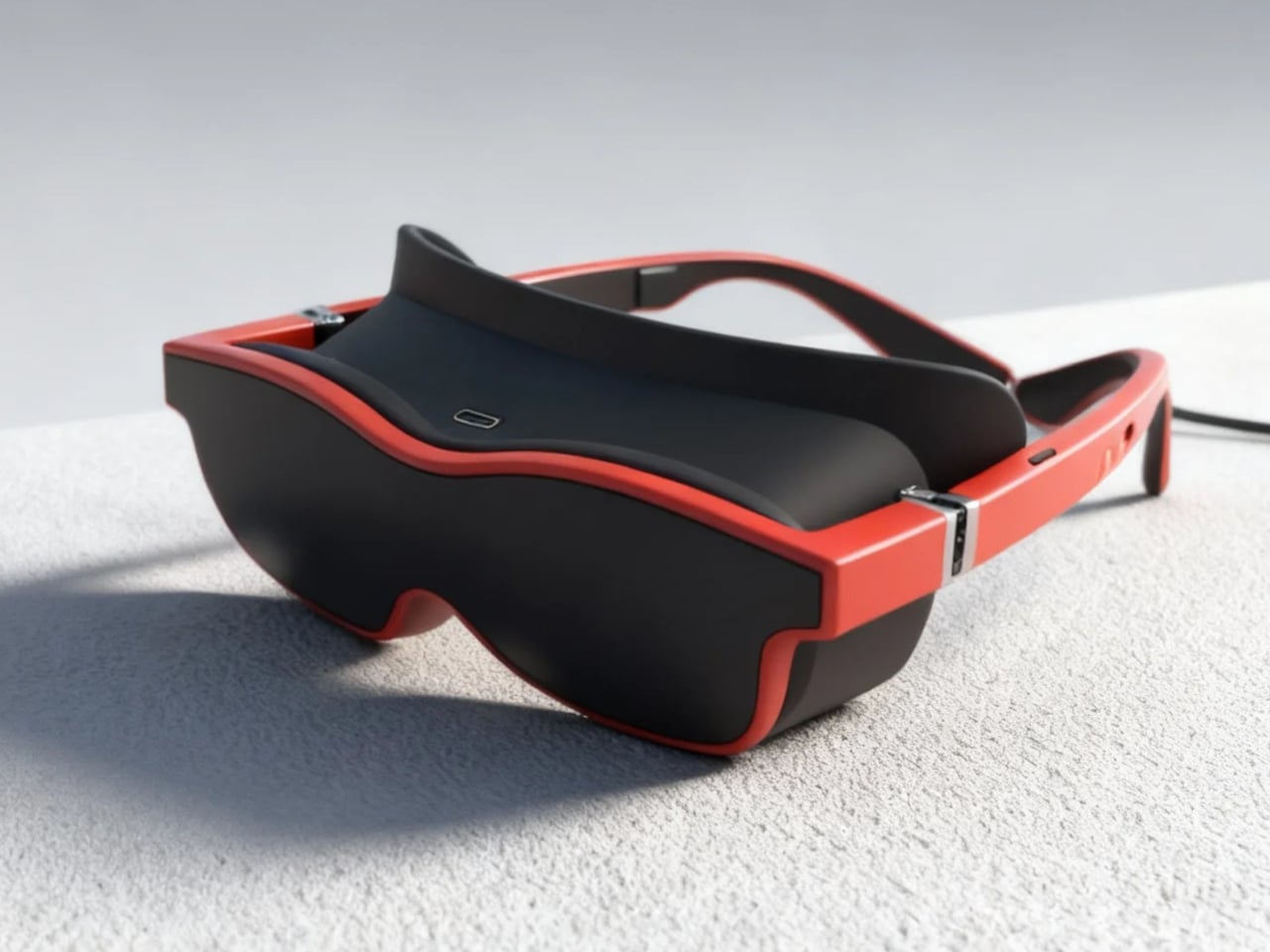
1 month agoPlayStation XR Glasses Concept Makes a Strong Case for Gaming-Focused AR Wearables - Yanko Design
PlayStation XR Glasses concept integrates subtle AR with the PS5 ecosystem, extending console experience via wearable virtual screens and familiar controller-like controls.
Wearables
fromZDNET
2 months agoThese XR glasses gave me a 174-inch screen to work with - and a shockingly wide field of view
Viture Beast XR glasses prioritize a brighter, larger-FoV experience with onboard controls, dynamic electrochromic dimming, USB-C connectivity, and three flexible positioning modes.
Gadgets
fromYanko Design - Modern Industrial Design News
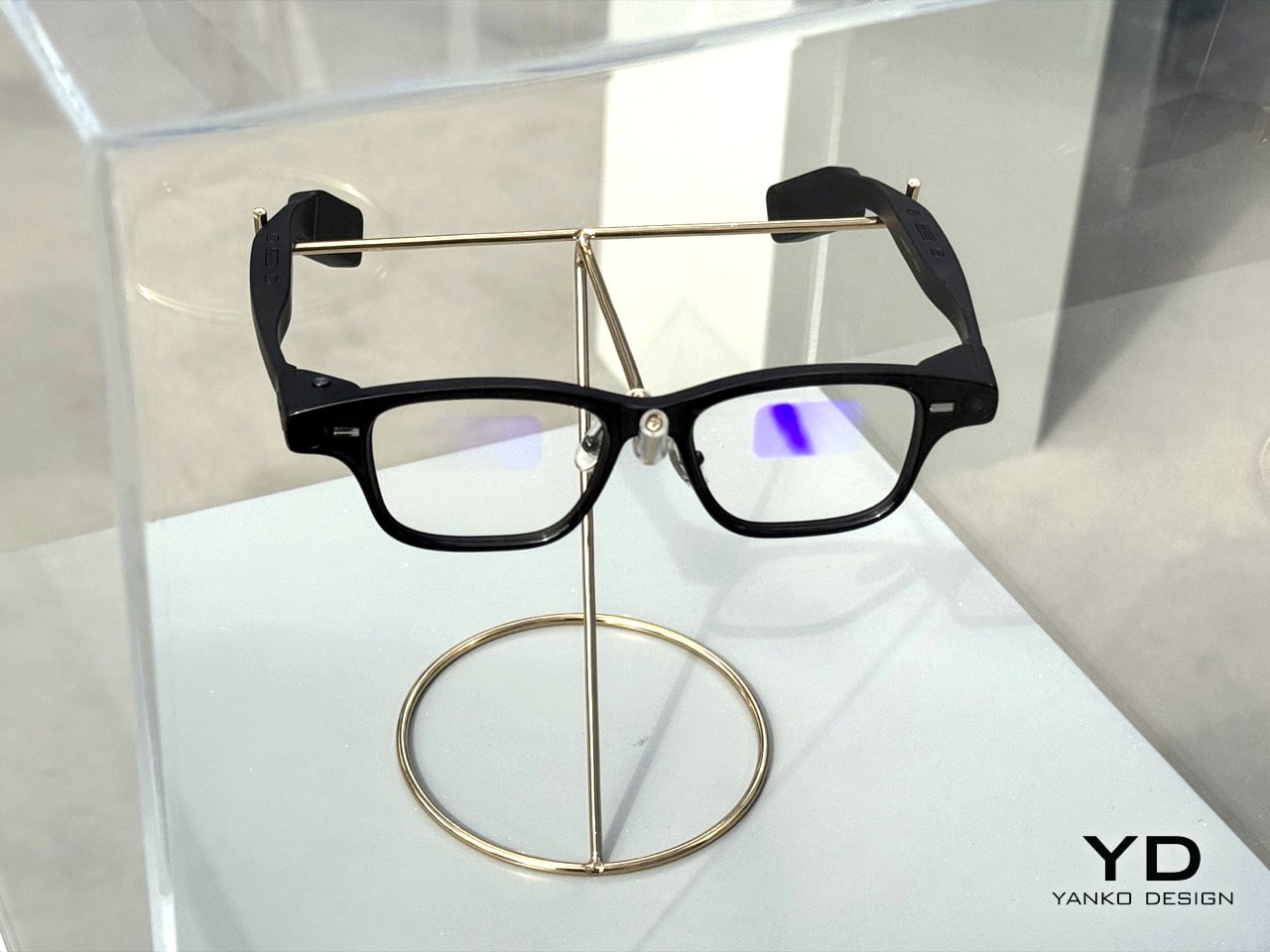
2 months agoThis $18,000 Holographic Display Needs No Glasses to See 3D Videos - Yanko Design
Hololuminescent Display (HLD) converts standard 2D videos into naked-eye, razor-thin holographic 3D displays for desktop and large public installations.
fromEngadget
2 months agoLenovo just revealed a concept for AI-powered smartglasses at CES
Lenovo just revealed a new smartglasses concept design at CES 2026. The appropriately-named Lenovo AI Glasses Concept promises to transform "how users interact with their surroundings and unifies their workflow." They look like a standard pair of specs and not all that different from something like Meta's Ray-Ban Display glasses. A pair weighs just 45 grams and the battery lasts eight hours, which is just enough time to get through a standard workday.
Wearables
fromZDNET
2 months agoI replaced my Meta Ray-Bans with smart glasses that truly lasted all day - but there's a catch
First available in October of 2025, Solos is positioning the AirGo A5 as lightweight, comfortable smart glasses with hands-free AI assistance and a long-lasting battery. As a result, the target audience differs from that of the popular Meta Ray-Ban glasses, which are geared more towards content creation, as these are more intended for the AI enthusiast. Yet, they are still an investment, with the cheapest frames costing $249, so I put them to the test to determine if they are worth the price.
Wearables
Wearables
fromYanko Design - Modern Industrial Design News
2 months agoLeion Hey2 Brings First AR Glasses Built for Translation to CES 2026 - Yanko Design
Leion Hey2 offers camera-free AR glasses that deliver low-latency, bidirectional real-time translation and 6–8 hours of continuous use while prioritizing comfortable, everyday wear.
[ Load more ]