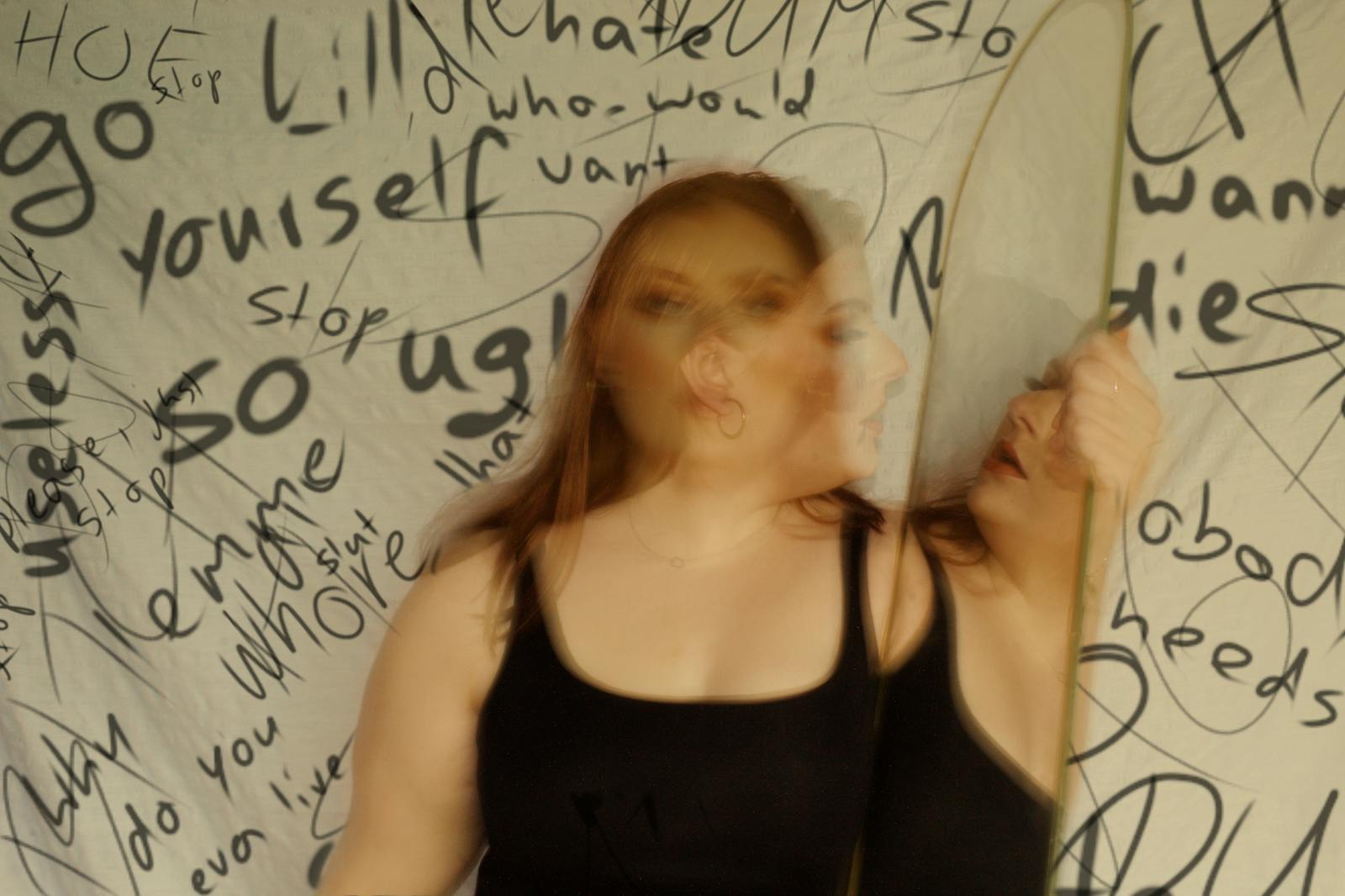
"The gap between those two versions of you is rarely random. It has a specific shape, and that shape maps almost perfectly onto whatever you've decided, somewhere deep down, you're not allowed to be."
"Psychologists have long studied how self-deception operates differently from ordinary dishonesty—the person doing it often has no idea it's happening."
"Your best friend tells you that you're the most dependable person they know. You hear it and something flinches. Not because it's false."
Self-perception can differ significantly from how others perceive us, often due to internalized beliefs about our limitations. This gap is shaped by self-deception, where individuals may not recognize their own dishonesty. Compliments can trigger discomfort when they contradict a person's self-image, leading to a disconnect between their true self and how they are viewed by others. This phenomenon highlights the complexities of self-identity and the impact of deep-seated beliefs on personal perception.
Read at Silicon Canals
Unable to calculate read time
Collection
[
|
...
]