#17th-century-shipwreck
#17th-century-shipwreck
[ follow ]



fromBoston.com
1 week agoFirst submarine named after Massachusetts joins the Navy fleet
To be able to take a ship from new construction and watch it be built together by the ship yard, train with our team and bring into Boston Harbor for the first time, it's very amazing. I looked at the history books. I don't think we've had a submarine in Boston Harbor since sometime in the late '80s or early '90s.
Boston

US news
fromwww.theguardian.com
2 weeks agoTreasure hunter freed after decade in prison for not revealing location of gold
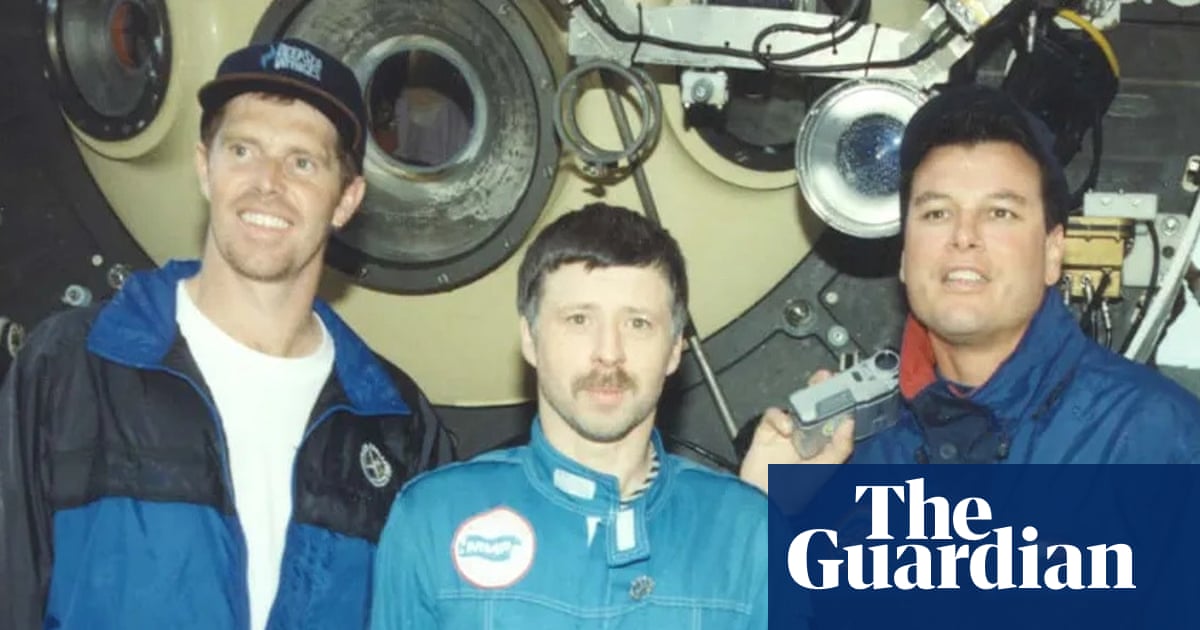
Treasure hunter Tommy Thompson was released after 10 years in prison for refusing to disclose the location of 500 gold coins from the SS Central America, which he discovered in 1998.
fromOpen Culture
2 weeks agoThe Fascinating Engineering of the Titanic: How the Great Ocean Liner Was Built
The Titanic was one of a trio of similar White Star Line ships completed in the early nineteen-tens. In the video above, Bill Hammack, known on YouTube as Engineerguy, tells the story of not just the Titanic, but also the Olympic and the HMHS Britannic. An engineering professor at the University of Illinois, he found in the campus library issues of the journal The Engineer published between 1909 and 1911 that contain detailed photographs of the construction of both the Titanic and Olympic, sister ships that were built side-by-side.
OMG science

Arts
fromArtnet News
2 weeks agoLost Parthenon Piece Unearthed From Lord Elgin's Shipwreck | Artnet News
Greek underwater archaeologists recovered a small Parthenon marble fragment off Kythira island, likely from the temple's ornamental crown, during an excavation of Lord Elgin's sunken ship from 1802.
Intellectual property law
fromPatently-O
4 weeks agoSoak and Pounce: 1920's Style Submarine Patents
Patent applicants historically delayed filing divisional applications to allow competitors to independently develop inventions, then emerged with claims to capture those market investments through interference proceedings.
#shipwreck-discovery
US news
fromFortune
3 weeks agoMan hailed as a hero for finding the Ship of Gold and then jailed for losing the coins now released after a decade in prison | Fortune
Tommy Thompson, who discovered the S.S. Central America shipwreck in 1988, was released from prison after serving over a decade for refusing to disclose the location of missing gold coins.
fromJezebel
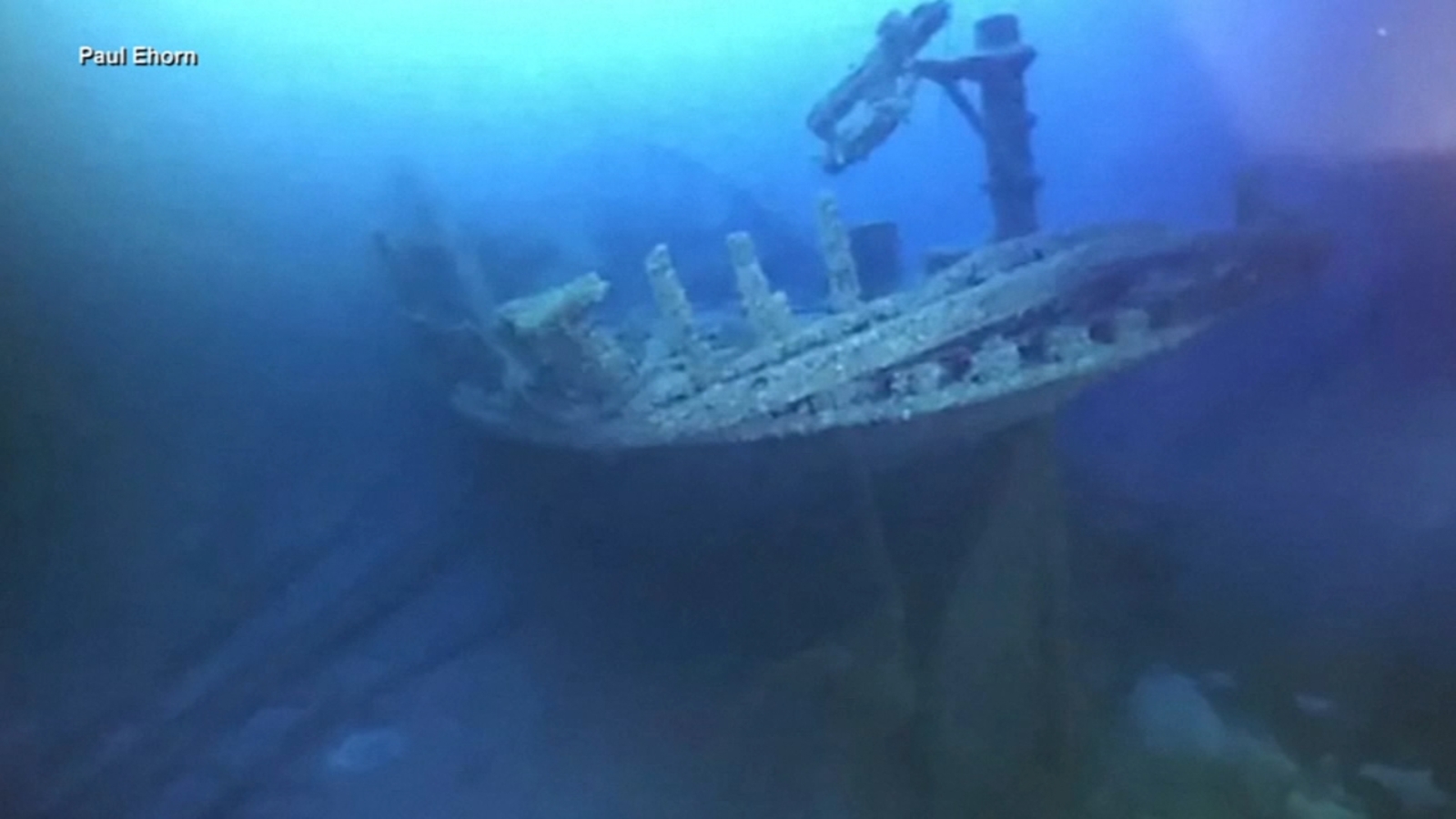
1 month agoThe 2 Notorious Female Pirates Who Fought Brutally, Ruthlessly, and Sometimes Topless
According to witness testimonies that eventually landed them at a courthouse in Jamaica in 1720, they were more ruthless and deadly than their male counterparts; they shot their rifles whenever they felt like it; and, in some cases, they fought topless.
Women
fromwww.npr.org
5 days agoA skeleton discovered in a Dutch church may belong to musketeer d'Artagnan
The remains of d'Artagnan, a swashbuckling swordsman made famous by French writer Alexandre Dumas' 19th century novel The Three Musketeers, may have been found under the tiles of a church in the Netherlands near the battlefield where he died fighting more than 3 1/2 centuries ago.
History
fromMedievalists.net
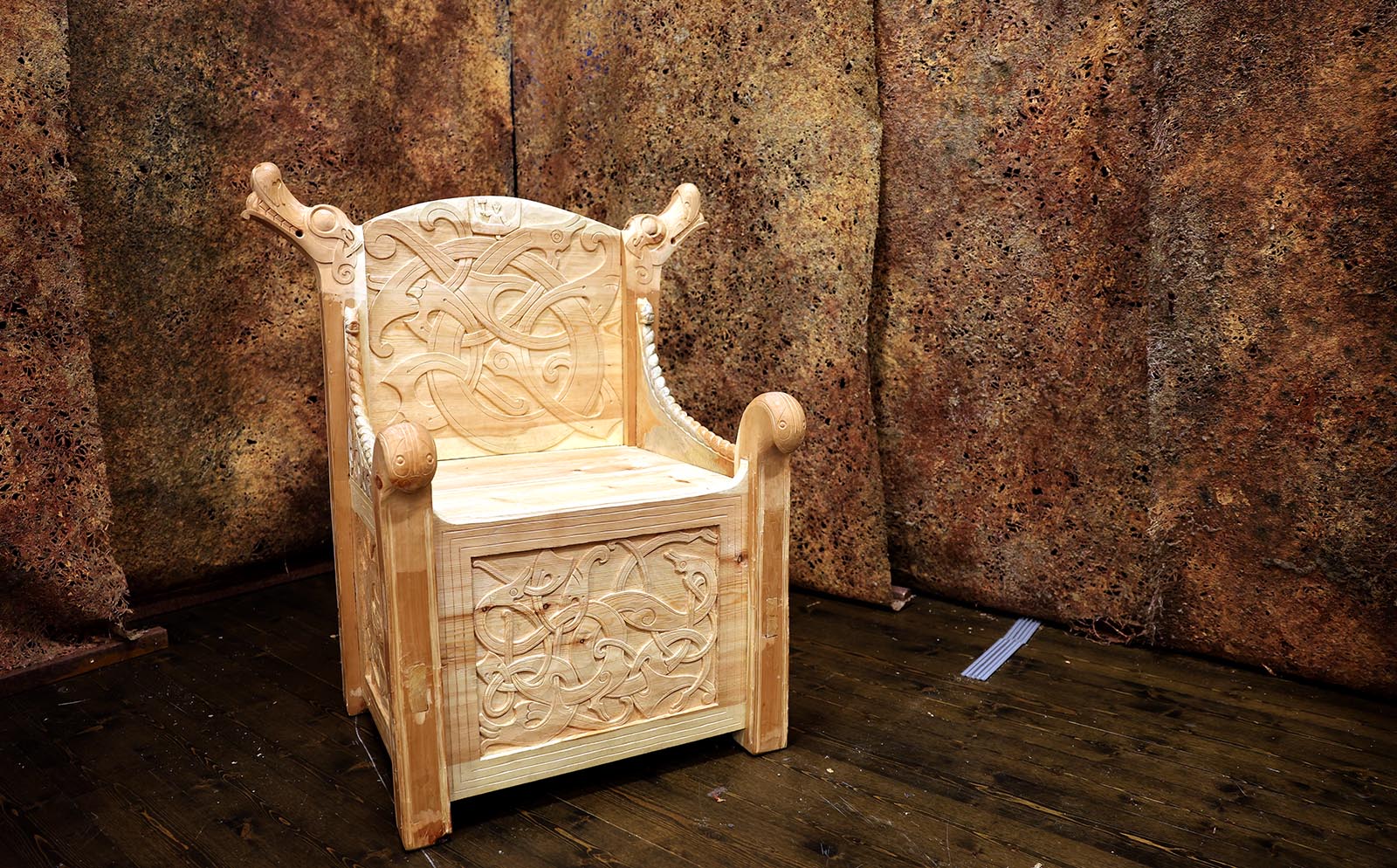
1 week agoWho Lies in Winchester's Medieval Mortuary Chests? - Medievalists.net
This project demonstrates the combined power of science, the study of human remains and historical research to discover new information about the six mortuary chests and their occupants which would not have been available to us a generation ago.
History
Travel
fromTravel + Leisure
1 month agoThe 'Crystal Coast' of the U.S. Has Clear Waters, World-class Shark Diving, and the 'Graveyard of the Atlantic'
The Crystal Coast combines clear beaches, extensive shipwrecks, and abundant sand tiger shark aggregations, offering premier scuba diving and coastal wildlife experiences.
fromBig Think
2 months ago7,000-year-old underwater wall raises questions about ancient engineering - and lost-city legends
Nine meters (30 feet) beneath the waves, they found it: a vast, man-made stone wall, averaging 20 meters (66 feet) wide and two meters (6.6 feet) tall. The structure consists of some 60 massive granite monoliths, set directly onto the bedrock in pairs at regular intervals. Smaller slabs and packing stones fill in the gaps, locking the whole into a single, deliberate construction. With an estimated total mass of around 3,300 tons, this is the largest underwater structure ever discovered in France.
France news
fromwww.bbc.com
2 months agoTreasures found on HS2 route stored in secret warehouse
Treasures unearthed by hundreds of archaeologists so far during work on the controversial planned HS2 train line have been shown exclusively to the BBC. The 450,000 objects, which are being held in a secret warehouse, include a possible Roman gladiator's tag, a hand axe that may be more than 40,000 years old and 19th Century gold dentures. It is an "unprecedented" amount and array of items, which will yield new insights into Britain's past, says the Centre for British Archaeology.
London
Travel
fromTravel + Leisure
1 month agoThis Is One of the Caribbean's Smallest Islands-With 200 Shipwrecks, Ancient Volcanoes, and No Crowds
Sint Eustatius (Statia) is a pristine, underdeveloped Caribbean island with rich 18th-century history, exceptional diving, protected parks, and dramatic volcanic landscapes.
History
fromianVisits
3 weeks agoLooted from a royal palace: The medieval jug now on display in London
A medieval English bronze jug looted from Ghana's Asante kingdom reveals how European luxury goods became valued ceremonial objects through trans-continental trade networks before colonial appropriation.
US politics
fromwww.independent.co.uk
2 months agoInside the hunt for British Museum's missing treasures
The Independent funds on-the-ground, paywall-free investigative reporting while a six-person British Museum team celebrates breakthroughs in tracing missing Greek and Roman treasures with a golden bell.
History
fromMedievalists.net
3 weeks agoThe Medieval Jug that Travelled from England to West Africa and Back - Medievalists.net
A medieval English bronze ewer traveled to West Africa, became sacred in the Asante royal palace, and returned to Britain after colonial warfare, demonstrating Africa's pre-modern global connections.
fromArtnet News
2 months agoNew Research Could Rewrite the Story of One of New York's Earliest Shipwrecks
In 1916, subway construction near Greenwich and Dey Streets in Lower Manhattan unearthed a surprising relic. Some 20 feet underground, workers turned up charred timber; digging further, the contours of an ancient ship came into view-its prow, keel, and ribs. The wreck was later deemed to be the Tyger, a 17th-century vessel that represents a rare archaeological trace of early Dutch exploration in Manhattan.
Arts
Travel
fromTravel + Leisure
2 months agoI've Been Cruising for 18 Years, and These Are the 13 Essentials I Never Sail Without-From $8
Pack versatile, weather-ready clothing and travel gadgets—waterproof jacket, comfortable shoes, scarf, packing cubes, and tracking devices—for comfortable, efficient cruising.
fromLondon Business News | Londonlovesbusiness.com
2 months agoFootage shows US seizing another tanker 'near the Caribbean' - London Business News | Londonlovesbusiness.com
US Coast Guard tactical teams worked closely with its counterparts at the Departments of War, Department of Justice and State and used their specialized expertise to conduct these operations and conduct two safe, effective boardings within hours of each other. One of these tankers, Motor Tanker Bella I, has been trying to evade the Coast Guard for weeks, even changing its flag and painting a new name on the hull while being pursued, in a desperate and failed attempt to escape justice.
US politics
History
fromBusiness Insider
4 weeks agoWorld War II museum ships suddenly feel less like history after a US submarine sank an Iranian warship
A US Navy submarine's recent sinking of an Iranian warship has revived interest in World War II museum ships, making historical naval combat vessels relevant to contemporary military strategy and public discourse.
Science
fromwww.nature.com
2 months agoAuthor Correction: Hunter-gatherer sea voyages extended to remotest Mediterranean islands
Corrections to regional radiocarbon uncertainties do not meaningfully change conclusions about timing of the Mesolithic–Neolithic transition or maritime voyages in the central Mediterranean.
fromBrooklyn Eagle
1 month agoTime running out for S.S. United States as group pushes for preservation
ALABAMA - THE HISTORIC S.S. UNITED States ocean liner, currently undergoing environmental remediation work in Mobile, Alabama ahead of its planned sinking and conversion to an artificial reef off of Florida's coast, was this week given a tentative April departure date from that port for its final destination, Fox 10 WALA reports . The new timeline has lit a fire under the New York Coalition to Save the S.S. United States, the preservation group battling to save the ship .
US news
Arts
fromColossal
2 months agoPaintings on Antique Navigational Tools Are a Poetic Nod to Bird Migration by Steeven Salvat
Steeven Salvat creates meticulous hybrid drawings of creatures fused with mechanical elements, using antique maps and navigational objects to explore migration, navigation, and ecological vulnerability.
Arts
fromThe Art Newspaper - International art news and events
2 months agoBritish Museum reports record-breaking year for finding treasure in the UK
UK metal detectorists recorded a record 79,616 archaeological finds in 2024, including 1,540 treasures such as a 179-coin hoard and a Roman vehicle fitting.
History
fromMedievalists.net
1 month agoDreaming of Owning a Medieval Artefact? Here's Your Chance - Medievalists.net
TimeLine Auctions' March 3 online sale features hundreds of medieval historical objects including a 13th-century Limoges cross, 1224 Chinese armor, Viking silver mount, and Anglo-Saxon brooch.
fromMail Online
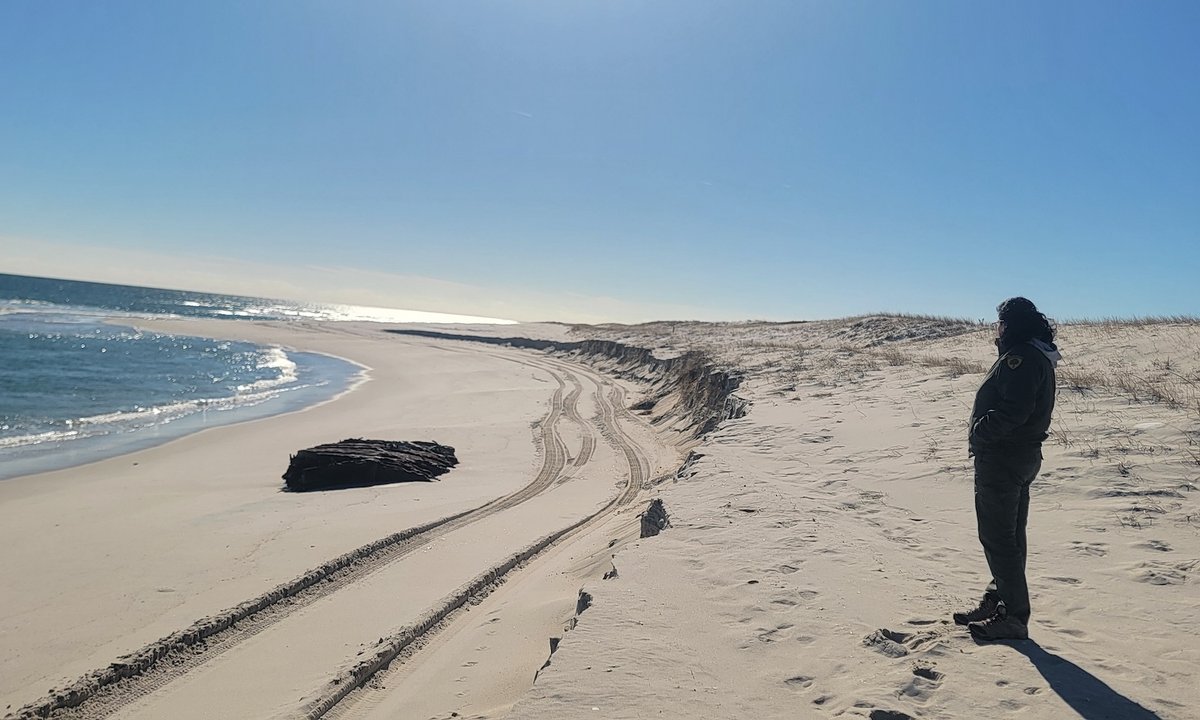
1 month agoArchaeologists fight tides to save the Swash Channel Wreck in Dorset
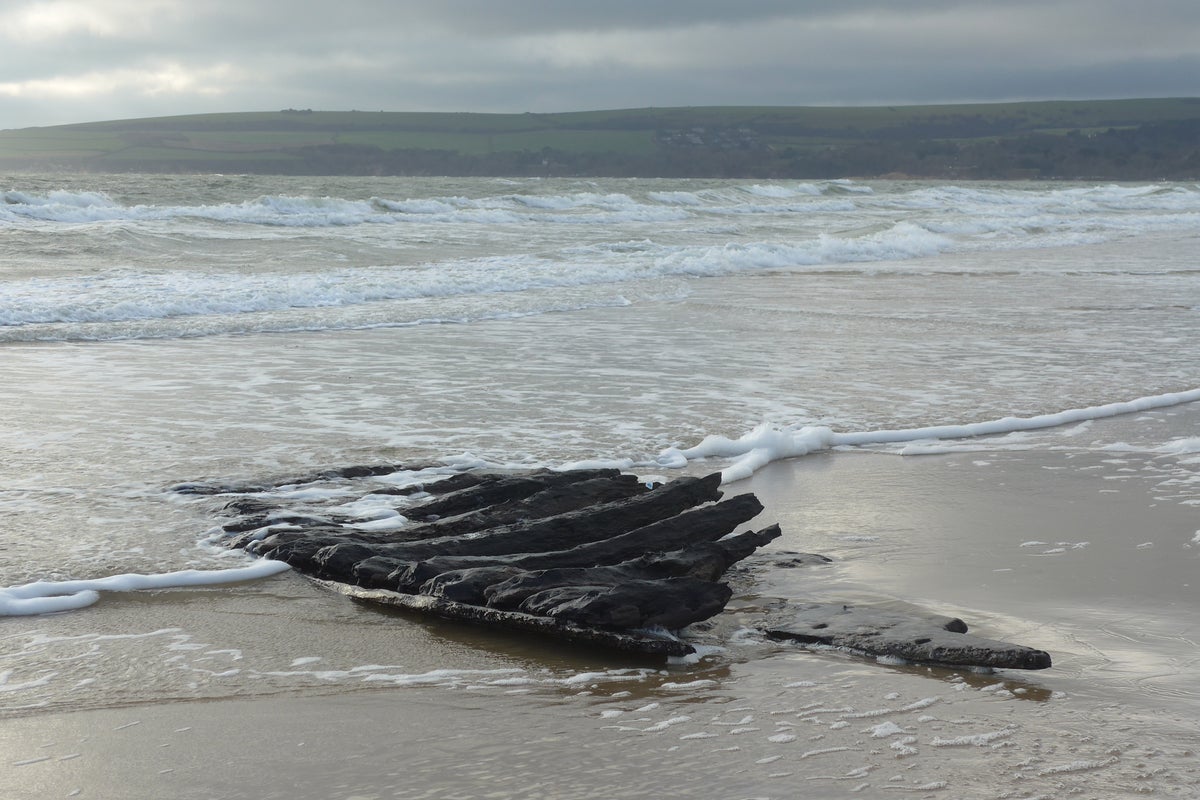
Archaeologists have fought the tides to save a 17th-century shipwreck from a popular nudist beach in Dorset. The remains are believed to be part of the Swash Channel Wreck, a Dutch merchant ship called The Fame of Hoorn that ran aground while approaching Poole Harbour in 1631. The wreck was found on Dorset's Studland Beach at the end of January when Storm Chandra washed away the sand that had kept it hidden for almost 400 years.
History
History
fromSmithsonian Magazine
2 months agoArchaeologists Discovered the 'Holy Grail' of Shipwrecks a Decade Ago. Now, They're Finally Beginning to Unravel the Secrets of the 'San Jose'
A priceless 1708 Spanish galleon, the San José, was discovered in 2015 but remains contested amid political and legal battles over ownership and treasure.
fromMedievalists.net
2 months agoMedieval gold ring discovered in Norway - Medievalists.net
A gold ring with a deep-blue, oval setting - decorated with fine spirals of filigree and tiny granulated beads - has been recovered from medieval deposits in Tønsberg, a historic town in southeastern Norway. The ring was found during an excavation in the modern town centre, where archaeologists have been investigating layers of urban life preserved beneath today's streets. The discovery was made within the protected archaeological area known as Tønsberg Medieval Town.
History
fromSmithsonian Magazine
2 months agoMeet 13 People Who Survived on Deserted Islands, From a Real-Life Robinson Crusoe to a Noblewoman Marooned With Her Lover
Countless books, movies and television shows chronicle the adventures (or misadventures) of people stranded on remote islands. Consider, for example, Daniel Defoe's Robinson Crusoe, the beloved Tom Hanks movie and the classic 1960s sitcom " Gilligan's Island." Now , a new Sam Raimi horror-thriller about a woman (played by Rachel McAdams) stuck with her overbearing boss (Dylan O'Brien) after a plane crash, is set to join the ranks of these survivalist stories.
History
fromSmithsonian Magazine
2 months agoMeet 13 People Who Survived on Deserted Islands, From a Real-Life Robinson Crusoe to a Noblewoman Marooned With Her Lover
Narratives about deserted islands often depict the ingenuity required to build shelter and acquire food and water, as well as the mental fortitude needed to patiently wait for rescue. Many of these story lines are exaggerated and sensationalized for dramatic effect. Still, the challenge of being pitted against nature, secluded from civilization and forced to live with only the barest essentials taps into themes of resilience and adventure that have always fascinated humans.
History
fromSmithsonian Magazine
2 months agoThe British Crown Enslaved Thousands at the Height of the Trans-Atlantic Slave Trade. New Research Reveals Their Stories
On August 7, 1823, 19 enslaved people in Barbados became the property of the British crown after their enslavers died without legal heirs. These individuals had names, families and histories that stretched across years of shared survival under slavery. They included Quow and his son, Caesar; Orange and her son, October; and Abel and Lubbah and their children, Thomas, Kitty and Becky.
fromThe Art Newspaper - International art news and events
2 months agoFlorida coin hoard worth $1m resurfaces debate over treasure hunting
Divers uncovered more than 1,000 late 17th- and early 18th-century Spanish coins worth $1m off the coast of Florida last summer. The area, roughly 100 miles north of Miami, is known as the Treasure Coast-named for the cargo aboard the Spanish flotilla that sank there in 1715. Its 11 ships were filled to the brim with an estimated $400m in gold, silver and jewels. Treasure hunters have been on the prowl for their sunken riches ever since.
History
[ Load more ]