#2010-breakout
#2010-breakout
[ follow ]
#social-media #gen-z #tiktok #mental-health #consumer-behavior #nostalgia #technology #digital-culture #pop-culture
fromThe Atlantic
1 day agoHow Some People Became So Averse to Hype
Anna Holmes defines 'hype aversion' as a reflex against being told what to like, suggesting that popularity can create pressure rather than signal quality. This feeling can lead to a deliberate choice to resist mainstream culture.
Media industry



Relationships
fromSilicon Canals
22 hours agoNobody tells you that expecting instant replies is a relatively new social norm - and that an entire generation learned to communicate in ways that never required it - Silicon Canals
Instant communication has created pressure that undermines meaningful relationships, which thrived in a slower-paced era of correspondence.
fromFast Company
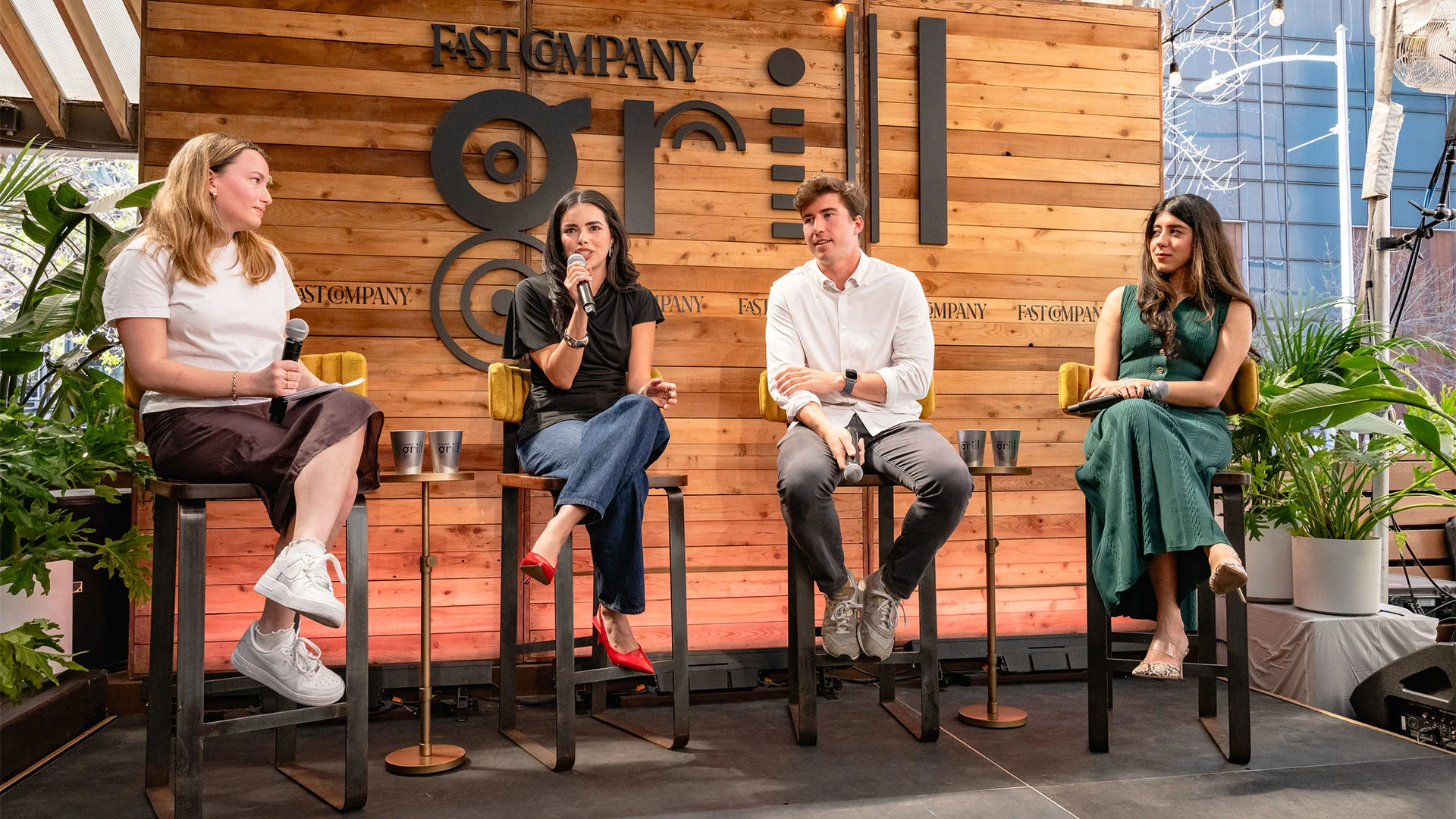
1 day agoWhy Gen Z is fangirling over Apple's 'Finder Guy' mascot
Finder Guy is an adorably chunky, dual-toned blue creature with a rounded head and a perpetual smile. Apple is being fairly tight-lipped about him; he hasn't been officially announced or acknowledged by the company.
Apple


London politics
fromwww.theguardian.com
1 day agoYoung people want to come together': experts respond to mass teen meet-ups in Clapham
Teenagers organized chaotic gatherings in London via social media, leading to disorder and arrests, prompting political outrage and calls for action against youth behavior.
fromLGBTQ Nation
3 days agoBeloved children's singer melts hearts with message for trans kids: "You are a beautiful light" - LGBTQ Nation
I see you, and it makes me so happy to see you. There is such a disconnect between what we say America is about and what it is right now. True freedom is the freedom to be who we are, and it hurts my heart so much that in some parts of this country, it is unsafe for trans people to do that right now.
SF LGBT
fromElectronic Frontier Foundation
1 week agoDigital Hopes, Real Power: From Revolution to Regulation
66% of internet users live where political or social sites are blocked, and 78% are in countries where people have been arrested for online posts. New social media regulations have emerged in dozens of countries in the past year alone.
World politics
Careers
fromSilicon Canals
4 days agoThe most profound disconnect between boomers and younger generations isn't about avocado toast or laziness - it's that boomers inherited an economy designed to reward time invested, while millennials and Gen Z are navigating one that rewards attention captured, and the skill sets don't translate - Silicon Canals
Generational tension arises from differing economic realities between baby boomers and younger generations, affecting perceptions of work and success.

fromDefector
3 weeks agoR&B Wants To Make Pop Music Fun Again | Defector
R&B in the 21st century has been in a constant state of flux, tugged between safe traditionalism and blurry attempts at progression. For the last decade-plus that "progression" has seen R&B music become more indebted to trap records and the moody atmospherics of alternative bands like Radiohead, Coldplay, or My Bloody Valentine.
Music
World politics
fromwww.theguardian.com
3 weeks agoThe kill line v Chinamaxxing: a window into how China and the US see each other
Western and Chinese social media are exchanging cultural narratives: young Americans embrace Chinese culture through 'Chinamaxxing' while Chinese users increasingly view the US as a dystopian society with a dangerous 'kill line' separating success from destitution.
fromLondon Business News | Londonlovesbusiness.com
4 days agoDigital entertainment grew 7x faster than the UK economy - London Business News | Londonlovesbusiness.com
The UK digital entertainment sector hit £13.5 billion in revenue in 2025, reflecting a 7.1% year-over-year growth, significantly outpacing the general economy's growth rate of 1.3%.
Digital life
fromBusiness Insider
3 weeks agoCoach's former CEO said Gen Z is most similar to the 60s generation
So I've seen generations change, and Gen Z is the generation that's most similar to my generation, the sixties. They're very value-driven. They're concerned with climate, they're concerned with authenticity, truth, being who they are, and relationships.
Fashion & style
Marketing
fromCity AM
2 weeks agoMeet Gen Zalpha: The new generation up-starts reshaping consumer culture
Gen Zalpha, the fusion of young Gen Z and older Gen Alpha, wields significant commercial influence through direct purchases and persuasion over parents, making them a critical target market for brands.
Social media marketing
fromSlate Magazine
3 weeks agoWhy So Many Americans Online Suddenly Want to Become Chinese
Chinamaxxing, a social media trend where Americans adopt Chinese practices, perpetuates harmful stereotypes by framing Chinese culture as exotic and inferior while reflecting broader anxieties about American economic decline.
fromFast Company
2 months agoYounger generations aren't just growing up online
For today's young people, online content isn't a backdrop to daily life-it is daily life. Streaming platforms, short-form video, and social media don't just entertain; they influence how young people see themselves, their health, and what behaviors are seen as normal or aspirational. Movies, television, and streaming content still have influence, but as the digital ecosystem expands, so does its power to shape choices-for better and for worse.
Public health
fromenglish.elpais.com
2 months agoMemes mature to help us understand a world in flames
Memes have become the clearest and most direct language of digital culture: condensed fragments of reality that synthesize the complexity of the present and circulate at the same speed as a society surrendered to hyperstimulation. From the Dancing Baby of the 1990s to the endless templates of X, Instagram, or TikTok, memes have evolved from simple ephemeral jokes to veritable systems for decoding the world, semiotic capsules that allow us to process the political, the social, and the intimate.
Humor
Digital life
fromwww.theguardian.com
4 weeks agoWhy is everyone so obsessed with gen Z?
Generation Z is the most studied generation due to their unique digital immersion from infancy, distinctive behaviors, and significant economic influence on employers and marketers seeking to understand and reach them.
[ Load more ]