#2013-2014-comparison
#2013-2014-comparison
[ follow ]
#inflation #labor-market #consumer-spending #job-growth #unemployment-rate #energy-prices #economy #tariffs
fromwww.dw.com
1 day agoIndia news: Growth forecast slashed to 6% amid Iran war
Moody's Ratings has slashed India's economic growth projections for the current fiscal to 6%, from 6.8% earlier. The credit ratings agency said the US-Israeli war against Iran and its impact on the global energy market will weigh on India's growth momentum and heighten inflation risks.
World news





Artificial intelligence
fromFortune
3 days ago'Inflationary surge': Fed economists warn AI hype is overheating the economy whether or not the technology ever delivers | Fortune
AI optimism may hinder productivity and contribute to short-term inflation as households and businesses react to perceived future gains.
World politics
fromwww.theguardian.com
3 days agoA third inflationary shock in less than a decade is coming: who will pay the price this time around? | Aditya Chakrabortty
Daniel Yergin highlights the vulnerability of global oil supplies through the Strait of Hormuz and the consequences of military actions against Iran.

#us-economy
US politics
fromFortune
21 hours agoThe economy can shed jobs and still keep the labor market balanced, as Trump's immigration crackdown turns breakeven hiring negative | Fortune
The U.S. labor market shows a negative breakeven rate of employment growth due to immigration restrictions, indicating potential job losses without rising unemployment.
fromFortune
4 days agoA Wall Street vet's Walmart recession indicator just hit its highest point since 2008-and he says the fear 'just keeps multiplying' | Fortune
'Walmart Worries' just keep multiplying. It's currently close to the highest level ever recorded which was during the Great Financial Crisis of 2008-09.
Business
fromLondon Business News | Londonlovesbusiness.com
5 days agoUS dollar stable near recent highs - London Business News | Londonlovesbusiness.com
Escalating geopolitical risk continued to dominate global markets' concerns, with safe-haven demand keeping the dollar index anchored near a multi-week high.
World politics


World news
fromLondon Business News | Londonlovesbusiness.com
4 days agoDollar extends pullback amid softer labour signals and easing risks - London Business News | Londonlovesbusiness.com
The dollar weakened due to softening monetary policy expectations and reduced demand as a safe-haven asset amid easing Middle East tensions.
World politics
fromLondon Business News | Londonlovesbusiness.com
6 days agoUS dollar stable after successive gains - London Business News | Londonlovesbusiness.com
Escalating Middle East tensions are influencing market sentiment, keeping the dollar stable and impacting US Treasury yields amid inflation concerns.


fromFortune
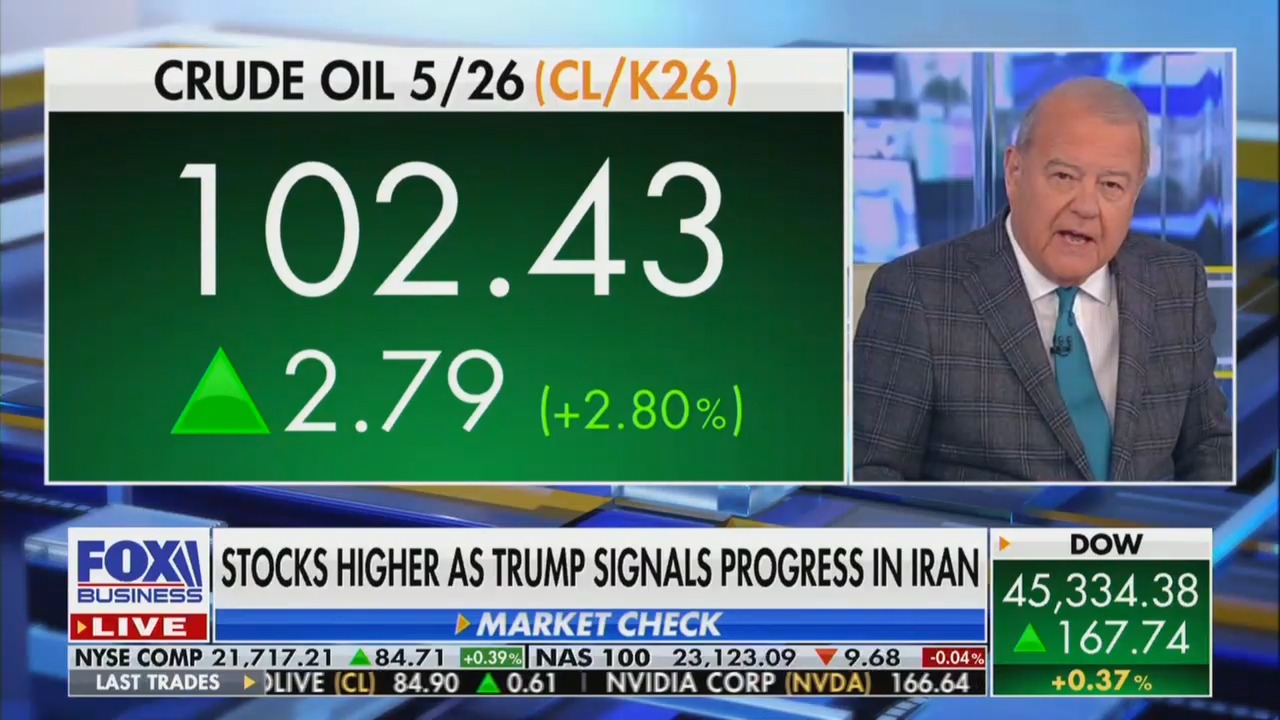
6 days agoBond yields are falling even as oil tops $102, showing that Wall Street fears recession more than inflation | Fortune
"Oil prices are higher again this morning, but Treasury yields are lower as the risks to economic growth begin to take precedence over the risks to inflation," Oxford Economics said in a note on Monday.
World news
#us-dollar
US Elections
fromLondon Business News | Londonlovesbusiness.com
3 days agoUS dollar rose amid a rebound in geopolitical concerns - London Business News | Londonlovesbusiness.com
The US dollar strengthened due to geopolitical fears and better-than-expected economic data, while uncertainty keeps market volatility high.

US Elections
fromLondon Business News | Londonlovesbusiness.com
3 days agoUS dollar rose amid a rebound in geopolitical concerns - London Business News | Londonlovesbusiness.com
The US dollar strengthened due to geopolitical fears and better-than-expected economic data, while uncertainty keeps market volatility high.
Business
fromFortune
2 weeks agoA 'debt spiral,' before a fiscal crisis: interest on the national debt will be growing faster than GDP in just 5 years, think tank warns | Fortune
By 2031, U.S. federal debt interest rates will exceed economic growth rates, triggering a self-reinforcing debt spiral where deficits cause debt to grow indefinitely.


US politics
fromABC7 Los Angeles
4 weeks agoTrump's 'roaring' economy meets a rough start to 2026: What the latest numbers show
Trump's promised economic boom has failed to materialize, with 2026 starting with job losses, rising gas prices, and stock market volatility despite his confident State of the Union predictions.
#recession-risk
Business
fromFortune
3 weeks agoGoldman just raised recession odds to 25%. Here's what Trump's war economy is doing to jobs | Fortune
Goldman Sachs raised U.S. recession probability to 25% due to weak February jobs data and rising oil prices from Middle East tensions, signaling economic deterioration amid tariffs and military engagement.
fromThe American Conservative
1 month agoU.S. GDP Growth Slowed for Q4 2025
U.S. economic growth cooled significantly in the fourth quarter of 2025, which the Trump administration attributed to last fall's record-long federal government shutdown and softer consumer spending. Gross domestic product rose at a 1.4 percent seasonally adjusted, inflation-adjusted annual rate in the final three months of last year, the Commerce Department said Friday, well below the 2.5 percent pace expected by economists.
Right-wing politics
US news
fromLondon Business News | Londonlovesbusiness.com
1 month agoThe Significant Events in the Global Economy Explained - London Business News | Londonlovesbusiness.com
Supreme Court tariff reversal lifted investor sentiment and stocks, while Fed division on rates, rising inflation, and slowing GDP kept markets cautious.
Business
fromAxios
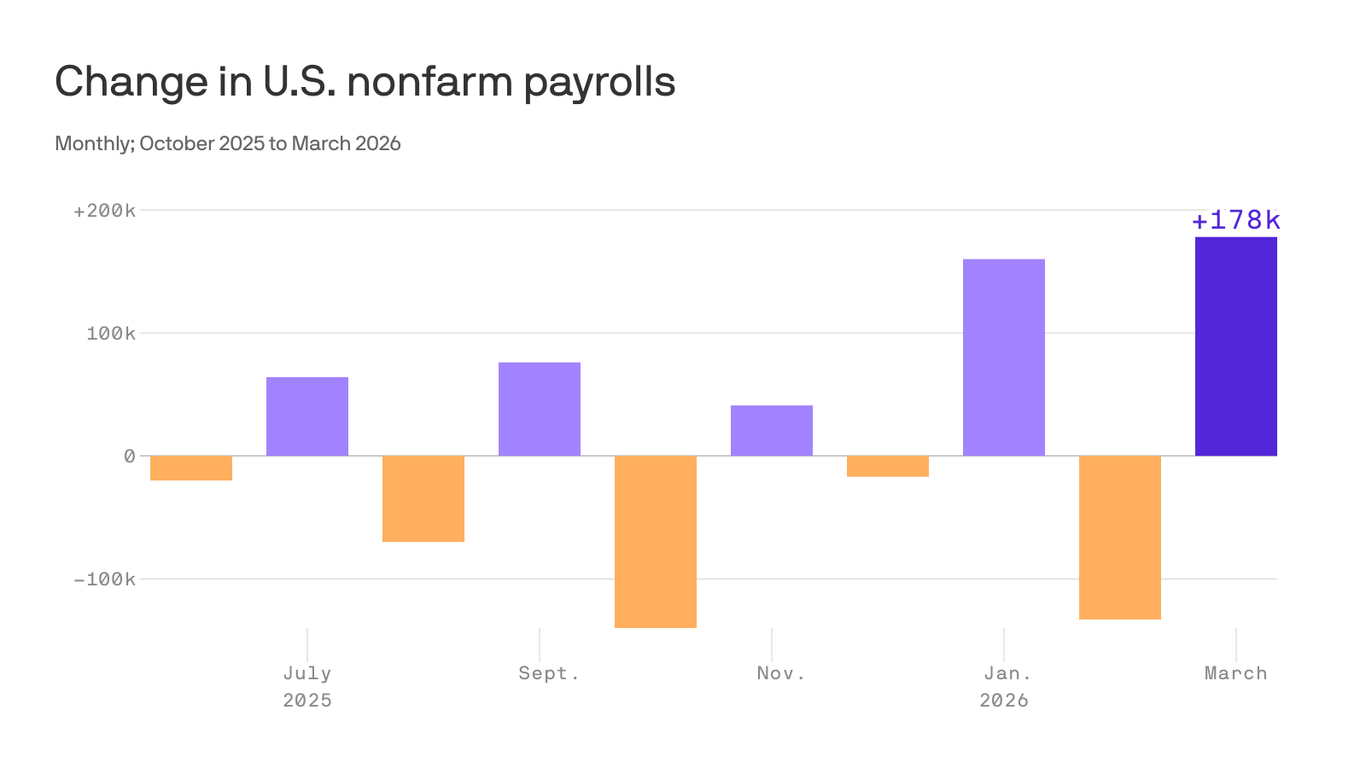
1 month agoThe labor market is finally stabilizing, data shows
Private sector job growth accelerated in February with 63,000 new jobs, but gains concentrated in education and health services, while wage growth inequality widened significantly between higher-income and lower-income workers.
US Elections
fromenglish.elpais.com
3 weeks agoUS economy grew at half the expected rate in the final quarter of 2025 due to tariffs and government shutdown
U.S. GDP growth slowed to 2.1% annually in 2025, down from 2.8% in 2024, due to tariffs, government shutdown, and reduced exports and consumer spending.



fromlondonlovesbusiness.com
2 months agoThe significant events in the global economy over the past week - London Business News
U.S. financial markets began the year on a positive note, with major stock indexes reaching new highs despite ongoing geopolitical uncertainty and emerging signs of economic cooling. Investors showed renewed confidence, particularly in smaller and value-oriented companies, which outperformed the large technology-driven stocks that dominated returns in recent years. This shift suggests broader participation in the market rally and growing optimism beyond a narrow group of companies.
Business
fromFortune
2 months agoForget the K-Shape: We have a barbell economy-and the middle class is buckling under the weight | Fortune
The prosperity of this top cohort is not driven by wage growth. While their wages have risen, they have stagnated relative to the explosive returns on capital. Instead, their consumption is driven by the "Wealth Effect." New analysis shows that 70% of recent economic growth is now driven by just 20% of earners. These consumers aren't spending wages; they are spending paper gains tethered to a market bubble.
Business
[ Load more ]