#abandoned-fixture-replay
#abandoned-fixture-replay
[ follow ]
#architecture #adaptive-reuse #san-francisco #heritage #historic-preservation #contemporary-art #urban-mining
fromAbove the Law
2 days agoThat Was Fast: Bondi's Portrait Already Living At The Dump - Above the Law
Bondi's official DOJ portrait was reportedly spotted in the trash mere minutes after Donald Trump gave her the boot. Just straight to the bin, like last week's takeout and this week's credibility.
US politics
#historic-preservation
New York City
fromBrooklyn, NY Patch
1 month agoHistoric Brooklyn Homes Preserved Two Months Ahead Of Schedule
A $4 million restoration of the Hunterfly Road Houses at Weeksville Heritage Center preserved four 19th-century structures representing one of the nation's largest pre-Civil War free Black communities.

New York City
fromBrooklyn, NY Patch
1 month agoHistoric Brooklyn Homes Preserved Two Months Ahead Of Schedule
A $4 million restoration of the Hunterfly Road Houses at Weeksville Heritage Center preserved four 19th-century structures representing one of the nation's largest pre-Civil War free Black communities.


fromTravel + Leisure
3 weeks agoThere's an Abandoned Island Hiding in Plain Sight at Disney World
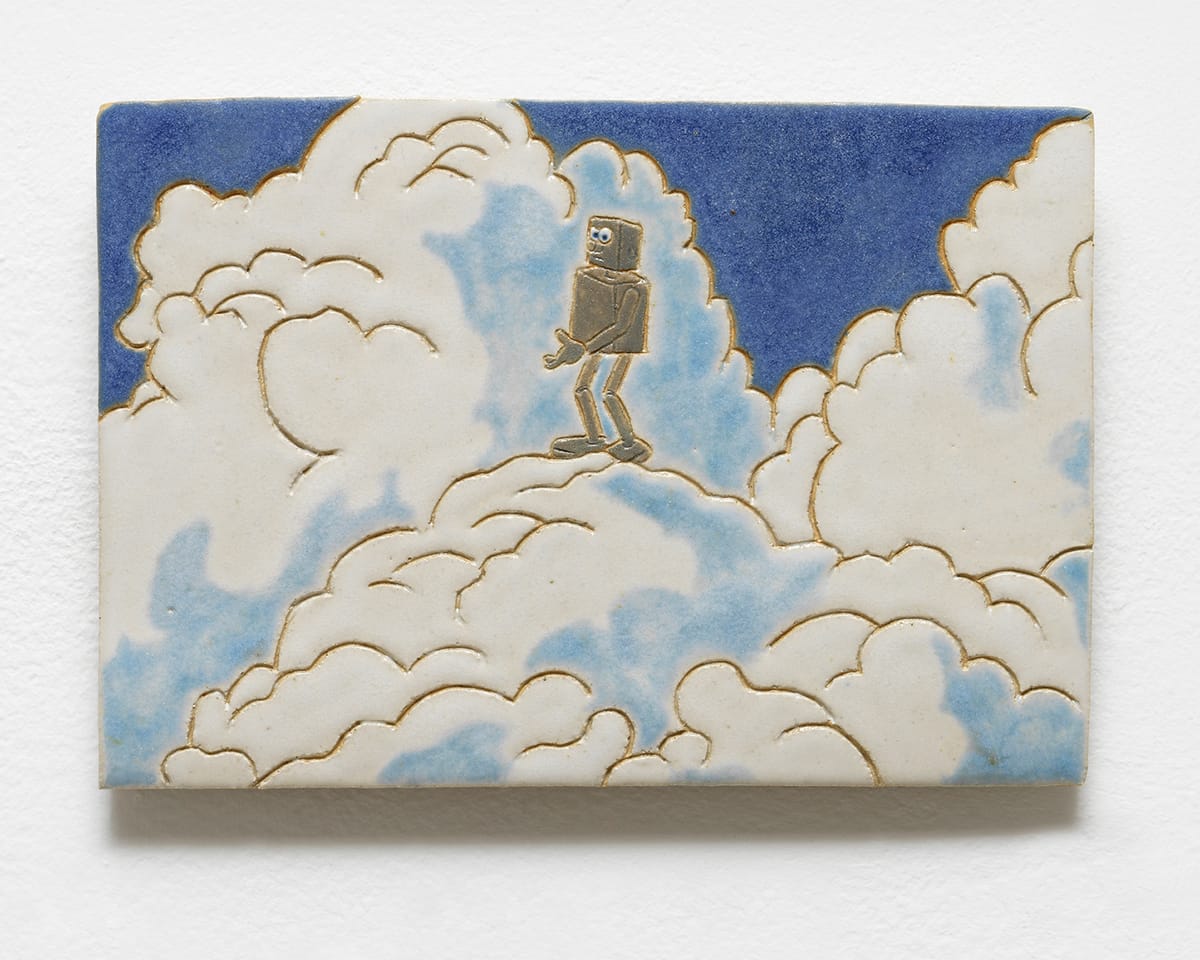
Originally called Treasure Island, it opened on April 8, 1974, three years after Walt Disney World first welcomed visitors. The theme was based on the 1950 Disney pirate adventure film "Treasure Island," with a wrecked ship visible on the shore. Its name was changed to Discovery Island in the late 1970s, and the 11.5-acre nature preserve-accessible by boat-operated until April 8, 1999.
Miami Marlins
fromSFGATE
3 weeks agoThis ornate maze underneath North Beach is one of SF's most impressive venues
The whole reason we're here is we know something is impossible, but we also know it's inevitable. He pulled off a trick where a member of the audience mixed up a Rubik's Cube, then Blake presented a second cube with identically arranged colors, demonstrating the paradox of magic where the impossible becomes inevitable through skillful illusion.
San Francisco
fromParade
3 weeks agoBeloved 107-Year-Old Theme Park Is Officially Being Demolished
It is with heavy hearts we would like to share with you personally that this season at Coney Beach will be our last. It's the end of an era. For over 100 years we and other showmen and their families have lived and worked in Porthcawl helping to make it a busy seaside destination bringing fun, laughter, and fond memories to so many.
Travel
SF real estate
fromLos Angeles Times
18 years agoHere, time stood still
Scott Bakula's former Ojai home, originally listed at $1.8 million in the mid-'90s, is now on the market for $4.3 million, featuring extensive gardens, orchards, and architectural elements inspired by Greene & Greene and Frank Lloyd Wright.
London music
fromwww.nytimes.com
1 month agoLook Inside Richard Hell's East Village Tenement Apartment
Richard Hell has maintained his rent-stabilized East Village apartment for over 50 years while building a multifaceted career in music, film, and literature, surrounding himself with thousands of books.
NYC real estate
fromCity Limits
1 month agoEmpty NYCHA Apartments Pose Safety Risks, Opportunities for Squatters: Report
Hundreds of squatters occupy vacant NYCHA apartments while over 6,800 units remain empty, creating safety risks and reducing public housing availability for 165,000 applicants on the waitlist.
World news
fromwww.theguardian.com
1 month agoThere's no safe place any more': inside Tehran under attack photo essay
Iran faces escalating military conflict with the US and Israel, resulting in over 1,200 deaths including Supreme Leader Ali Khamenei, widespread destruction in Tehran, and retaliatory strikes across the Middle East.
fromJeffersongraham
1 month agoA Guide to Exploring New York's Amazing Underground Museum
While most people think of the New York subway as a way to get somewhere, I happen to think of it as one of the greatest art museums in the world - and it only costs $3 to get in. As long as you don't go through the turnstiles, you can go from station to station all day long marveling at the wall art.
NYC music
Television
fromwww.theguardian.com
1 month agoPerfect for an apocalypse! How the nuclear bunker became TV's hottest property
Billionaires are building elaborate underground bunkers and cities as doomsday shelters, reflecting both real-world anxiety and growing entertainment fascination with apocalyptic scenarios.
Renovation
fromwww.bbc.com
4 weeks agoThe house hidden in the garden of a Catford terrace
Architects Will and Sogand Howard built a modern home in a neighbor's garden in London, demonstrating how small urban plots can address housing shortages through creative land use and direct outreach to homeowners.
Renovation
fromFast Company
1 month agoThe quarry that built modern Beijing gets a surprising second life
A former Beijing quarry that supplied materials for the city's rapid growth has been transformed into a 265-acre ecological park that repurposes its massive excavation pits as functional and scenic landscape features.
fromianVisits
2 months agoLondon's Alleys: Ann's Place, Whitechapel, E1
This part of London sits just outside the historic City walls, so it attracted traders who wanted to avoid the strict rules binding City merchants. The land was later acquired by Thomas Wentworth, 1st Earl of Cleveland, who developed it, hence the main road being named Wentworth Street. If you're wondering about Ann's Place, that was probably after his wife, Anne Hopton.
History

fromwww.theguardian.com
1 month agoArchaeology against the clock: the race to salvage fragments of early Brisbane
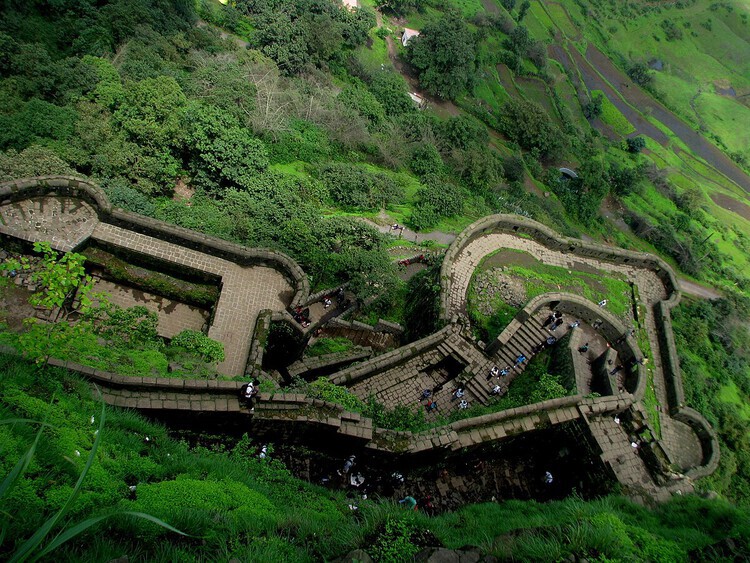
In a white and sterile office that could belong to any one of the warehouses that dot this industrial strip between Brisbane's airport and horse-racing precinct, a young woman is engrossed in a puzzle. Only this puzzle comprises, perhaps, three different sets, each almost (but not quite) identical to the other and none likely to be completed. Emily Totivan wears blue plastic gloves. She is an archaeology student helping to catalogue artefacts.
Science
fromCurbed
2 months agoSentimental Value Is an Excellent Lamp Movie
Sentimental Value is very much a film about a house - a Victorian " dragestil," or "dragon style," home in Oslo where generations of the same family have lived for more than a 100 years. Director Joachim Trier, who found the house in Oslo's Frogner neighborhood, called its role in the film "a witness of the unspoken ... a witness of the 20th century."
fromIndependent
2 months agoDereliction, litter and anti-social behaviour: How we can change the fortunes of Dublin's north inner city
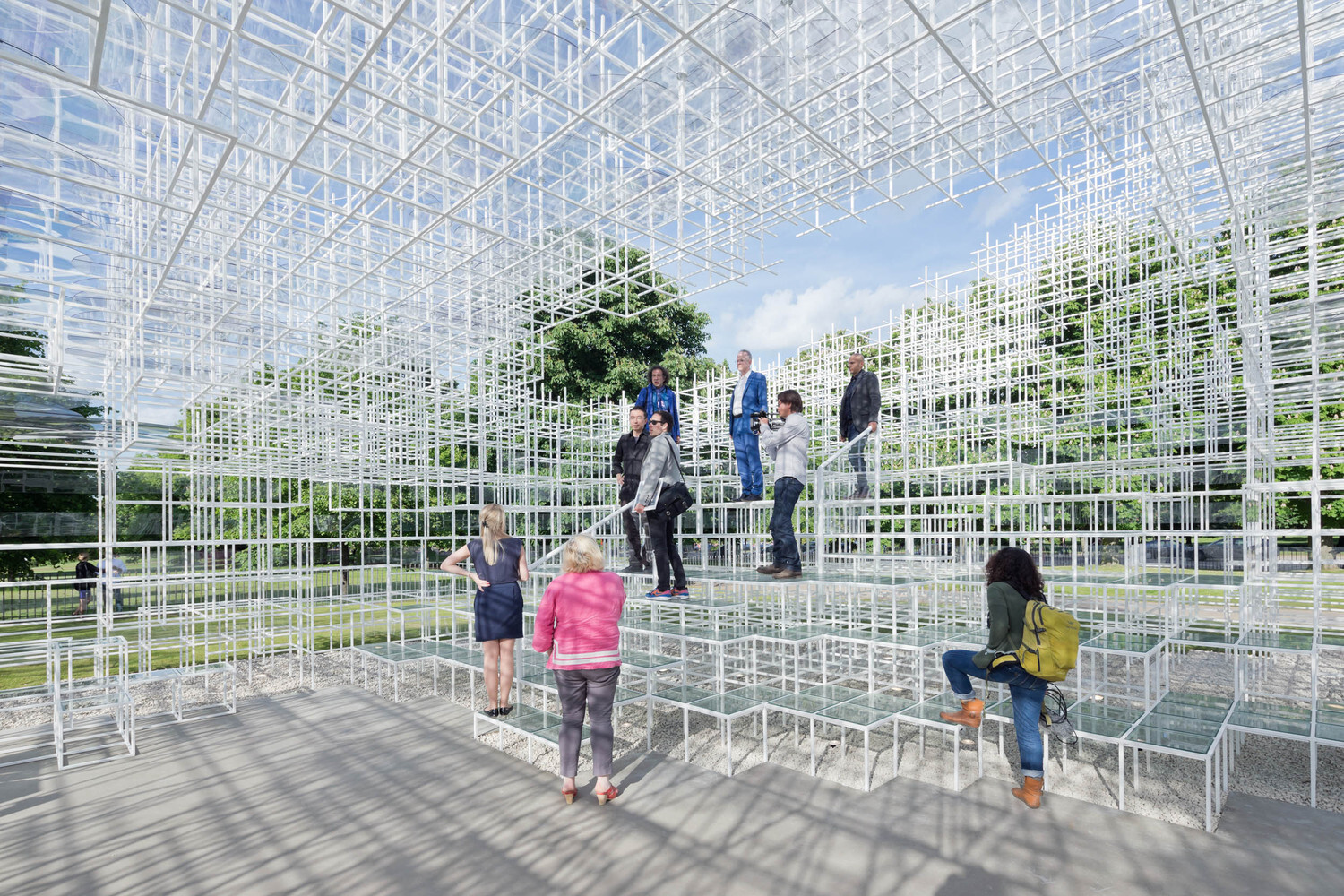
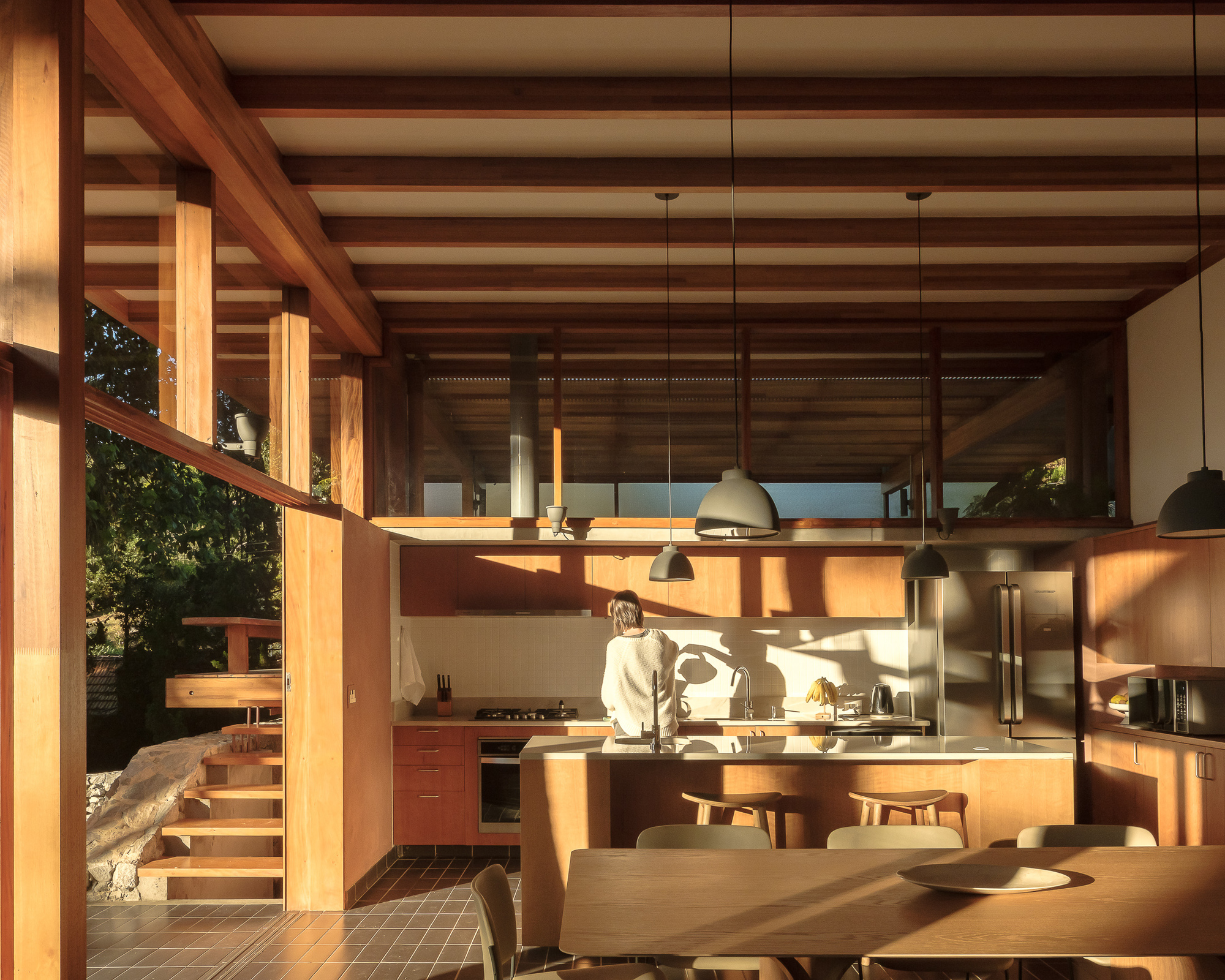
Years of neglect have tarnished what should be a jewel in the crown of the Irish capital - and a no-go zone for many. Local stakeholders discuss the progress made so far and what more can be done to make the area a vibrant hub For 30 years, Irish Business Against Litter has been waging a war on rubbish. Its latest survey, undertaken by An Taisce and published this week, puts Sligo town at the top and shows that the country is getting cleaner,
Environment
fromUntapped New York
1 year agoHow Museum Artifacts in NYC Inspired a Novel About a Medieval Witch - Untapped New York
While working on a graduate school paper on the mystical powers of coral, gemologist Anna Rasche ventured deep into the archives of the Cooper Hewitt Smithsonian Design Museum's library. Coral is the most powerful material to ward off the evil eye-a belief Italians have held since ancient times. Romans often gifted newborns coral amulets to prevent sickness and bad luck.
Books
fromianVisits
1 month agoLondon's Alleys: Alderman Stairs, Wapping, E1
The story of this corner of London runs deep. The roots of settlement here stretch back to the 10th century, when King Edgar granted 13 acres of riverside land to 13 knights (yes, an acre per knight), with permission to use it for trading along he river. By 1125, there was already a dock at St Katharine's. Over the centuries, the area grew into a small but busy community, complete with a hospital, a monastery, a school, almshouses and its own court.
History
Arts
fromArchDaily
1 month agoLondon's Brutalist Heritage and Australia's New City: This Week's Review
Architecture increasingly emphasizes social responsibility, adaptive cultural projects, heritage protection, and large-scale urban planning aligning infrastructure, resilience, and long-term civic agendas.
fromApartment Therapy
1 month agoThe 150-Year-Old Useful Gem Hiding in Every Thrift Store
As someone who loves vintage things, you can find me at my local thrift store regularly. I enjoy stocking my closet with secondhand finds and finding gifts or unexpected storage gems instead of buying them new. The thrill of the hunt is ultimately what keeps me going back time after time. Whether I have 10 minutes or an hour to peruse, flipping through clothing racks and scouring the shelves always brings me joy,
Fashion & style
fromArchDaily
2 months agoFrom Desert to Forest: 8 Unbuilt Houses Designed as Contemporary Retreats
Residential architecture remains one of the most active fields for unbuilt architectural exploration, offering a lens through which architects rethink how domestic space can respond to landscape, climate, and contemporary patterns of living. In this Unbuilt edition, submitted by the ArchDaily community, the selected proposals bring together a range of residential projects that engage with houses, villas, and retreats as sites of withdrawal, mediation, and everyday inhabitation.
Remodel
fromianVisits
1 month agoDerelict shops in Aldgate to be redeveloped as horse stables for the police
The row of shops (and pub) here used to be known as Butchers' Row as it was lined with, well, butchers of course - and they would hang their meat outside their stores on rows of metal hooks. Most of the buildings have since been redeveloped, but the gap between shops on Aldgate High Street has been there since shortly after WWII. The gap wasn't due to bomb damage, but for some reason, one building was cleared, and later its neighbour as well.
UK news
fromArchDaily
2 months agoFragile by Design: How Can Buildings Be Designed to Outlast Their First Purpose?
Having explored adaptability at the city scale, we are now zooming in on the building itself-and, crucially, on practice. How can architects, developers, and consultants embed adaptability as a measurable, mainstream outcome? This question will be on the agenda at the Adaptable Building Conference (ABC) on January 22 at the Nieuwe Instituut in Rotterdam, where architects, engineers, policymakers, and industry leaders will explore the potential of adaptable buildings-and how to deliver them at scale.
Remodel
fromArchitectural Digest
2 months agoDesigning When Your City Is Under Siege
Life doesn't pause for grief or fear. You might be going through something devastating but you're still packing lunches, still driving your kids to baseball practice, still showing up to work. One minute I find myself prepping for a whole home presentation and the next minute I'm checking the news, hoping and praying that no one has been killed on the streets today.
Design
fromArchDaily
2 months agoUnearthing the Ground: Architecture and the Politics of the Subterranean
Beneath the visible surface of cities lies an invisible architecture. Subways, tunnels, water systems, data cables, and bunkers form a dense network that sustains urban life while remaining largely unseen. The ground beneath our feet is not a void but a complex territory that holds the infrastructures, memories, and anxieties of our age. In recent years, as land becomes scarce and climate pressures intensify, architects and urbanists have turned their gaze downward, rediscovering the subterranean as both a physical and conceptual frontier.
Design
Photography
fromwww.theguardian.com
2 months agoDon't look down! Lightbulb-changers on Clifton Suspension Bridge: Beezer's best photograph
A photographer documented Bristol's punk and reggae scenes, using photography to explore environments and capture daring perspectives like climbing the Clifton Suspension Bridge.
fromSilicon Canals
1 month agoTreasures worth thousands: homeowners discover vintage items hidden in walls during renovation - Silicon Canals
Picture this: you're knee-deep in renovation dust, crowbar in hand, when something unexpected tumbles from behind century-old plaster. A yellowed envelope? A strange metal box? That moment when your heart skips because you realize you might have just found something extraordinary. For some lucky homeowners, these discoveries turn out to be worth thousands of dollars, transforming a simple home improvement project into an unexpected treasure hunt.
Renovation
fromwww.theguardian.com
2 months agoThe moment I knew: huddled under a spooky bridge by the Canal de l'Ourcq, we were like two little penguins
The first time Jake and I crossed paths was at a circus festival in Bathurst. It was 2010 and I was in my last year of high school. Aspiring circus troupes from across the country had gathered to showcase their acts. It felt like all eyes were on Jake's group from Adelaide, they were incredibly talented. I definitely remember him I even took one of his workshops but didn't think much more of it.
Arts
fromdesignyoutrust.com
2 months agoArtist Reshapes Walls And Spaces With Explosive Typographic Murals That Turn Buildings Into Giant, 3D Messages
Beautiful And Detailed Paintings In Resin By Feif Dong The Illustrator Has Created a Dreamy World that She Travels Through with Her Boyfriend Elspeth McLean Creates Beautiful Hand-Painted Stones This Artist Creates Beautifully Bizarre Backpacks That Look Like Octopus, Spiders, And Beetles Amazing Surreal And Tribal Backpacks By Konstantin Kofta Saddened By The Empty Streets Of Budapest During Lockdown, This Artist Filled The City With People From Classical Paintings UK Artist Unveils COVID-19 Glass Sculpture, One Million Times The Size Of The Virus
Arts
fromArchDaily
1 month agoShaping Architectural Continuity: 25 Revitalization Projects Across Historic, Industrial, and Natural Sites
Heritage sites constitute complex spatial archives in which architecture, history, and collective memory converge. They encompass a wide spectrum of contexts-from archaeological remains, ancient and historic townscapes, UNESCO-listed landscapes, to early modern civic structures and industrial infrastructures. Yet these environments confront challenges: climate change, urban transformation, disaster, shifting social needs, and the gradual erosion of material fabric. Revitalization and restoration projects respond to these conditions by positioning architectural and spatial practice as an active mediator between preservation and the contemporary topologies.
Renovation
[ Load more ]