#adm-sir-ben-key
#adm-sir-ben-key
[ follow ]
#reproductive-rights #military-readiness #russia #journalism-funding #iran-conflict #nato #defence-spending

World politics
fromLondon Business News | Londonlovesbusiness.com
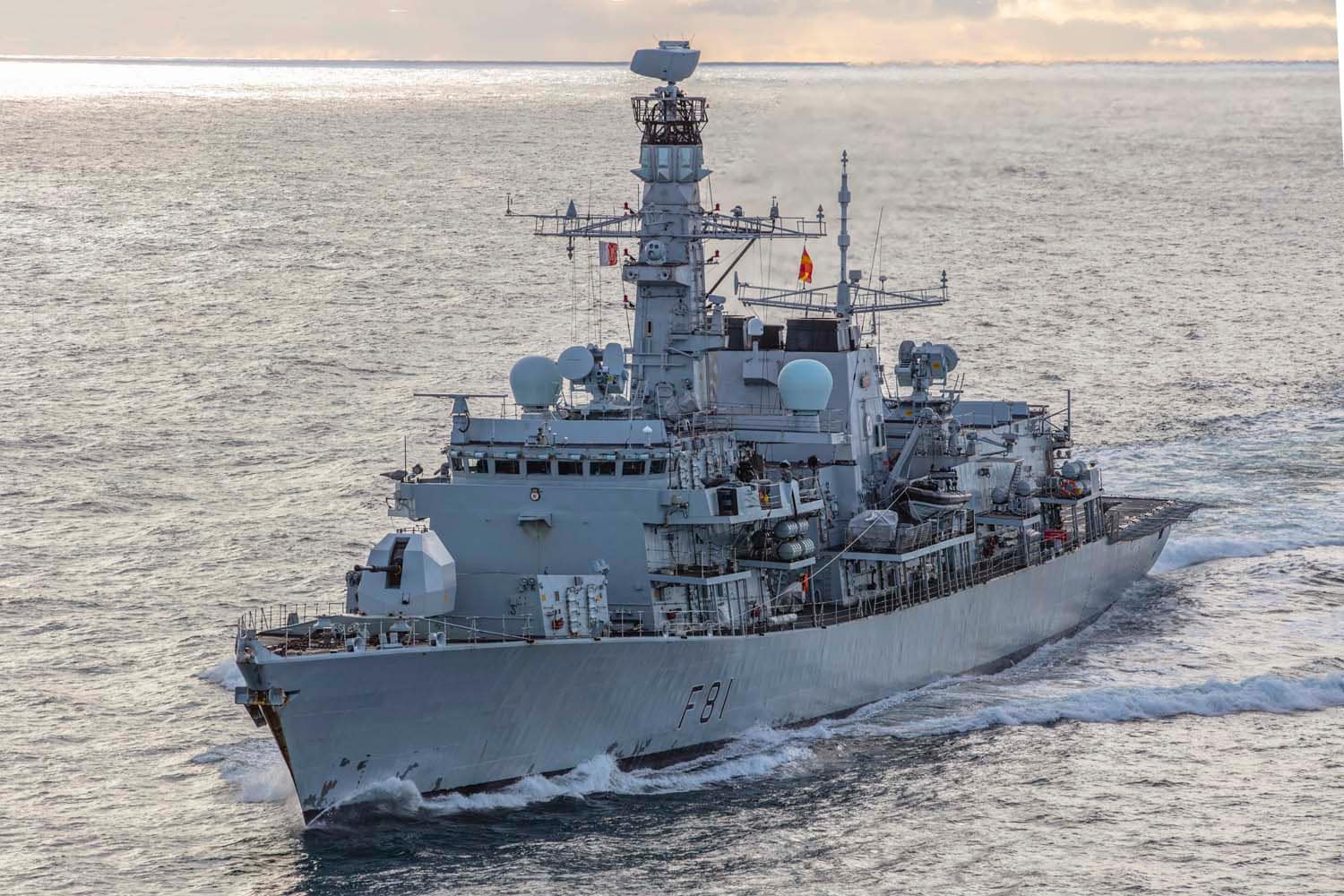
5 days agoPentagon criticises UK's 'big, bad Royal Navy' for 'refusing to get involved with Iran' - London Business News | Londonlovesbusiness.com
The US Secretary of War criticizes the UK for not deploying naval resources to the Strait of Hormuz amid rising tensions.
Russo-Ukrainian War
fromwww.businessinsider.com
4 days agoUkrainian troops showed 'greater tactical imagination' than Western trainers, British officer says, pointing to their ambush tactics
Ukrainian soldiers demonstrate greater tactical creativity and flexibility compared to their Western trainers, particularly in ambush tactics.
fromwww.theguardian.com
5 days agoMore drilling in North Sea not the answer' for UK energy security, say former military leaders
Attempting to eke out the remaining oil and gas from the North Sea was not the answer to the challenges facing the UK. It will not bring down the price for consumers, nor will it deliver long-term energy security. The international markets will determine the price and destination; that is not energy independence.
Environment

World news
fromLondon Business News | Londonlovesbusiness.com
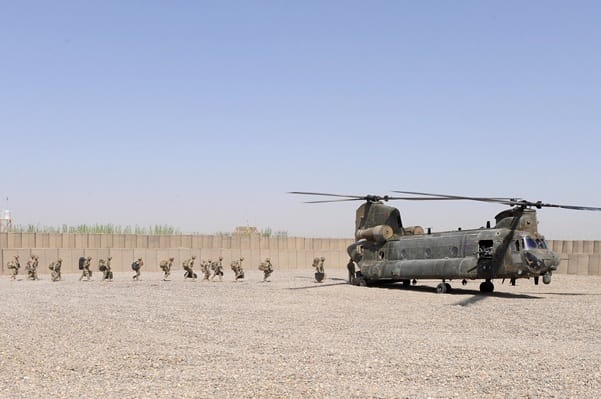
5 days agoBritish troops deployed to Middle East to bolster allies against Iranian attacks - London Business News | Londonlovesbusiness.com
The UK is deploying additional troops and advanced defense systems to the Middle East to enhance regional security and support allies against threats.
#russia
fromLondon Business News | Londonlovesbusiness.com
2 months agoWorld news
British forces told to prepare for the 'worst outcome' in Ukraine and ready for war with Russia - London Business News | Londonlovesbusiness.com
Russia has threatened that deployed British and French soldiers in Ukraine would be legitimate combat targets.
Russo-Ukrainian War
fromLondon Business News | Londonlovesbusiness.com
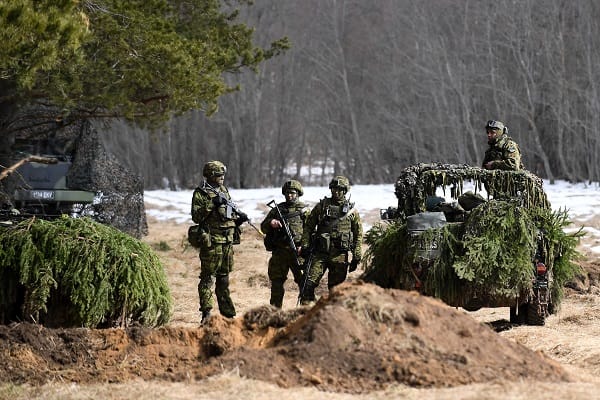
1 week agoHigh 'intensity battles' leaves more than 6,000 'soldiers killed and wounded' in four days - London Business News | Londonlovesbusiness.com
Russia suffered over 6,000 casualties in four days during intensified offensives against Ukraine, while Ukrainian forces maintained strong defensive positions.
London food
fromLondon Business News | Londonlovesbusiness.com
2 weeks agoMoD confirms RFA Lyme Bay is 'at heightened readiness as a precaution' in the Med - London Business News | Londonlovesbusiness.com
RFA Lyme Bay is deployed to the Eastern Mediterranean at heightened readiness to support maritime operations and respond to potential humanitarian or security needs in the region.
fromwww.independent.co.uk
3 weeks agoBritish troops in Iraq shoot down Iranian drones after base attacked
Bases in Erbil where UK and allied troops are stationed and Baghdad were struck a number of times on Wednesday night, according to Brigadier Guy Foden, in what is the third attack on British forces since the conflict began.
US news
France politics
fromwww.theguardian.com
3 weeks agoHMS Dragon will head to Cyprus in next couple of days, says defence secretary
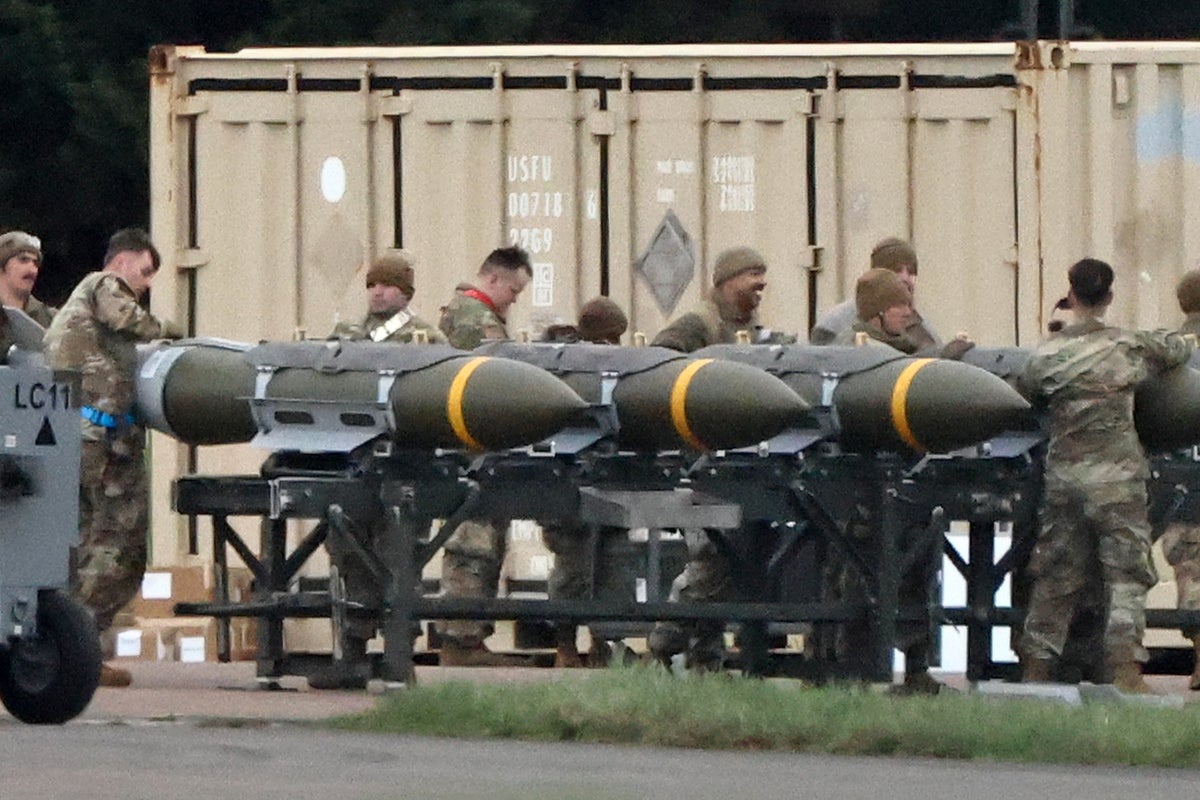
HMS Dragon will sail within days but may not reach the eastern Mediterranean until after the weekend due to preparation time, facing criticism for slower response compared to French, Greek, and Spanish deployments.

World politics
fromLondon Business News | Londonlovesbusiness.com
1 month agoFormer NATO commander fears the world is living through the outbreak of WWIII - London Business News | Londonlovesbusiness.com
Former NATO deputy commander warns current geopolitics represents the most perilous moment in his lifetime, with escalating Middle East tensions risking uncontrolled conflict involving nuclear-armed powers.
UK news
fromLondon Business News | Londonlovesbusiness.com
3 weeks agoUK prepares second naval ship for Mediterranean deployment - London Business News | Londonlovesbusiness.com
The UK is deploying HMS Dragon and RFA Lyme Bay to the Mediterranean in response to escalating Middle East tensions and NATO readiness requirements.
#british-army
UK politics
fromLondon Business News | Londonlovesbusiness.com
1 week agoStarmer warned the British Army is 'only strong enough' to take a little 'town' - London Business News | Londonlovesbusiness.com
The British Army's capabilities have diminished significantly, limiting operations to small-scale actions amid calls for increased defense funding.

UK politics
fromLondon Business News | Londonlovesbusiness.com
1 week agoStarmer warned the British Army is 'only strong enough' to take a little 'town' - London Business News | Londonlovesbusiness.com
The British Army's capabilities have diminished significantly, limiting operations to small-scale actions amid calls for increased defense funding.
World news
fromLondon Business News | Londonlovesbusiness.com
3 weeks agoRoyal Navy aircraft carrier may need allies to protect it - London Business News | Londonlovesbusiness.com
HMS Prince of Wales has been placed on five-day deployment alert for potential Middle East operations amid escalating regional tensions, though the Royal Navy faces challenges assembling a full carrier strike group without allied support.
fromLondon Business News | Londonlovesbusiness.com
4 weeks agoBritain 'ill-prepared' for Iran crisis armed forces chief warns - London Business News | Londonlovesbusiness.com
For several weeks now, we've been bolstering our presence and the forces in the [region]—this statement from Chief of the Defence Staff Sir Richard Knighton reflects the military's acknowledgment of preparedness efforts, yet the sudden escalation demonstrated gaps in readiness despite these ongoing measures to strengthen British military capabilities in the Middle East.
World news
UK politics
fromwww.theguardian.com
2 weeks agoIn a dangerous world, Britain needs its diplomats more than ever this is no time to axe them | John Kampfner
British diplomacy faces unprecedented challenges from Brexit, Trump's policies, and the absence of a coherent strategy for Britain's global role, undermining traditional sources of influence.


.png?trim=0,0,0,0&width=1200&height=800&crop=1200:800)
Miscellaneous
fromLondon Business News | Londonlovesbusiness.com
2 months agoGovernment warned UK 'can't win wars' with a small army - London Business News | Londonlovesbusiness.com
Unemployed graduates would be targeted for military conscription while defence-industry workers could be exempt or conscripted into industrial roles during a major war.
UK politics
fromLondon Business News | Londonlovesbusiness.com
2 weeks agoMilitary chiefs blast No. 10 for being 'determined to downplay any risk' amid Iran war - London Business News | Londonlovesbusiness.com
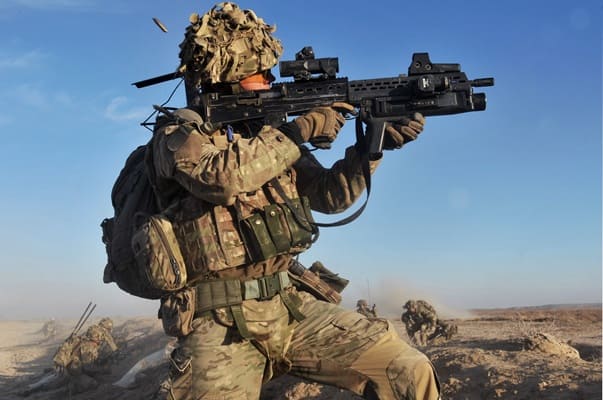
Britain delayed military support to Gulf allies due to government caution about domestic criticism, arriving late to the escalating Middle East conflict.
Miscellaneous
fromLondon Business News | Londonlovesbusiness.com
2 months agoNATO chief warns UK 'under attack' and 'the public doesn't yet know' - London Business News | Londonlovesbusiness.com
The UK faces heightened vulnerability from external threats including cyber attacks, assassinations, and sabotage, and cannot rely fully on the US to guarantee its defense.
fromLondon Business News | Londonlovesbusiness.com
1 month agoUK defence posture under scrutiny as Gulf allies express concern over Middle East response - London Business News | Londonlovesbusiness.com
There was a feeling that the prime minister had to be dragged there. It obviously reflects badly in the eyes of the Gulf Cooperation Council. This response has caused unease among strategic partners, with some officials voicing concerns that London was slow to commit military assets and lacked visible presence following drone and missile activity affecting the eastern Mediterranean.
UK politics
UK politics
fromLondon Business News | Londonlovesbusiness.com
1 month agoUK risks strategic isolation as European allies send warships to Cyprus - London Business News | Londonlovesbusiness.com
Continental European powers are coordinating military strategies in the eastern Mediterranean while the UK faces criticism for slower, less visible strategic responses to Middle East crises.
Miscellaneous
fromLondon Business News | Londonlovesbusiness.com
1 month agoBritish troops to head to the Arctic in preparation for war with Russia - London Business News | Londonlovesbusiness.com
The UK will double troop presence at Norway's Camp Viking to 2,000 and join NATO's Arctic Sentry to deter Russian activity in the High North.
fromwww.theguardian.com
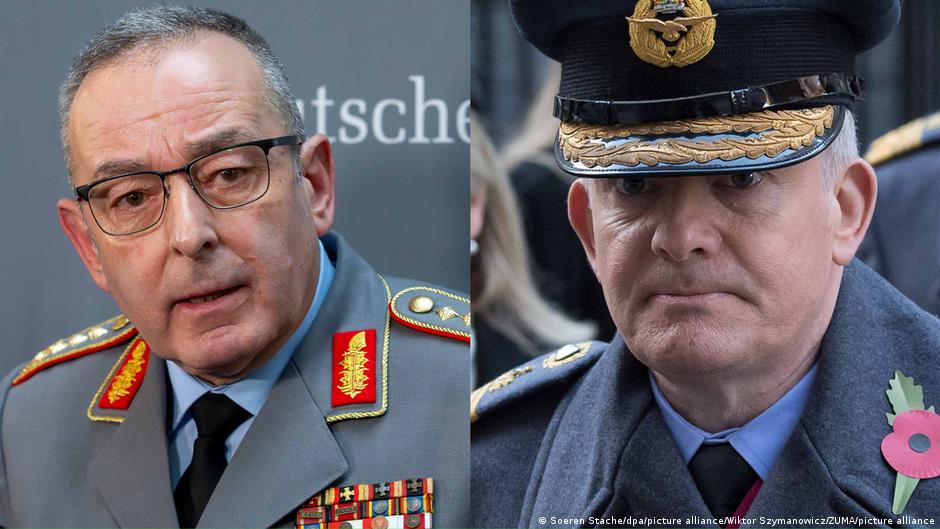
1 month agoAs defence chiefs, we warn you today about Russia, and say this rearmament is not warmongering | Richard Knighton and Carsten Breuer
Through the early years of our careers, Europe was emerging from the shadow of the cold war. Governments of all political colours chose to take what was known as the peace dividend investing in public services and reducing spending on defence. That was an understandable choice at the time. Now it's clear that the threats we face demand a step change in our defence and security.
Miscellaneous
UK politics
fromwww.mediaite.com
1 month agoTrump Lashes Out at Key Ally Great Britain for Blocking Use of Airbases for Iran Strikes
Trump criticized British Prime Minister Starmer for delaying approval of U.S. military base use for strikes against Iran and for the proposed Chagos Islands sovereignty transfer to Mauritius.
fromBusiness Insider
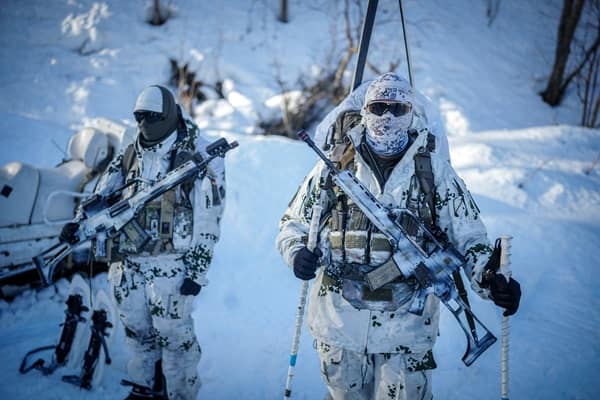
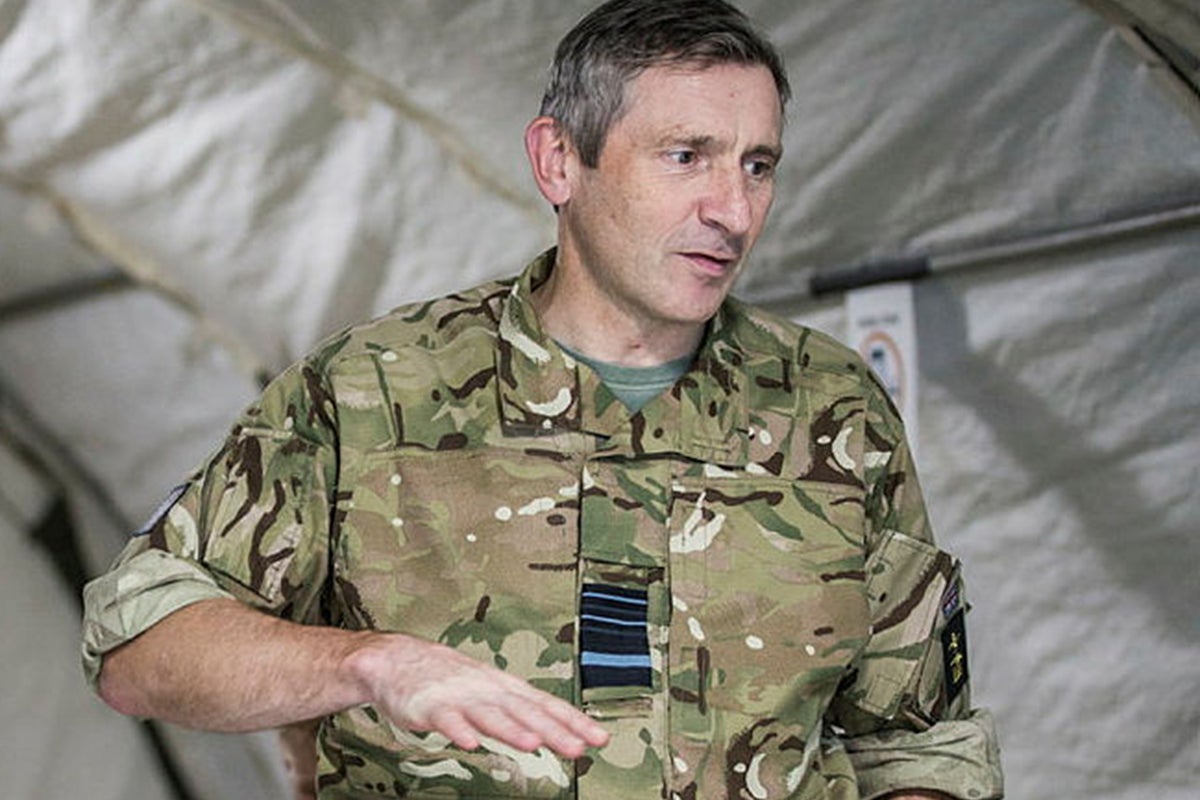
2 months agoInfantry will still be fighting in muddy holes even as drones change war, British officer says
"To me, it feels like 80% of the job of an infantryman is exactly the same and probably exactly the same as it was in a Napoleonic era," he said. "You need to be fit. You need to be strong and robust. You need to be able to survive in the field. You need to be able to dig a hole."
UK news
fromLondon Business News | Londonlovesbusiness.com
1 month agoMilitary chiefs blast Starmer on defence strategy failures - London Business News | Londonlovesbusiness.com
The Prime Minister has been told he is making Britain look "unreliable and weak" after reportedly denying US forces access to British bases. This move could impact potential strikes on Iran and influence international perceptions. Military leaders' warning about the decision underscores the seriousness of the situation, encouraging the audience to recognise the importance of strong defence policies for national safety.
UK politics


fromwww.bbc.com
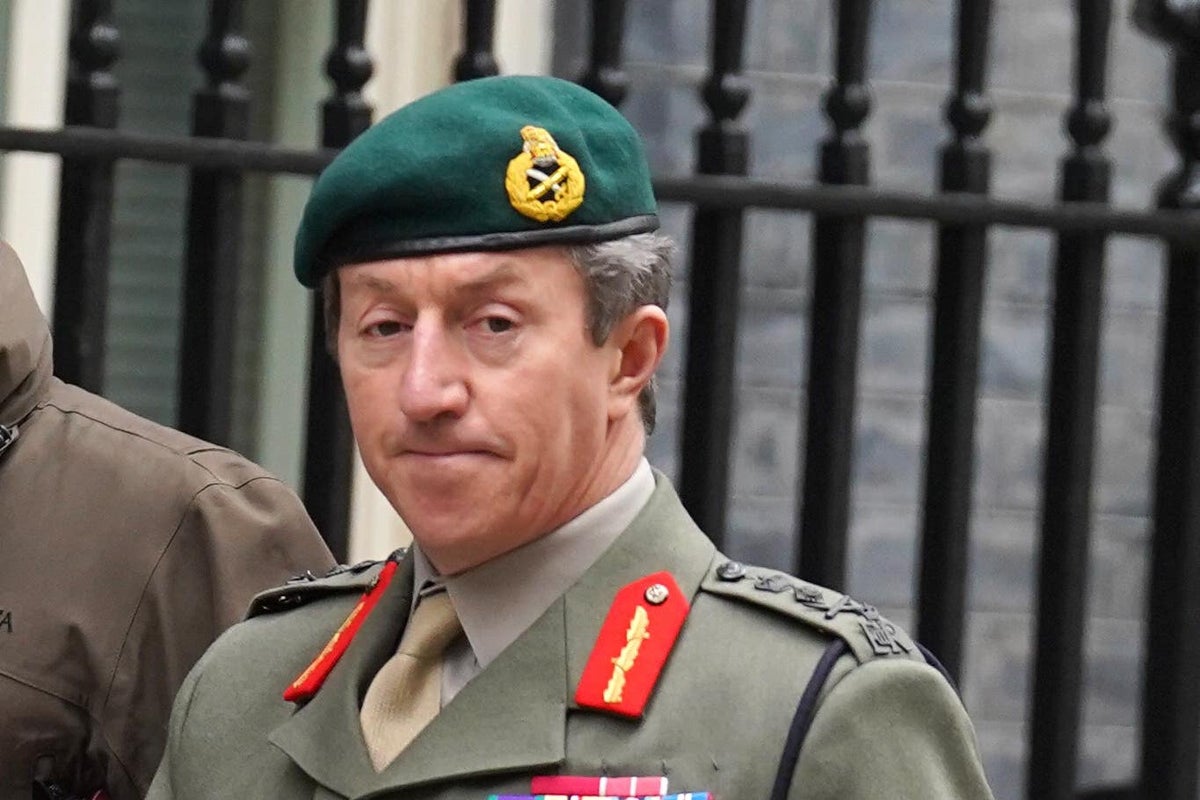
2 months agoUK not as ready as we need to be for conflict, says Army chief
PA Media Army chief Sir Richard Knighton has said the UK is "not as ready as we need to be for the kind of full-scale conflict we might face", as he avoided questions about a reported shortfall in the government's defence spending plans. Last week, The Times and The Sun reported that the Ministry of Defence believes it will need an additional 28bn to meet its costs over the next four years, prompting a rewrite of the government's defence investment plan. The plan was due in the autumn of last year but has been delayed. Speaking to the parliamentary Defence Committee, Sir Richard said he could not provide a date for publication but added that the department was "working flat out" on it.
UK politics
fromLondon Business News | Londonlovesbusiness.com
2 months agoSir Ben Wallace warns the British Army 'would be very stretched' to operate in Ukraine - London Business News | Londonlovesbusiness.com
The current Government is about to take a billion pounds out of the Army this year, so I don't think we can sustain it and actually no one is fooled by it. We would be very stretched. We have a deployment in Estonia. We need to spend real money now, not in 2029, not in 2030, 2040. The OBR itself said that the British Government had not set out a path to 3.5% of GDP by 2035.
UK politics
fromLondon Business News | Londonlovesbusiness.com
1 month agoStarmer flexes UK's muscles and is to deploy warships to Arctic - London Business News | Londonlovesbusiness.com
The Arctic is strategically vital - packed with shipping lanes and untapped resources. Britain is sending a clear warning to Moscow and rivals: stay out or face serious consequences. The warships will exercise with NATO partners, boosting readiness and deterrence against any threats. Analysts say this raises the stakes in Arctic geopolitics and proves Britain can project power far from home waters.
UK politics
[ Load more ]