#adriana-de-moura
#adriana-de-moura
[ follow ]

fromJuxtapoz
5 days agoJuxtapoz Magazine - Last Days to See Kate Meissner's New Paintings @ Lyles & King's Project Space, NYC
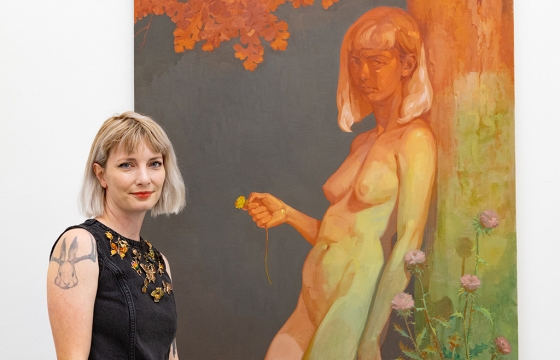
"These works are an exploration of the human body's elasticity and capacity to metamorphose. Informed by my own experience of pregnancy and the birth of my first child last year, these paintings are a meditation on physiological transformation and the body's underlying animalistic and mammalian nature."
Arts
Portland
fromOregon ArtsWatch * Arts & Culture News
3 weeks agoImperfecta and Daria Loi's many reinventions * Oregon ArtsWatch
Imperfecta, a multifunctional space in Portland, blends gallery, community center, and installation venue, reflecting owner Daria Loi's philosophy of participatory design and interactive exploration.
#art

Arts
fromIrish Independent
4 days ago'You have to step in and experience it' - artists on the rise of AI-generated art and the 'essential' gallery visit
Miriam Fitzgerald Juskova's exhibit combines paper quilling with mathematics, showcasing intricate art that engages viewers and emphasizes the value of handmade creations.

Arts
fromwww.amny.com
2 weeks agoA Living Canvas: Adrian K and the alchemy of art, appetite, and atmosphere at Pinky Swear | amNewYork
Adrian K's three-month residency at Pinky Swear merges art with social participation, using reclaimed materials to create work that balances ethereal beauty with urgent activism and circular economy principles.

Arts
fromdesignboom | architecture & design magazine
2 weeks agopaola pivi imagines a living cosmos grown from lemon trees at perrotin paris exhibition
Paola Pivi's Live Again exhibition uses living lemon tree branches and playful language to create regenerative art that embeds ecological cycles and political critique into sculptural forms.
fromArtnet News
2 weeks agoVeronica Fernandez Builds an Uneasy Monument to Childhood Imagination
There's this push and pull between feeling unease and discomfort, the nature of the spaces, and why they feel uncomfortable. But there is also tenderness and warmth, people adapting to these spaces and finding ways to make them comfortable.
Arts
fromdesign-milk.com
1 month agoMarcela Cure Reimagines Miami Living Through Material Restraint
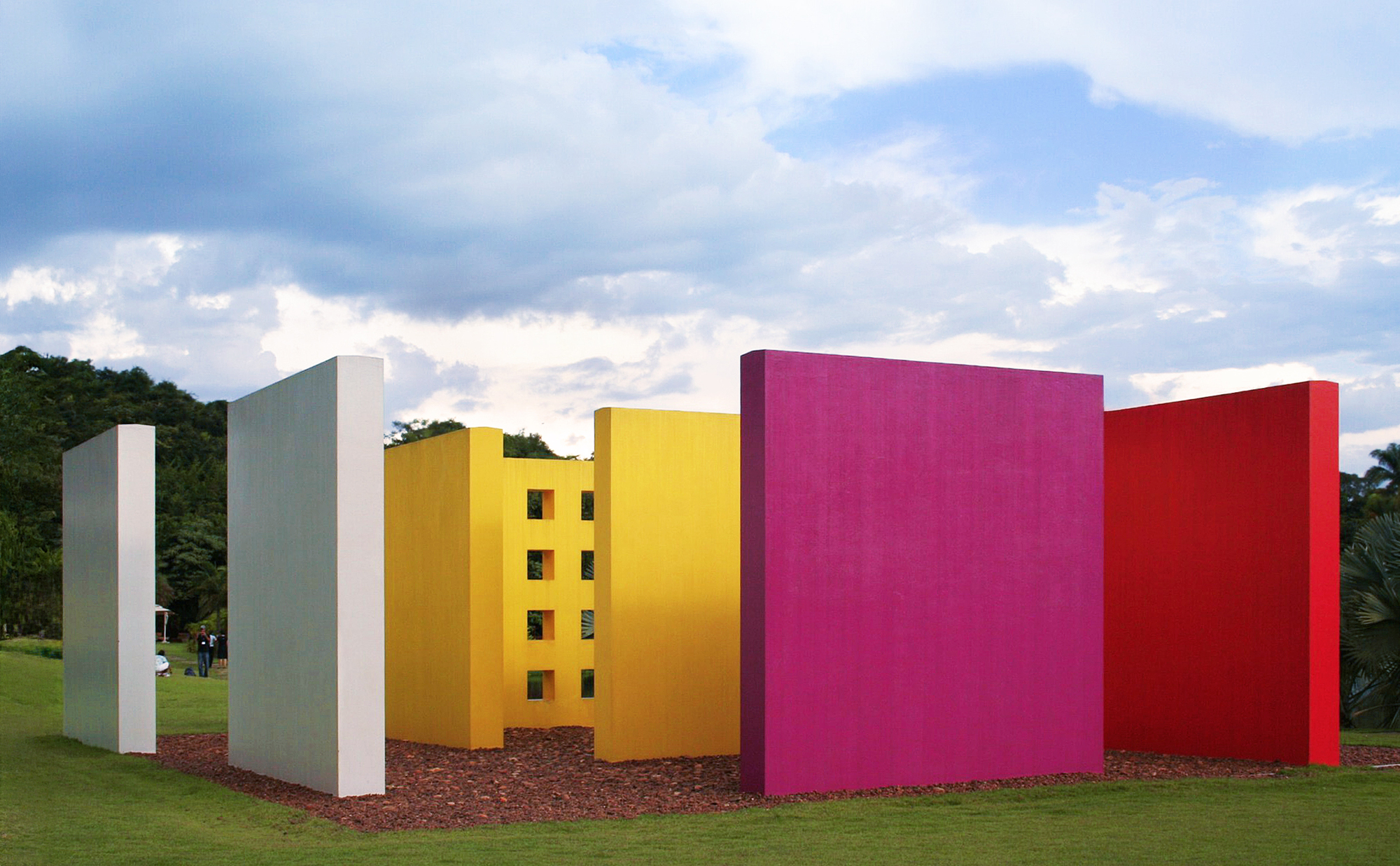
Bathed in natural light and nestled within the leafy calm of Pinecrest, this 6,000-square-foot Miami residence designed by Marcela Cure offers a counterpoint to the city's louder design cliches. Rather than leaning into high-gloss exuberance or overt tropical motifs, Cure composed an interior rooted in softness where material nuance, tactile restraint, and quiet warmth redefine what a Miami home can feel like.
Remodel

fromBoard Game Quest
1 month agoSand Art Review
Sand Art is a game by Kory Jordan and published by 25th Century Games for two to four players ages 10 and up. It takes about an hour to play, and has you collecting resources and then coloring in a bottle, making art in a bottle out of sand, in case the name didn't give away the plot. Gameplay Overview: Sand Art has you gathering and mixing sand, which is used to fill your bottle.
Board games
fromArtnet News
3 weeks agoMarina Abramovic Is the Unlikely Star of the New Balloon Museum
As a child, I imagined a place far behind our own sky. A planet with its own weather, its own atmosphere, its own logic entirely. It was my own version of science fiction. How did it feel on this planet? Was it snowy, windy, or could you sense the first green breath of spring-I called it Planet Z.
Arts
fromHyperallergic
3 weeks agoEmbracing Friction in the Art World
On Franklin Street in Brooklyn's Greenpoint neighborhood, one non-commercial gallery fosters 'a small, stubbornly human space for friction.' Friction—the ubiquitous buzzword that captures the simultaneous delight and discomfort of doing things the slow way—is at the heart of artists Pap Souleye Fall and Char Jeré's current show at Subtitled NYC. It also reflects the overall spirit of this little exhibition space and of a burgeoning movement to reject our culture of optimization in favor of a bumpier, more intimate, less alienating experience.
Arts
fromDesign Milk
1 month agoInside Lee Broom's Latin American Exhibition at Diez Company
Now, he celebrates his first major presentation in Latin America, in congruence with Mexico City Art Week 2026 and ZSONAMACO, showcasing on an ideal stage inside one of the city's most architecturally layered interiors. Titled The Resident, the site-responsive installation, created during a residency at the Diez Company house, transforms the historic showroom into an immersive tableau where more than 50 works negotiate the boundaries between collectible design, contemporary art, and spatial theater.
Design
#mixed-media-painting
Arts
fromJuxtapoz
3 weeks agoJuxtapoz Magazine - Melissa Brown "Window Shopping" @ Derek Eller Gallery, NYC
Melissa Brown creates mixed-media paintings of New York City store windows, combining screen-printed photographs with impasto and airbrush techniques to explore sites of commerce, longing, and urban fantasy.

Arts
fromJuxtapoz
1 month agoJuxtapoz Magazine - Rise above it: John Rivas @ Francois Ghebaly New York
Salvadoran-American artist John Rivas expands his mixed-media practice into hand-carved wooden sculpture, exploring cultural identity, family labor, and personal memory through material resourcefulness and collaborative processes.
Arts
fromThe Art Newspaper - International art news and events
1 month agoArco Madrid's 45th edition benefits from influx of Latin Americans to the 'new Miami'
Arco Madrid's 45th edition features 206 galleries amid Spanish galleries' protest against Europe's highest 21% VAT on art, which undermines international competitiveness.
Arts
fromMiami Herald
1 month agoCarlos Alfonzo and Belkis Ayon Unite in 'Odyssey' at Freedom Tower
Two significant 20th-century Cuban artists, Carlos Alfonzo and Belkis Ayón, are exhibited together for the first time at Freedom Tower, revealing shared interests in mythology and artistic influences despite their stylistic differences.
fromThe Art Newspaper - International art news and events
1 month ago'If a work is meant to be mine, there's always time': Mashonda Tifrere on the art she collects and why
While taking a break from her musical career, Tifrere founded the nonprofit organisations ArtLeadHER and Art Genesis in 2016. ArtLeadHER provides visual-arts education and exhibition opportunities to women and teenage girls, while Art Genesis helps organise shows for emerging and underrepresented artists.
Arts


Arts
fromThe Art Newspaper - International art news and events
1 month agoMore than 600 works by Afro-Brazilian artists returned to Brazil
A voluntary repatriation returned 666 Afro-Brazilian works from Detroit to Muncab in Salvador, marking Brazil's largest cultural repatriation and a symbolic act of reparation.
fromArtnet News
1 month agoHow Wifredo Lam Made Surrealism More Surreal Than the Surrealists | Artnet News
An exhibition of Wifredo Lam is about as safe a bet as the Museum of Modern Art can place and still plausibly say that it's a bet on expanding the canon. The Cuban artist is one of the most famous painters of the 20th century, featured in almost every single key show about Surrealism. MoMA acquired his famous painting The Jungle in 1946, a few years after he made it.
Arts
fromColossal
2 months agoRegina Silveira Pieces Together an Evolving Narrative of Latin America
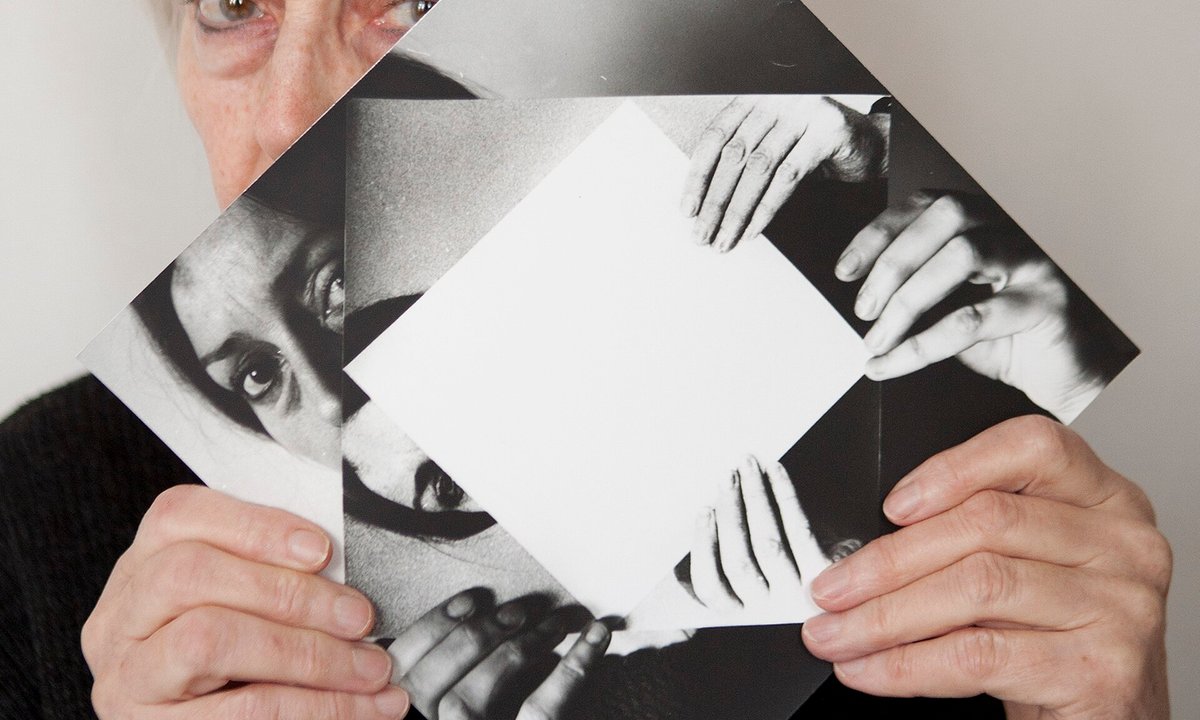
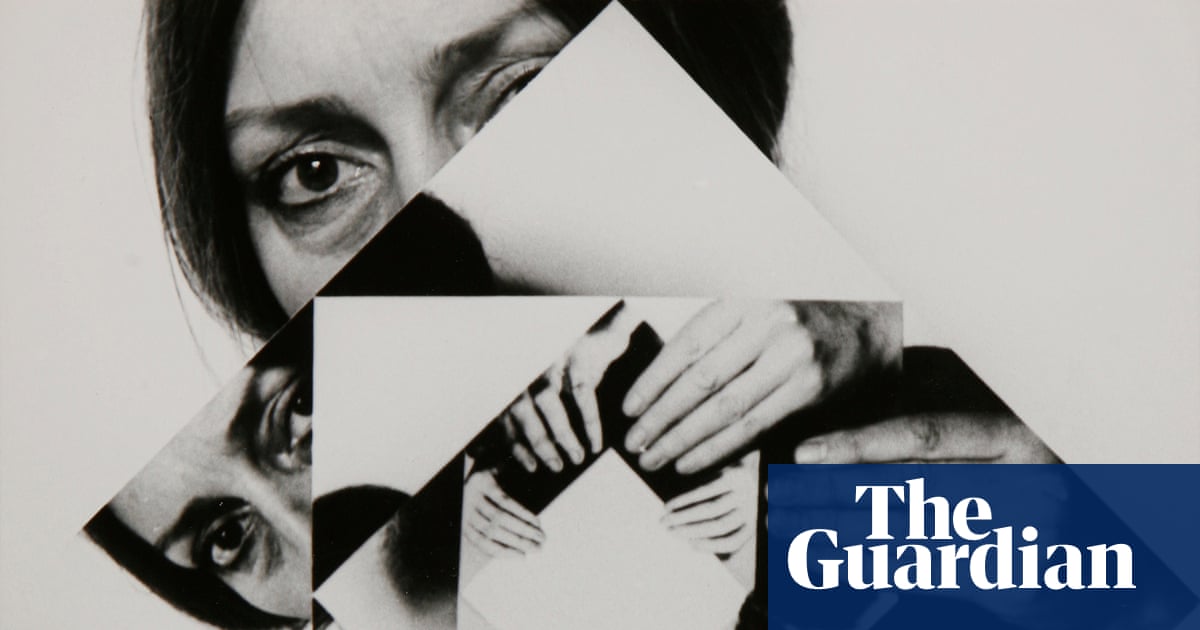
Regina Silveira has spent the better part of three decades considering the relationship between media and meaning, particularly as it relates to Latin America. First presented in 1997, "To Be Continued..." features 100 black-and-white reproductions of photos, newspaper clippings, propaganda, advertisements, and more. Silveira nests each image into an oversized puzzle piece, which cuts off faces and scenes to leave fragments of pop culture icons, flora and fauna, and even the occasional mugshot spliced next to one another.
Arts
fromHyperallergic
2 months agoArt Movements: Pineapples, Coconuts, and More Art Awards
If, like me, you'd rather be in Puerto Rico slathering mashed banana on your semi-nude body than braving the forthcoming cold front in New York City, just know you're not alone. "TROPICALIZE ME!" (2025), pictured above, was performed by Matthieu Laurette at the 3rd Gran Bienal Tropical in December, where the artist took home one of five "Golden Coconuts" along with Poncili Creación, Ángela María Domínguez, Miguel González, and Aldo Álvarez Tostado.
Arts
fromwww.amny.com
2 months agoDreams full of voltage: Karina Lumiere's abstract works electrify the art scene amNewYork
Karina Lumiere paints like someone who trusts color more than language. Her work does not whisper its intentions. It glows, pulses, seduces. This is abstraction born not from theory, but from devotiondevotion to intuition, to sensation, to the unapologetic power of hue as an emotional instrument. Her path to abstract expressionism was never academic. It unfolded in solitude, shaped by meditation and spiritual practice, where listening became more important than learning and presence eclipsed instruction.
Arts
fromArtforum
2 months agoMiami's Crisis of Memory: Eddie Arroyo's December 3, 2024, 7:10 am Design District, 2025
This is the site of the Florida state historical marker commemorating Arthur Lee McDuffie, a Black insurance broker and former US Marine whose 1979 beating death at the hands of Miami police ignited one of the most consequential uprisings in the city's history. A plaque unveiled in February 2024 at the site of his attack finally acknowledged the violence that fractured McDuffie's skull and the community-wide outrage that followed.
Arts
fromJuxtapoz
1 month agoJuxtapoz Magazine - Zigzags and Curves: Sarah Crowner @ Galerie Nordenhake Mexico City
Galerie Nordenhake Mexico City is pleased to present Zigzags and Curves, an exhibition by Sarah Crowner that brings together her sustained research into geometry, abstraction, and the expanded language of painting. Presented across two sites - the gallery's Mexico City space and Casa Roja in Lomas de Chapultepec-the exhibition takes its title from the fundamental graphic elements that structure Crowner's visual vocabulary: the zigzag and the curve.
Arts
fromThe Art Newspaper - International art news and events
1 month agoAt Mexico City's Material and Salon Acme fairs, artists find hope in nature
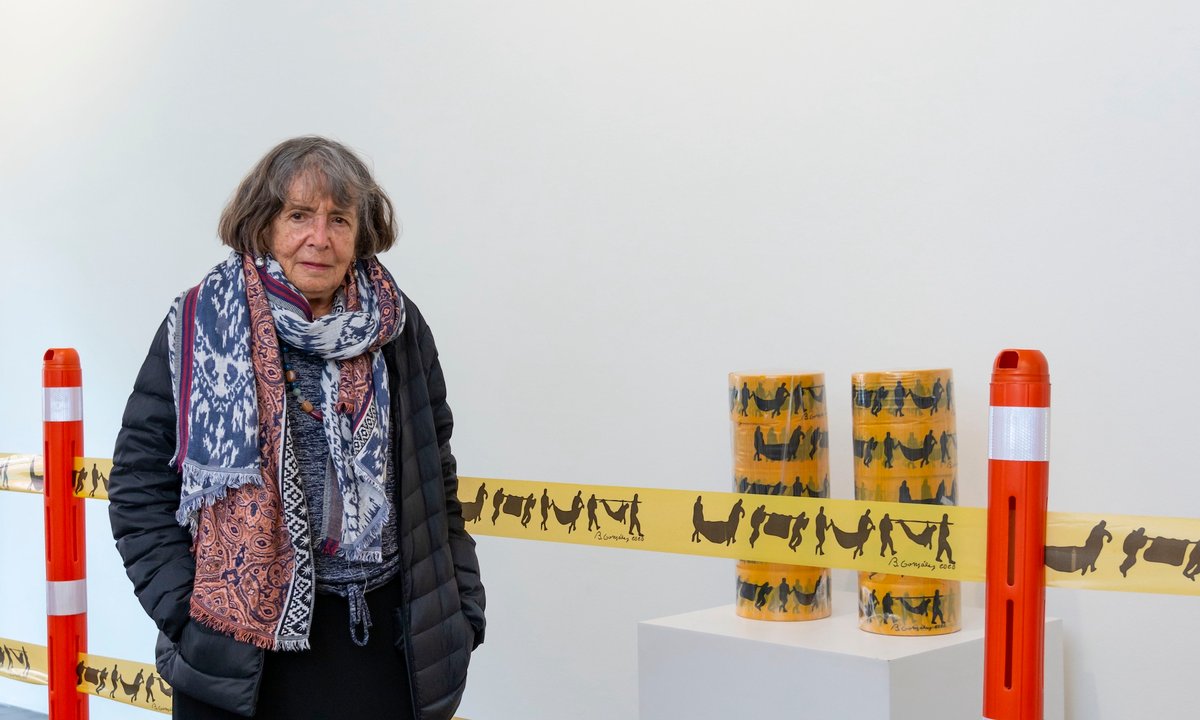
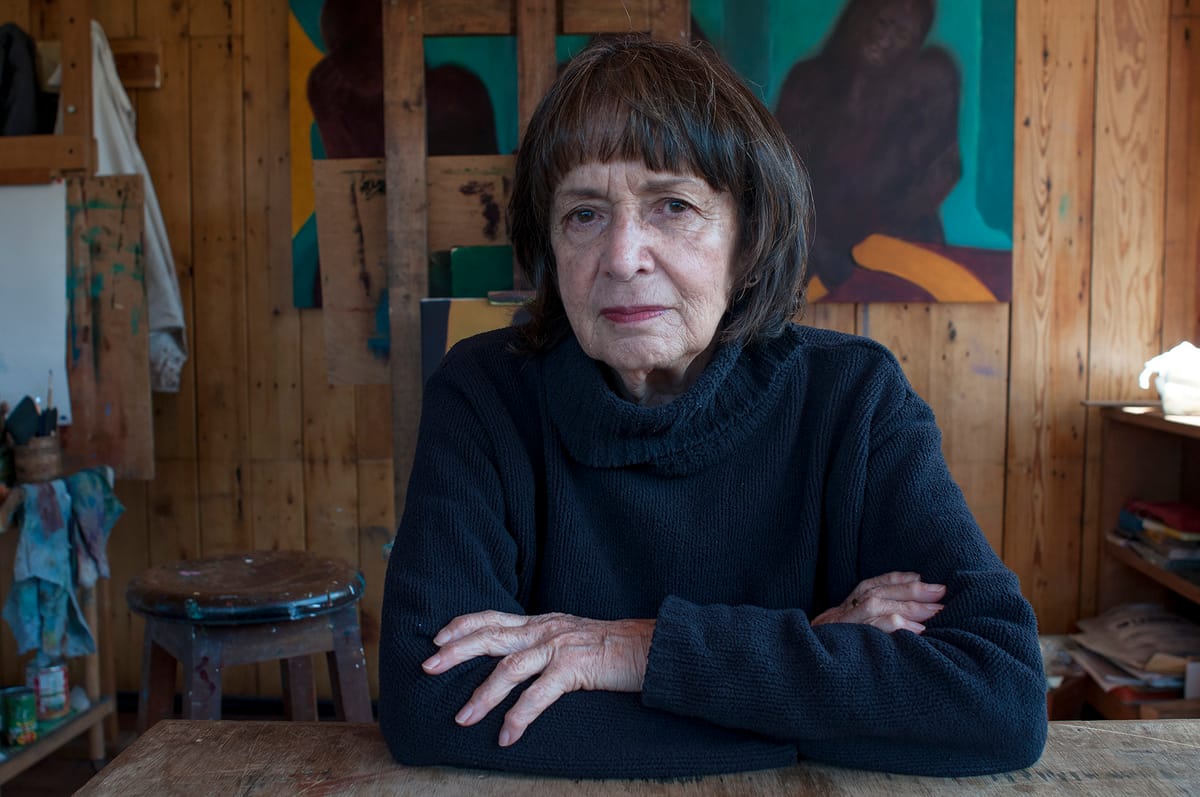
"The new venue has allowed us to develop the experience of the fair-it lends itself to being more of a destination," Brett W. Schultz, the co-founder and director of Material, tells The Art Newspaper. The fair features over 70 exhibitors this year, with an especially strong contingent of Mexico City galleries that, like Material, have been around for a little over a decade.
Arts

fromCurbed
2 months agoThe Cuban House of Spirits
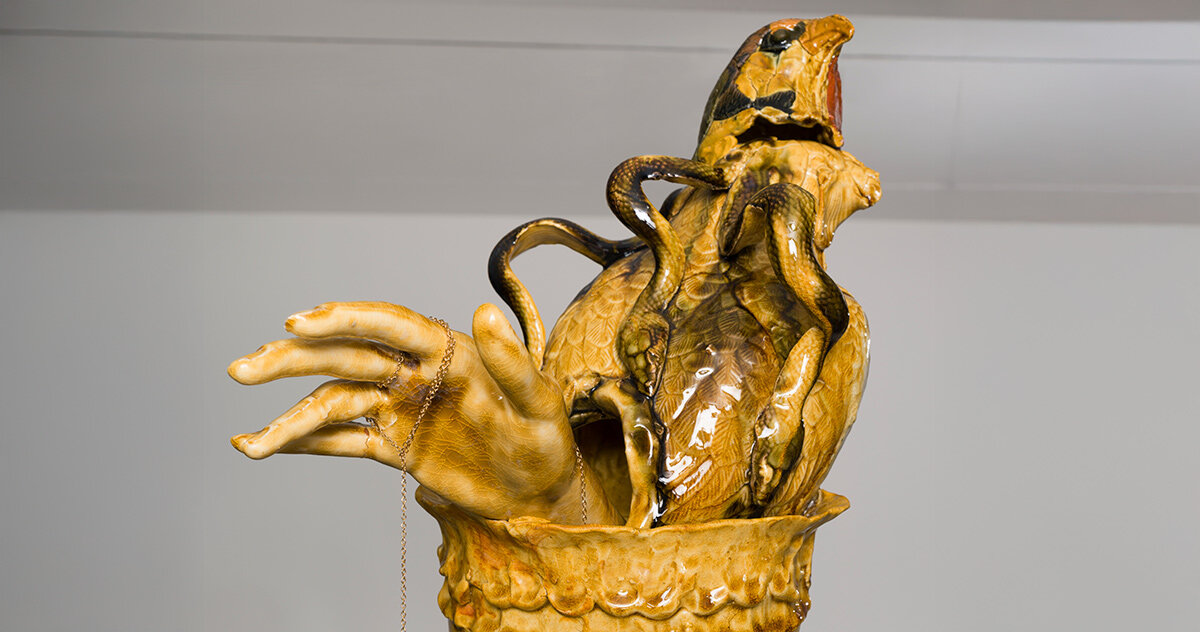
The artists José Parlá and Claudia Hilda, his wife, live in a former fire station in Fort Greene surrounded by memories of Cuba, which Parlá's ­family fled in 1970 and where ­Hilda lived until recently. "There's a lot of magical realism here, a big mix of Cuban traditions and religion," says Parlá, pointing to an icon of la Caridad del Cobre, the island's patron saint, in the kitchen. "We cannot move her!"
Arts
fromHyperallergic
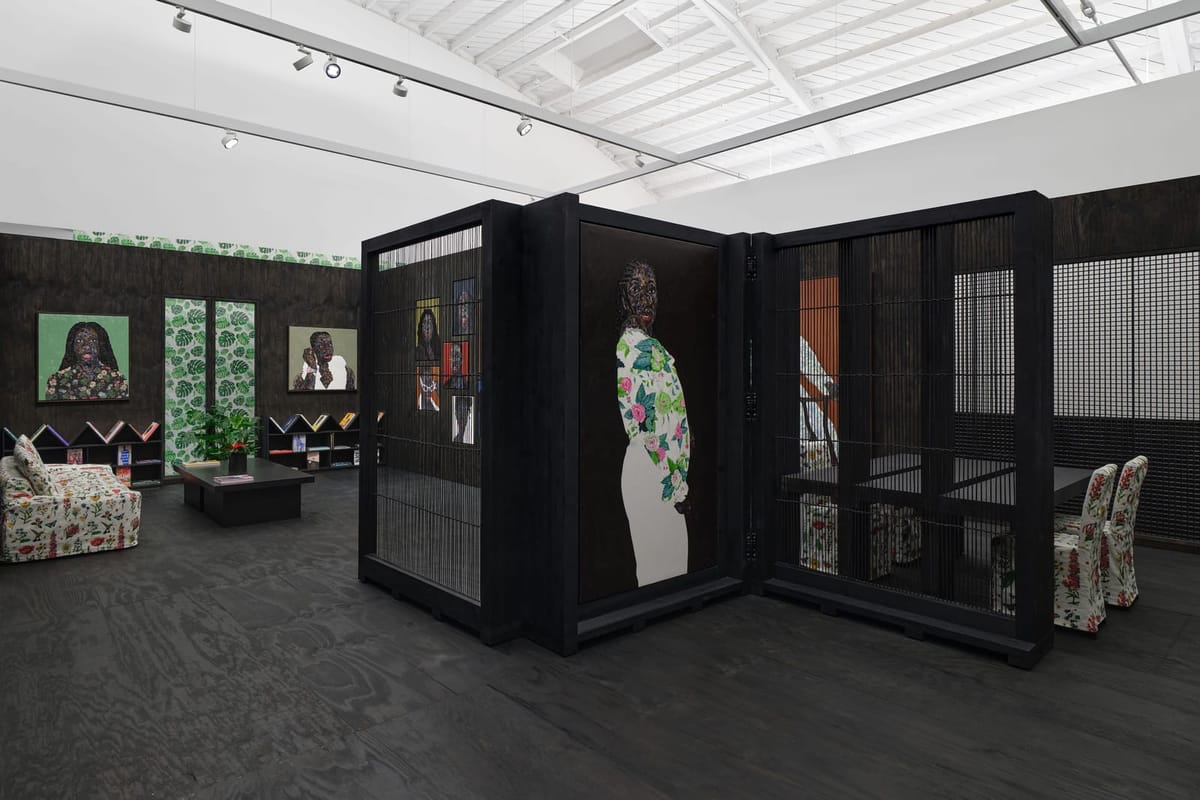
1 month agoAmy Sherald's Show Sets Visitor Record at Baltimore Museum of Art
According to a BMA spokesperson reached by Hyperallergic, attendance stood at 63,000 as of Monday, February 9, and is expected to peak at 75,000 by the time the show closes on April 5. That makes Sherald's mid-career survey the museum's most-attended show since 2000 - a remarkable feat considering that the BMA was not an original destination on American Sublime's itinerary.
Arts
fromCurbed
2 months agoThe Cuban House of Spirits
The artists José Parlá and Claudia Hilda, his wife, live in a former fire station in Fort Greene surrounded by memories of Cuba, which Parlá's family fled in 1970 and where Hilda lived until recently. "There's a lot of magical realism here, a big mix of Cuban traditions and religion," says Parlá, pointing to an icon of la Caridad del Cobre, the island's patron saint, in the kitchen. "We cannot move her!"
Arts
[ Load more ]