#african-american-musicians
#african-american-musicians
[ follow ]
#civil-rights #music-industry #jay-z #kendrick-lamar #black-history-month #grammy-awards #bad-bunny #legacy #grammys
fromwww.theguardian.com
1 week agoBlack music is not a subculture it is the engine': Why the Mobo awards matter more than ever, 30 years on
Kanya King stated, 'Black music shapes what we listen to, how we speak, how we dress, how we tell our stories and I guess it's defined as Britain's cultural identity but structurally and institutionally is still often treated as m.'
London music
fromPinkNews | Latest lesbian, gay, bi and trans news | LGBTQ+ news
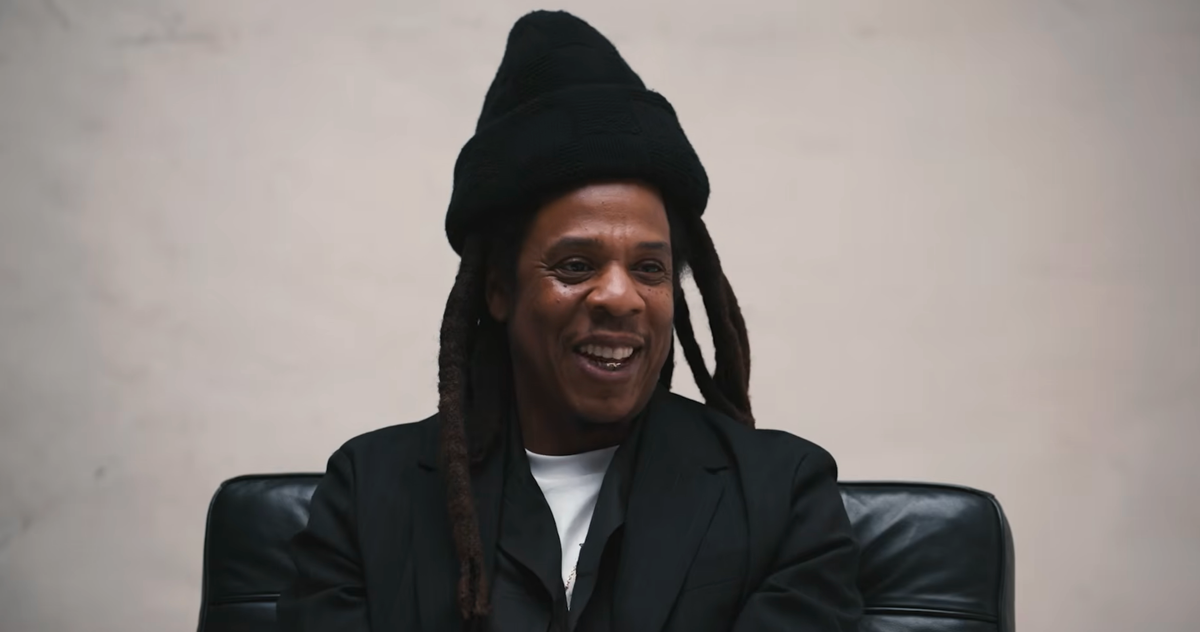
1 week agoChaka Khan: Popstars Shake Butts to Compensate for Vocals
Chaka Khan criticized modern female popstars for 'doing any and every damn thing on stage' while trying to sing, suggesting they are compensating for vocal weaknesses.
Women

Music
fromwww.theguardian.com
1 week agoA broken heart can turn somebody into a bad Casanova': breakout R&B star Leon Thomas on defiance, D'Angelo and his doggie' persona
Leon Thomas is gaining recognition in R&B, collaborating with legends and performing at major events like Coachella and the Rock and Roll Hall of Fame tribute.
Silicon Valley food
fromTasting Table
3 weeks agoRay Charles Reportedly Said The Best Chicken-Fried Steak Came From This Now-Struggling Chain Restaurant - Tasting Table
Ray Charles demanded chicken-fried steak during a concert intermission, and a manager obtained it from Denny's, which Charles praised as the best he ever had.
fromwww.theguardian.com
3 weeks agoAct Black: posters of Black Americans on stage and screen in pictures
Many of these posters are the only surviving proof of certain shows, with no recordings of plays, and certain films, having been lost over time. They offer a history of Black Americans trying to counter harmful stereotypes and provide vital and humanizing contributions to a growing Black culture.
Arts
London music
fromwww.bbc.com
4 weeks ago'Godmother of rock and roll' inspires young pianist
Sister Rosetta Tharpe, a pioneering gospel and blues guitarist, profoundly influenced rock and roll legends but remains largely unknown to the public, with her story now being told through a West End play starring Beverley Knight.
fromwww.theguardian.com
1 month agoBlack History Month was never given' to Black people, thus, it can never be taken from us
If you know anything about the basic origins of Black History Month then you know that we weren't given' anything. The question of who owns and authorizes Black History Month holds particular relevance now, in its centennial year, and at a time when efforts to celebrate, preserve, and acknowledge Black people's past in this country are under attack.
History
Social justice
fromNonprofit Quarterly | Civic News. Empowering Nonprofits. Advancing Justice.
1 month agoBlack History Is Economic History: A Charge Toward Black Futures | Nonprofit Quarterly | Civic News. Empowering Nonprofits. Advancing Justice.
American prosperity was built on racialized capitalism through slavery and systematic exclusion, creating a persistent racial wealth divide that continues to deny Black communities economic opportunity and democratic participation.
fromPitchfork
1 month agoBob Power, Prolific Engineer Behind Hip-Hop Classics, Dies at 73
In a way, it was the Sgt. Pepper's of hip-hop. It's a record that changed the way that people thought about putting music together. I'm not a big hip-hop historian; I just know the stuff that I worked on.
Music production

fromKqed
3 weeks agoHow the Blues Brought Raphael Saadiq to the Oscars
Well, I don't think with blues I could get around it. It was in my house since I can remember, you know. My mother's from Monroe, Louisiana. My dad is from somewhere in Texas. And between the both of them, it was a lot of blues in the house. I had a stepdad, too, who was even more into blues. So I couldn't get away from it. And I loved it from the first time I heard it.
Music
fromLGBTQ Nation
1 month agoThese oft-overlooked icons show why Black queer history still matters (now more than ever) - LGBTQ Nation
Black History Month is a time to acknowledge and celebrate the achievements and courageous acts of people of African descent in the United States and around the world. This year, Black History month celebrates its 100th anniversary. And yet, Black History Month has failed to fully acknowledge or celebrate the contributions of Black LGBTQ+ people. Just as Pride Month remains overwhelmingly white in its representation, Black History Month continues to be deeply homophobic in its omissions.
LGBT
fromThe Atlantic
1 month agoThe Trump Administration Can't Kill Black History Month
She remembers walking with her big brothers down a sidewalk fractured by the roots of old oak trees while children played hopscotch on the playground. She remembers going outside and clapping erasers together so that plumes of chalk dust rose above her head. And she remembers being told that she was attending a school that many white parents had taken their children out of just a few years earlier because they didn't want them sitting in class with Negroes.
History
fromHigh Country News
1 month agoHow community organizers are amplifying Oregon's Black music history - High Country News
When Norman Sylvester was 12, long before he garnered the nickname "The Boogie Cat" or shared a stage with B.B. King, he boarded a train in Louisiana and headed west, toward the distant city of Portland, Oregon. He'd lived all his life in the rural South, eating wild muscadine grapes from his family's farm, fishing in the bayou and churning butter at the kitchen table to the tune of his grandmother's gospel singing.
Social justice
Music
fromBlavity News & Entertainment
1 month agoHBCUs Celebrate Michael Jackson's Legacy In New 'Michael' Black History Performances - Blavity
Three HBCUs performed distinct interpretations of Michael Jackson's 'Don't Stop 'til You Get Enough' for Lionsgate's Black History Month celebration honoring Jackson's cultural influence.
fromJezebel
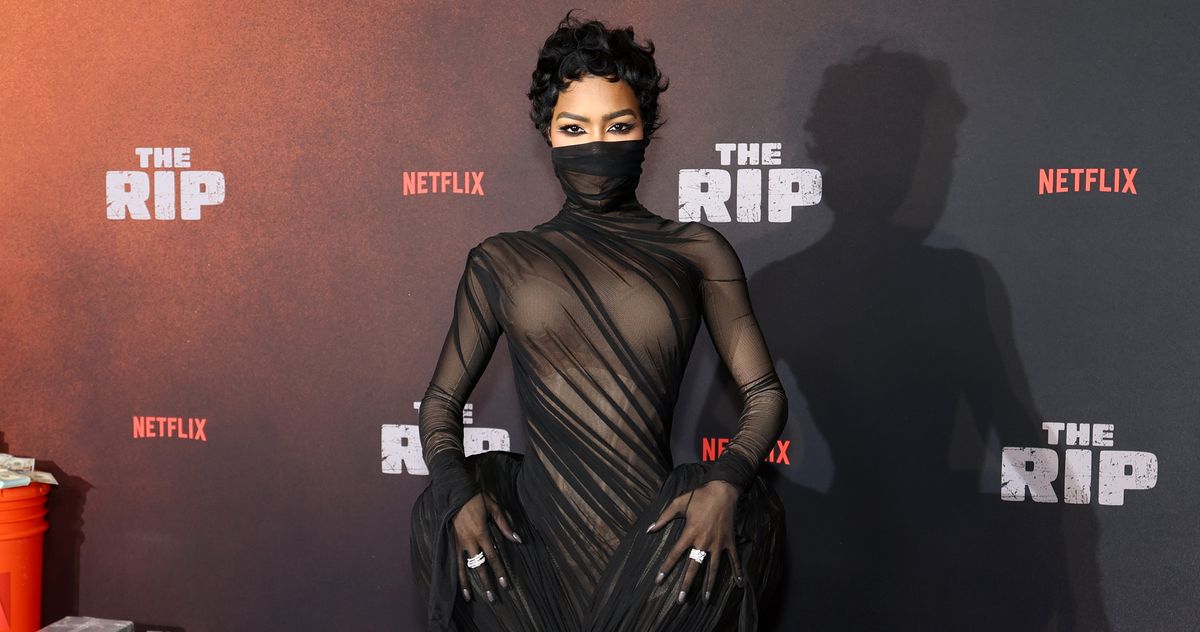
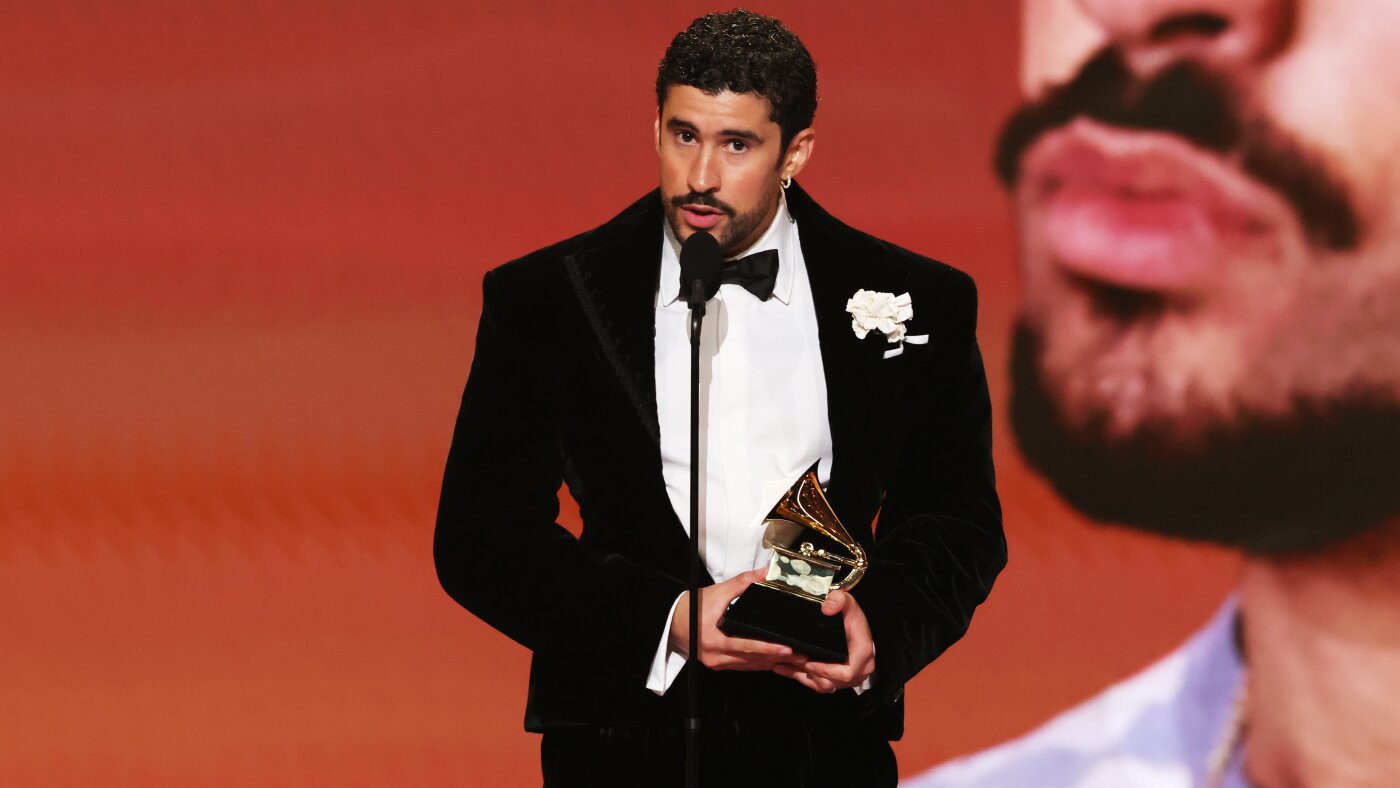
2 months agoThe Grammys Actually Acknowledged What's Going on in the World
I do not turn to celebrities for trenchant political takes or honestly really expect them to know what's actually going on in the news. However, I also think that most good art engages with the world in which it's being created, and now that we're in good-art-naming season (aka awards season), ignoring that world is privileged at best and evil at worst.
US politics
fromVulture
2 months agoMary J. Blige's Mom Won Late Night This Week
Brendan Carr's FCC is still twisting its panties over the existence of talk shows (don't worry, Netflix wants to make them all video-only "podcasts"). This time, Carr's freak-out was an attempt to stretch the FCC's equal-time rules to apply to talk shows - both late night and daytime. Will we see Trump in the Spirit Tunnel in 2028? Only time will tell.
US politics
fromBuzzFeed
1 month agoI Bet You Didn't Know These 19 Famous People Have Black Heritage
To be Black in the U.S. has such an expansive meaning that traces back to Europeans deciding who got to be "white." While some people, like the Italians and Irish, earned their way into "white-ness," those with even a drop of Black in their heritage were relegated to the lower rungs of the racial ladder.
Social justice
fromDocumentjournal
1 month agoUsher on masculinity, memory, and building a legacy
Representing a career that spans genre and sound, Usher's ambition both challenges and provokes. Perhaps this is why the Atlanta-born singer continues to occupy popular culture, not only through his Grammy Award-winning recordings, but also across fashion and the fine arts, where he has emerged as a patron and collector. He identifies career as a collage. Evolution does not mean abandoning the past, but layering it, building new meaning atop experience, vulnerability, and history.
Music
fromAdvocate.com
1 month agoThe lush life of Billy Strayhorn, the gay Black man who was Duke Ellington's 'right arm'
Even if you're just a casual jazz fan, you probably recognize "Take the A Train," Duke Ellington's swinging theme song. Or you've heard the melancholy ballad "Lush Life" sung by Nat King Cole, by Linda Ronstadt during her Great American Songbook era, or by Lady Gaga on the album she recorded with Tony Bennett. Both of those - and many other tunes - were written by a gay man, musician, composer, and arranger Billy Strayhorn.
Music
fromPitchfork
1 month agoKelan Phil Cohran & Legacy: African Skies
At the turn of the 1960s, when free jazz was making its initial seismic impact, multi-instrumentalist Phil Cohran-he later added the name Kelan-was living in Chicago and playing trumpet for Sun Ra's Arkestra. He contributed to crucial recordings by the band during his tenure, including We Travel the Space Ways, but Cohran was a restless autodidact who never stuck with any one project for long.
Music
fromwww.theguardian.com
2 months agoHe used the trumpet as a songbird': 100 years of Miles Davis, by jazz greats Sonny Rollins, Yazz Ahmed and more
The architect of the bestselling jazz album of all time, 1959's Kind of Blue, trumpeter Miles Davis is a towering figure in the history of the genre. Possessed of a piercing tone, innate melodic sensibility and a singularly uncompromising approach on the bandstand, Davis spent his five-decade career presiding over numerous stylistic shifts: bebop to cool jazz, modal jazz, electronic fusion, jazz funk and even hip-hop.
Music
fromConsequence
2 months agoMs. Lauryn Hill to Perform at Grammys in Honor of D'Angelo and Roberta Flack
The Recording Academy has announced that this Sunday's Grammy Awards will feature Ms. Lauryn Hill performing during the "In Memoriam" segment in honor of the late D'Angelo and Roberta Flack. Elsewhere, Post Malone, Slash, Duff McKagan, and Chad Smith will pay tribute to the late Ozzy Osbourne, and Reba McEntire will be joined by Brandy Clark and Lukas Nelson to honor "some of the musical icons" who passed away in the last year.
Music

fromPitchfork
2 months ago7 Albums Out This Week You Should Listen to Now
With so much good music being released all the time, it can be hard to determine what to listen to first. Every week, Pitchfork offers a run-down of significant new releases available on streaming services. This week's batch includes new albums from Ari Lennox, Lucinda Williams, and Cat Power. Subscribe to Pitchfork's New Music Friday newsletter to get our recommendations in your inbox every week.
Music
Music
fromwww.mercurynews.com
2 months agoJohn Forte dies at 50; Grammy-nominated musician worked with Wyclef Jean, the Fugees, Refugee Camp All-Stars
John Forte, a Grammy-nominated musician who contributed to the Fugees, died at 50; cause under investigation, survivors include his wife and two children.
fromPitchfork
1 month ago10 Songs You Should Listen to Now
The staff of Pitchfork listens to a lot of new music. A lot of it. On any given day our writers, editors, and contributors go through an imposing number of new releases, giving recommendations to each other and discovering new favorites along the way. Each Monday, with our Pitchfork Selects playlist, we're sharing what our writers are playing obsessively and highlighting some of the Pitchfork staff's favorite new music.
Music
[ Load more ]