#airport-security-lines
#airport-security-lines
[ follow ]
#tsa #airport-security #government-shutdown #travel-tips #travel-delays #airport-delays #united-airlines #travel
:max_bytes(150000):strip_icc()/TAL-headphones-in-tsa-bin-HEADPHONESTSABIN0326-3ba989034dbb4607b39493e096e02304.jpg)


fromThe Local France
3 days agoEurotunnel and Eurostar still not ready for EES rollout despite deadline
The new checks, part of the EU's new Entry/Exit System (EES), collect digital personal records of third country nationals travelling to the Schengen area and replace the manual stamping of passports.
EU data protection
fromwww.theguardian.com
6 days agoUS marine detained after TSA finds live explosive round in checked bag
The marine told investigators he found the round in the field about a year ago and kept it, thinking it wasn't live. Due to extensive rust and corrosion, the round's original identifying paint markings were no longer visible, making it difficult to determine whether it was an inert training munition or a live explosive device.
Los Angeles
:max_bytes(150000):strip_icc()/tal-a-former-tsa-agent-shares-the-no-1-reason-bags-tout-c62c16e154594222825c3cbcf4a2edbf.jpg)

:max_bytes(150000):strip_icc()/tal-airport-security-tout-42834a9a66584fd39d4b9120c67a8246.jpg)


#tsa-security-delays
Austin
fromBusiness Insider
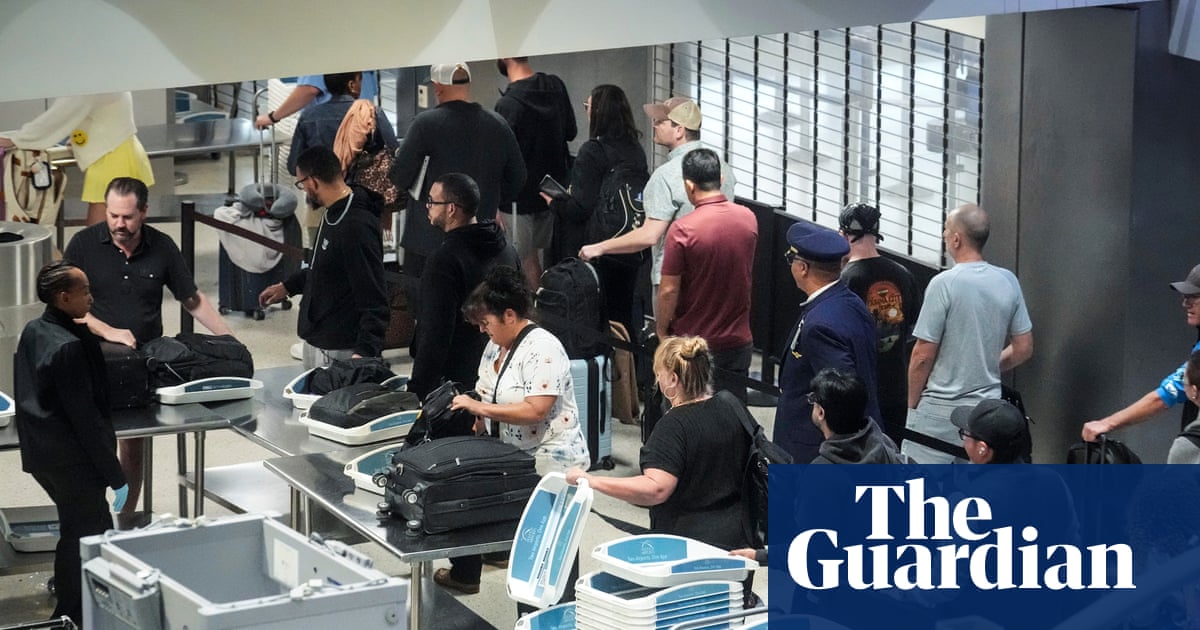
3 weeks agoTSA delays: Which airports have long lines, and how to check the wait time at your airport
US airport TSA checkpoints face severe delays during a partial government shutdown as unpaid agents skip work, forcing travelers to arrive up to three hours early for flights.
US news
fromFast Company
2 weeks agoAre you seeing viral 'hacks' for skipping long TSA airport security lines? Here's what works-and what doesn't
TSA staffing shortages from funding disputes cause airport security delays, but TSA PreCheck Touchless ID with facial recognition offers faster processing at select airports.
Austin
fromBusiness Insider
3 weeks agoTSA delays: Which airports have long lines, and how to check the wait time at your airport
US airport TSA checkpoints face severe delays during a partial government shutdown as unpaid agents skip work, forcing travelers to arrive up to three hours early for flights.
US news
fromFast Company
2 weeks agoAre you seeing viral 'hacks' for skipping long TSA airport security lines? Here's what works-and what doesn't
TSA staffing shortages from funding disputes cause airport security delays, but TSA PreCheck Touchless ID with facial recognition offers faster processing at select airports.
fromSFGATE
6 days agoTravelers opt for pricey services to avoid waiting in long TSA lines
As congestion at major hubs continues to intensify - particularly for frequent business class travelers who often split their flying between commercial flights and business jets - we're seeing a growing shift toward these clients consolidating more, if not all, of their flying through XO.
Travel
Privacy technologies
fromBoston.com
3 weeks agoYou can now pass through TSA PreCheck at Logan using only your face. Should that make us nervous?
TSA's Touchless ID facial recognition system expands to 65 airports, enabling passengers to pass security using only their face, though privacy advocates warn it normalizes mass surveillance.
#government-shutdown


SF politics
fromFast Company
3 weeks agoThe TSA staff shortage is dragging on at U.S. airports. Some experts say privatization is the solution
Private security contractors at some U.S. airports maintain continuous operations during government shutdowns because their federal contracts ensure uninterrupted funding, unlike TSA-staffed airports that face disruptions.
fromTravel + Leisure
3 weeks agoThis Is Why You Should Never Put Your Phone in the TSA Bin, According to Frequent Flyers and Travel Experts
I had my camera stolen while going through security. It was a painful loss, mainly because of the memories captured on it. When she brought it up to the security officers, they told her there was no video coverage of that area.
Travel
:max_bytes(150000):strip_icc()/TAL-biometric-scanner-airport-TSATOUCHLESSID0126-25d6abd0c3bb433b8b055a306702e178.jpg)
fromTravel + Leisure
1 month agoThese Simple Mistakes Slow Down Airport Security the Most, According to the TSA-and Not Having This 1 Item May Cost You
The biggest cause for slowdowns at checkpoints is when passengers simply forget the TSA's key rules. Those who try to bring prohibited items like liquids over 3.4 ounces and firearms through the checkpoint will ultimately slow down the process. Small oversights can add up quickly, and even the most well-traveled passenger can recall a time when they forgot they had a half-filled water bottle or a small pocket knife, leading to extra time in line.
Travel
fromTravel + Leisure
1 month agoHere's Why Your Airport Gate Can Change at the Last Minute, According to Aviation Experts
Gate changes, especially those sprung on travellers at the last minute, are a real pain point in air travel. The primary drivers are usually a last-minute aircraft swap due to a mechanical issue or an unexpected delay on an inbound flight occupying the planned gate.
Travel
Travel
fromTravel + Leisure
1 month agoI'm a Former Gate Agent, and These Are the 11 Carry-on Mistakes That Slow Down Boarding Every Single Time
Prepared passengers with appropriately sized carry-ons, organized essentials, and ready boarding passes speed boarding, reduce aisle congestion, and lower stress for everyone.
fromSFGATE
2 months agoMore major Calif. airports to get TSA upgrade already at SFO
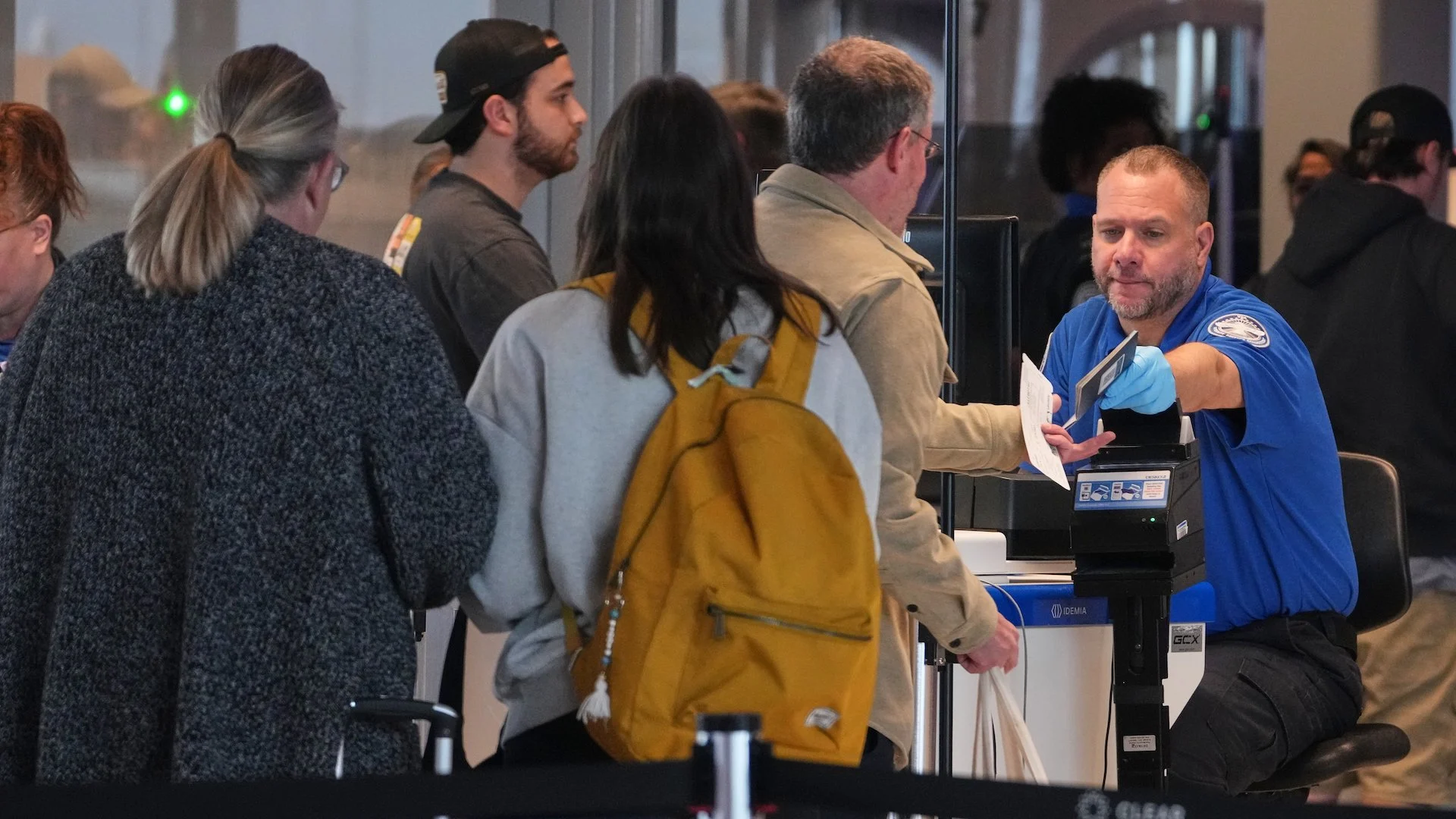
The Transportation Security Administration is expanding another program to keep the agency's promise of TSA PreCheck airport security lines that are 10 minutes or less. But some California airports didn't make the cut. The agency plans to expand its Touchless ID program by this spring, allowing travelers to keep their boarding passes and Real IDs in their bags. Instead, the officer will direct the traveler to take a photo and, using biometric data, waive them through.
Travel
[ Load more ]