#alcohol-statistics
#alcohol-statistics
[ follow ]
#alcohol-consumption #public-health #dry-january #alcohol #dietary-guidelines #binge-drinking #harm-reduction


:quality(85):upscale()/2026/01/06/936/n/49351082/eca0b2e7695d7ea016f525.80424515_.jpg)
fromBusiness Insider
3 weeks agoAlcohol brands are shifting spending to brunch, daytime events as Gen Z drinks 'differently'
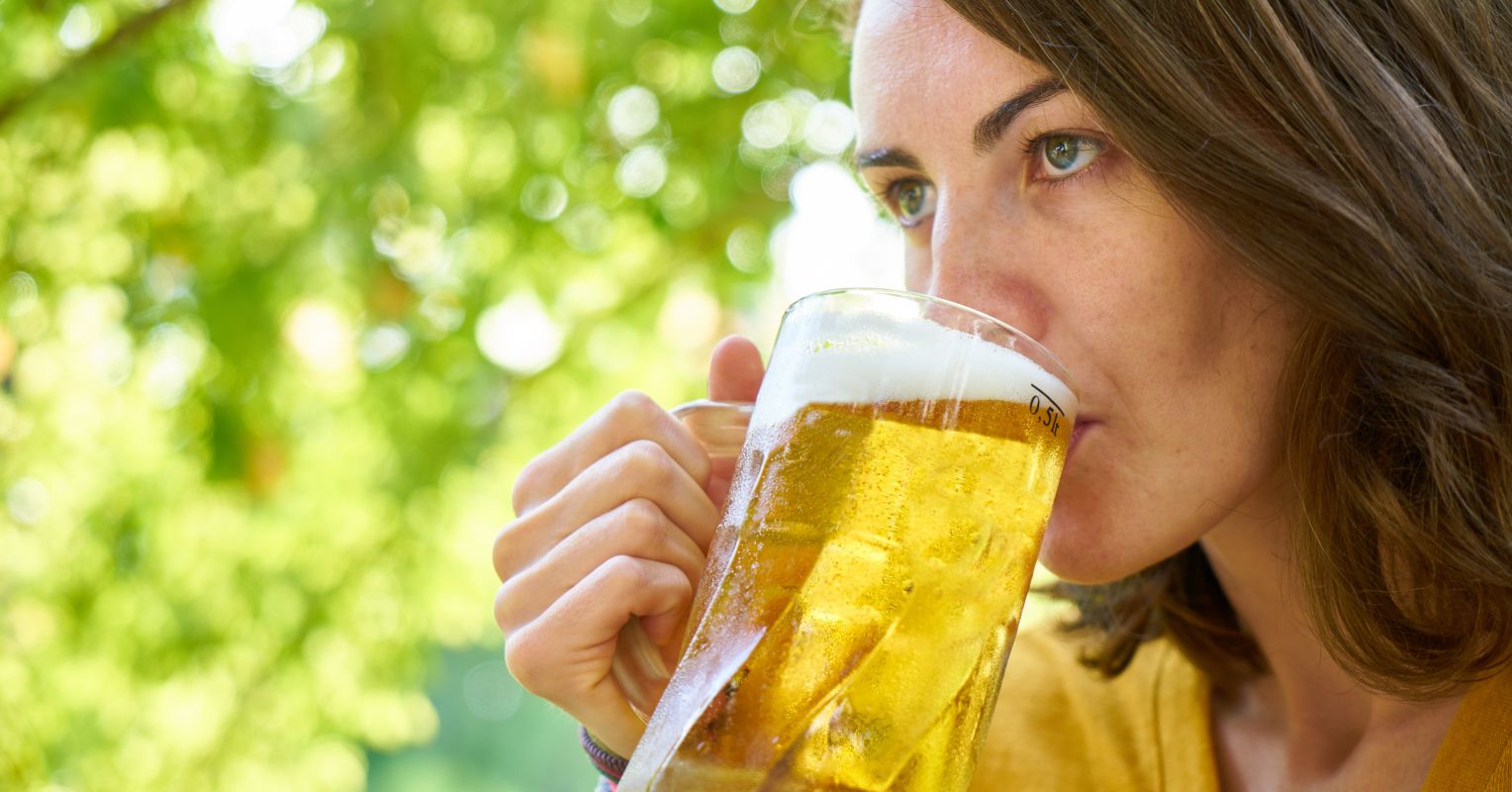
Gen Z and younger millennials are generally drinking less than older generations and, when they do drink, are doing so more intentionally, prioritizing quality, flavor, and social context over quantity. That change is pushing bars and alcohol brands to design products for daytime moments, and reshaping how the industry defines a "drinking occasion."
Cocktails
Medicine
fromwww.theguardian.com
3 weeks agoRecreational drugs can more than double risk of stroke, study suggests
Amphetamine and cocaine use more than double stroke risk, with cannabis increasing risk by 37%, while opioids show no increased stroke risk according to analysis of over 100 million people.
fromTasting Table
2 weeks agoIf Drinking Alcohol Makes You Sleepy, This Is Why - Tasting Table
Due to alcohol being a depressant substance, this means that it slows down your central nervous system by calming the neurotransmitters that keep you alert. Alcohol can behave the same way sedatives do, by fixating on the two neurotransmitters in your brain known as gamma-aminobutyric acid (GABA) and glutamate.
Wine
Cocktails
fromFast Company
1 month agoIn recovery? Here's how to handle social drinking situations in the workplace
Professionals in recovery from alcohol addiction can maintain sobriety in workplace drinking cultures by setting boundaries, avoiding overexplanation, and recognizing that colleagues care less about abstinence than feared.
fromHoodline
2 weeks agoRestaurants Lose Alcohol Revenue As Americans Drink Less
Owners across the country report that fewer guests are ordering cocktails, and that missing bar revenue is squeezing margins that were already razor thin. The slowdown is hitting neighborhood joints and big casual-dining chains alike. Chefs and operators from New York to Los Angeles say alcohol sales, long the highest-margin part of the check, have slipped enough to force changes in hours, menus and staffing.
Wine
Miscellaneous
fromwww.dw.com
1 month agoYoung Europeans still drawn to tobacco WHO report
Europe, Russia, and Central Asia have the highest number of tobacco users globally and will likely maintain this position through 2030, with youth particularly targeted through flavored products and social media marketing.
Wine
fromMail Online
3 weeks agoWhat your favourite drink says about you, according to science
Alcoholic drink preferences trigger learned cultural associations that influence how people perceive personality traits, with wine suggesting sophistication, whisky suggesting confidence, and tequila suggesting fun and wildness.
fromwww.theguardian.com
1 month agoThailand moves to cut sugar in popular drinks amid health drive
A crowd of customers, holding phones aloft, watch intently as Auntie Nid mixes up her bestseller: an iced Thai tea. Condensed milk is poured into a glass, followed by three heaped tablespoons of sugar, and then freshly strained tea. The end product a deep orange, creamy treat is poured into a plastic bag filled with ice. I want to spoil my customers, says Auntie Nid, 68, who prefers to be known by her nickname.
Public health
Food & drink
fromTasting Table
1 month agoAre People Going To Drink More Or Less Alcohol In 2026? Here's What Research Suggests - Tasting Table
Gen Zs, Millennials, and many U.S. adults are intentionally reducing alcohol consumption, planning drinking days, and increasingly viewing alcohol as unhealthy.


fromReadWrite
1 month agoNetherlands gambling normalization raises public health concerns
Fresh research from the Kansspelautoriteit (KSA) shows nearly a quarter of Dutch adults, 24%, believe people around them see gambling as normal behavior. Men were significantly more likely than women to share that view. The regulator surveyed 1,000 residents and found that when gambling comes up casually in conversations with friends or family, people are more likely to join in themselves.
Miscellaneous







fromwww.independent.co.uk
2 months agoThis doesn't magically make roads safer': Readers clash over lower drink-drive limit
From reproductive rights to climate change to Big Tech, The Independent is on the ground when the story is developing. Whether it's investigating the financials of Elon Musk's pro-Trump PAC or producing our latest documentary, 'The A Word', which shines a light on the American women fighting for reproductive rights, we know how important it is to parse out the facts from the messaging. At such a critical moment in US history, we need reporters on the ground.
UK news
fromSlate Magazine
2 months agoThe Trump Administration Is Right That We Should Stop Counting Our Alcoholic Drinks. Do This Instead.
The average Thanksgiving meal, Johnson warned on social media, was "roughly equal in metabolic injury" to smoking seven cigarettes. He tabulated the average calories, fat, carbs, sugar, and salt of the typical spread, all high. And he painted a picture of the damage the meal would do to one's body: "massive glucose spikes," "oxidative stress," "immune suppression," "sleep disruption," and "acute endothelial dysfunction."
Food & drink
Cocktails
fromSlate Magazine
1 month agoYou Probably Don't Think the Fastest-Growing Alcohol Category in America Is for You. You're Wrong.
High-quality canned (RTD) cocktails now replicate complex craft drinks, offering convenient, delicious alternatives that challenge cocktail snobbery and grow market share.
Mental health
fromSlate Magazine
1 month agoI Quit Drinking Years Ago, All Thanks to One Approach. I'm Afraid of What People Will Think.
AA can produce profound positive change while sharing superficial features with cults; emphasize voluntary, therapeutic, and noncoercive aspects when explaining benefits.


fromTasting Table
2 months agoThe US State With Booze Rules So Strict, Even Your Pour Is Monitored - Tasting Table
Generally, the pour of liquor in your glass is up to the discretion and recipe of the mixologist. In Utah, however, bartenders are required to use a special calibrated device to ensure that a pour of liquor comes out at exactly 1.5 ounces. They are quite serious about this, mandating that all bottles use these devices, and that the devices themselves have a margin of error of less than one sixteenth of an ounce for a one-ounce pour - or about a third of a teaspoon.
fromSlate Magazine
2 months agoThere's One Category of Alcohol Taking the Biggest Hit of All. It Should Be the Last.
In 2025, legacy Oregon craft brewery Rogue Ales & Spirits filed for bankruptcy and shuttered operations, California uprooted 38,134 acres of wine grapes (in order to cope with overproduction and stymie future excess crops), and Jim Beam announced it would cease production of bourbon at its main distillery for the duration of 2026. An increasing push toward sobriety has flooded the market with nonalcoholic alternatives to traditional tipples.
Wine
fromBuzzFeed
2 months agoTrump's Latest Alcohol Guidelines Just Dropped, And Dr. Oz's Reaction Is...Something
Well, there are also new alcohol guidelines to go along with it. The new guidelines remove the previous recommendation that men limit their alcohol intake to two drinks or less per day and women to one or less. Now, the guideline simply advises, "Limit alcohol consumption for better overall health."
Public health
fromLondon Business News | Londonlovesbusiness.com
2 months agoFour New Year's Resolutions to reduce drinking and live a healthier 2026 - London Business News | Londonlovesbusiness.com
'Danish researchers first detected this post-Christmas spike. They found that the risk of having elevated cholesterol is six times higher after the Christmas break. While most people know that fatty roasts and heavy desserts increase our levels of LDL, fewer people realise excessive alcohol consumption is also a key factor. 'That's because drinking too much, or binge drinking, can significantly raise levels of LDL cholesterol. And this Christmas and New Year, many of us will have drank far more than the recommended limits.
Public health
[ Load more ]