#ancient-roman-texts
#ancient-roman-texts
[ follow ]
#archaeology #pompeii #roman-archaeology #mesopotamia #ancient-rome #roman-villa #roman-republic #roman-britain


Berlin music
fromwww.theguardian.com
3 weeks agoSinging the news: the story of Italy's last cantastorie' still performing in his 90s
Franco Trincale, Italy's last great cantastorie, spent six decades singing historical news and social commentary on Milan's streets, maintaining a dying tradition of wandering musicians while contributing to labor rights movements.
fromVulture
4 weeks agoA World Forever in the Shadow of Apocalypse
At least that's the mood director Gianfranco Rosi evokes in his mesmerizing documentary Pompei: Below the Clouds, which won a Special Jury Prize at the Venice Film Festival last year and is finally being released theatrically in the U.S., ahead of a March 27 streaming premiere on Mubi. The apocalypse Rosi presents is not just the legendary one that destroyed the ancient Roman town of the film's title but an ongoing one that encompasses the calamities of our modern era as well as the rejuvenation that sometimes accompanies destruction.
Film
OMG science
fromNature
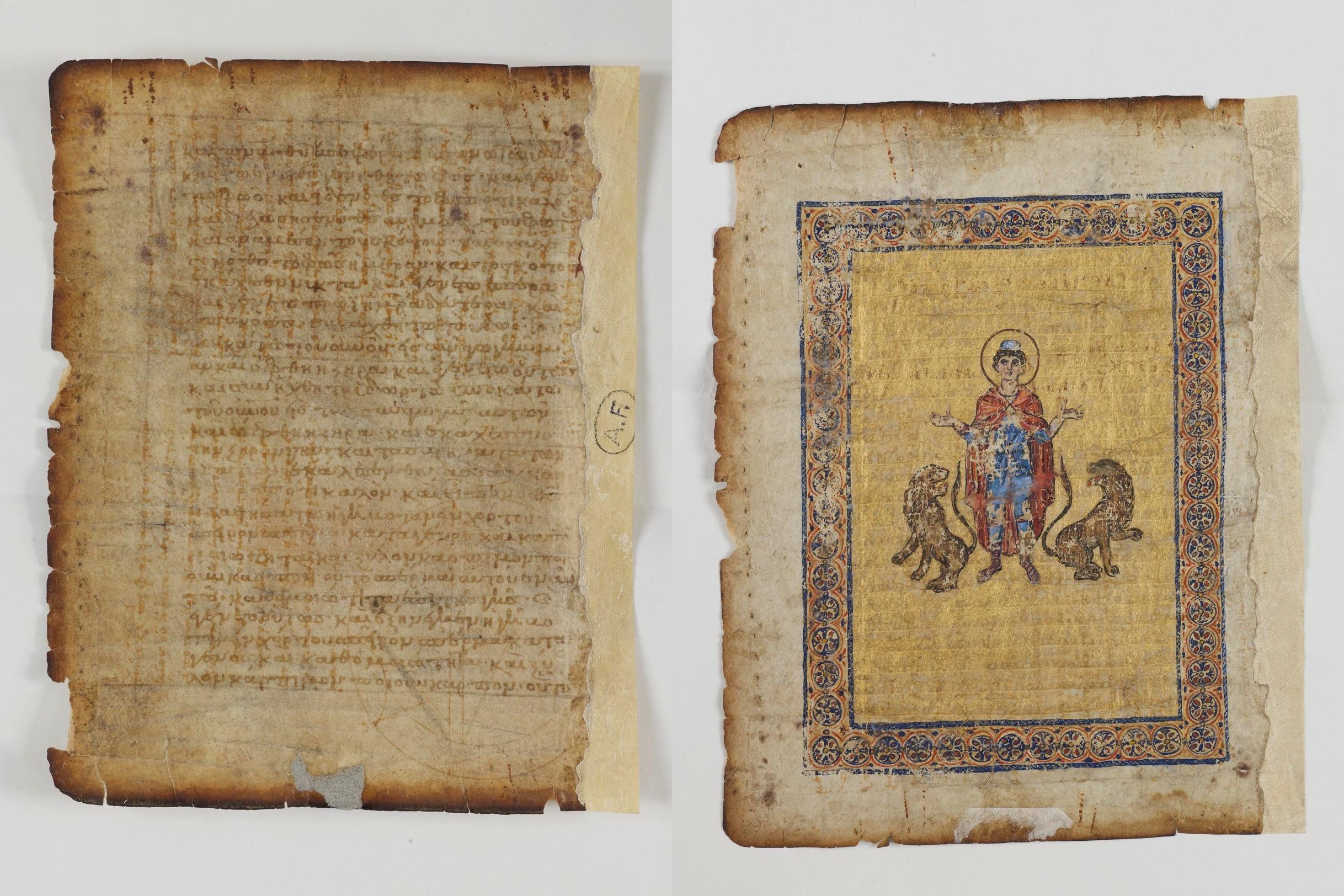
1 month agoDaily briefing: Galileo's notes discovered in the margins of an ancient book
Tectonic plates moved 3.3 billion years ago with higher oxygen levels; Galileo's annotations discovered in 400-year-old Ptolemy text; rotator cuff degeneration common in older adults regardless of symptoms.
fromJezebel
1 month agoThe Time I Learned Greek Scholars Are Canonically Hotter Than Roman Scholars
It started with a book launch in 2021. I'd been living in London as a social media journalist when I asked my then-publication's culture editor to send me to one of these exclusive-sounding events, as 1) I'd never been and 2) I just really wanted to be a person who "has a book launch to go to." Thankfully, there was one that exact day-and he put my name on the list for the release of Mary Beard's Emperor of Rome. Huzzah.
Books
fromWorld History Encyclopedia
3 weeks agoMesopotamian Literature: The Earliest Works of the Imagination
Writing was created in response to the need to communicate over long distances in trade and, initially, was focused on the purely practical aspects of record-keeping. Scribes in ancient Mesopotamia recorded what commercial goods had been shipped to which destination, their quantity, purpose, and cost.
History


fromwww.thehistoryblog.com
3 weeks agoSamnite burials of children with bronze warrior belts found
The excavation ultimately unearthed 34 burials, 15 of them belonging to children between two and ten years old when they died. The graves are clustered in groups, probably reflecting family nuclei. Most the grave types are earthen pits covered with roof tiles angled against each other.
History
fromPhilosophynow
1 month agoThe Educational Philosophy of Quintilian
What could be more important for the future of any society than the education of its children? Innovative theories abound. Educators are constantly presenting groundbreaking new paradigms for improving a child's academic achievement. In the past quarter century or so, these have included: * Expanding educational opportunities for preschoolers * Selecting the best teachers for a child * Making instruction more relevant * Establishing or strengthening character education * Providing a multidisciplinary education * Defining the boundaries for student-teacher relationships * Approaching literacy from a whole language perspective * Fostering critical thinking skills
Education

fromOpen Culture
3 weeks agoWho Would Be Emperor If the Roman Empire Still Existed Today?
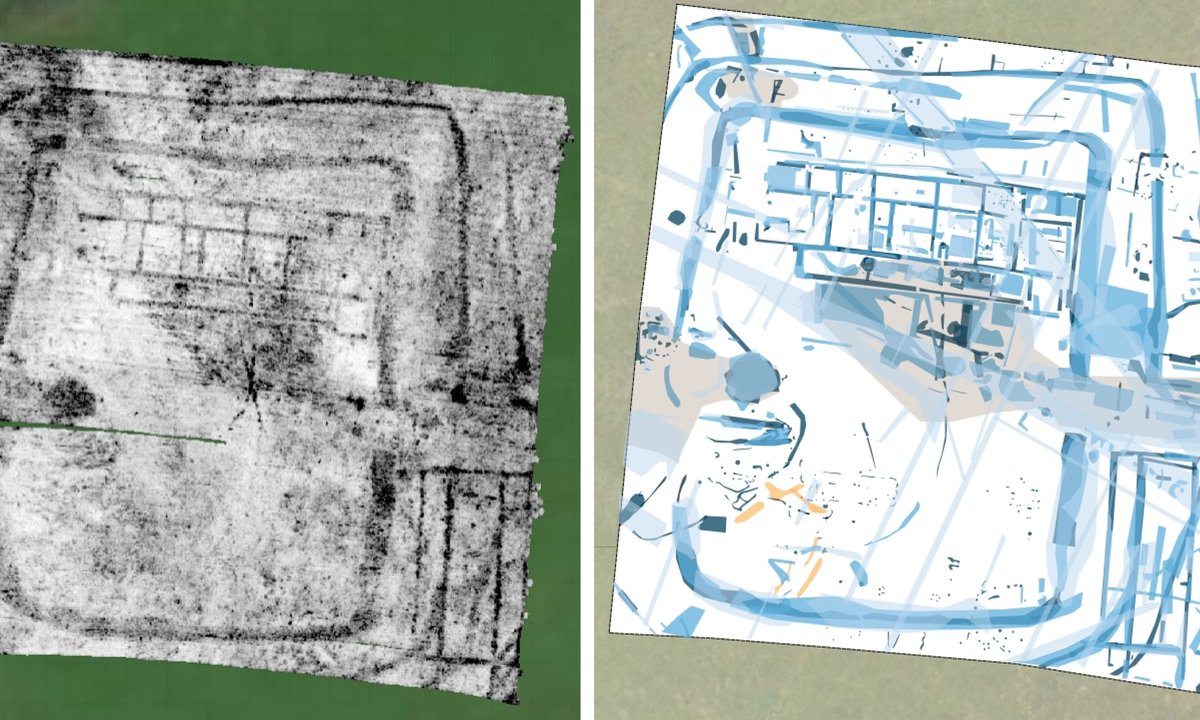
Very rare to see this level of tailoring nowadays, even on the wealthy. Even when not attending major sporting events, the king's collars always hug his neck, his lapels are always well-proportioned, the lines of his coat always flow into his trousers, and his four-in-hand always has just the right asymmetry.
History


fromWorld History Encyclopedia
3 weeks agoCuneiform: From trade lists to epic tales of gods
Cuneiform is a system of writing first developed by the ancient Sumerians of Mesopotamia circa 3600/3500 BCE. It is considered the most significant among the many cultural contributions of the Sumerians and the greatest among those of the Sumerian city of Uruk, which further developed and advanced cuneiform circa 3200 BCE and allowed for the creation of literature.
History




fromAeon
2 months agoHow a playful literary hoax illuminates Classical queerness | Aeon Essays
Carved on the walls surrounding her sarcophagus were more than 150 ancient Greek poems in which Bilitis recounted her life, from her childhood in Pamphylia in present-day Turkey to her adventures on the islands of Lesbos and Cyprus, where she would eventually come to rest. Heim diligently copied down this treasure trove of poems, which had not seen the light of day for more than two millennia.
Philosophy
fromOpen Culture
4 weeks agoRoman Statues Weren't White; They Were Once Painted in Vivid, Bright Colors
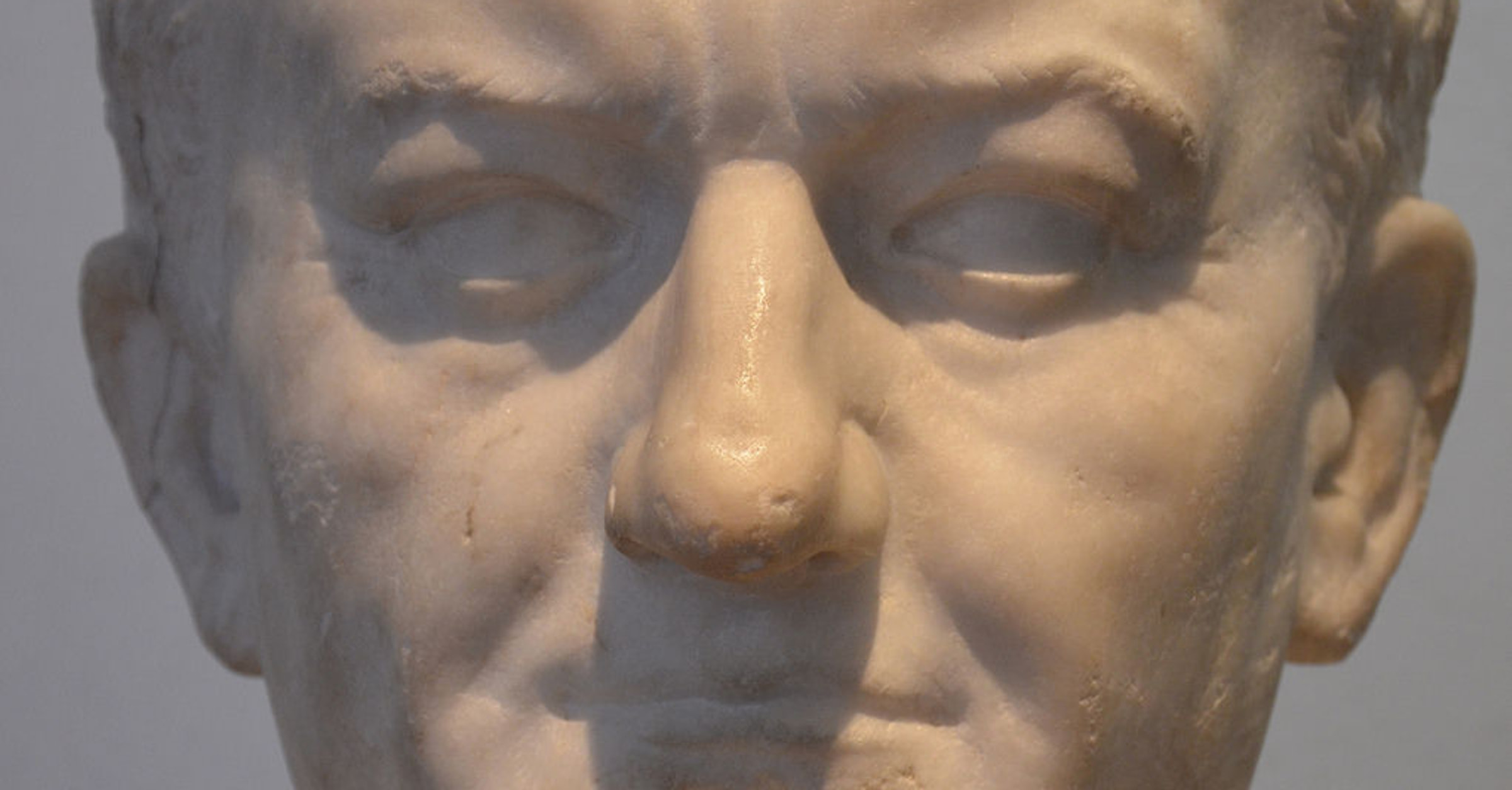
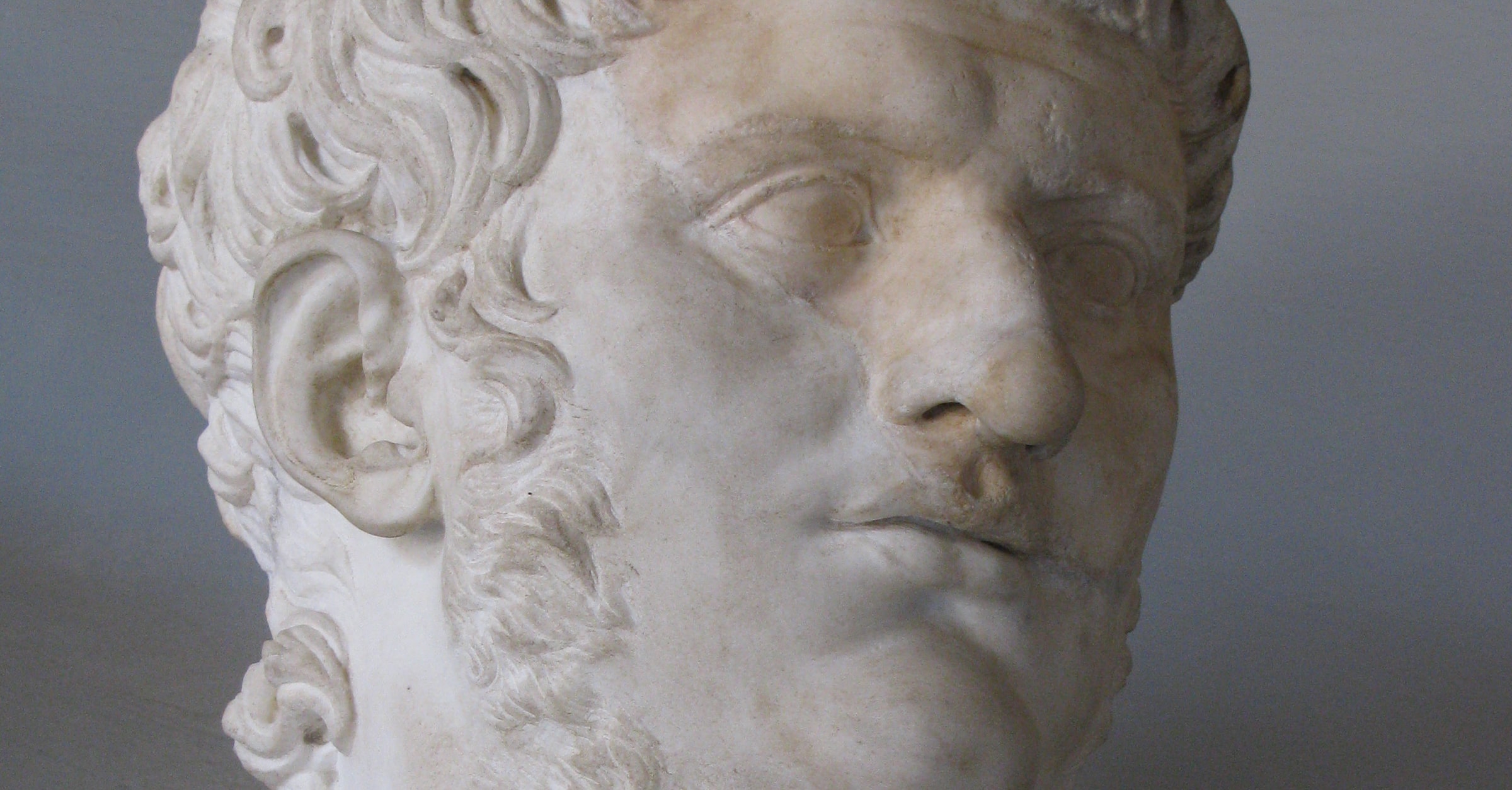
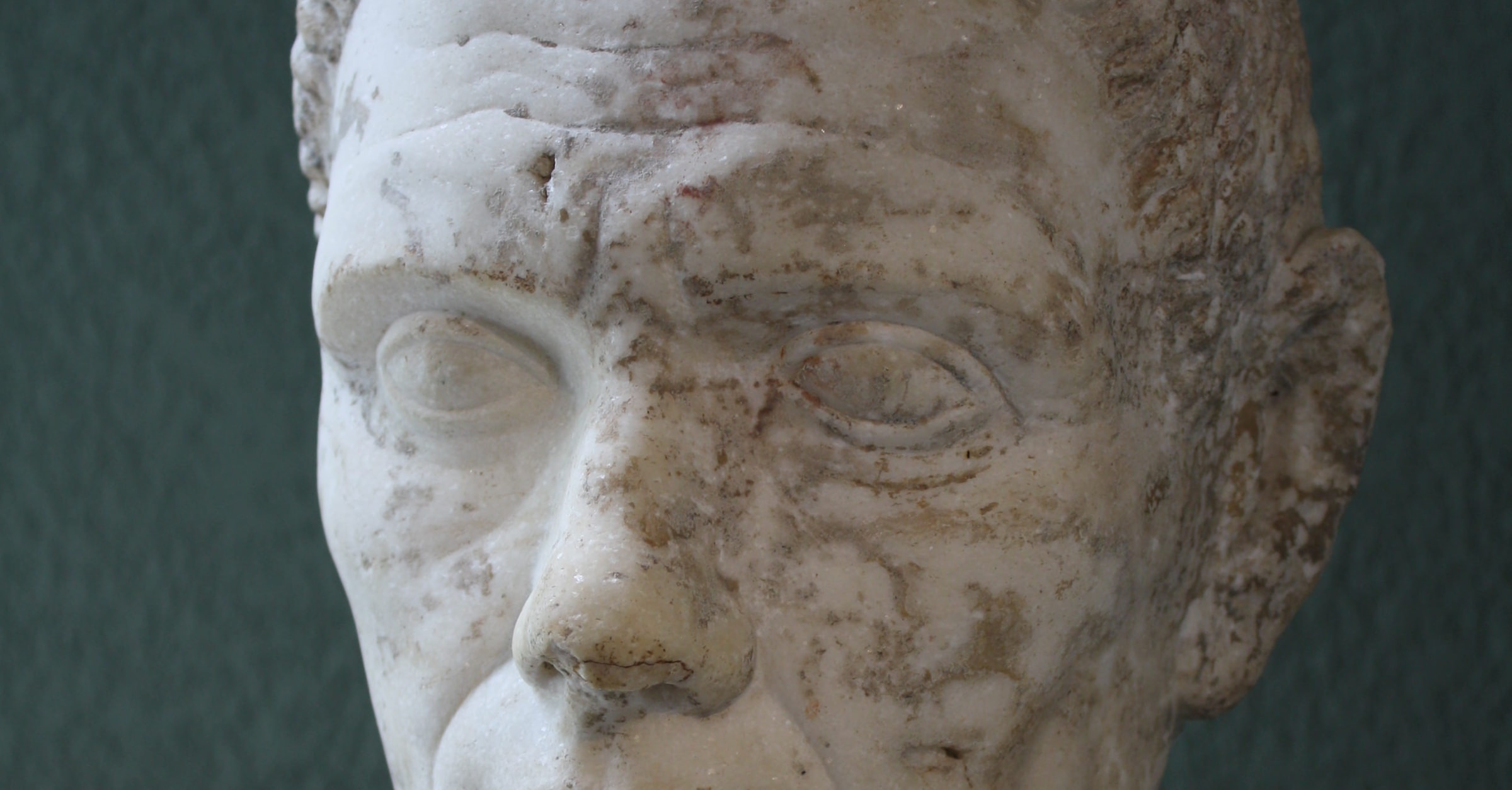
One tenet of classical idealism is the idea that Roman and Greek statuary embodied an ideal of pure whiteness-a misconception modern sculptors perpetuated for hundreds of years by making busts and statues in polished white marble. But the truth is that both Greek statues and their Roman counterparts were originally brightly painted in riotous color.
History
fromMail Online
2 months agoLong-lost Egyptian scroll fuels debate over real-life biblical giants
An ancient Egyptian papyrus held by the British Museum has been cited as possible evidence supporting some of the Bible's most controversial claims about giants. The 3,300-year-old document, known as Anastasi I, has been in the museum's collection since 1839 and has recently resurfaced on the Associates for Biblical Research, renewing interest in its possible links to biblical accounts. The papyrus describes encounters with the Shosu people, said to stand 'four cubits or five cubits' tall, up to eight feet in height.
Books
fromThe Atlantic
2 months agoWhy Authors Can't Let Go of Greek Myths
When I was 8 or 9 years old, my uncle and aunt gave me a copy of D'Aulaires' Book of Greek Myths, a standard-bearer for children's folklore that was originally published in 1962. I was immediately dazzled by the book: D'Aulaires' was my first exposure to Greek mythology, and I marveled at its vibrant cosmology, its richly illustrated tales of deities whose omnipotence was matched only by their strikingly human, self-indulgent caprice.
Books
History
fromOpen Culture
1 month agoRome in 1890 Captured in Color Photographs: The Colosseum, Forum, Trevi Fountain & More
English gentlemen completed their education through the Grand Tour of Europe, primarily Italy, which profoundly influenced Romantic poets like Byron and shaped their artistic vision of classical civilization in ruins.
History
fromMedievalists.net
1 month agoThe Survival of Roman Education in Early Medieval Britain - Medievalists.net
Roman cultural practices persisted in Britain for generations after AD 410, with aristocrats maintaining traditional education and Christian learning similar to their Gallic counterparts.
fromwww.thehistoryblog.com
1 month agoCenturion's tombstone reused in someone else's grave
Both of the cyst graves feature funerary markers reused as building material. One of them contains the partially preserved tombstone of Legio I Italica centurion Gaius Valerius Verecundus was engraved with a wreath of which only traces remain and an inscription that describes him as having been heavily pressed by fate.
History
History
fromwww.theguardian.com
1 month agoScholar, seductress, alchemist: who was the real Cleopatra?
Cleopatra VII's legacy has been corrupted by ancient male sources portraying her as exotic and seductive, yet her name endures with greater recognition than her chroniclers, and historical evidence reveals her as a polyglot scholar interested in alchemy and healing remedies.
History
fromMedievalists.net
1 month agoEast Roman Archaeology: Goals and Challenges, with Marica Cassis - Medievalists.net
Archaeology reveals material evidence of daily life, settlement patterns, and economic systems in the East Roman world that textual sources cannot provide, while facing challenges in establishing itself as a distinct field separate from classical and Islamic archaeology.
fromMedievalists.net
1 month agoNew Medieval Books: The Medieval Moon - Medievalists.net
In this book of moons, I am writing for people for whom the medieval world and its literatures and arts may be unfamiliar. I hope that in telling the stories of medieval moons, I also introduce these readers to the wonderful, mesmerising realm of medieval texts and images. But I also hope that this book may be useful to those with greater familiarity with medieval languages, literatures, and arts.
History
History
fromOpen Culture
1 month agoThe Dead Sea Scrolls: Discover the Secrets of the Bible's Oldest and Strangest Texts
Dead Sea Scrolls include the oldest known biblical manuscripts, diverse texts (biblical, apocryphal, sectarian, unknown) that complicated but did not completely upend understanding of Christianity.
fromWorld History Encyclopedia
1 month agoCaligula: Rome's First Mad Emperor
Caligula (12-41 CE) was the third Roman emperor, who reigned from 37 to 41 CE. A member of the Julio-Claudian Dynasty, he came to power after the death of his great-uncle Tiberius. The ancient sources claim that he was initially a popular ruler, but, after only a few months, he gave in to his sadistic, depraved, and paranoid impulses and began ruling through terror. He was assassinated on 24 January 41 CE by disaffected members of the Praetorian Guard.
History
History
fromMedievalists.net
2 months agoReading in Byzantium: Literacy, Books, and a World of Texts - Medievalists.net
Byzantine reading was communal and performative, woven into religious, educational, and administrative life while preserving classical learning within a Christian intellectual framework.
fromMail Online
1 month agoThe bone that proves Hannibal really DID cross the Alps with elephants
While the bone was worn and poorly preserved, archaeologists managed to identify its origin by comparing it with modern elephant and mammoth bones. Despite there not being enough DNA to confirm the exact species, the researchers were able to carbon date a tiny sample of the bone. This places the elephant's death between the late fourth and early third centuries BC - right in the middle of the Second Punic War.
History
fromwww.thehistoryblog.com
2 months agoMonumental Republican tombs found in Rome suburb
An monumental early Republican-era funerary complex has been discovered in a suburb of Rome. The excavation of the Via di Pietralata east of Rome also uncovered a stretch of an ancient road, a small cult building and two monumental basins dating back to the 3rd and 2nd centuries B.C. Remains from this early in the Republican era are scarce in the Eternal City, which make these finds very archaeologically significant.
History
fromMail Online
1 month agoMysterious symbols spanning the globe hint at a lost civilization
His investigation began after identifying recurring giant T-shapes, three-level indents, and step pyramids carved into ancient stones worldwide. 'These specific symbols that are built in different size proportions, and the symbols are found in ancient stones around the world, are not supposed to exist; no cultures are supposed to have any cross-platform,' LaCroix explained. The symbols appear in locations ranging from Turkey's Van region to South America and Cambodia.
History
[ Load more ]