#andean-bears
#andean-bears
[ follow ]
fromFast Company
3 days agoBig Bear's internet famous bald eagles have entertained millions. Now they need millions to save their home
Jackie, the world-famous Big Bear bald eagle, has been melting hearts and educating the public about her species since 2015, thanks to a web camera run by the California nonprofit Friends of Big Bear Valley (FOBBV).
Fundraising
fromwww.theguardian.com
2 weeks agoMexico's monarch butterfly population jumps 64%, offering hope for at-risk species
The population of monarch butterflies in Mexico increased 64% this winter, compared with the same period in 2025, offering a glimmer of hope for an insect considered at risk of extinction.
Canada news
fromSFGATE
2 weeks agoThe race to save endangered mountain lions in the Calif. desert
Before state Route 62 was built, there was seamless 95-mile-long habitat connectivity between the San Bernardino and Little San Bernardino mountain ranges, extending from the I-10 south of Joshua Tree National Park to the I-15 near the Cajon Pass. Now, plans for two new wildlife crossings across the highway aim to bring back some of that connectivity, while potentially saving a local population on the brink of extinction in the process.
SF parents
fromTruthout
3 weeks agoEcuador Is Suspending the Bank Accounts of Environmental Activists
Financial strangulation, as he put it, is the latest weapon in the government's escalating effort to clear the way for expanded mining and oil development in one of the world's most biodiverse countries. Months earlier, officials had temporarily frozen the accounts of several of Ecuador's most prominent environmental defenders, including Tapia, citing investigations into unjust private enrichment and financing terrorism.
Social justice
History
fromArs Technica
3 weeks agoCenturies before the Inca, Peru's wealthy imported parrots from afar
The Ychsma kingdom maintained a sophisticated long-distance trade network spanning hundreds of kilometers across the Andes to import live parrots from the Amazon rainforest centuries before the Inca Empire.
fromConde Nast Traveler
3 weeks agoExploring the Peruvian Amazon, One Riverbend at a Time, on Abercrombie & Kent's Debut Voyage
The 12-cabin cruiser Pure Amazon is Abercrombie & Kent's first voyage on these waters and is part of the brand's Sanctuary collection, which will also include the soon-to-launch riverboat After 25 years in Peru, the company is setting out to not just join a tradition but redefine smart river travel with design-led interiors that evoke a boutique hotel and with five-course dinners paired with Peruvian small-batch wines.
Travel
Science
fromwww.theguardian.com
1 month agoMarsupials previously thought extinct for millennia discovered in New Guinea
Two marsupial species presumed extinct for 6,000 years were discovered alive in West Papua rainforests, representing rare Lazarus taxa that survived despite disappearing from fossil records.
fromHigh Country News
1 month agoCoyotes and cougars and rats, oh my! - High Country News
An unnamed tourist saw it and told Aidan Moore, who works for Alcatraz City Cruises. Moore told SFGATE that he was initially skeptical, but the guest's iPhone footage left little room for doubt. The video shows, not a sea lion or an otter, but an actual Canis latrans, doggedly dogpaddling, then clambering out of the water, noticeably shaky and struggling to settle tired paws on the craggy rocks.
California
Chicago Bears
fromCalifornia Post
1 month agoDeadly apex predator being mulled for release in California after 100-year absence
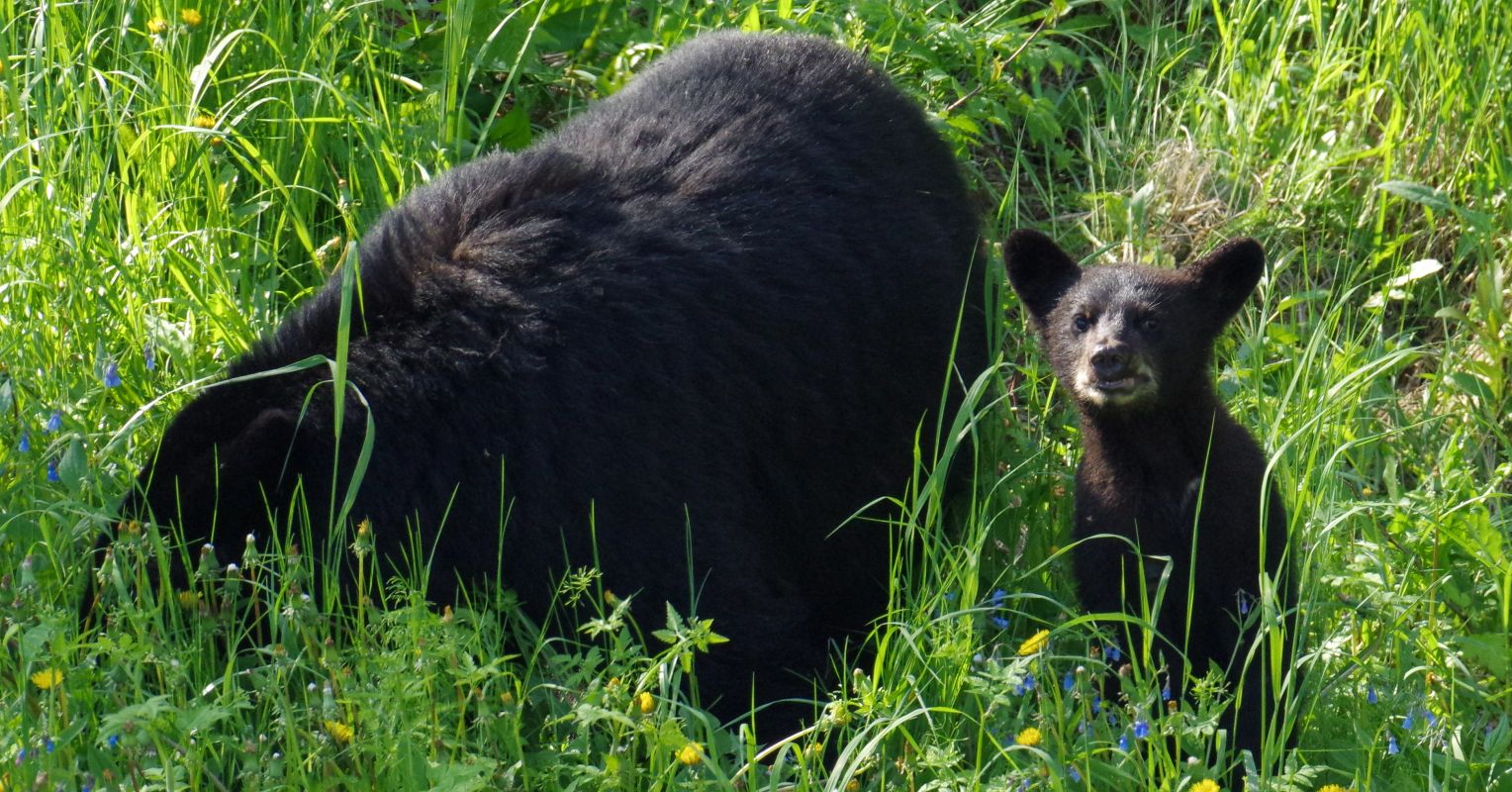
California lawmakers are considering reintroducing grizzly bears through Senate Bill 1305, which would require a scientific assessment and consultation with Native American tribes about restoring the species extinct in the state for over a century.
fromwww.theguardian.com
1 month agoIt creates a sense of belonging': Brazil bets on hiking trails for conservation
The idea that hiking trails are a tool for conservation is based on a simple premise: people protect what they know. That requires making conservation areas accessible. There's no point telling people you only protect what you know, if you don't give them the tools to know. The trail is this tool. People who hike, people who camp, these people often become defenders of the environment.
Travel
Chicago Bears
fromHigh Country News
1 month agoCan Alaska save caribou by killing bears? - High Country News
Alaska's Mulchatna caribou herd has collapsed from 200,000 animals in the 1990s to 12,000 in 2022, devastating Indigenous subsistence hunting and prompting controversial wildlife management interventions including hunting bans and aerial predator culling.
Environment
fromwww.scientificamerican.com
1 month agoGalapagos tortoise once believed extinct is now roaming free
After nearly 200 years of extinction, 158 tortoises with Floreana ancestry were released onto Floreana Island following a captive breeding program that used genetically-matched pairs from Isabela Island populations.

Film
fromwww.theguardian.com
1 month agoThe Shepherd and the Bear review two endangered species scrap for survival in the Pyrenees
Brown bears have been reintroduced to the Pyrenees, creating conflict between conservation efforts and shepherds whose traditional livestock-based livelihoods are endangered.
fromwww.theguardian.com
2 months agoBlack and white and sent back over: end of panda diplomacy as Japan returns bears to China
The panda house at Ueno Zoo in Tokyo is not due to open for several hours, but visitors are already milling around its entrance, pausing to pose for photographs in front of murals of the facility's most beloved residents. A short walk away the gift shop is doing a roaring trade in themed souvenirs from cuddly toys and stationery to T-shirts and biscuits. The visitors are here to say goodbye to Xiao Xiao and Lei Lei.
World news
San Francisco
fromFortune
2 months agoMountain lion saunters through San Francisco's posh Pacific Heights neighborhood before capture | Fortune
A 77-pound male mountain lion wandered through Pacific Heights in San Francisco and was tranquilized, captured, examined, and prepared for release after testing.
fromwww.theguardian.com
2 months agoWe cannot say for sure these wolves come from Russia': Finns try to fathom cause of record reindeer deaths
Juha Kujala no longer knows how many reindeer will return to his farm from the forest each December. The 54-year-old herder releases his animals into the wilderness on the 830-mile Finnish-Russian border each spring to grow fat on lichens, grass and mushrooms, just as his ancestors have done for generations. But since 2022, grisly discoveries of reindeer skeletons on the forest floor have disrupted this ancient way of life.
Miscellaneous
fromThe Walrus
2 months agoWhat a Standoff with a Black Bear Taught Me about Life in Northern Alberta | The Walrus
I was five years old when I had my first encounter with a black bear. In the spring of 1990, my father, a wildlife biologist, brought home an orphaned three-month-old cub in a cardboard box. The cub's mother, having burrowed beneath the roots of an old tree, had been killed in the den by a logging excavator, but the cub, weighing barely more than a bag of apples, survived. Forestry workers caught the young bear and dropped it off at the Fish and Wildlife office in Peace River, Alberta, where my dad worked, and he called my mom with the news.
Miscellaneous
Environment
fromFortune
1 month agoAnimal behavioralists saved a rhino with bleeding eyes by giving it eye drops, in a "ridiculous idea" gone right | Fortune
Voluntary training allowed caretakers to safely administer eyedrops to an endangered white rhino in Zimbabwe, preserving vision and protecting a community reintroduction program.

fromwww.theguardian.com
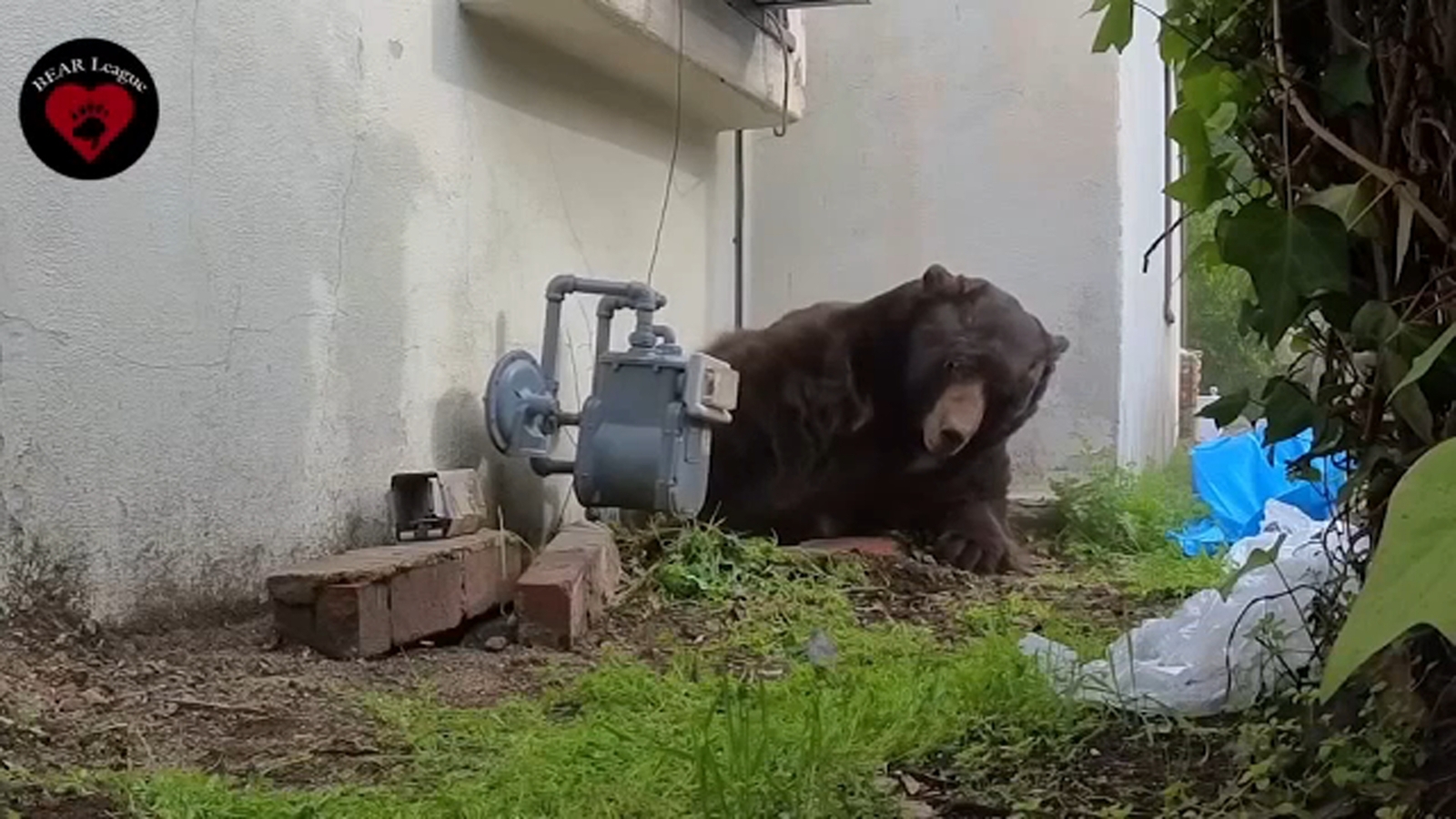
2 months agoWe're in danger of extinction': can Bolivia's water people' survive a rising tide of salt and migration?
In the small town of Chipaya, everything is dry. Only a few people walk along the sandy streets, and many houses look abandoned some secured with a padlock. The wind is so strong that it forces you to close your eyes. Chipaya lies on Bolivia's Altiplano, 35 miles from the Chilean border. The vast plateau, nearly 4,000 metres above sea level, feels almost empty of people and animals, its solitude framed by snow-capped volcanoes. It raises the question: can anybody possibly live here?
Environment
fromFast Company
1 month agoThese digital tools are stepping up the global fight against wildlife trafficking
In late 2025, Interpol coordinated a global operation across 134 nations, seizing roughly 30,000 live animals, confiscating illegal plant and timber products, and identifying about 1,100 suspected wildlife traffickers for national police to investigate. Wildlife trafficking is one of the most lucrative illicit industries worldwide. It nets between US$7 billion and $23 billion per year, according to the Global Environment Facility, a group of nearly 200 nations as well as businesses and nonprofits that fund environmental improvement and protection projects.
Environment
fromSun Sentinel
1 month ago'We got lucky': How Florida wildlife died - or survived - in the brutal February freeze
The record-breaking arctic blast that hit Florida earlier this month may have sent humans scurrying for winter coats, but it sent wildlife scurrying, swimming and slithering for their lives. Some of those animals were native, some were invasive. Some survived. Thousands of others did not. The benchmark for cold snaps in Florida is the 2010 freeze, which killed manatees, crocodiles, iguanas, thousands of snook and goliath grouper, and caused 50% to 90% of invasive pythons to die in some areas.
Environment
fromwww.dw.com
2 months agoTanzania's Maasai, wildlife corridor face growing pressure
Established in 2007, the Enduimet WMA lies adjacent to Kilimanjaro National Park and the Kenyan border. It involves 11 Maasai villages in a community-based system that has long been presented as a model of conservation in Tanzania. Under its rules, around 2533% of revenue from tourism and hunting goes directly to village members through an elected representative body, in contrast to the 3% allocated in game reserves.
Environment
Environment
fromwww.theguardian.com
2 months agoAfrica's great elephant divide: countries struggle with too many elephants or too few
Elephant numbers contrast sharply: catastrophic declines in South Sudan, with a lone collared bull in Badingilo, versus overabundance and human conflict in parts of Kaza.

fromLos Angeles Times
1 month agoMore than 1,400 California mountain lions get endangered species protections
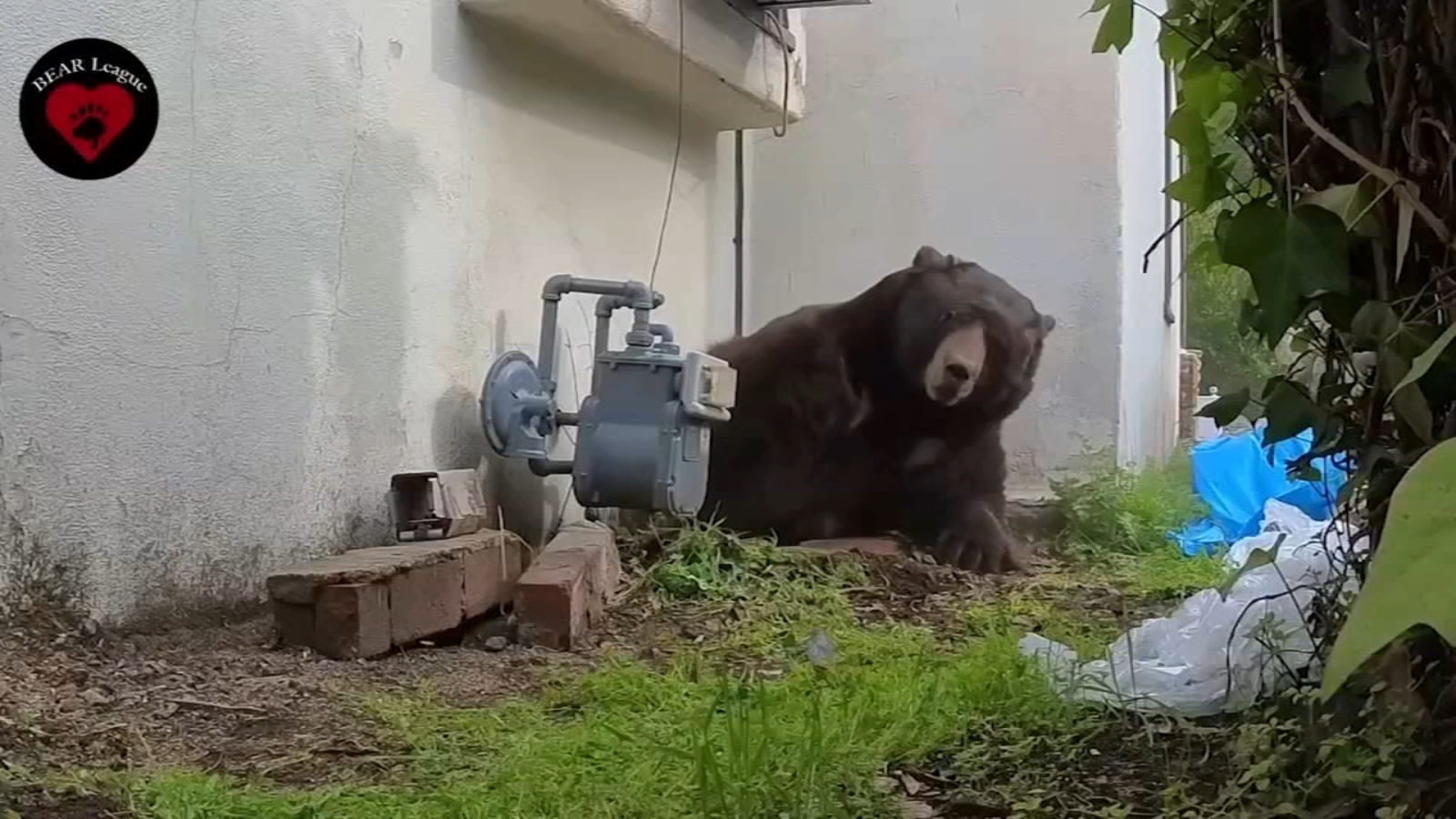
More than 1,400 California mountain lions are now protected by the state's Endangered Species Act. On Thursday, the California Fish and Game Commission unanimously voted to list six isolated puma populations in Southern California and the Central Coast as threatened under the state law, meaning they're likely to become endangered in the absence of intervention. During the public meeting, Commissioner Erika Zavaleta said it's good that the lions aren't facing imminent extinction, explaining, "I believe it's better for us to take action before we get to that point."
Environment
Environment
fromwww.theguardian.com
2 months agoIndonesia takes action against mining firms after floods devastate population of world's rarest ape
Indonesia revoked 28 company permits and sued six firms for environmental damage after floods and landslides devastated Batang Toru, killing 1,100 people and Tapanuli orangutans.
fromHigh Country News
2 months agoWhere giant kangaroo rats - and other critters - thrive - High Country News
It was a race against nightfall. As he hurried across the sandy, bristling landscape of California's Carrizo Plain, ecologist Ian Axsom stopped every 10 yards to place an aluminum live trap on the ground, eventually distributing traps over an area the size of two baseball fields. Against the rolling playas and tawny mountains, the traps glinted with golden remnants of the September dusk.
Environment
fromHigh Country News
2 months agoHow pronghorn outran the Ice Age - High Country News
If they survived the summer and reached adulthood, they would become some of the fastest land animals on Earth. Adult pronghorn, a bit smaller than deer, can run seven miles in just 10 minutes, achieving short bursts of nearly 60 mph, much faster than horses or wolves. With their long thin legs and oversized hearts and lungs, they are built to cover ground in the wide-open sagebrush basins of Wyoming, my home state.
Environment
fromwww.scientificamerican.com
2 months agoSvalbard's polar bears are showing remarkable resilience to climate change
Polar bears are the poster children of climate changeand for good reason. These giant bears hunt, mate and spend their days hanging out on Arctic sea ice, which is rapidly disappearing as the climate warms. But some polar bears, it seems, are far more resilient than we realized: new research suggests that in one region, the bears are adapting to the declining sea ice.
Environment
[ Load more ]