#android-unlocker
#android-unlocker
[ follow ]
#android #android-17 #smartphones #developer-verification #technology #smartphone #security #oppo #android-16 #privacy




#android-repair-mode

Mobile UX
fromZDNET
3 weeks agoGetting your Android phone repaired? Turn on this setting first - and lock down your data
Android Repair Mode is a special diagnostic mode available on Pixel and Samsung phones running Android 14 or later that helps troubleshoot hardware issues without full system access.
Mobile UX
fromZDNET
3 weeks agoGetting your Android phone repaired? Turn on this setting first - and lock down your data
Android Repair Mode is a special diagnostic mode available on Pixel and Samsung phones running Android 14 or later that helps troubleshoot hardware issues without full system access.
Information security
fromZDNET
3 weeks agoThis security flaw could affect 1 in 4 Android phones - how to check yours
A hardware flaw in MediaTek chips used in approximately 25% of Android phones allows attackers to access sensitive data including crypto wallet seed phrases within minutes via USB connection.
#android-sideloading

Privacy technologies
fromEngadget
2 weeks agoAndroid will hide app sideloading behind a new one-time security process
Google implements a multi-step verification process for sideloading unverified apps on Android, while offering free limited distribution accounts for hobbyist developers to share apps with up to 20 devices.
Privacy technologies
fromTechCrunch
2 weeks agoGoogle introduces a new way for users to sideload Android apps that still protects against scams | TechCrunch
Google introduces an 'advanced flow' setting allowing Android users to disable app verification requirements and sideload unverified apps while maintaining some anti-scam protections.
fromZDNET
3 weeks agoI changed 12 settings on my Android phone to extend its battery life by hours
One of the biggest battery drainers for any smartphone is the always-on display. Companies regularly tell you that this display setting only drains about 1% to 2% an hour, but let's be honest -- it's always way more. It may be nice to glance at your phone while it sits on a table to check the time, but it's probably not worth sacrificing battery life.
Gadgets
Privacy technologies
fromThe Verge
2 weeks agoGoogle reveals its solution for true Android sideloading: a mandatory waiting period
Developer mode activation requires multiple security steps including biometric authentication, waiting periods, and confirmation checks to prevent scam-induced security bypasses.
Information security
fromSecurityWeek
1 month agoAndroid Update Patches Exploited Qualcomm Zero-Day
Google released Android security updates patching nearly 130 vulnerabilities, including an exploited zero-day in Qualcomm chipsets affecting over 200 devices through integer overflow in graphics components.
#android-security
Privacy technologies
fromArs Technica
2 weeks agoGoogle details new 24-hour process to sideload unverified Android apps
Google will enforce developer verification for Android sideloading in September 2026, but an advanced flow in developer settings allows power users to bypass verification requirements.

Privacy technologies
fromArs Technica
2 weeks agoGoogle details new 24-hour process to sideload unverified Android apps
Google will enforce developer verification for Android sideloading in September 2026, but an advanced flow in developer settings allows power users to bypass verification requirements.
Artificial intelligence
fromEngadget
1 month agoGoogle announces new Android AI features coming to the Galaxy S26 and Pixel 10 series
Google introduced Gemini-powered Android features including multi-step task automation, enhanced Circle to Search for outfit matching, and AI-driven scam detection for calls and messages.
fromComputerworld
1 month ago3 future Android features you can give yourself today
Thanks to the way Google's for years now been deconstructing Android and pulling OS-level pieces out of the operating system itself - so they exist as regular ol' apps and can consequently be updated quickly, frequently, and in a way that reaches everyone instantly, regardless of what phone or carrier they're using - even Android phones from eight years ago get updates numerous times a year that are all virtually equivalent to an entire iOS operating system rollout.
Gadgets
#android-17
Mobile UX
fromTechRepublic
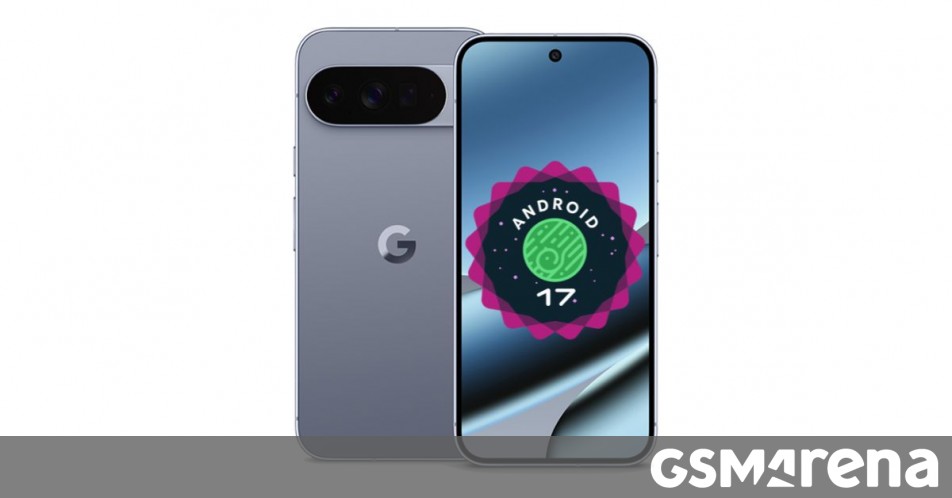
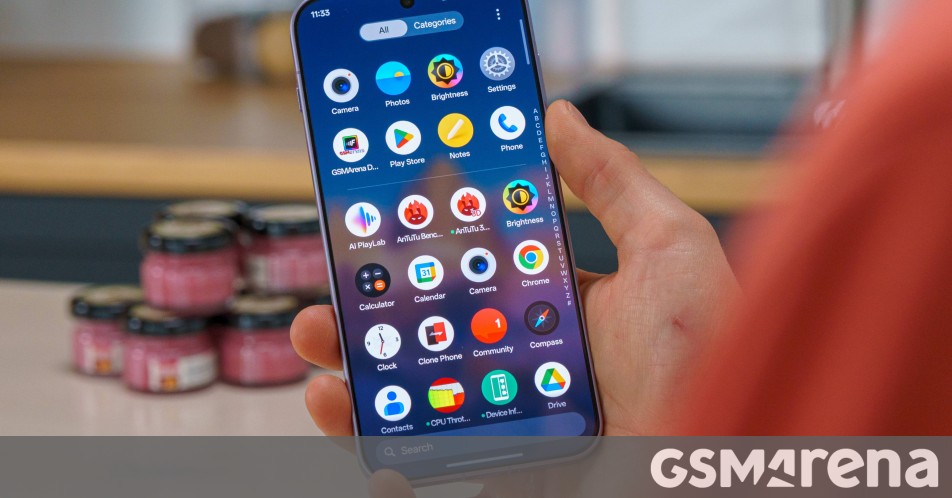
2 weeks agoAndroid 17 Leaks Reveal Major Redesign, AI Features, and Privacy Upgrades
Android 17 is undergoing significant development with a major visual overhaul, expanded Material 3 design system, and frosted glass interface effects expected in the stable release around June 2026.

Privacy technologies
fromArs Technica
1 month agoWith developer verification, Google's Apple envy threatens to dismantle Android's open legacy
Google is implementing Android developer verification requiring app makers to register with real names and pay fees, restricting sideloading and moving Android toward Apple's closed ecosystem model.
#grapheneos

Mobile UX
fromZDNET
1 month agoI can't wait for Motorola's GrapheneOS phones: Why they're a win for privacy and open source
Motorola will ship smartphones with GrapheneOS, a privacy-focused open-source Android fork, starting in 2027, marking the first major phone OEM to offer an alternative OS preinstalled.
Mobile UX
fromZDNET
1 month agoI can't wait for Motorola's GrapheneOS phones: Why they're a win for privacy and open source
Motorola will ship smartphones with GrapheneOS, a privacy-focused open-source Android fork, starting in 2027, marking the first major phone OEM to offer an alternative OS preinstalled.
Mobile UX
fromGSMArena.com
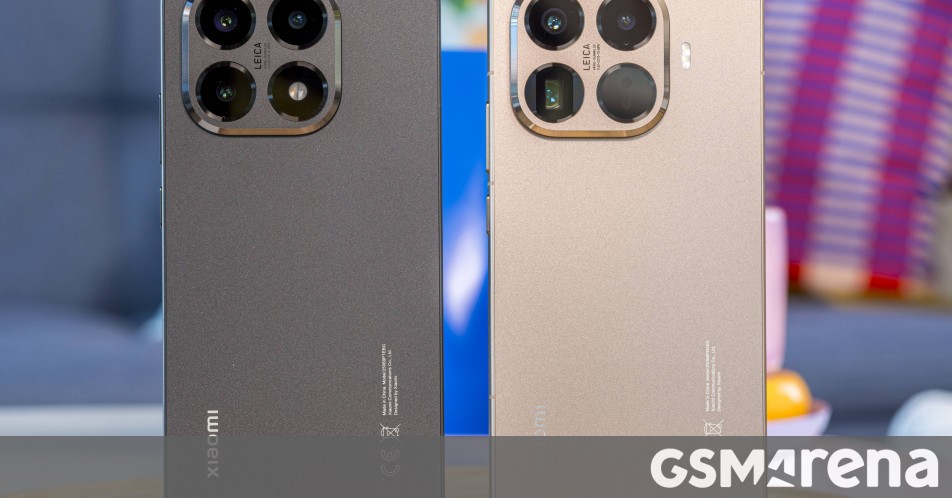
3 weeks agoPoco X8 Pro Max, Oppo Find N6 unboxed, Galaxy A57 listed, Week 11 in review
Multiple smartphone manufacturers are releasing new devices with advanced features including high-capacity batteries, powerful processors, and high-refresh-rate displays in the coming months.
fromZDNET
1 month agoPhone acting weird? 5 red flags that could point to hackers
Your mobile phone is a treasure trove of personal and confidential information. That's why it's a prime target for hackers who want to compromise or steal your data. Through malicious apps and websites, phishing attacks, and other threats, an attacker can gain control of your device through spyware. But how can you tell if your phone has been hacked or tapped?
Information security
Information security
fromTechCrunch
2 months agoAndroid phones are getting more anti-theft features | TechCrunch
Android expands theft-protection: toggle for Failed Authentication Lock, longer lockouts, Identity Check covers all biometric apps, optional Remote Lock challenge, defaults enabled in Brazil.
fromZDNET
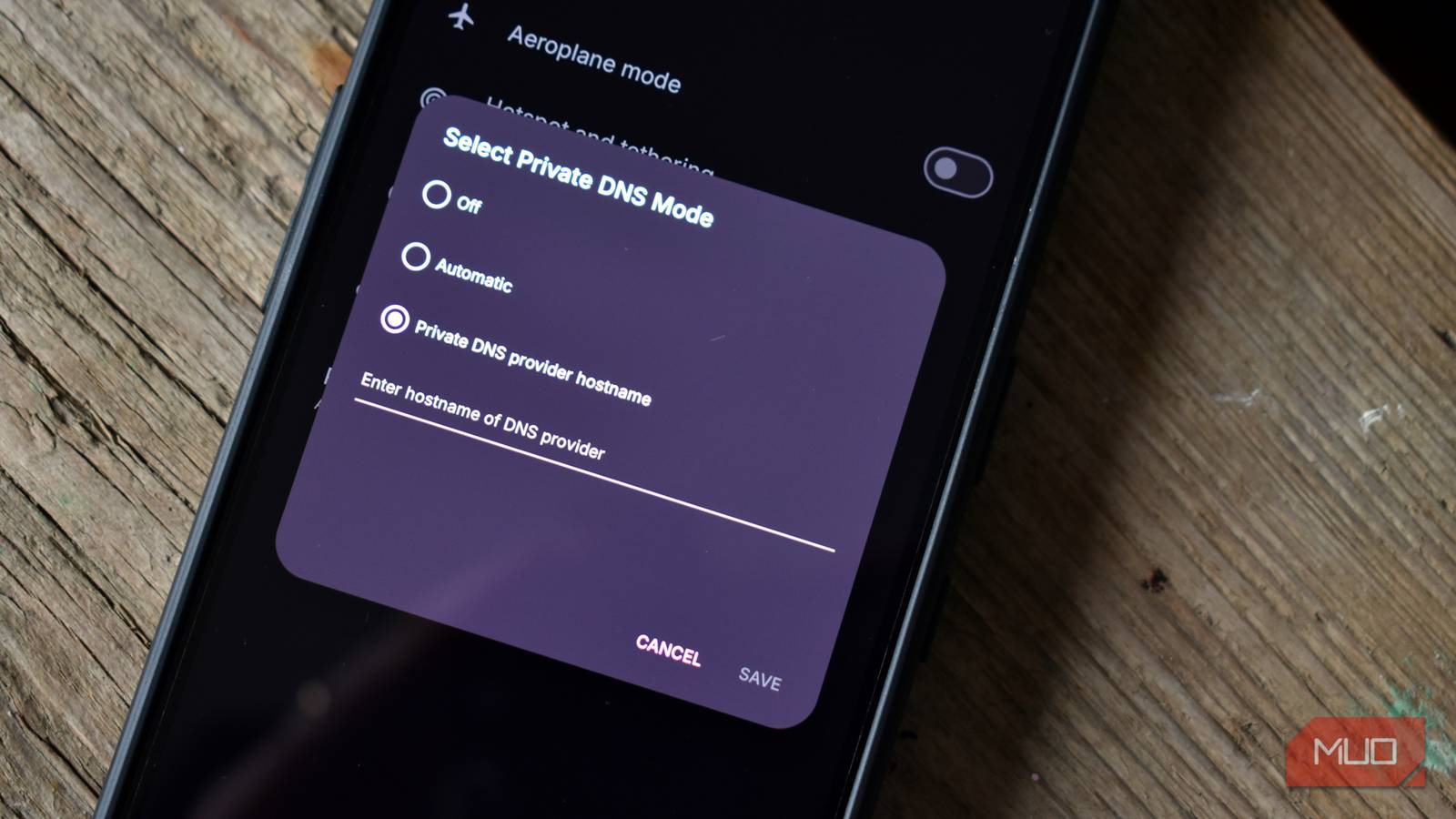
2 months agoYour phone is sharing data without your knowledge - how to stop it ASAP
Much of this information needs to be sent to the manufacturer to keep your device up to date and functioning properly. With that goal in mind, your phone might share any of the following tidbits: Device identifiers such as IMEI numbers, hardware serial numbers, and SIM details Telemetry data about the device's system status or health Service checks for push notifications and operating system updates Crash logs or diagnostic analytics The connectivity state, such as Wi-Fi vs. mobile Content updates, including news, social feeds, and synced emails
Privacy technologies
fromTech Advisor
2 months agoYour phone is covertly sharing your data at night! How to stop it
The data that a smartphone transmits in a continuous loop can be divided into two categories: legitimate data that maintains the functionality of the device, and sensitive data that is used for tracking, advertising and other purposes. It is not always clear which data falls into which category. For example, if your device sends diagnostic data and reports to the manufacturer or app developers, this may be necessary and important. However, it usually also requires your consent.
Privacy technologies
Gadgets
fromGSMArena.com
2 months agoWeekly deals: OnePlus 15, Galaxy S25 and Z 7 series, Motorola Razr 2025 series on sale
Motorola introduced a premium Signature phone and Razr Fold book-style foldable, both unavailable in the US; competing phones and storage/price variations offer alternative choices.
[ Load more ]