#animal-agency
#animal-agency
[ follow ]
#animal-welfare #conservation #wildlife-conservation #climate-change #environmental-protection #biodiversity

fromSFGATE
1 day agoSeabirds are dying in large numbers along California beaches
"They didn't even try to fly away. They just feebly made noise," a woman told the Santa Barbara Independent on Saturday after spotting over two dozen dead or dying cormorants near Goleta Beach. "A few were on their stomachs, wings spread [and] gasping for breath.... Heartbreaking."
Miami Marlins
Psychology
fromSilicon Canals
2 days agoResearch suggests people who feel more empathy for dogs than humans aren't broken - their empathy is fully intact, it's just been directed toward the only available recipient that has never weaponized it, and a person whose empathy has been weaponized enough times eventually stops handing it to anyone who could do it again - Silicon Canals
Empathy can be selective, often directed more towards animals than humans due to psychological and biological factors.
fromFast Company
4 days agoBig Bear's internet famous bald eagles have entertained millions. Now they need millions to save their home
Jackie, the world-famous Big Bear bald eagle, has been melting hearts and educating the public about her species since 2015, thanks to a web camera run by the California nonprofit Friends of Big Bear Valley (FOBBV).
Fundraising
#endangered-species-act
SF politics
fromFortune
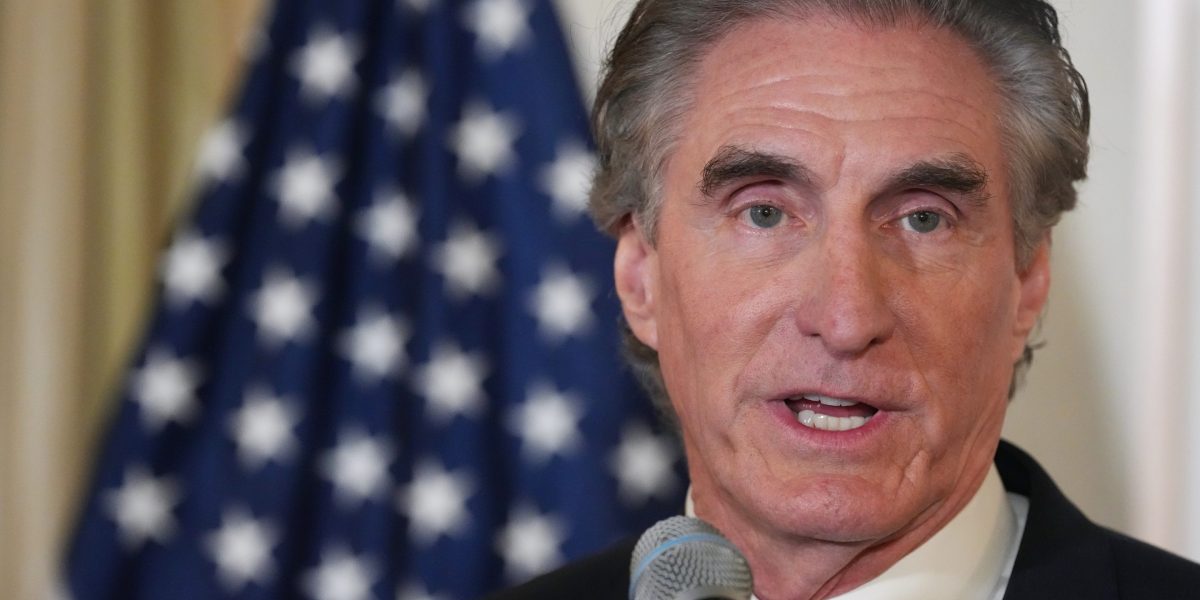
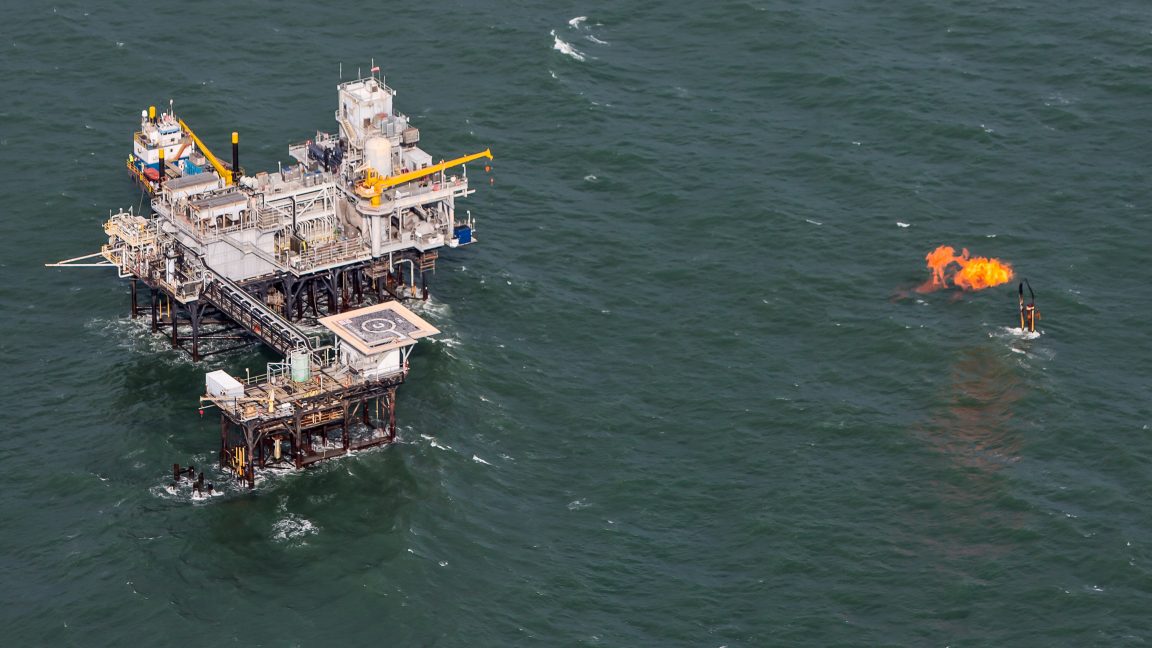
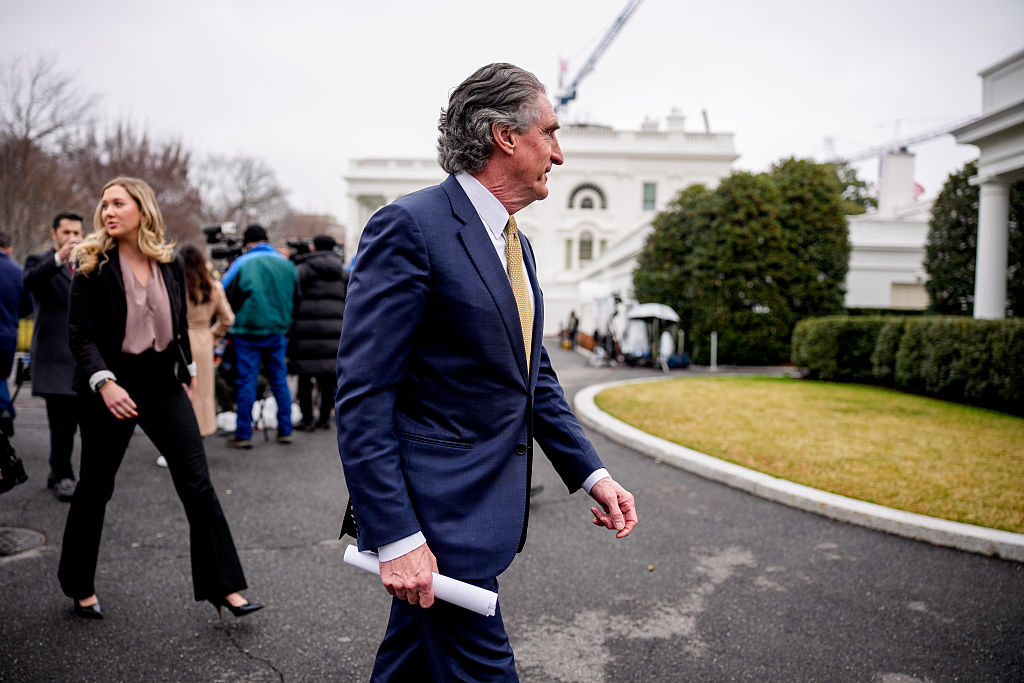
5 days agoWashington's 'God Squad' assembles to debate the fate of a rare endangered whale and drilling in the Gulf of Mexico | Fortune
A U.S. panel is considering exempting Gulf oil drilling from the Endangered Species Act, raising concerns for marine life and a rare whale species.
London politics
fromwww.theguardian.com
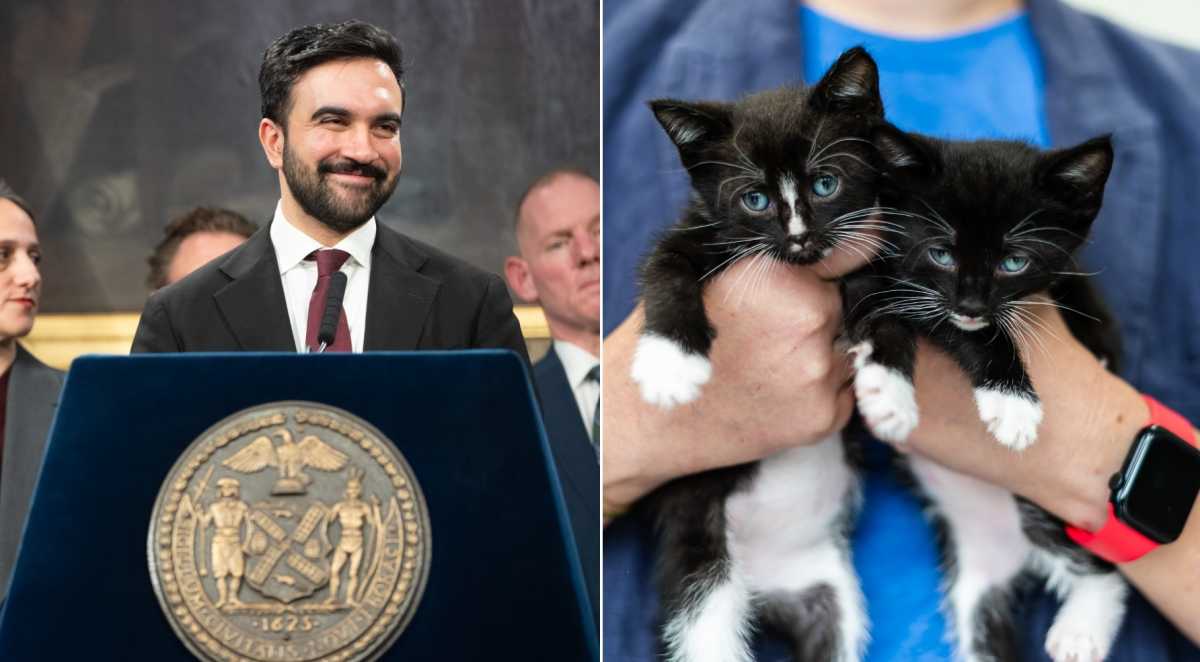
5 days agoWe didn't want to be preachy': David Attenborough's unexpected new show which might enrage cat lovers
David Attenborough's 'Secret Garden' emphasizes the importance of local biodiversity and offers practical solutions to ease eco-anxiety regarding wildlife.

#animal-welfare


Pets
fromwww.theguardian.com
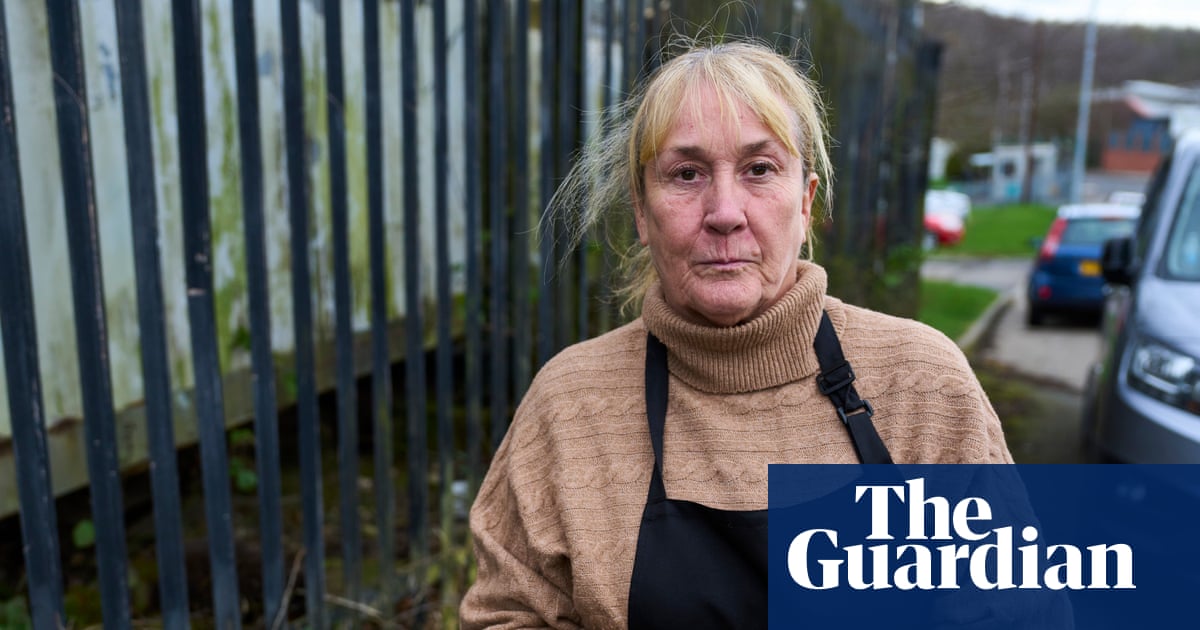
2 weeks agoI just wish they'd let me feed my cats': how council ban made one woman an animal welfare icon
A woman banned from feeding feral cats she cared for 20 years receives overwhelming community support after a neighboring business complained to the council about cat feces.
fromOpen Culture
2 weeks agoIn Her Final Reflections, Jane Goodall Issues a Warning: "Without Hope, We Fall Into Apathy"
Somebody sent to this world to try to give people hope in dark times, because without hope, we fall into apathy and do nothing, and in the dark times that we are living in now, if people don't have hope, we're doomed. How can we bring little children into this dark world we've created and let them be surrounded by people who've given up?
Writing
fromMail Online
5 days agoBritain has just 20 years to save its wildlife, experts warn
'Our results show that the next 20 years are critical,' lead author Dr Rob Cooke told the Daily Mail. 'By around 2050, we reach a point where the choices we make on emissions and land use will largely determine whether Britain moves towards a much more degraded or a much more nature‑positive future.'
Environment
fromNature
1 month agoThe age of animal experiments is waning. Where will science go next?
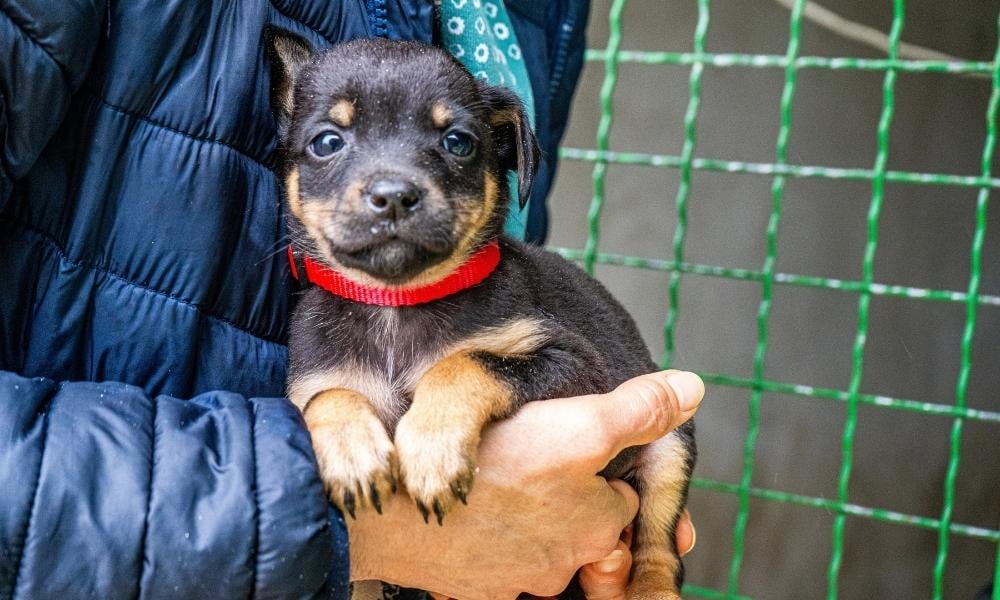
Last November, the UK government announced a bold plan to phase out animal testing in some areas of research. Animal tests for skin irritation are scheduled for elimination this year, and some studies on dogs should be slashed by 2030. The long-term vision is 'a world where the use of animals in science is eliminated in all but exceptional circumstances'.
Science
Environment
fromTruthout
3 weeks agoEnvironmental Activists Say the FBI May Be Investigating Them
FBI counterterror investigators are scrutinizing nonviolent climate activist groups like Extinction Rebellion NYC, raising concerns about federal law enforcement targeting constitutionally protected protest and free speech activities.
fromwww.theguardian.com
1 week agoThe Guardian view on vets: there is nothing cuddly about this under-regulated market | Editorial
The Competition and Markets Authority found that consumers have overpaid roughly £1 billion in veterinary fees over five years, highlighting a significant issue in the market.
Pets
Environment
fromwww.theguardian.com
1 month agoAustralian wildlife in harm's way' with volunteers left to pick up the pieces' amid climate crisis, fires and floods
Labor is urged to establish national wildlife protection standards for disaster response, with advocates warning biodiversity risks could become irreversible without coordinated government-funded rescue and rehabilitation services.
fromMindful
1 month agoCan Compassion Save the Planet?
When British author Karen Armstrong won the TED prize in 2008, she used the money to convene a group of religious thinkers from a wide range of faiths to craft an updated version of the Golden Rule for the 21st century. What emerged was the Charter for Compassion, which calls on people around the world "to work tirelessly to alleviate the suffering of our fellow creatures, to dethrone ourselves from the center of our world and put another there, and to honor the inviolable sanctity of every single human being, treating everybody, without exception, with absolute justice, equity and respect."
Philosophy
fromPsychology Today
1 month agoThe Hidden Lives of Lab Animals and the Need for Reform
Countless millions of nonhuman animals (animals) of all sorts are used in a diverse array of laboratory research. Their treatment varies from being unspeakably inhumanely abused to being treated with kindness, depending on the questions at hand and the values and attitudes of the researchers themselves. The lives of these animals truly are hidden, and most people are incredulous when they learn that laboratory rats and mice still are not considered "animals" under the current federal Animal Welfare Act.
Science
Social justice
fromNature
1 month agoMy professor said 'Black people are not interested in the environment'. I set out to prove him wrong
Dorceta Taylor pioneered research, programs, and leadership to document and advance racial diversity, inclusion, and environmental justice within environmental science and conservation.
fromwww.scientificamerican.com
2 months agoHow zoos are preparing animals for this weekend's massive winter storm
In Texas, the Houston Zoo has prepared its buildings and barns with heaters designed to withstand extreme conditions, the zoo said in a blog post on Friday. Animals will have access to extra hay and bedding, and food was stocked in advance. Across the Zoo, sensitive plants are being protected with coverings, and generators are positioned to provide backup power if needed, the blog post said.
US news
fromAnimals Around The Globe
2 months agoThe Animal Personality That Captures Your Social Media Style
Ever wondered what your Instagram feed says about your inner animal? Or why you scroll through TikTok like a cautious deer while your friend posts boldly like a roaring lion? The way we use social media mirrors the same personality traits scientists have found in animals for decades. Just as personality traits like neuroticism, agreeableness and extraversion have been studied in animals, these same traits shape how we present ourselves online.
Psychology
Pets
fromConsequence
3 weeks agoKatherine Heigl Defends Support for Mar-a-Lago Animal Rescue Event: "This Should Not Be a Polarizing Issue"
Katherine Heigl defended her appearance at a Trump Mar-a-Lago animal rescue fundraiser, emphasizing that animal advocacy transcends political divisions and raised $5.5 million for dog rescue.
Environment
fromFortune
1 month agoAnimal behavioralists saved a rhino with bleeding eyes by giving it eye drops, in a "ridiculous idea" gone right | Fortune
Voluntary training allowed caretakers to safely administer eyedrops to an endangered white rhino in Zimbabwe, preserving vision and protecting a community reintroduction program.
fromwww.dw.com
2 months agoThe business of saving nature
The world spends 30 times more money destroying nature than protecting it. That's according to a new report from the United Nations Environment Programme (UNEP) that exposes a massive gulf between so-called "harmful investments" and financing that promotes nature preservation. The global environment agency's latest "State of Finance for Nature" (SNF) report is calling to phase out the US$7.3 trillion (6.2 trillion) in global investments that damage nature including into high-emissions energy infrastructure and manufacturing, for example.
Environment

[ Load more ]