#anti-establishment-politics
#anti-establishment-politics
[ follow ]
#trump #trump-administration #protests #authoritarianism #immigration-enforcement #civic-engagement #activism


#political-activism
Public health
fromLos Angeles Times
4 weeks agoCommentary: Horrified by the state of the union, he's an angry protester. But he's also optimistic
Trump fatigue syndrome drives citizens to either disengage from politics or actively protest, with some like Bert Voorhees choosing civic engagement to defend American democracy against perceived authoritarian threats.
fromTruthout
3 days agoRupture and Repair Under Fascist Conditions
"We have a great opportunity in our movements to learn how to be opponents without being enemies," says Tanuja Jagernauth. This perspective emphasizes the importance of maintaining respect and understanding even amidst conflict.
Social justice
Media industry
fromNonprofit Quarterly | Civic News. Empowering Nonprofits. Advancing Justice.
5 days agoPolitics in an Attention Economy | Nonprofit Quarterly | Civic News. Empowering Nonprofits. Advancing Justice.
Candidates must be cultural figures to succeed in today's American politics, navigating an attention economy shaped by algorithms.
Portland
fromPortland Mercury
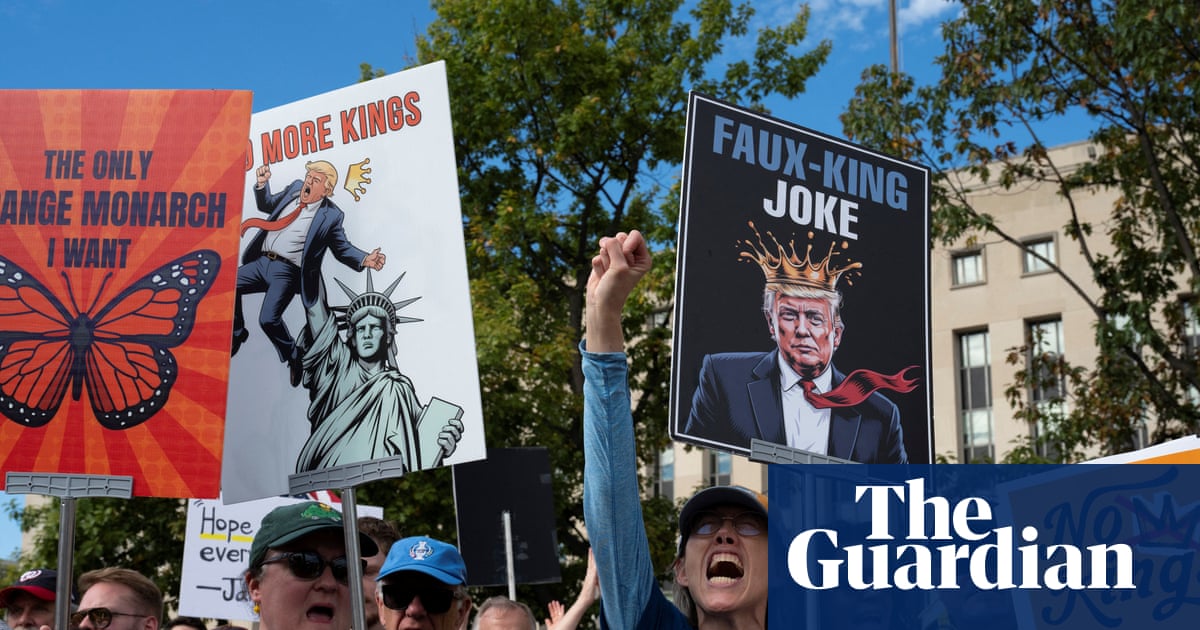
6 days agoGood Morning, News: Tens of Thousands Attend "No Kings" Protest, Another Disappointed Right-Wing Influencer, and Trump Threatens to Bomb Iran's Drinking Water
Support for local journalism and arts is crucial for community engagement and cultural enrichment in Portland.

Film
fromLos Angeles Times
2 weeks agoCommentary: What 'One Battle After Another' doesn't get about resistance in Trump's America
Paul Thomas Anderson's Oscar-winning film 'One Battle After Another' depicts armed resistance against government oppression but lacks substantive contemporary commentary despite critical acclaim.
UK politics
fromwww.theguardian.com
3 weeks agoWhy Populists Are Winning and How to Beat Them by Liam Byrne review a surprisingly original prescription
Liam Byrne's book attempts to address rightwing populism by advocating centrist deference to populist voters, but this approach lacks persuasiveness given populist voters are often motivated by factual myths rather than legitimate grievances.
SF politics
fromTruthout
4 weeks agoNew Extremist "Freedom Caucuses" Are Pushing State Governments Right Across US
The State Freedom Caucus Network has expanded to at least 15 state affiliates, providing organizational support and policy guidance to advance ultra-right-wing agendas across state legislatures.
Left-wing politics
fromenglish.elpais.com
3 weeks agoWhat can the left do against technocapitalism?
Technofeudalism has intensified neoliberal policies, threatening job precarity through platforms and AI while tech oligarchs support authoritarian movements, requiring democratic reform, worker protection, and technological sovereignty.
Law
fromAbove the Law
1 month agoStanding Up And Cheering For American-ish Principles - Above the Law
Trump's State of the Union challenge to Democrats about protecting American citizens over illegal aliens was a rhetorical trap that oversimplified complex policy issues requiring nuanced discussion rather than simple yes-or-no responses.
US politics
fromInside Higher Ed | Higher Education News, Events and Jobs
3 weeks agoThis Is What Democracy Looks Like
Recent federal actions have weakened voting rights protections established by the Voting Rights Act of 1965, particularly affecting college students and first-time voters through investigations and restrictions on voting engagement studies.
fromTruthout
3 weeks agoThe State Is Escalating Charges Against Protesters. Labor Must Defend Them.
It's my responsibility to protect them, and so I've been patrolling the city streets following armed, masked thugs trying to kidnap my neighbors. On July 10, Caravello was present at the site, and, according to witnesses, he was arrested directly after he attempted to dislodge a tear gas canister from underneath a protester's wheelchair.
US politics
fromwww.bbc.com
1 month agoGreen victory shows insurgent parties are here to stay
Blasting away one of Labour's biggest majorities shows that under the more left-populist leadership of Zack Polanski, the Greens are now playing in a different political league. Polanski and the party's new MP, Hannah Spencer, were explicit that they do not see this as a self-contained local contest but as the blueprint for all sorts of other parts of the country.
UK politics
World politics
fromwww.theguardian.com
1 month agoAutocracy is rising in the west. But the global south proves it's not inevitable | Kenneth Roth
Autocrats face growing internal pressure from their populations, while democracy remains valued globally despite Western challenges from far-right movements and disaffected voters.
Right-wing politics
fromThe American Conservative
4 weeks agoSo Much for the Anti-War Left!
Rep. Alexandria Ocasio-Cortez delivered hawkish internationalist statements at the Munich Security Conference, defending NATO and criticizing Trump's withdrawal from global engagement, disappointing the antiwar left.
fromThe New Yorker
2 months agoWhat MAGA Can Teach Democrats About Organizing-and Infighting
Dare, or the Drug Abuse Resistance Education program, was created in 1983 by the Los Angeles Police Department and the Los Angeles County school district. From the start, the program was a success. Its stated goal was "to equip elementary-school children with skills for resisting peer pressure to experiment with tobacco, drugs and alcohol." The initiative was embraced by police departments and politicians, and within just a few years the Dare curriculum had spread to more than three-quarters of the country's school districts.
Non-profit organizations
fromTruthout
2 months agoThe Hardest Part of Fighting Fascism Comes After the Fascists Have Fallen
I lived in Argentina in the mid-1980s, just after the fall of the brutal military dictatorship that ruled from 1976 to 1983. The country was taking its first, shaky steps back toward democracy. It was a time of great hope, but also of grave uncertainty - because while the generals were gone, the political culture that enabled them remained. Like most of the nation, I was captivated by the pioneering trials of the military generals that promised to restore justice.
World news
fromwww.theguardian.com
1 month agoPopulism': we used to know what it meant. Now the defining word of our era has lost its meaning | Oliver Eagleton
Populism may well have been the defining word of the previous decade: a shorthand for the insurgent parties that came to prominence in the 2010s, challenging the dominance of the liberal centre. But no sooner had it become the main rubric for discussing both the far left and far right than commentators began to question its validity: worrying that it was too vague, or too pejorative, or fuelling the forces to which it referred.
World politics
fromenglish.elpais.com
2 months agoIt is easier to overthrow a tyrant than to govern a leaderless country
Any lingering doubts about the true motives behind the 2003 invasion of Iraq were dispelled when looters were ransacking Baghdad, carrying off millennia-old artifacts from the Iraqi capital's archaeological museum, while U.S. troops fortified the Ministry of Oilthe only government building left untouched and from which not a single document emerged. The disastrous and illegal invasion, spearheaded by the United States with military support from the United Kingdom
World news
fromThe Atlantic
2 months agoAmerican Dissidence
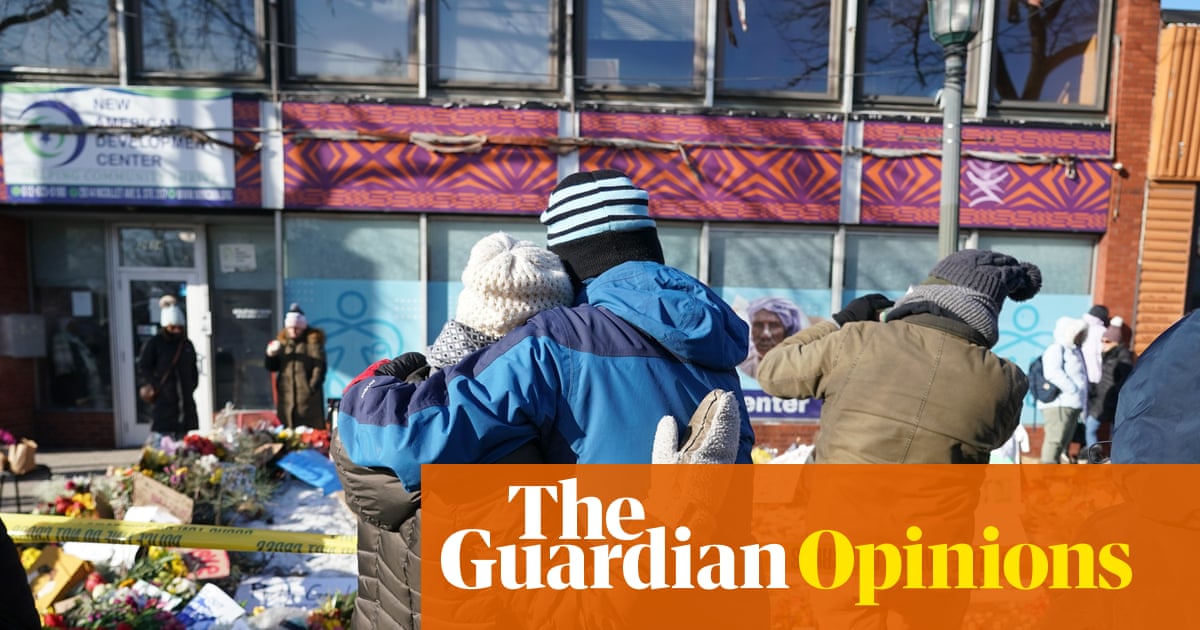
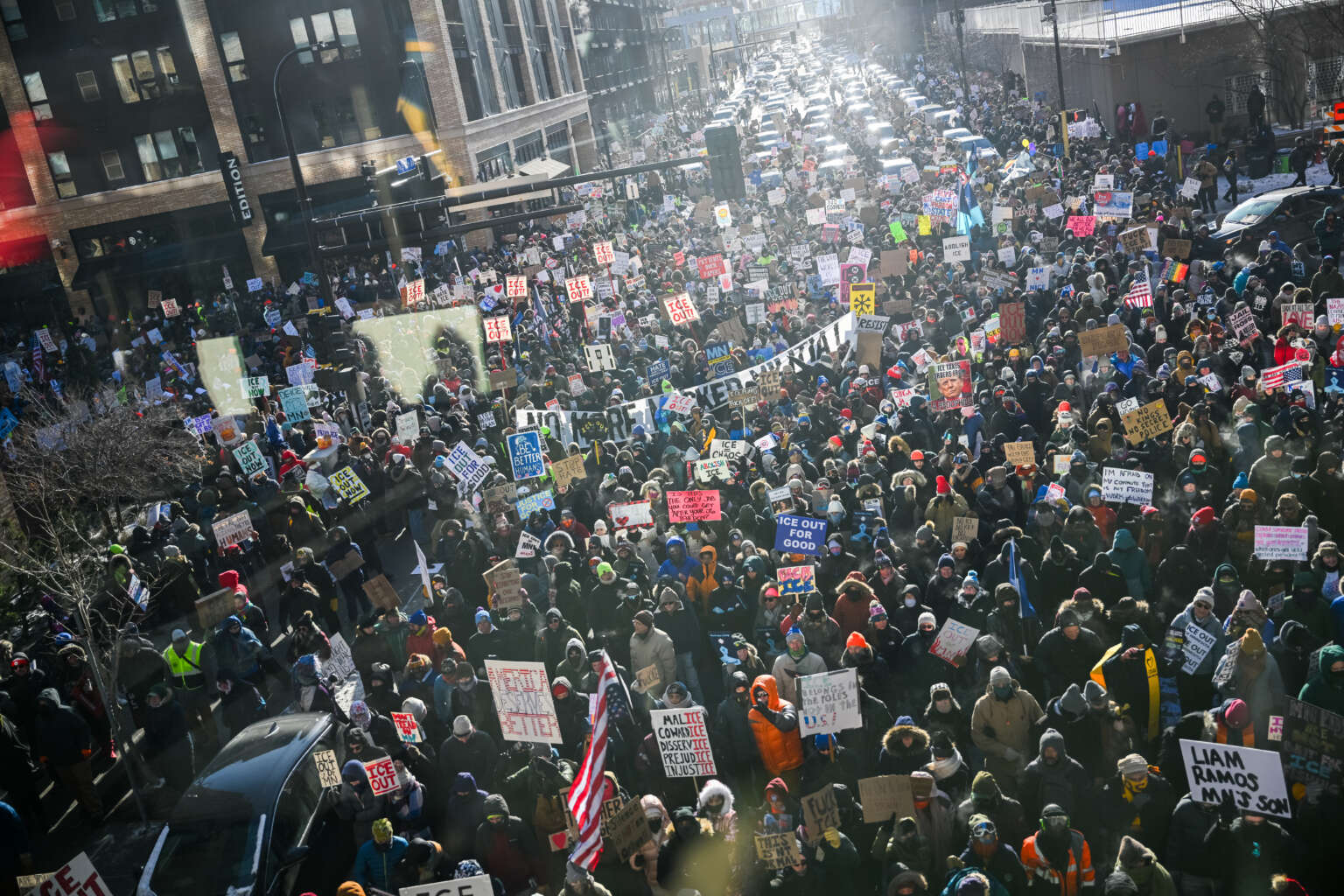
The word that comes to my mind is dissidence. If we want to understand why the whistleblowing, camera-wielding people of Minneapolis have caused the Trump administration-and Donald Trump himself-to flinch, I believe we need some added history, and a bigger map. What we've been watching is part of a long, established tradition-one that might help Americans unlock a different kind of future.
US politics
fromwww.theguardian.com
2 months agoAmerica feels like a country on the brink of an authoritarian takeover | Francine Prose
When we talk about our inability to pay attention, to concentrate, we often mean and blame our phones. It's easy, it's meant to be easy. One flick of our index finger transports us from disaster to disaster, from crisis to crisis, from maddening lie to maddening lie. Each new unauthorized attack and threatened invasion grabs the headlines, until something else takes its place, and meanwhile the government's attempts to terrorize and silence the people of our country continue.
US politics


fromenglish.elpais.com
1 month agoBernie Sanders: These are the most dangerous times that the United States has faced in modern history'
Also, as it has for a year, it did so awaiting the latest shock from U.S. President Donald Trump. This time, the Republican magnate had asked his party to strip the states of their constitutional right to organize elections in time for the November midterms, in which a third of the Senate, the entire House of Representatives, and the viability of the second half of Trump's second term are at stake.
US politics
fromThe Atlantic
2 months agoWhat Trump's War Against Wokeness Is Really About
The most notable, and perhaps most effective, ad of the 2024 presidential campaign featured footage of the Democratic nominee, Kamala Harris, voicing her support for gender-affirming treatment for inmates in federal prisons. "Kamala is for they/ them. President Trump is for you," the narrator concluded. The spot was a crisp, 30-second encapsulation of one of the key Republican talking points of the cycle: that "wokeness" was sweeping the nation and upending established ways of life, and that Donald Trump would fight against it.
US politics
fromThe Nation
1 month agoThe Republican Crack-Up Has Begun
Earlier this week, Gary Kendrick, a GOP council member in the red town of El Cajon, on San Diego's eastern outskirts, announced that he was crossing the aisle and joining the Democrats. Kendrick was the longest-serving Republican official in the region's local government. "I've been a Republican for 50 years," he said, in the statement explaining his action. "I just can't stand what the Republican Party has become. I'm formally renouncing the Republican Party."
US politics
[ Load more ]