#architectural-archive
#architectural-archive
[ follow ]
#architecture #design #sustainability #interior-design #historic-preservation #landscape #home-design
fromLos Angeles Times
2 days agoFor the derelict Wadsworth Chapel, a 125-year-old landmark in West L.A., is a rehab in the works?
"When I see this, I'm thinking hallelujah. It's the first real indicator that the VA is willing to step up and get that chapel restored, which frankly I think is their responsibility."
Non-profit organizations

fromArchDaily
5 days agoFundacio Mies van der Rohe Presents "Transnational Narratives," a Documentary on Six South Asian Women Architects
The documentary, created by Dr. Igea Troiani, Dr. Mamuna Iqbal, artist and researcher Paula Roush, and filmmaker Rime Tsujino, brings visibility to the experiences of six architects of South Asian origin.
Women in technology
fromArchDaily
1 week agoArchitectures of the Gaze: 25 Viewpoints for Experiencing the Landscape
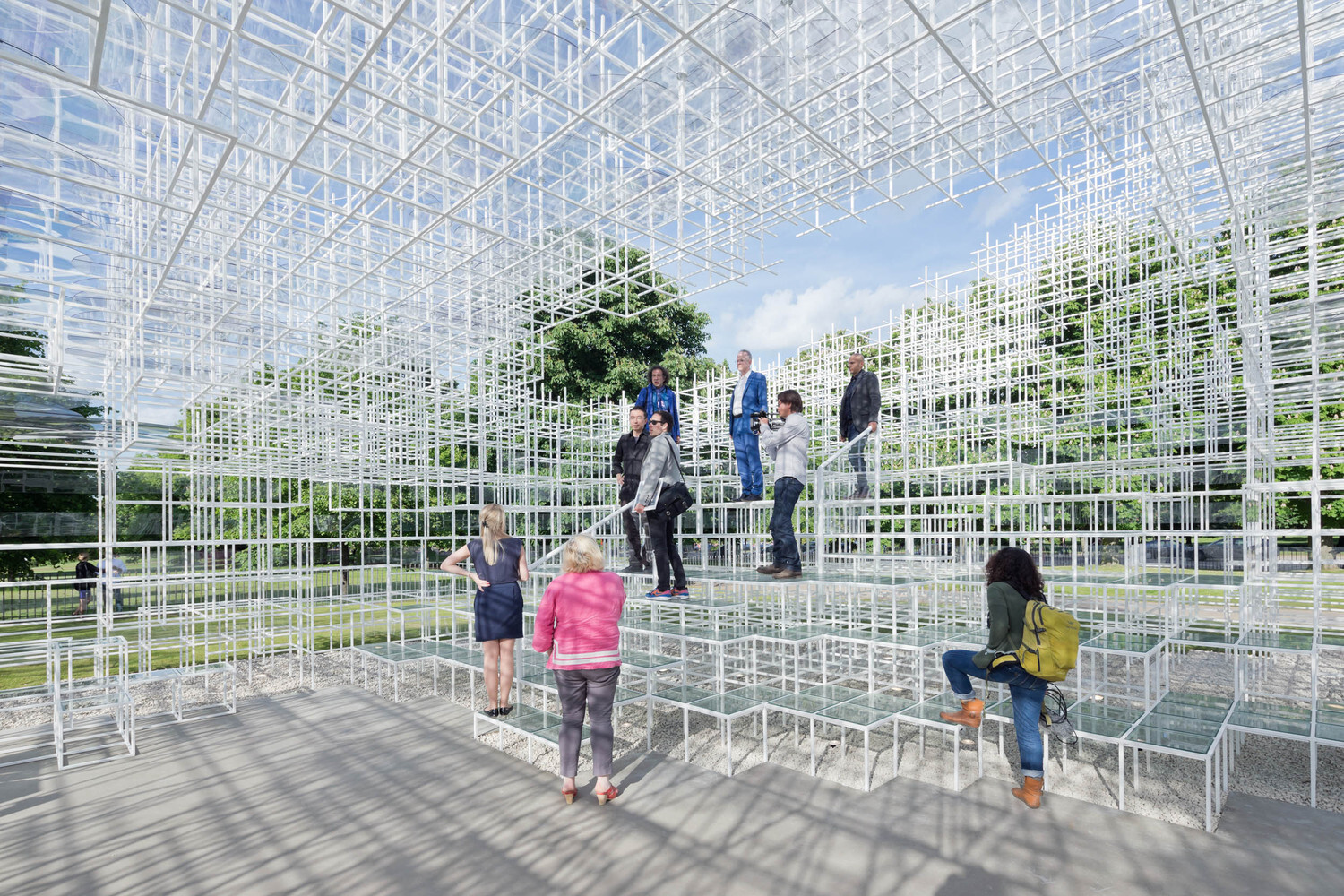
Viewpoints are structures designed for observing the landscape from elevated positions. They act as devices that organize the gaze and establish a direct relationship between the body and the territory.
Philosophy
fromArchitectural Digest
2 weeks agoHome Design for a Longer Life: Can a House Really Promote Longevity?
When you design your home with intentionality, you are essentially 'hard-coding' healthy behaviors into your daily rhythm. Health outcomes are the result of thousands of micro-decisions—so in his own home, he prioritized spaces like the kitchen, whose open layout makes cooking a pleasure, and the gym, centrally located.
Wellness
fromArchitectural Digest
3 weeks agoIs the Frank Lloyd Wright Real Estate Boom Over?
A couple of years ago, really well-prepared Wright properties sold very quickly. There were historically low interest rates and a lot of liquidity, even in the luxury market. Now the tides are shifting, and a post-pandemic frenzy for Wright designs has softened.
Real estate
fromArchDaily
4 weeks agoArchiving the Technosphere: How Museum Architecture Mediates Human-Made Systems
The contemporary technology museum has emerged as a performative participant in the systems it seeks to document. The architecture of these institutions has become increasingly fluid and bold, often mirroring the velocity and complexity of the systems it houses. They operate as mediators between the human, the ecological, and the technological realms, transforming from encyclopedic warehouses into active educational engines.
Science
fromArchitectural Digest
2 years agoBrutalist Architecture Is Divisive-Here's Everything You Need to Know About the Style to Determine Your Stance
The style is characterized by raw, exposed concrete and bold geometric forms. You've certainly seen it before in many cultural and civic buildings built between the 1950s and '70s. With countless examples spanning countries and continents, the look has both historical significance and remains popular-particularly in residential design-today.
Miscellaneous
Design
fromdesignboom | architecture & design magazine
3 days agoreversible cultural pavilion activates public space in frankfurt 2026
Spain's pavilion for World Design Capital 2026 emphasizes reversible cultural infrastructure and sustainable design through innovative materials and construction methods.
Design
fromYanko Design - Modern Industrial Design News
4 days agoBiomimetic Architecture Reaches New Heights With This Bird-of-Paradise Yoga Space - Yanko Design
Thilina Liyanage's architecture translates animal gestures into functional designs, exemplified by the Rifle Bird Yogashala inspired by the Victoria's riflebird's courtship display.
France news
fromOpen Culture
1 month agoHow This Skyscraper Ruined Paris, and Why They're Now Trying to Make It Invisible
Tour Montparnasse symbolizes Parisian modernity and commercialism but remains widely disliked as the city's lone central skyscraper, contrasting with celebrated landmarks like the Eiffel Tower.
Travel
fromArchitectural Digest
1 month ago15 Architectural Destinations to Add to Your Must-Visit List in 2026
Malacca and Macau showcase diverse architectural and cultural fusion from Portuguese, Dutch, Chinese, Malay, and international influences, attracting culinary tourism and major casino-driven economies.
fromThe Architect Elevator
2 months agoThe Mighty Metaphor
The Architect Elevator is a metaphor-in reality, the company leadership may be sitting on the same building floor as you; my car metaphors could fill an entire book; and " Architecture is Selling Options " has become the anchor of many architecture keynotes. So, at least my world of architecture is full of metaphors.
Software development
fromArchitectural Digest
1 month agoThis Walter Gropius Wonder Narrowly Escaped Demolition-and Gained a Stained Glass Masterpiece
Gropius, who from 1919 to 1928 directed the Bauhaus in Weimar and Dessau, designed the house in 1921-22 for lawyer Fritz Otte. The property is considered a dramatic evolution of Gropius's earlier seminal Haus Sommerfeld, which was also located in Berlin, but destroyed in World War II. The Bauhaus founder embraced a forward-looking approach with an unadorned, sharp-edged structure that rejected the heaviness of 19th-century historicism.
Berlin
fromFast Company
6 days agoYou can finally buy an Eames house. Sort of
"It has been estimated that one million five hundred thousand houses each year for a period of 10 years will be needed to relieve the urgent housing problem of this country. The enormity of such a need cannot even be partially satisfied by building techniques as we have known and used them in the past."
Renovation
fromdesignboom | architecture & design magazine
1 week agoproposal for net-zero landmark office in warsaw highlights adaptive use and ecological design
The project reimagines the structure through circular thinking, ecological strategies, and new construction technologies, embracing reuse as a model for sustainable urban development.
Renovation
fromArchDaily
2 weeks agoSpaces That Feel Back: How Buildings Respond to Human Behavior
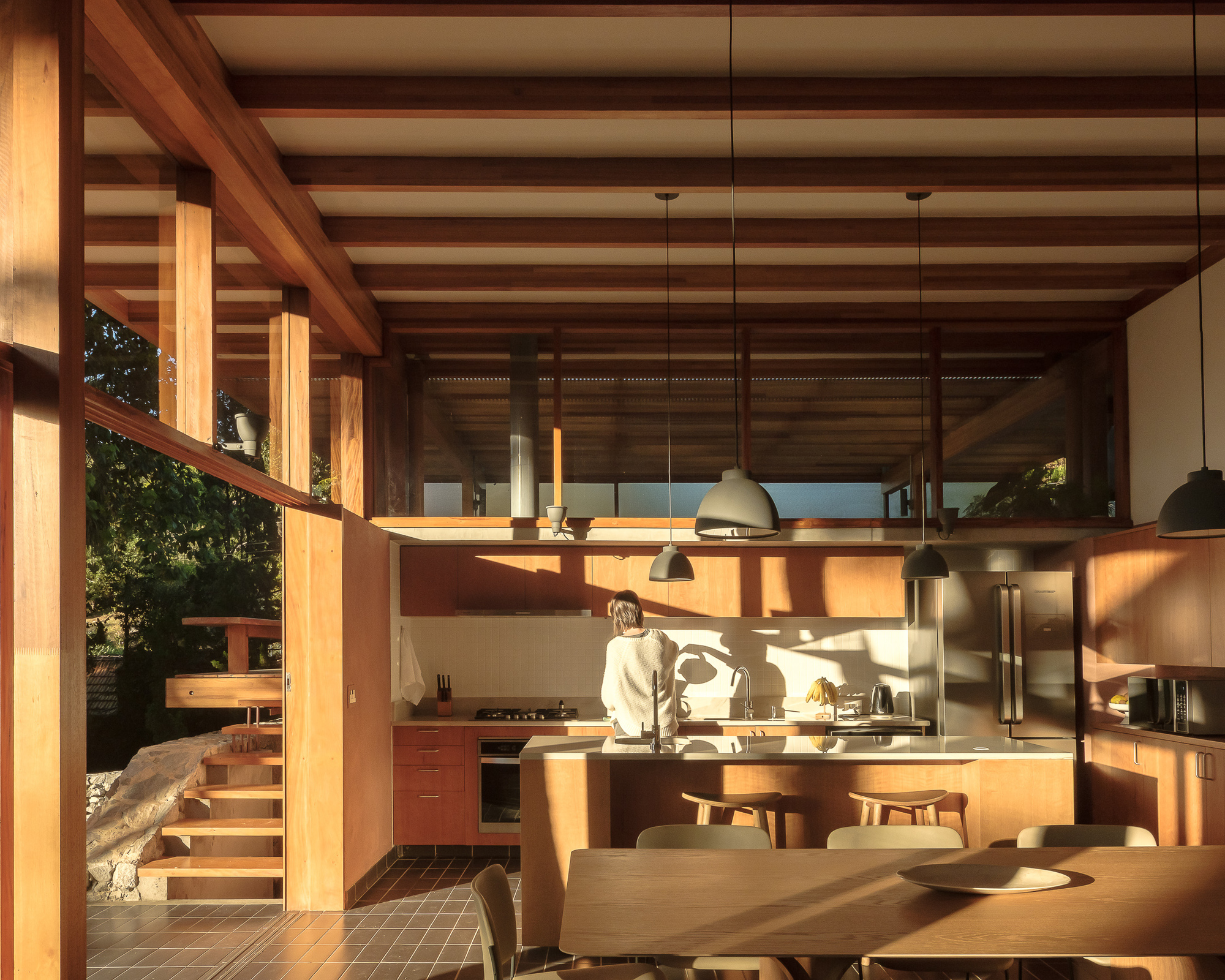
Decades of research in environmental psychology and building science reveal that indoor conditions can profoundly affect human health and behavior. Lighting influences circadian rhythms and sleep patterns. Air quality impacts cognitive performance and respiratory health. Temperature and acoustics shape comfort and concentration.
Renovation
Renovation
fromArchDaily
2 weeks agoRenovation and Continuity in Japanese Architecture: The Work of 1110 Office for Architecture
1110 Office for Architecture addresses societal and environmental transformation through careful residential renovations and precise spatial interventions that balance change with enduring elements.
fromArchDaily
2 months agoFragile by Design: How Can Buildings Be Designed to Outlast Their First Purpose?
Having explored adaptability at the city scale, we are now zooming in on the building itself-and, crucially, on practice. How can architects, developers, and consultants embed adaptability as a measurable, mainstream outcome? This question will be on the agenda at the Adaptable Building Conference (ABC) on January 22 at the Nieuwe Instituut in Rotterdam, where architects, engineers, policymakers, and industry leaders will explore the potential of adaptable buildings-and how to deliver them at scale.
Remodel
Design
fromwww.archdaily.com
1 month agoArchitecture as a Platform: What Makes a Building Evolve?
Architecture increasingly adopts product design principles, prioritizing operational clarity, performance, and scalability over novelty, making buildings accountable for functionality and consistent user experience.
fromArchDaily
2 months agoRevisiting 2025: 20 Classic Projects and Defining Stories in Architecture
Every architectural project is the result of deliberate choices. Beyond form and function, buildings embody technical, political, and cultural decisions that shape their relationship with both their surroundings and the people who inhabit them. ArchDaily's AD Narratives series explores these processes by bringing together accounts that trace projects from initial conception to built realization. In parallel, the AD Classics series turns to works of historical significance, presenting not only the stories behind these buildings but also technical drawings
Design
fromArchDaily
1 month agoShaping Architectural Continuity: 25 Revitalization Projects Across Historic, Industrial, and Natural Sites
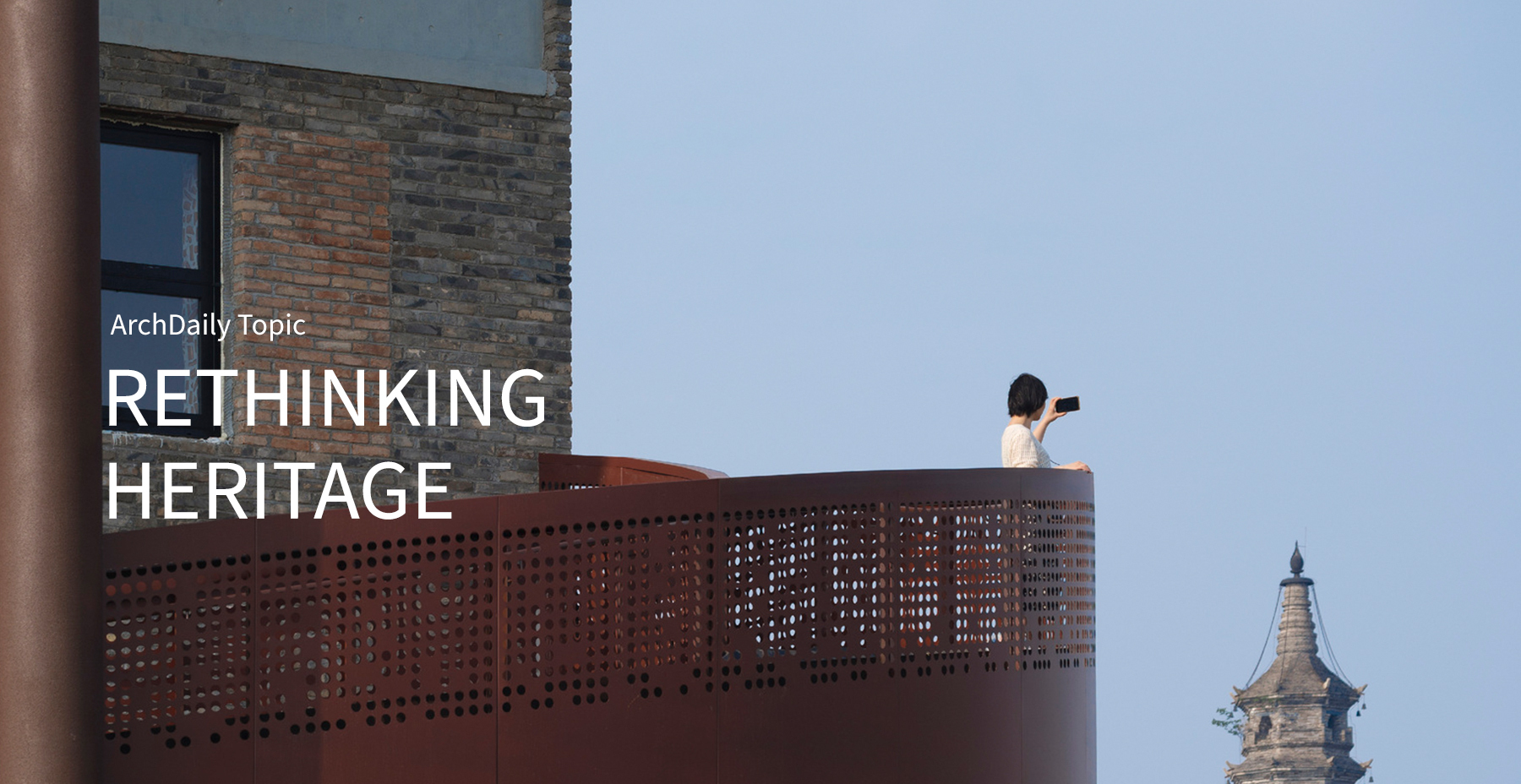
Heritage sites constitute complex spatial archives in which architecture, history, and collective memory converge. They encompass a wide spectrum of contexts-from archaeological remains, ancient and historic townscapes, UNESCO-listed landscapes, to early modern civic structures and industrial infrastructures. Yet these environments confront challenges: climate change, urban transformation, disaster, shifting social needs, and the gradual erosion of material fabric. Revitalization and restoration projects respond to these conditions by positioning architectural and spatial practice as an active mediator between preservation and the contemporary topologies.
Renovation
[ Load more ]