#ari-emmett
#ari-emmett
[ follow ]
#art #contemporary-art #brooklyn #art-exhibitions #new-york-city #sculpture #art-exhibition #whitney-biennial

fromTime Out New York
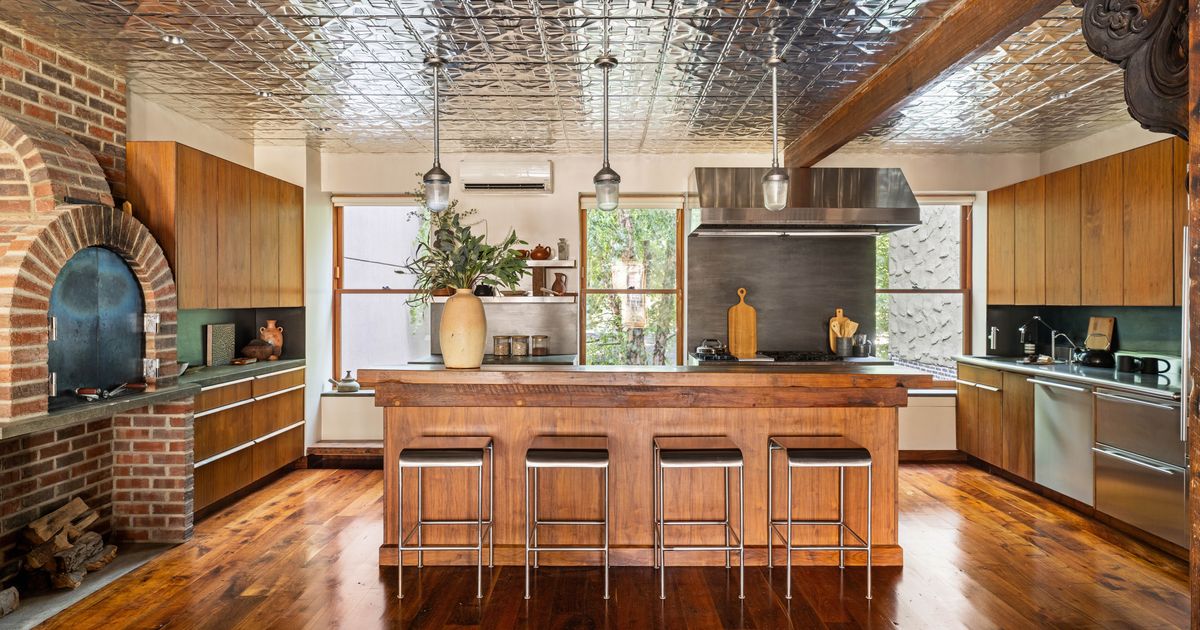
3 days agoAn exciting new theater and restaurant hybrid is coming to Bushwick
"Rather than a traditional theatre, we are creating a garden of earthly delights. Empyrean is a place of ecstasy, artistry and real interpersonal connection. When the curtain falls, the night has just begun."
London music


fromBrooklyn Paper
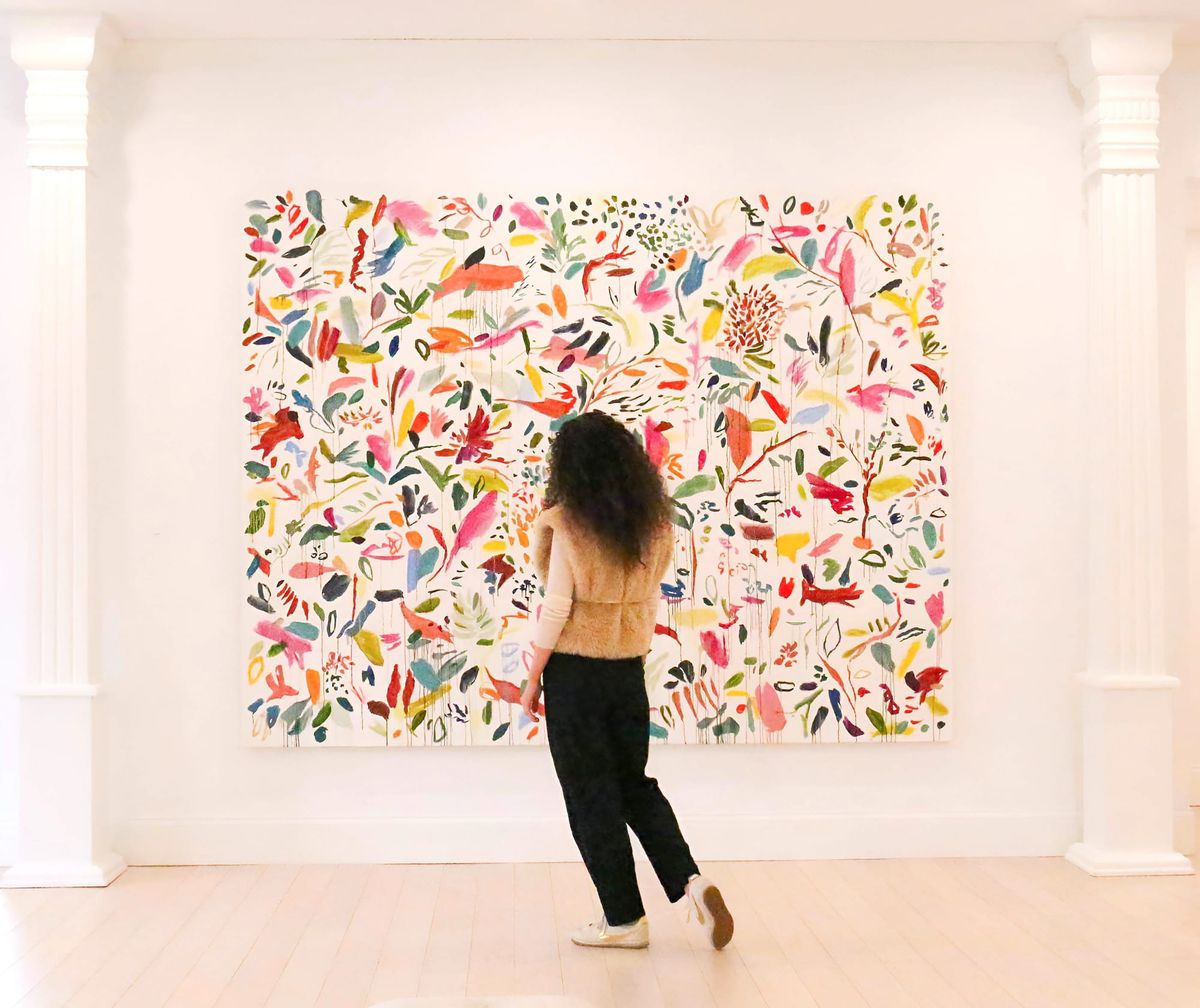
3 days agoLights, Movement, and Meaning: Achievement First Dance Festival Brings 700+ to Brooklyn Stage * Brooklyn Paper
There's something powerful that happens when students step onto a stage and the entire community shows up for them. Events like this bring families, staff, and students together in a way that builds pride, connection, and a real sense of belonging.
Brooklyn

fromGreenpointers
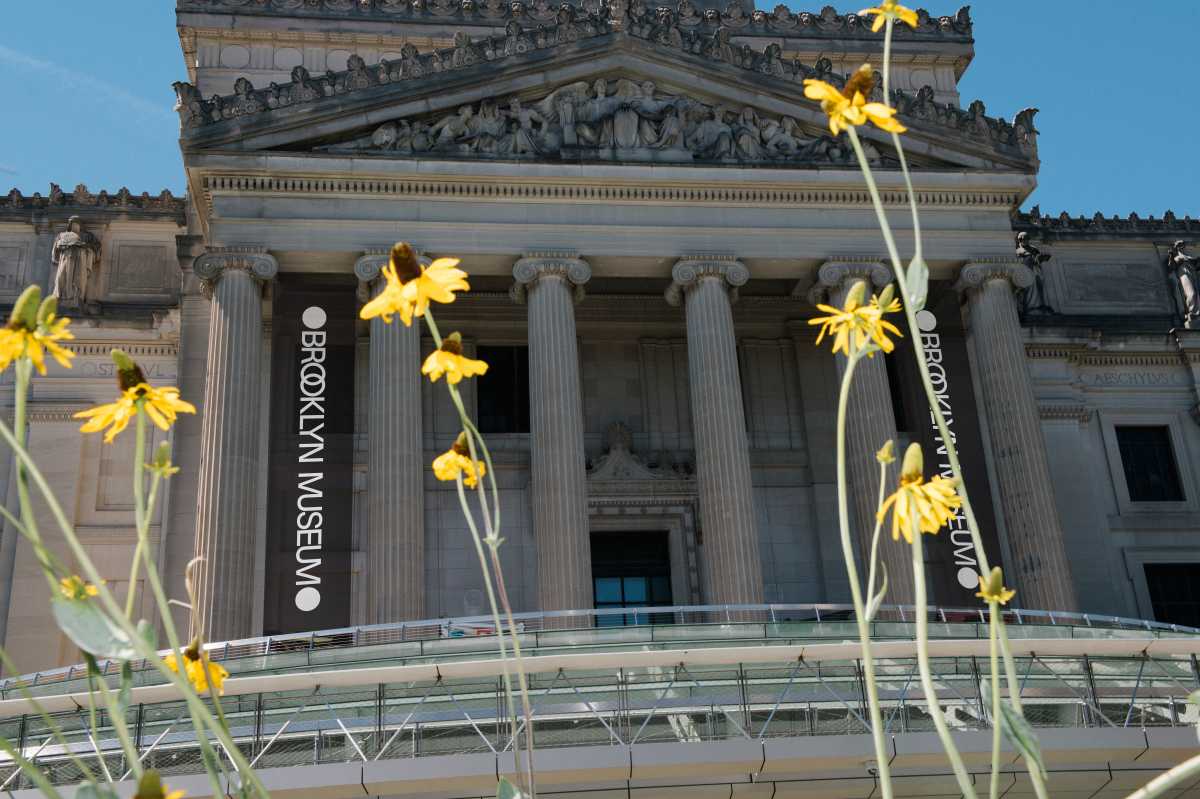
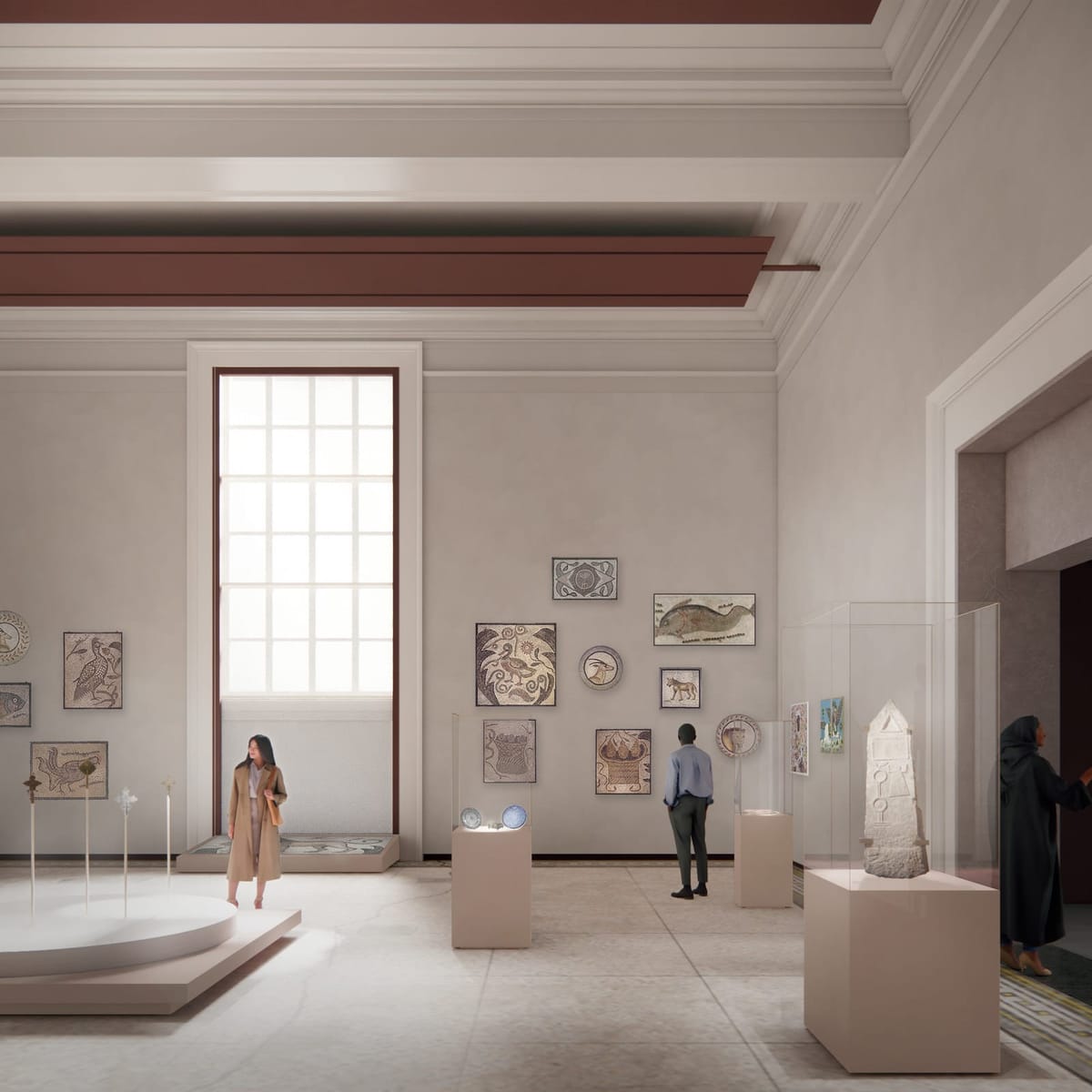
2 weeks agoReporting for Duty, Officer Scott Returns to the Brooklyn Art Haus Stage - Greenpointers
Officer Scott was sort of born by accident. He was a character in a sketch I wrote, written for a male actor, but I always would direct to give more Chris Farley energy to the character. Unfortunately, the actor that was supposed to play Officer Scott became sick the day before the show, but as showrunner and writer of the sketch, I figured I'd buy a costume and perform Scott myself.
Humor
fromHyperallergic
3 days agoThe Art World Is a Joke
Kamrooz Aram is everywhere this year, from Mumbai Art Week to the Whitney Biennial, and critic Aruna D'Souza is grateful. She pens a beautiful meditation on his work, reading his abstract paintings as not simply a denunciation of Western modernism nor a reassertion of Islamic visual motifs, but something else entirely - something gestural, exuberant, riotous, and incomparably his own.
Arts
fromBrooklyn Paper
6 days ago'Embrace Winter': 14th annual Bay Ridge Art Walk draws crowds to Third Avenue * Brooklyn Paper
"This festival, 'Embrace Winter,' is now in its 14th year. We've hosted several events throughout the season, and this is our final one. Today we're here celebrating art, culture and community all coming together."
Brooklyn
Arts
fromThe Art Newspaper - International art news and events
3 days agoPaul Pfeiffer will be inaugural artist-in-residence at Brooklyn's Barclays Center arena
Paul Pfeiffer will be the inaugural artist-in-residence at Barclays Center, focusing on media workshops for those affected by the criminal-justice system.
#art


Arts
fromIrish Independent
5 days ago'You have to step in and experience it' - artists on the rise of AI-generated art and the 'essential' gallery visit
Miriam Fitzgerald Juskova's exhibit combines paper quilling with mathematics, showcasing intricate art that engages viewers and emphasizes the value of handmade creations.
fromJuxtapoz
6 days agoJuxtapoz Magazine - Last Days to See Kate Meissner's New Paintings @ Lyles & King's Project Space, NYC
"These works are an exploration of the human body's elasticity and capacity to metamorphose. Informed by my own experience of pregnancy and the birth of my first child last year, these paintings are a meditation on physiological transformation and the body's underlying animalistic and mammalian nature."
Arts

fromHyperallergic
2 weeks agoWhat Do We Really Think of the New New Museum?
The new New Museum is many things: contemporary, perhaps, but also a science, history, anthropology, and many other museums in one. It echoes the desire of its patron class to own the world and its affiliated courtier class to deliver it to them on a silver platter, or encased in perforated metal, in this case.
Arts
fromHyperallergic
3 weeks agoEmbracing Friction in the Art World
On Franklin Street in Brooklyn's Greenpoint neighborhood, one non-commercial gallery fosters 'a small, stubbornly human space for friction.' Friction—the ubiquitous buzzword that captures the simultaneous delight and discomfort of doing things the slow way—is at the heart of artists Pap Souleye Fall and Char Jeré's current show at Subtitled NYC. It also reflects the overall spirit of this little exhibition space and of a burgeoning movement to reject our culture of optimization in favor of a bumpier, more intimate, less alienating experience.
Arts
fromHyperallergic
1 month agoA View From the Easel
I work outside, carving and shaping the stone. Outside my house, I have a table, an extension cord, and tools. It's very cold and I have to wear all my winter clothes. When it's too cold, I do the filing and finishing work inside after I shape it outside. I listen to all kinds of music. I listen to Eminem all the time; his albums are all my favorites. For drawings, I work at Kinngait Studios or at home on my kitchen table.
Arts
fromHyperallergic
2 months agoA View From the Easel
Mornings are best for concentrated work. In the winter, I turn on the heat at 8am and get started around 10am. Summer, I start around 9am. I have two areas in the studio for projects. The large, heavy wood sculptures are carved in the front section of the studio, closest to the roll-up wide door. Smaller sculptures are placed on a hydraulic workbench. Before I start, I focus, connect with the Source, and ask for guidance.
Arts
fromHyperallergic
2 months agoRequired Reading
Sprouting from the roof of the San Francisco Museum of Modern Art, artist Rose B. Simpson's newly installed bronze sculpture "Behold" has its gaze fixed on the cityscape before it. The Tewa of Khaʼpʼoe Ówîngeh artist, herself a mother, crafted a tender portrait of an interconnected parent and child that "asks us to be human with each other, to change our narrative through wonder, witness and a foundation in the soft warmth of our humanity," she said in a statement.
Arts
[ Load more ]