Graphic design
fromThe Verge
2 hours agoReally, you made this without AI? Prove it
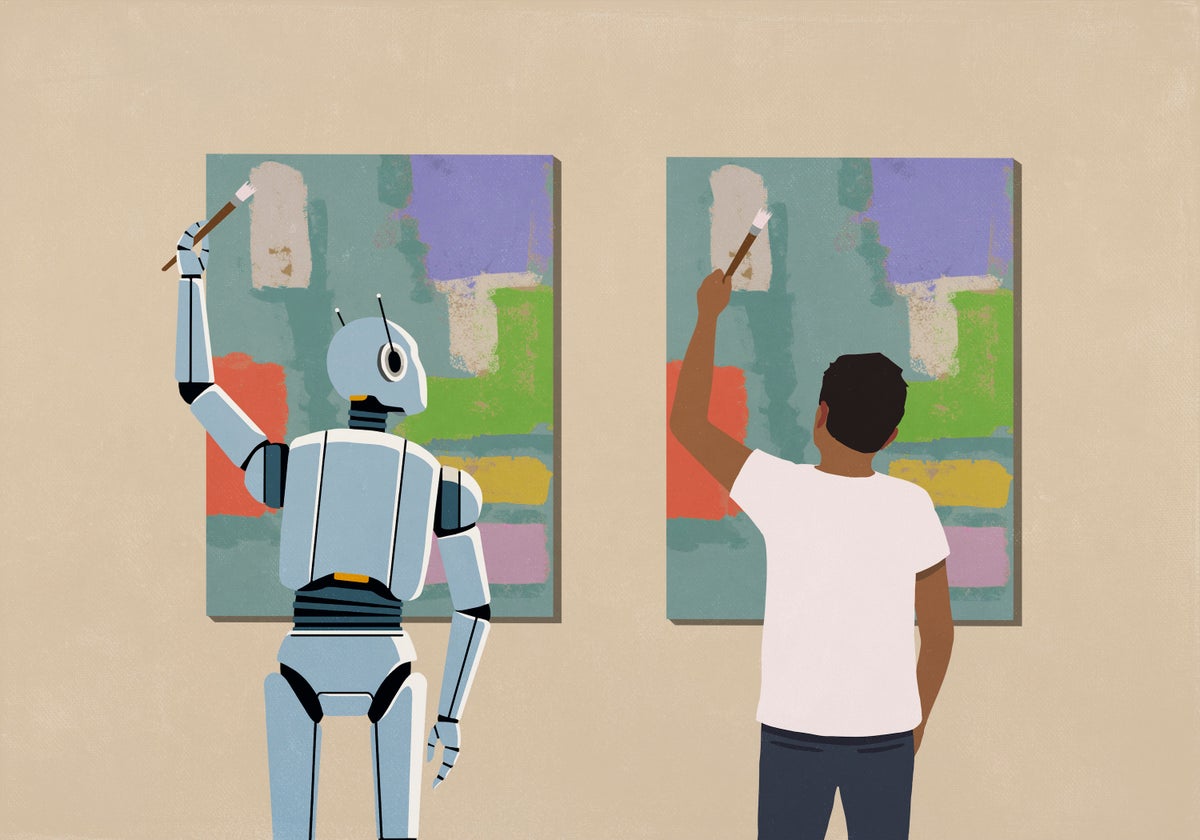
Labeling human-made content is essential as AI-generated works proliferate, creating confusion and skepticism among audiences.
Anna Holmes defines 'hype aversion' as a reflex against being told what to like, suggesting that popularity can create pressure rather than signal quality. This feeling can lead to a deliberate choice to resist mainstream culture.
Bondi's official DOJ portrait was reportedly spotted in the trash mere minutes after Donald Trump gave her the boot. Just straight to the bin, like last week's takeout and this week's credibility.
Kamrooz Aram is everywhere this year, from Mumbai Art Week to the Whitney Biennial, and critic Aruna D'Souza is grateful. She pens a beautiful meditation on his work, reading his abstract paintings as not simply a denunciation of Western modernism nor a reassertion of Islamic visual motifs, but something else entirely - something gestural, exuberant, riotous, and incomparably his own.
All of us live in an age where we're bombarded by social media and artificial intelligence - when striving to be your authentic self becomes an increasingly difficult task. Yet, even if it has somehow become a common goal, it is unclear how many of us can truly define the "authenticity" that we say we are pursuing.
"In a time of unprecedented division, escalating conflict, and economic turmoil, President Trump focused on what truly mattered: remodeling the Lincoln bathroom in the White House," reads a bronze plaque affixed to the work.
Bregman claims, 'Today the whole of Europe risks turning into one big Venice, a beautiful open-air museum. A great destination for Chinese and American tourists. A place to admire what was once the centre of the world.' This statement encapsulates the concern that Europe is losing its cultural significance.
There's a particular kind of panic that hits when you're facing a creative problem, and the well just feels... empty. Every idea seems stale. Every solution feels recycled. And the question creeps in: Have I finally used up all my good ideas? Maybe it's your third attempt at solving the same design problem, and every solution feels like a pale echo of something you've already tried. Or perhaps you've been churning out work for months, and suddenly the spark you used to rely on? Gone.
On Franklin Street in Brooklyn's Greenpoint neighborhood, one non-commercial gallery fosters 'a small, stubbornly human space for friction.' Friction—the ubiquitous buzzword that captures the simultaneous delight and discomfort of doing things the slow way—is at the heart of artists Pap Souleye Fall and Char Jeré's current show at Subtitled NYC. It also reflects the overall spirit of this little exhibition space and of a burgeoning movement to reject our culture of optimization in favor of a bumpier, more intimate, less alienating experience.
As if demolishing the East Wing, gutting arts agencies, and slapping his name and face on several federal buildings weren't enough, the US president now wants to do away with a DC building known as the "Sistine Chapel of New Deal art." This week, we reported on a burgeoning campaign to save the Wilbur J. Cohen Federal Building, which houses murals by Ben Shahn, Philip Guston, Seymour Fogel, and other major American artists. We will continue to follow this story.
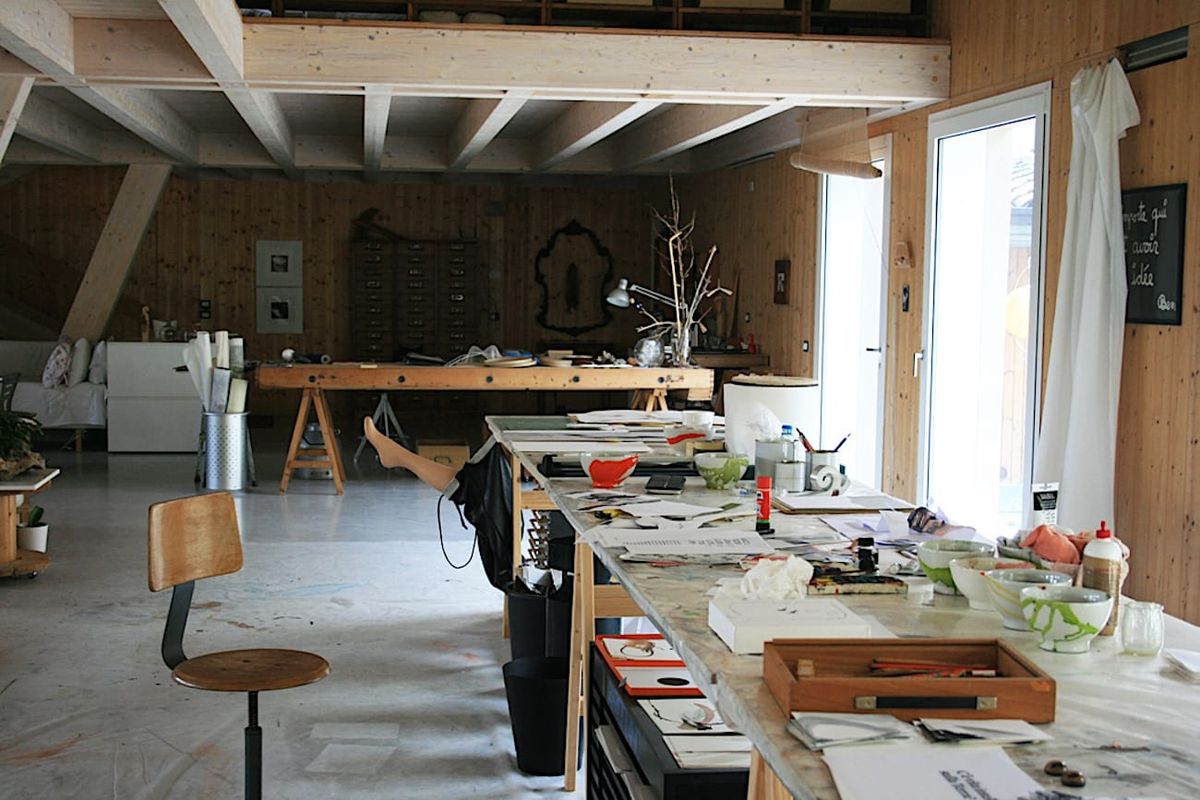
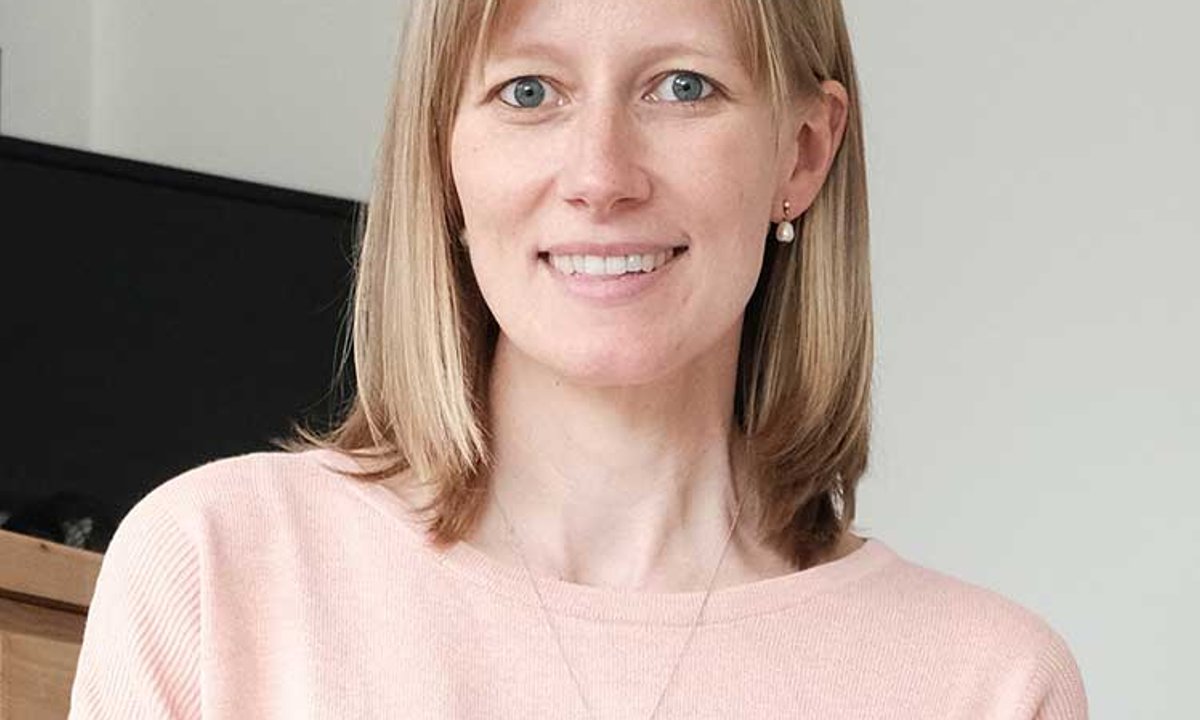
The studio is at my house within a ranch, surrounded by nature. It's on the second floor of the house, where there's better light. My routine all day shifts between studio work and housework, including outdoor garden work. I get up a bit before 7am, drink coffee in the yard, and get morning sunshine. Then my husband and I eat breakfast and do a bit of cleaning or some chores in the garden.