#art-and-language
#art-and-language
[ follow ]
#art #sculpture #photography #art-exhibitions #contemporary-art #art-exhibition #whitney-biennial #design #activism
#art


Arts
fromIrish Independent
4 days ago'You have to step in and experience it' - artists on the rise of AI-generated art and the 'essential' gallery visit
Miriam Fitzgerald Juskova's exhibit combines paper quilling with mathematics, showcasing intricate art that engages viewers and emphasizes the value of handmade creations.
fromItsnicethat
3 days agoBravas Graphix are the rave connoisseurs behind some of Brussels' most explosive posters
"We're constantly striving to strike a balance between work that respects academic rules of composition, established visual codes and good readability, with something more spontaneous, adventurous, playful, even naive."
Typography
Graphic design
fromdesignboom | architecture & design magazine
2 days agohiggsfield brings art-directed quality to AI image generation at production scale
Higgsfield's Soul 2.0 revolutionizes AI photo generation for the creative industry, enhancing visual quality and efficiency in producing artistic imagery.
fromWIRED
6 days agoMeet the Man Making Music With His Brain Implant
Galen Buckwalter, a 69-year-old research psychologist and quadriplegic, participated in a brain implant study to contribute to science that aids those with paralysis. The six chips in his brain decode movement intention, allowing him to operate a computer and feel sensations in his fingers again.
Music production
Music
fromPsychology Today
3 weeks agoArt as a Biological Bedrock of Shared Humanity
Humans are biologically wired for shared artistic experiences, which serve as essential connective tissue for our nervous systems and cultural identity, transcending the perceived obsolescence of performing arts in the digital age.
Design
fromdesignboom | architecture & design magazine
5 days agoartwork uses floating fabric corridor and bodily movement to visualize climate change
Ryo Yamada's Perception Corridor is an immersive installation in Edinburgh that explores perception and environmental awareness through a 40-meter fabric corridor.
fromHyperallergic
3 days agoThe Art World Is a Joke
Kamrooz Aram is everywhere this year, from Mumbai Art Week to the Whitney Biennial, and critic Aruna D'Souza is grateful. She pens a beautiful meditation on his work, reading his abstract paintings as not simply a denunciation of Western modernism nor a reassertion of Islamic visual motifs, but something else entirely - something gestural, exuberant, riotous, and incomparably his own.
Arts
Miscellaneous
fromThe Art Newspaper - International art news and events
1 month agoComment | Art is more than its original context
Understanding art's original context enriches appreciation, yet modern viewing conditions and lost contexts require adapting how we engage with artworks across different settings and time periods.

fromBOOOOOOOM!
4 days ago"Idling" by Artist Greta Kresse
"These paintings merge the landscape and the intimacy of windows through the framing of the car, bridging the two realms I've typically explored separately. The car becomes a meditation on transition, on existing simultaneously here and elsewhere."
Arts
Environment
fromThe Art Newspaper - International art news and events
2 months agoComment | In worrying times for politics and the environment, art can still provide hope
Olafur Eliasson confronts the climate emergency through art and action, urging practical engagement over passive hope while remaining committed to idealism.
fromBoard Game Quest
1 month agoSand Art Review
Sand Art is a game by Kory Jordan and published by 25th Century Games for two to four players ages 10 and up. It takes about an hour to play, and has you collecting resources and then coloring in a bottle, making art in a bottle out of sand, in case the name didn't give away the plot. Gameplay Overview: Sand Art has you gathering and mixing sand, which is used to fill your bottle.
Board games
fromArtforum
2 months agoCommercial Break
AT FIRST GLANCE, the phrase "avant-garde advertising" might seem like a contradiction in terms: The avant-garde is assumed to be inherently anti-capitalist and the realm of advertising crassly commercial. But the involvement of avant-garde artists with advertising is in fact rich, complex, and long-standing, encompassing a full century of collaborations, critiques, and reworkings of all sorts. That entanglement-in all its diversity-is the topic
Film
fromHyperallergic
3 weeks agoEmbracing Friction in the Art World
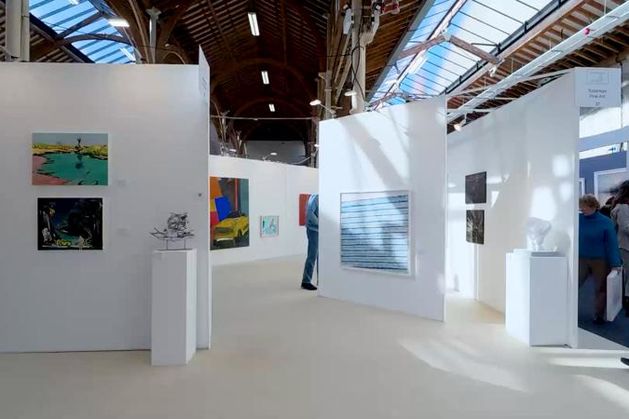
On Franklin Street in Brooklyn's Greenpoint neighborhood, one non-commercial gallery fosters 'a small, stubbornly human space for friction.' Friction—the ubiquitous buzzword that captures the simultaneous delight and discomfort of doing things the slow way—is at the heart of artists Pap Souleye Fall and Char Jeré's current show at Subtitled NYC. It also reflects the overall spirit of this little exhibition space and of a burgeoning movement to reject our culture of optimization in favor of a bumpier, more intimate, less alienating experience.
Arts
Arts
fromThe Art Newspaper - International art news and events
3 weeks agoArtists agonise over when a work is finished-but should we viewers care?
Artists determine completion when they have successfully transformed visual memory and emotion into a physical object, at which point further work becomes unnecessary.
Arts
fromSilicon Canals
1 month ago8 signs you appreciate art, music, and culture on a deeper level than most people - Silicon Canals
Some people experience art deeply, reacting emotionally and perceiving subtle artistic cues that reveal heightened sensitivity and meaningful connections to creative expression.
fromHyperallergic
1 month agoThe Sticky Politics of Wall Texts
In 2024, I made a vow to never base my art criticism on wall labels. My decision came after reading reactions to that year's Whitney Biennial. "If every label in 'Even Better Than the Real Thing,' the 81st installment of the Whitney Biennial, were peeled off the walls and tossed into the Hudson, what would happen?" asked Jackson Arn in the New Yorker. (He went on to suggest that the overall show would have been much better.)
Arts
Arts
fromEast Bay Express | Oakland, Berkeley & Alameda
2 months agoArt / Tech: Postmodern Cultural Incubator critiques technology with art
A six-to-eight-month Cultural Incubator fosters anti-disciplinary collaboration, merging art and technology to critique current tech deployment and broaden who benefits from technological innovation.
Arts
fromThe Art Newspaper - International art news and events
2 months agoComment | Art and science rely on freedom of thought-and on each other
Art and science are complementary, interconnected ways of understanding the world that inspire each other and require mutual support, especially amid funding cuts.
Arts
fromThe Art Newspaper - International art news and events
2 months agoComment | We are living in an age of bad painting-the medium must be challenged to stay interesting
Contemporary painting shows a widespread trend of complacent, market-driven, and poorly executed works that often lack urgency and substantive engagement.
Arts
fromdesignyoutrust.com
2 months agoArtist Paints Smoky Lounges And Quiet Strangers, Letting Halffinished Details Turn Viewers Into Coauthors Of The Scene
A wide-ranging visual roundup showcases creative reinterpretations, vintage design, activist art, photography, illustration, and humorous cultural works spanning contemporary and historical styles.
fromHyperallergic
1 month agoA View From the Easel
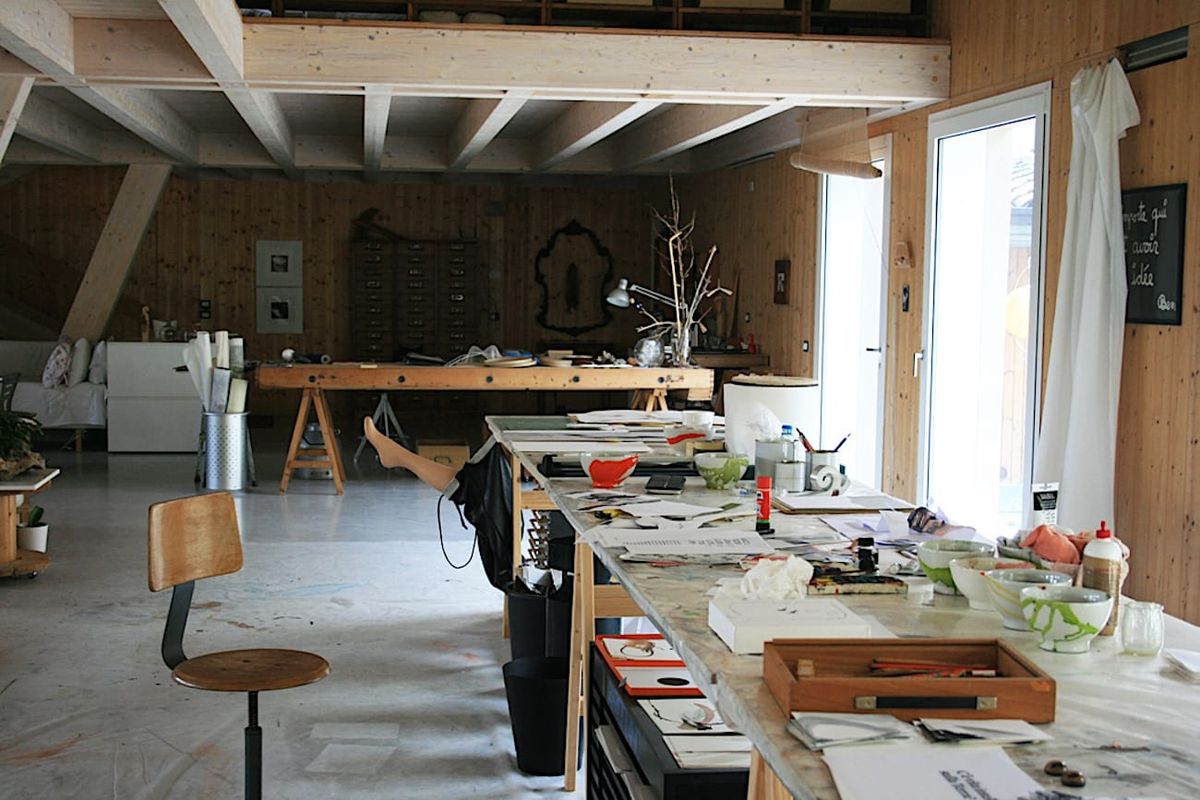
The studio is at my house within a ranch, surrounded by nature. It's on the second floor of the house, where there's better light. My routine all day shifts between studio work and housework, including outdoor garden work. I get up a bit before 7am, drink coffee in the yard, and get morning sunshine. Then my husband and I eat breakfast and do a bit of cleaning or some chores in the garden.
Arts
[ Load more ]