#art-history-education
#art-history-education
[ follow ]
#art
Arts
fromIrish Independent
5 days ago'You have to step in and experience it' - artists on the rise of AI-generated art and the 'essential' gallery visit
Miriam Fitzgerald Juskova's exhibit combines paper quilling with mathematics, showcasing intricate art that engages viewers and emphasizes the value of handmade creations.
Arts
fromIrish Independent
5 days ago'You have to step in and experience it' - artists on the rise of AI-generated art and the 'essential' gallery visit
Miriam Fitzgerald Juskova's exhibit combines paper quilling with mathematics, showcasing intricate art that engages viewers and emphasizes the value of handmade creations.

fromThe Art Newspaper - International art news and events
2 days agoThe Louvre's new director is inheriting a troubled, traumatised museum-can he repair the damage?
The Louvre accumulated considerable delays in the deployment of its security equipment, in favour of an event-driven policy, a judgment Des Cars said was unfair.
Arts
fromArchDaily
1 week agoArchitectures of the Gaze: 25 Viewpoints for Experiencing the Landscape
Viewpoints are structures designed for observing the landscape from elevated positions. They act as devices that organize the gaze and establish a direct relationship between the body and the territory.
Philosophy
Music
fromPsychology Today
3 weeks agoArt as a Biological Bedrock of Shared Humanity
Humans are biologically wired for shared artistic experiences, which serve as essential connective tissue for our nervous systems and cultural identity, transcending the perceived obsolescence of performing arts in the digital age.
fromArchDaily
1 month agoArchiving the Technosphere: How Museum Architecture Mediates Human-Made Systems
The contemporary technology museum has emerged as a performative participant in the systems it seeks to document. The architecture of these institutions has become increasingly fluid and bold, often mirroring the velocity and complexity of the systems it houses. They operate as mediators between the human, the ecological, and the technological realms, transforming from encyclopedic warehouses into active educational engines.
Science
Arts
fromThe Art Newspaper - International art news and events
2 days agoShould English museums charge tourists? Plus, Raphael at the Met and Senga Nengudi at the Whitechapel Gallery-podcast
The UK government is considering charging tourists for entry to national museums, challenging the current policy of free admission.
Graphic design
fromItsnicethat
3 weeks agoLydia Chodosh probes design rules through archiving and cataloguing
Designer Lydia Chodosh interrogates how knowledge is acquired and transmitted through language, archival systems, and interdisciplinary design practice informed by literature, publishing, and visual communication.
fromInsideHook
1 month agoAre the Humanities Poised for an Academic Comeback?
Many colleges and universities have made cuts in these programs, often bolstering STEM programs at their expense. It's a situation that has sparked no small amount of impassioned editorials. The headline of a recent article at The Guardian by Alice Speri referenced an 'existential crisis at U.S. universities,' and Speri's reporting features numerous examples of undergraduate and graduate programs facing cuts or outright elimination.
Higher education
fromArchitectural Digest
6 years ago17 Interior Design Schools Worth Applying To
To really work in the high end of the industry, formal schooling is an absolute necessity. It isn't just about whether you can say, oh, that floral looks good with that stripe. Rather, it's about mastering foundational design principals and developing fluency with the rendering and software tools required of day-to-day work. It's about designing to satisfy a question.
Education
fromHyperallergic
3 days agoThe Art World Is a Joke
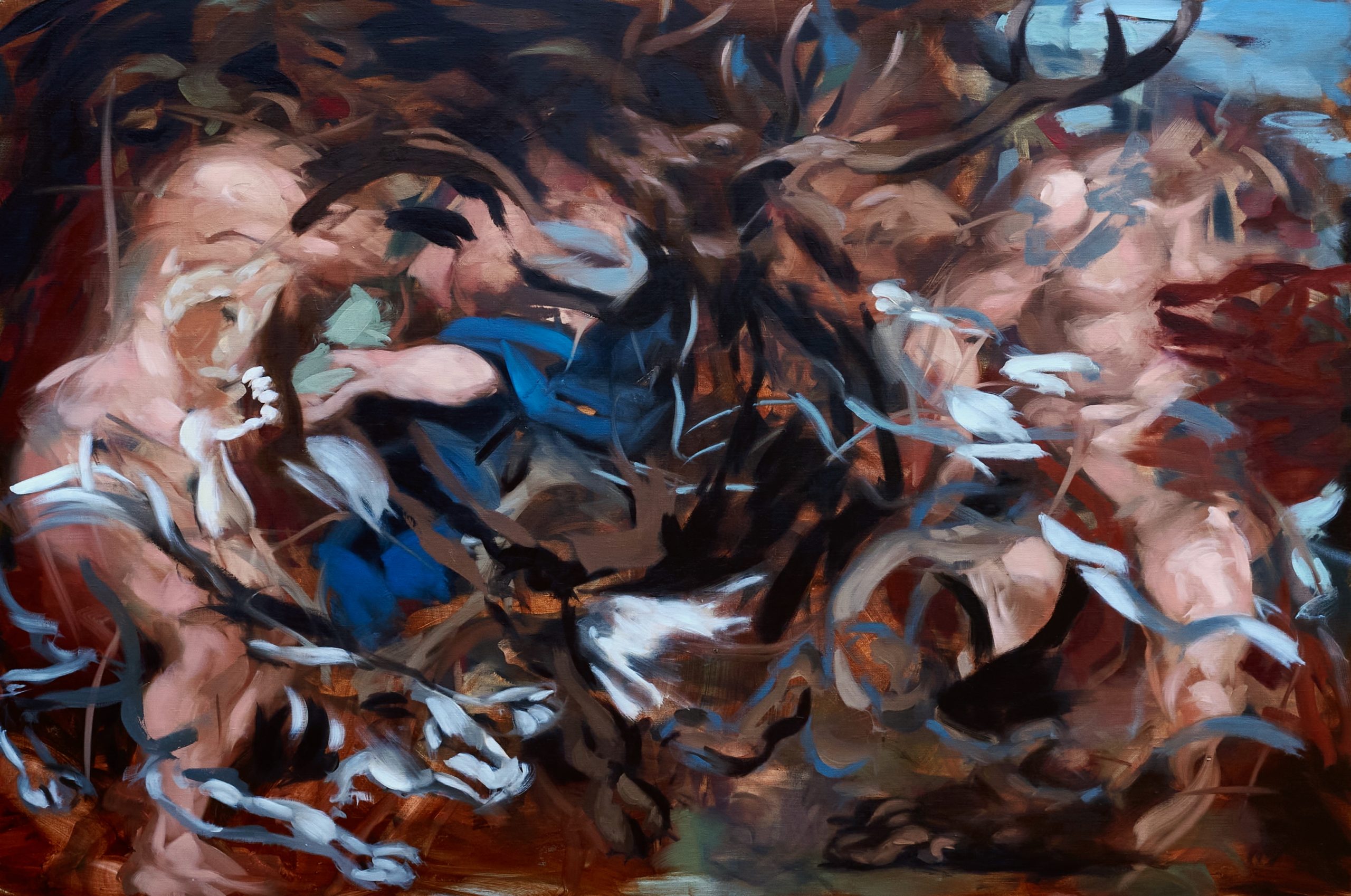
Kamrooz Aram is everywhere this year, from Mumbai Art Week to the Whitney Biennial, and critic Aruna D'Souza is grateful. She pens a beautiful meditation on his work, reading his abstract paintings as not simply a denunciation of Western modernism nor a reassertion of Islamic visual motifs, but something else entirely - something gestural, exuberant, riotous, and incomparably his own.
Arts

fromArchDaily
2 months agoRethinking Museums: A Conversation with Beatrice Grenier on Architecture as Cultural Policy
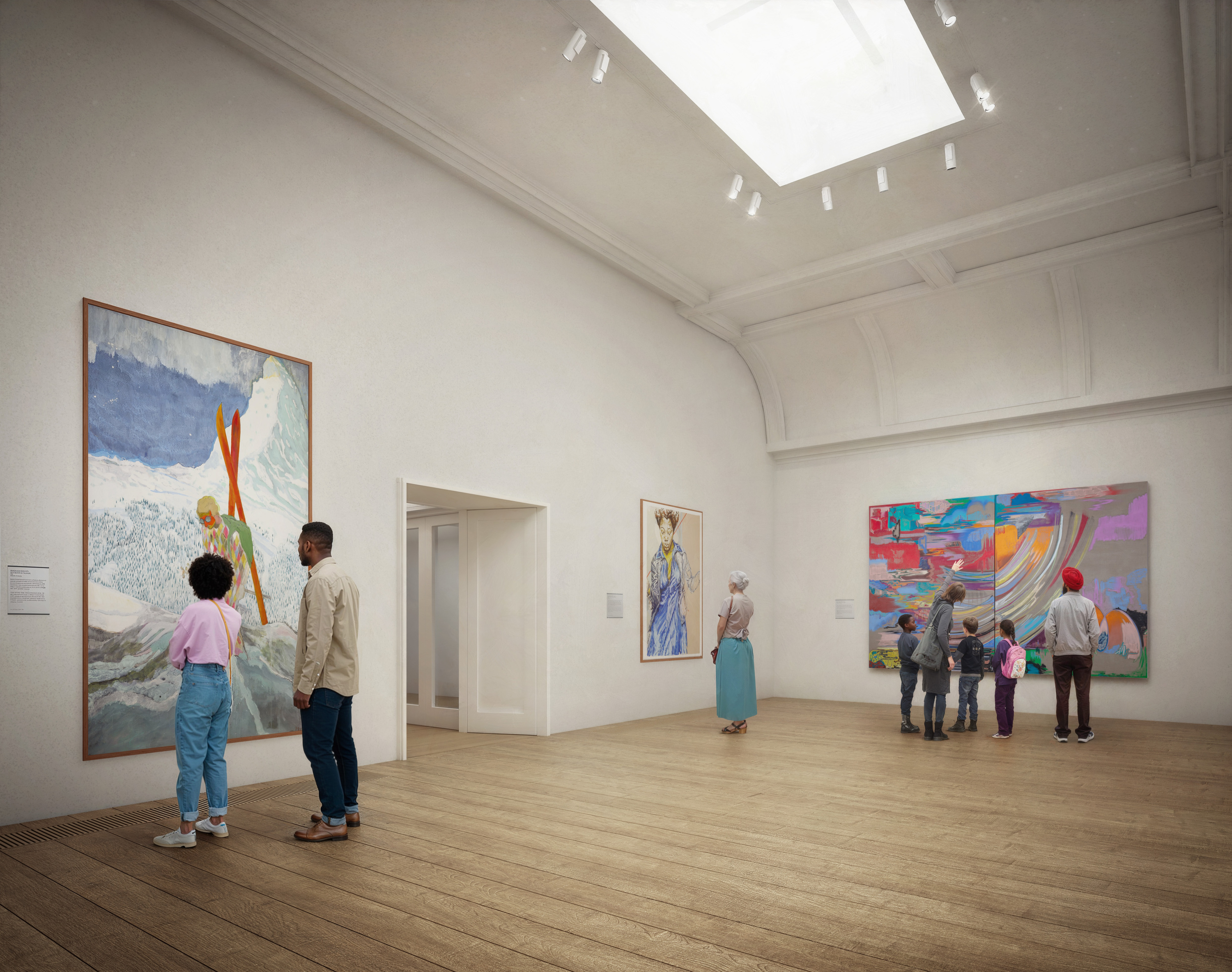
As cultural institutions continue to proliferate worldwide in this digital era, the museum itself appears increasingly in need of redefinition. Rather than offering a single model or solution, Architecture for Culture: Rethinking Museums, written by architectural historian and curator Béatrice Grenier, argues for a more contextual and plural understanding of what a museum can be: an institution shaped by its environment, its public, and the specific cultural questions it seeks to address.
Remodel
fromThe Art Newspaper - International art news and events
1 week agoComment | Museums must be the leaders in a moral revolution
Bregman claims, 'Today the whole of Europe risks turning into one big Venice, a beautiful open-air museum. A great destination for Chinese and American tourists. A place to admire what was once the centre of the world.' This statement encapsulates the concern that Europe is losing its cultural significance.
Arts
Design
fromThe Art Newspaper - International art news and events
2 months agoHow an artist's sketch was turned into a museum
A museum design translates a blue-house and white-tower sketch into a tiled architectural language reflecting regional materials, cultural markers, and historic South–West Asian trade links.
Arts
fromHyperallergic
2 weeks agoMeet the Woman Who Made Museums More Accessible
Lorena Bradford, the National Gallery of Art's first head of Accessible Programs, transformed museum accessibility by creating intentional programs for disabled visitors, including ASL tours, memory loss programs, and medical student training initiatives.
fromArtnet News
2 weeks agoTate Modern to Mount Its First Monet Show Ever | Artnet News
Tate Modern museum in London announced its slate of 2027 exhibitions, including an opera-inspired installation by David Hockney in the revered Turbine Hall marking the artist's 90th birthday, Algerian artist Baya's debut U.K. solo show, and the first-ever exhibition devoted entirely to French impressionist Claude Monet since the Tate Modern opened 26 years ago.
Arts
fromHyperallergic
3 weeks agoEmbracing Friction in the Art World
On Franklin Street in Brooklyn's Greenpoint neighborhood, one non-commercial gallery fosters 'a small, stubbornly human space for friction.' Friction—the ubiquitous buzzword that captures the simultaneous delight and discomfort of doing things the slow way—is at the heart of artists Pap Souleye Fall and Char Jeré's current show at Subtitled NYC. It also reflects the overall spirit of this little exhibition space and of a burgeoning movement to reject our culture of optimization in favor of a bumpier, more intimate, less alienating experience.
Arts
Arts
fromThe Art Newspaper - International art news and events
3 weeks ago'It has nothing to do with Michelangelo': expert wades in on painting newly attributed to Renaissance master
Belgian art historian Michel Draguet claims to have discovered a Michelangelo painting from the 1540s, but leading Renaissance experts dispute the attribution based on artistic style analysis.
Arts
fromThe Art Newspaper - International art news and events
3 weeks agoArtists agonise over when a work is finished-but should we viewers care?
Artists determine completion when they have successfully transformed visual memory and emotion into a physical object, at which point further work becomes unnecessary.
Arts
fromThe Art Newspaper - International art news and events
1 month agoA short guide to the hidden meanings in great paintings
Historic paintings contain symbolic meanings and motifs that convey spiritual, moral, and philosophical messages through objects like apples, angels, books, butterflies, and candles.
Arts
fromwww.theguardian.com
1 month agoThe Guardian view on an explosion of solo exhibitions by women: move over old masters | Editorial
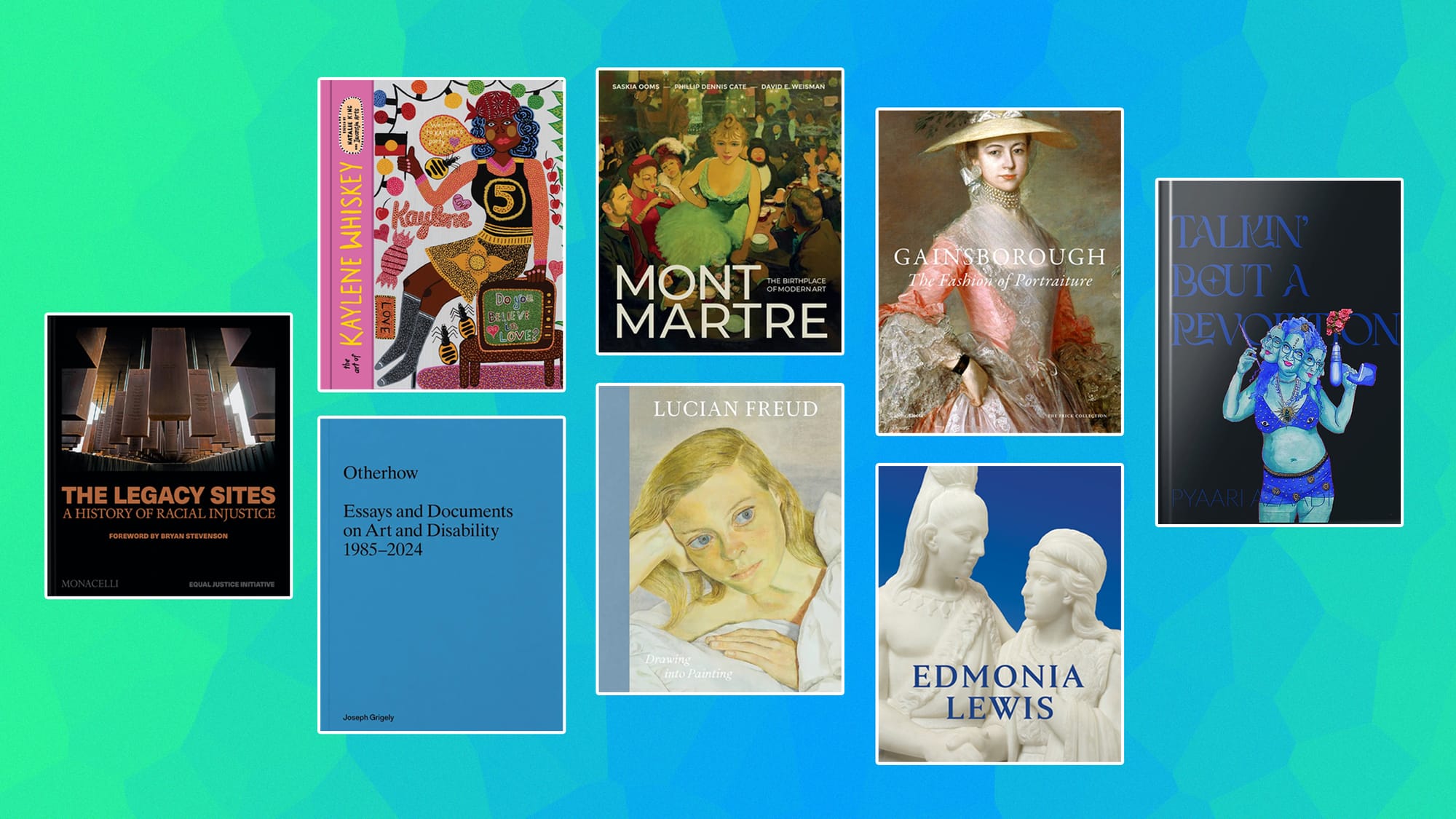
Major UK art institutions are finally increasing exhibitions of female artists after decades of severe underrepresentation, marking a significant shift from historical gender disparities in museum programming.
Arts
fromSilicon Canals
1 month ago8 signs you appreciate art, music, and culture on a deeper level than most people - Silicon Canals
Some people experience art deeply, reacting emotionally and perceiving subtle artistic cues that reveal heightened sensitivity and meaningful connections to creative expression.
Arts
fromThe Art Newspaper - International art news and events
2 months agoMuseum wall texts are an art in their own right-but will they survive the digital age?
Museums should balance providing contextual wall text and inviting wordless, personal interpretation to make art accessible and meaningful to diverse visitors.
Arts
fromThe Art Newspaper - International art news and events
2 months agoComment | We are living in an age of bad painting-the medium must be challenged to stay interesting
Contemporary painting shows a widespread trend of complacent, market-driven, and poorly executed works that often lack urgency and substantive engagement.
fromHyperallergic
1 month agoThe Biennale Certificate in Philosophy and Art
designed by the Institute for Doctoral Studies in the Visual Arts (IDSVA) and philosopher Giovanbattista Tusa (Visiting Faculty, Independent Study and Dissertation director) for curators, artists, researchers, and cultural practitioners seeking to engage with the living context of the Venice Biennale. Over four days, participants will move through a sequence of philosophical orientations - Rooting, Growing, Branching, and Cultivating Futures- that frame art as a mode of world-disclosure and situated intervention.
Arts
fromThe Art Newspaper - International art news and events
2 months agoIn the age of AI, can art expertise be digitised?
Recently, AI decided that a painting long thought to be a copy of Caravaggio's The Lute Player is actually by the master, while another version of the same subject, previously thought to be authentic, is not. Both conclusions were disputed by the former Metropolitan Museum of Art curator Keith Christiansen. A similar debate erupted in March 2025 when AI declared that portions of The Bath of Diana, also long believed to be a copy, could have been painted by Peter Paul Rubens.
Arts
fromHyperallergic
1 month agoArt Movements: Another Artforum Editor-in-Chief Is Out
I take no pleasure in saying "I told you so." Really, I don't. But I was hardly shocked by this week's news that Tina Rivers Ryan, who was named editor-in-chief of Artforum in 2024 after the dumpster fire that was the magazine's handling of an open letter in support of Gaza, was stepping down (Daniel Wenger and Rachel Wetzler will step in as co-editors, scrapping the editor-in-chief title altogether).
Arts
Arts
fromThe Art Newspaper - International art news and events
2 months agoComment | Art and science rely on freedom of thought-and on each other
Art and science are complementary, interconnected ways of understanding the world that inspire each other and require mutual support, especially amid funding cuts.
fromHyperallergic
1 month agoHow White Elites Drained Ancient Art of Its Color
In the autumn of 2022, Max and I walked up the iconic steps of the Metropolitan Museum of Art in New York City to visit Chroma: Ancient Sculpture in Color. As the young son of a professional classicist, and a burgeoning one himself, my museum partner already knew about the ancient history of painted statues when we began to explore the galleries. Max's knowledge seemed the exception rather than the rule.
Arts
fromHyperallergic
2 months agoDevelop Your Work and Aesthetic Philosophy at New York Studio School
Join a community of dedicated artists for full-time study in drawing, painting, and sculpture. The New York Studio School was founded in 1964 with an emphasis on artists learning from artists, working from perception in extensive studio sessions, and the pursuit of drawing as the most direct means of describing one's ideas or experiences. At NYSS, students cultivate distinctive visual languages and develop personal studio practices that last a lifetime.
Arts
fromHyperallergic
1 month agoA View From the Easel
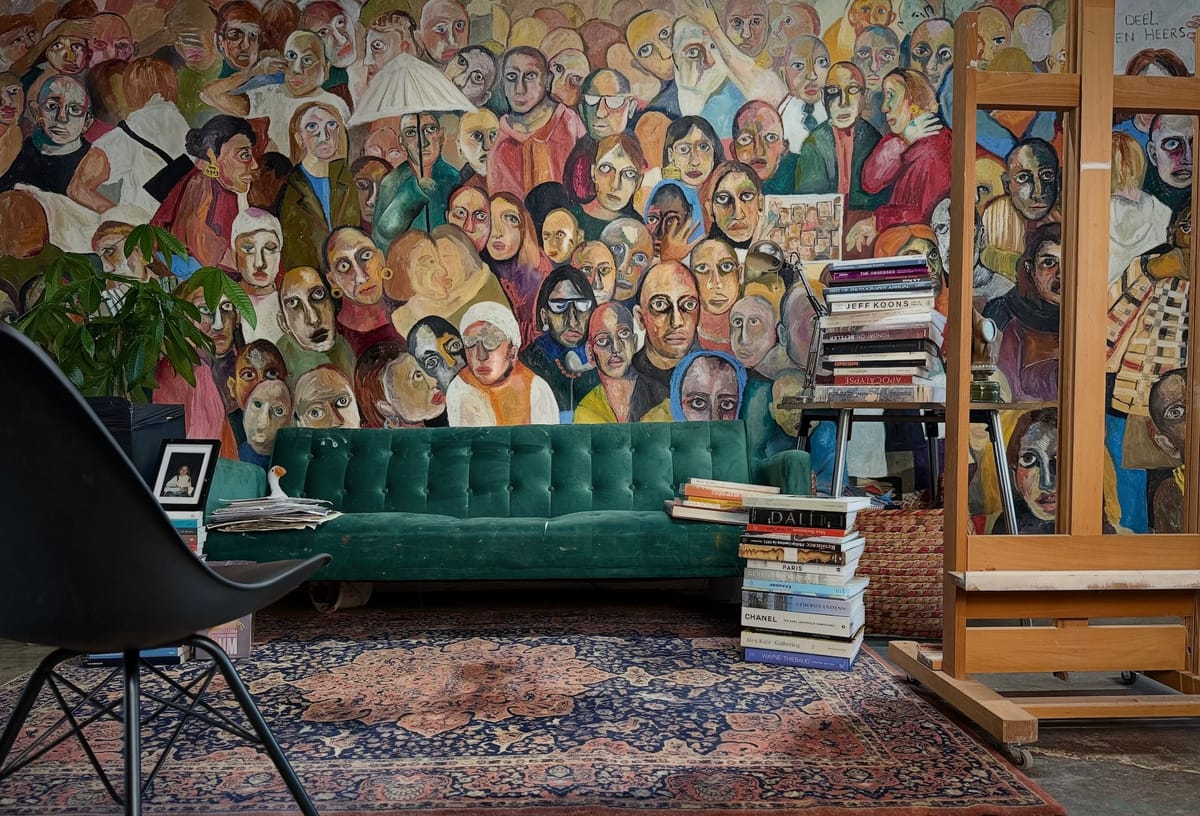
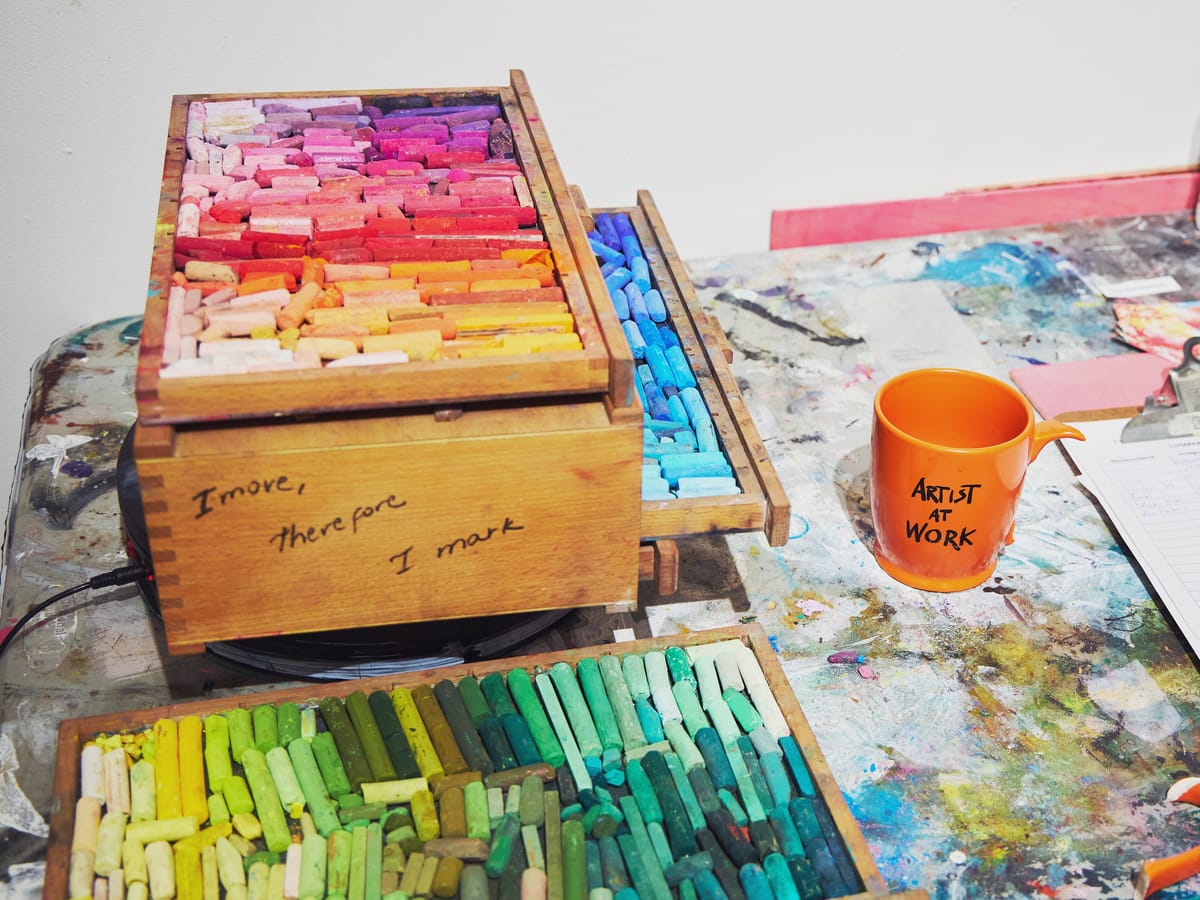
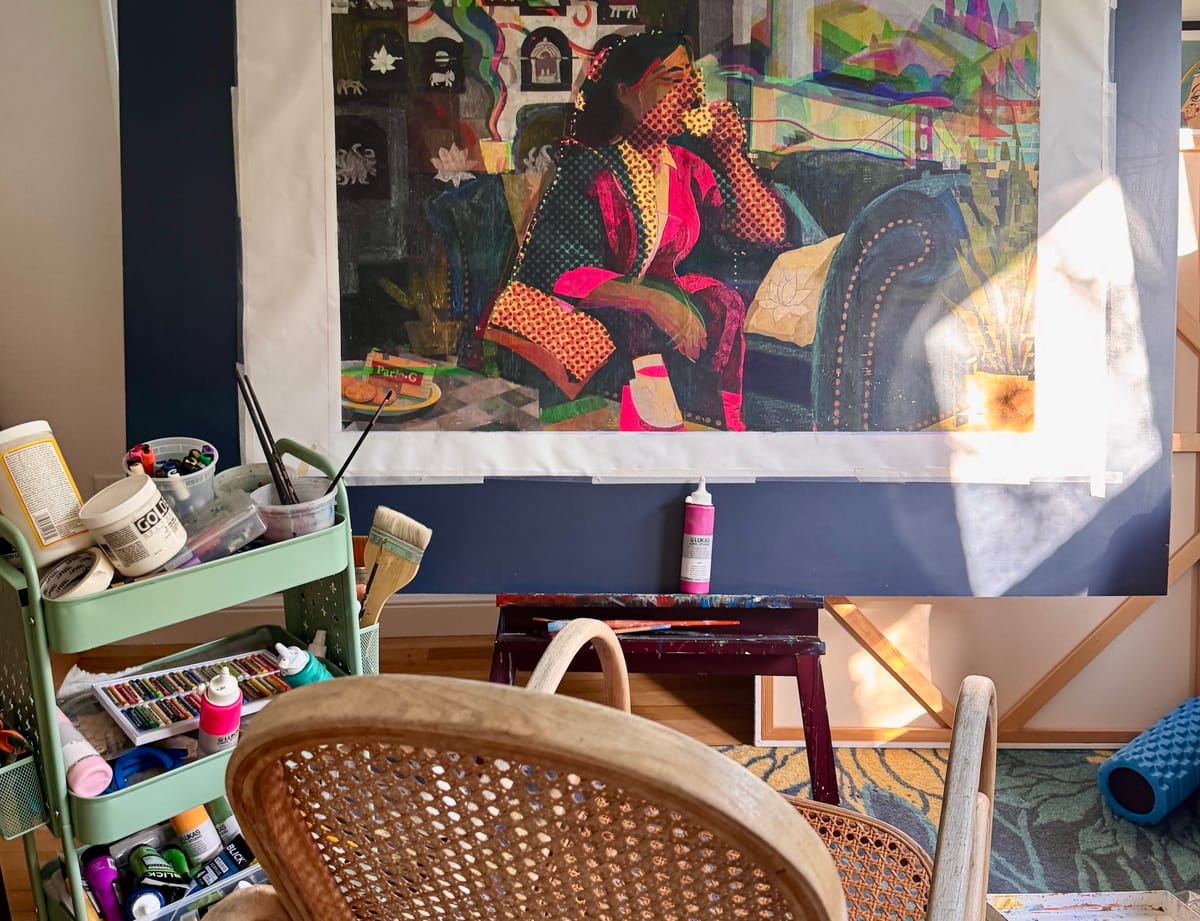
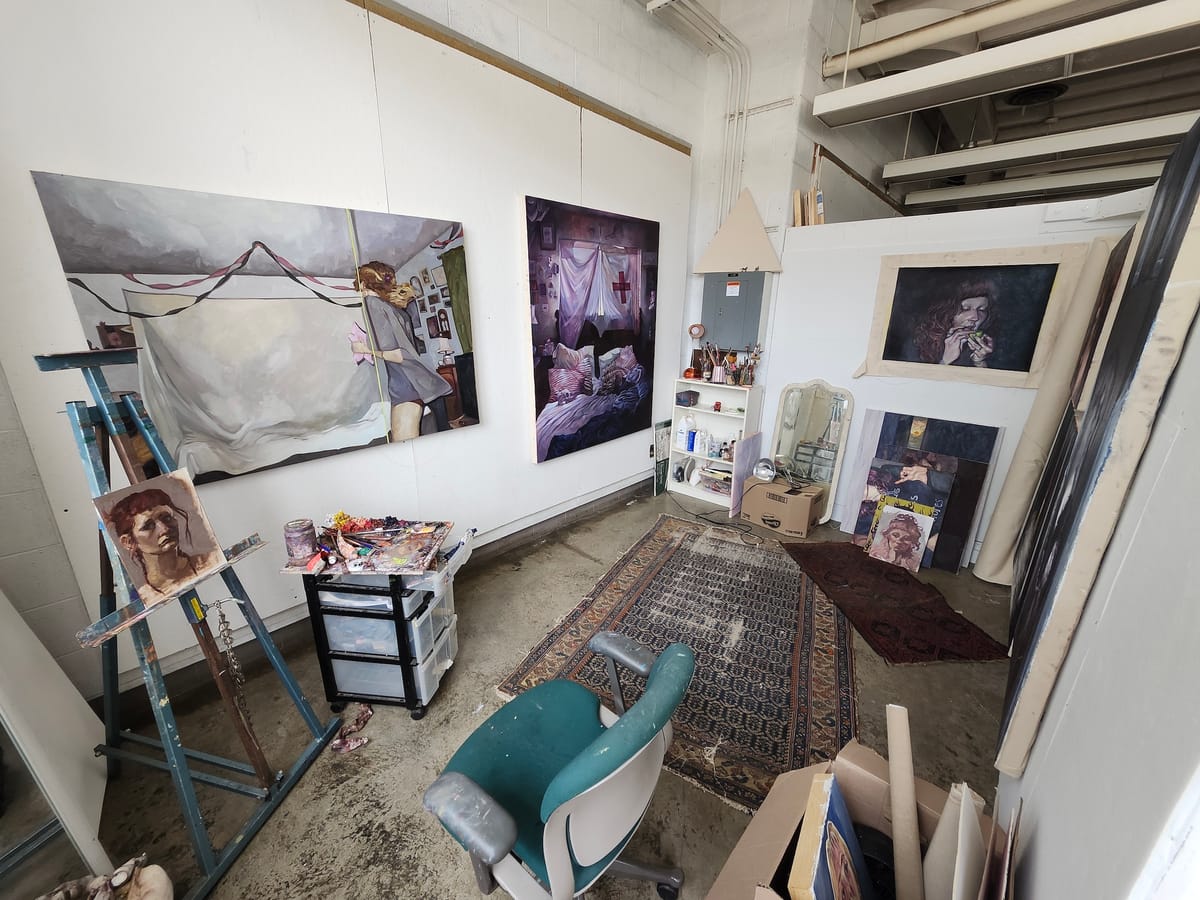
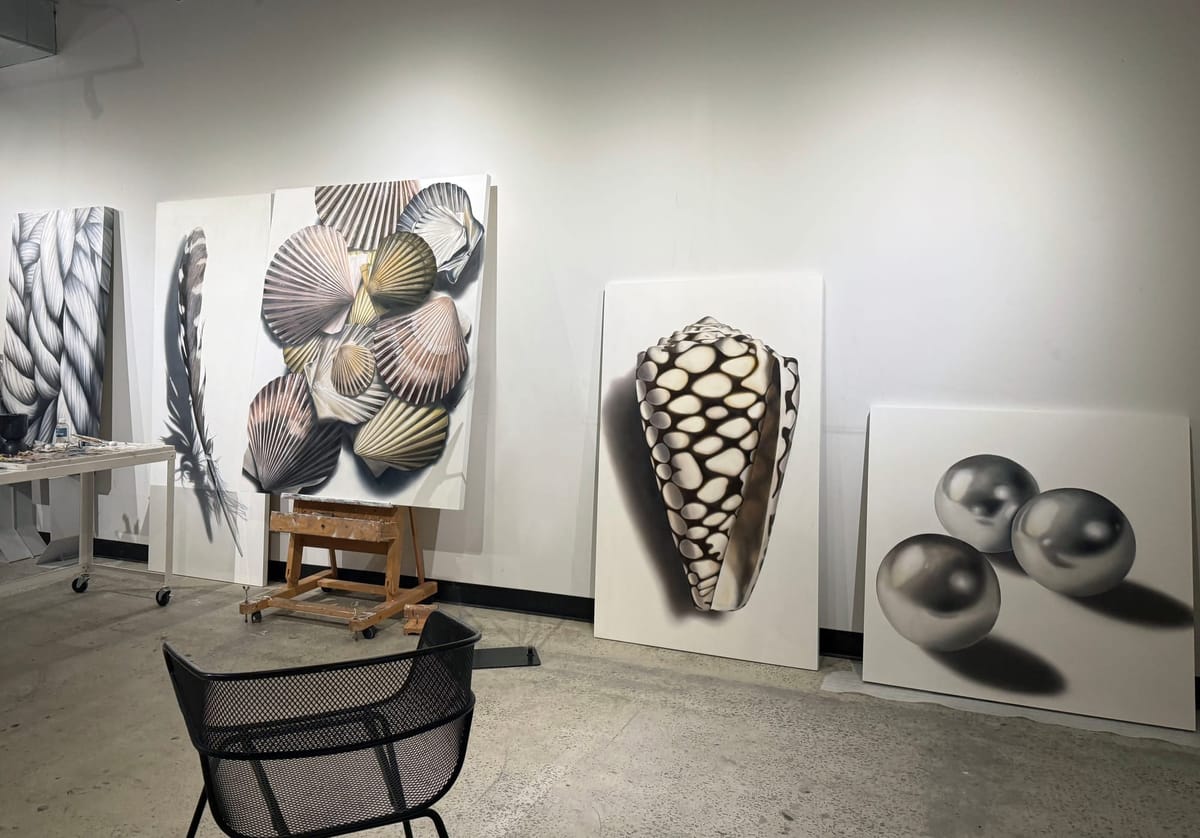
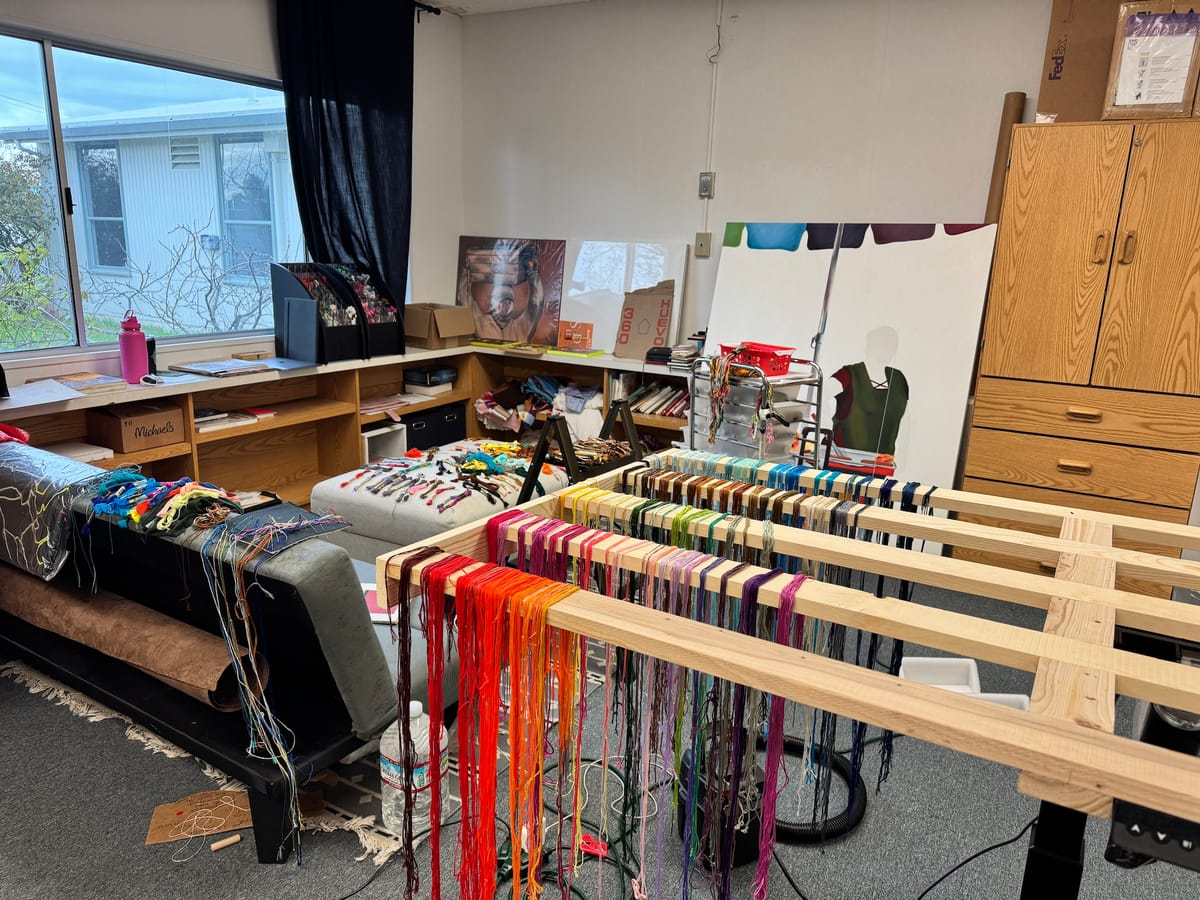
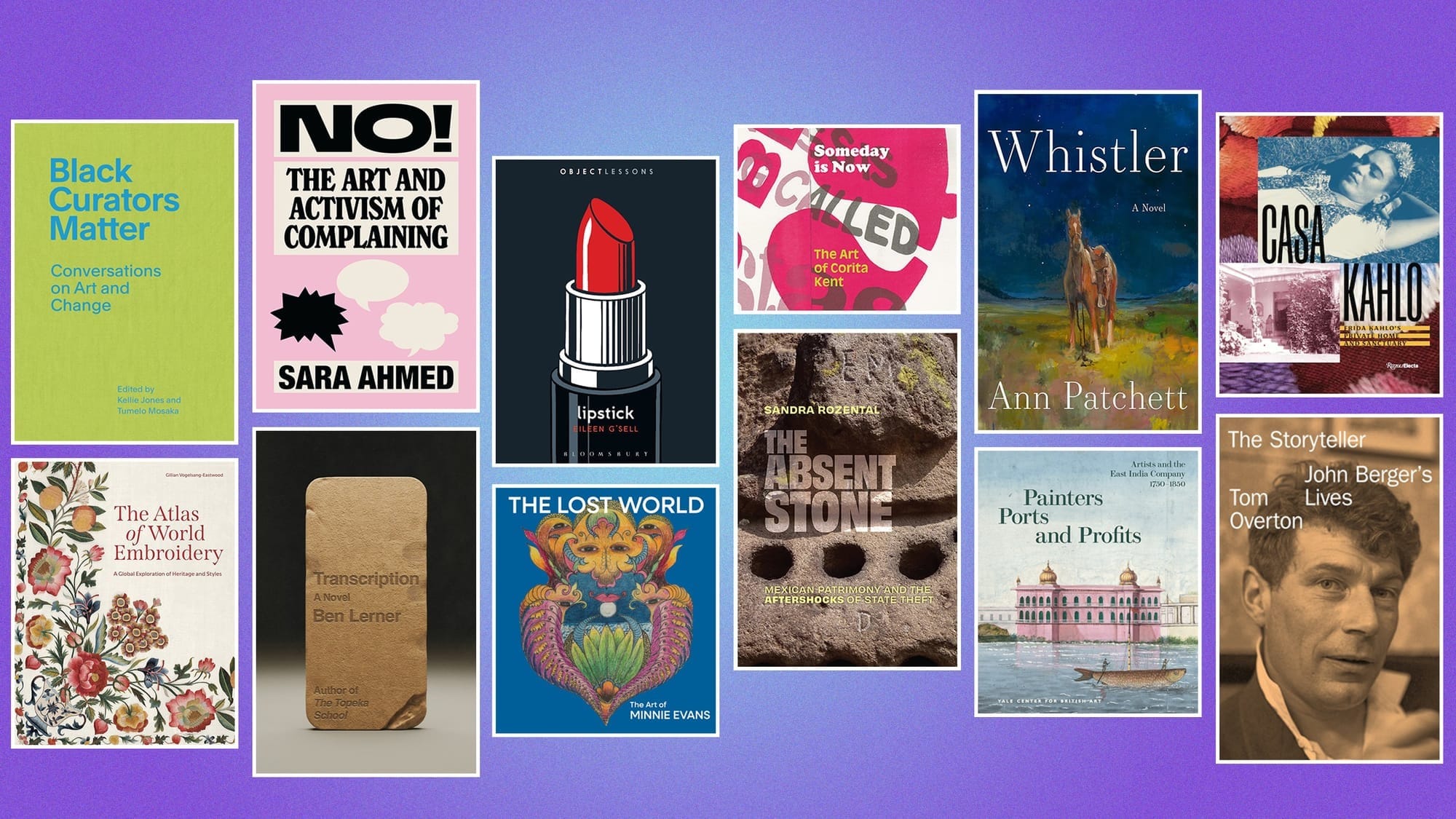
I work outside, carving and shaping the stone. Outside my house, I have a table, an extension cord, and tools. It's very cold and I have to wear all my winter clothes. When it's too cold, I do the filing and finishing work inside after I shape it outside. I listen to all kinds of music. I listen to Eminem all the time; his albums are all my favorites. For drawings, I work at Kinngait Studios or at home on my kitchen table.
Arts
fromHyperallergic
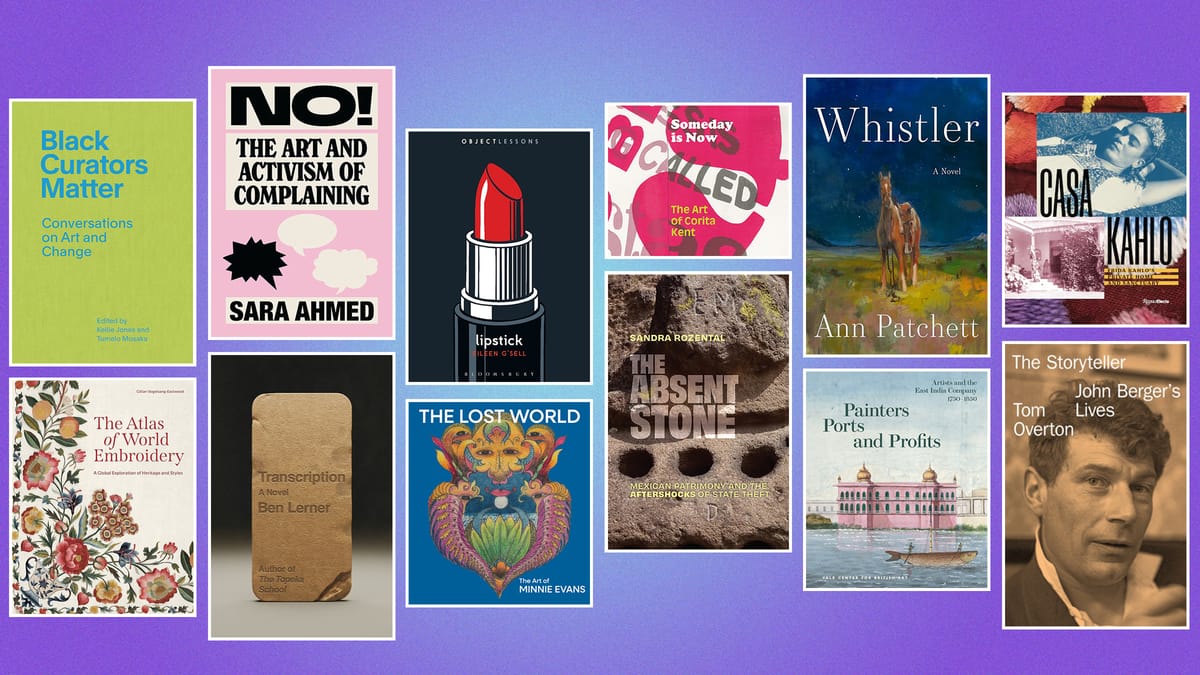
2 months agoRequired Reading
Marah Al-Za'anin, an 18-year-old Palestinian artist, has transformed a tent in Gaza City's Al-Rimal neighborhood into a studio. Al-Za'anin can't have been more than 15 or 16 years old when the genocide began, but she continues to pursue her passion for art and uses her brother's phone as a light source while she paints and draws late into the night. (photo by Saeed Jaras/Middle East Images/AFP via Getty Images)
Arts
[ Load more ]