#art-theft-and-recovery
#art-theft-and-recovery
[ follow ]
#art-theft #cezanne #renoir #cultural-heritage #louvre #matisse #museum-security #art-recovery #theft #italy


fromThe Art Newspaper - International art news and events
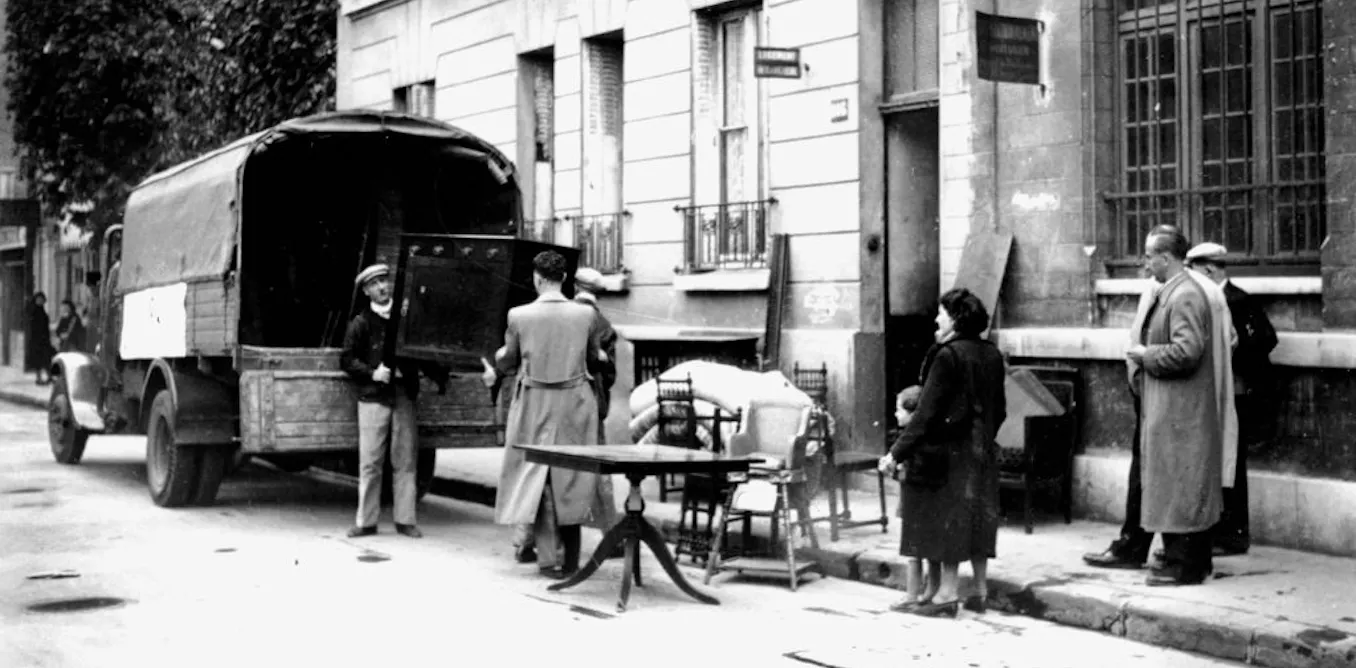
2 days agoBavaria restitutes Lesser Ury painting to the heirs of a Jewish banker
Curt Goldschmidt's fate is shared with many Jewish collectors and patrons. With this restitution, we honour Jewish collectors and remember victims of Nazi persecution.
Germany news





fromLos Angeles Times
3 weeks agoBurglary probe uncovers $6 million in stolen luxury goods, including Hermes bags, Rolex watches
A man broke into the victim's home and stole more than $600,000 worth of property, including designer handbags and jewelry. After weeks of investigating, including working with San Diego and Glendale police, authorities executed a search warrant on the suspect's home in Temecula on Feb. 25 and found the victim's property and a whole lot more.
California

Information security
fromSecuritymagazine
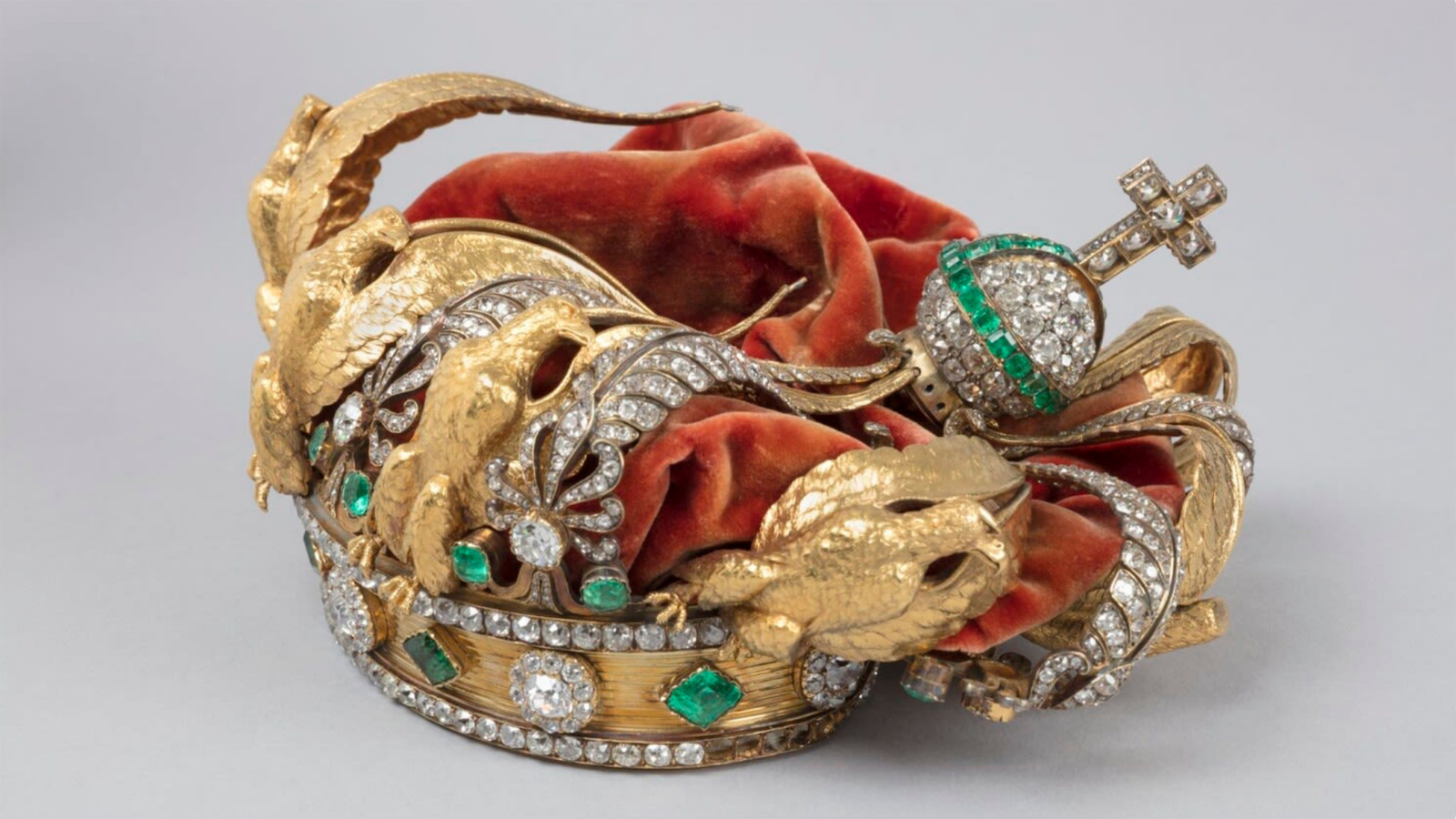
3 weeks agoObject-Specific Protection: The Non-Negotiable Foundation of Art and Asset Security
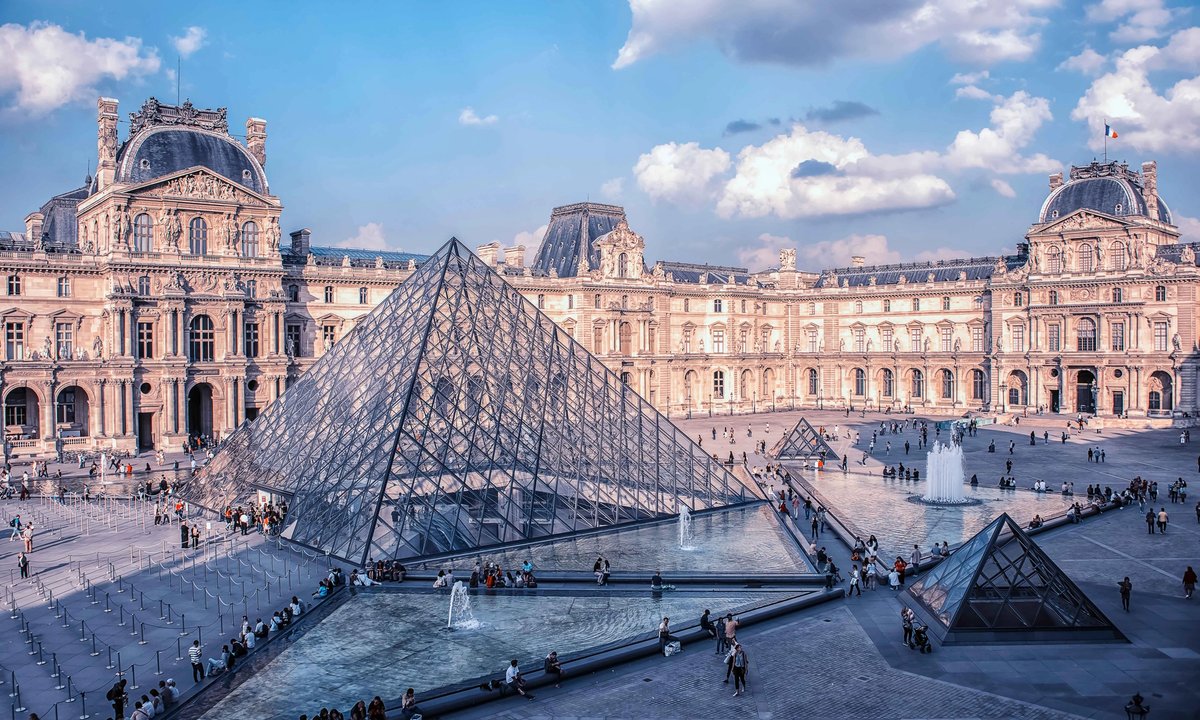
Object-specific protection is essential as a primary security layer to prevent art theft, as comprehensive facility-wide systems fail when adversaries physically interact with high-value objects without triggering alarms.


Paris food
fromThe Art Newspaper - International art news and events
3 weeks agoSnuffboxes stolen in Paris daylight robbery to go on display at V&A
Two recovered 18th-century gold snuffboxes stolen from a Paris exhibition in 2024 will display at the V&A Museum's reopened Gilbert Galleries starting March 14, 2025.

fromHyperallergic
2 weeks agoSuspect Arrested for $240,000 Damage to Chihuly Glass Artworks
The 40-year-old suspect, identified as Alexander Taylor Weis, allegedly caused $240,000 worth of damage to multiple plant-shaped glass artworks on Monday night, March 16. He was later arrested on suspicion of burglary and assault after police arrived at the venue, which is directly adjacent to the city's Space Needle observation tower.
Arts
fromArtnet News
3 weeks agoJeweled Snuffboxes Stolen in Brazen Paris Heist Go on Display
The exquisite, jewel-encrusted boxes were badly damaged in 2024, after they were among seven treasures stolen from Paris's Musée Cognacq-Jay by a gang of axe-wielding thieves. The perpetrators broke into the temporary exhibition, titled "Luxe de Poche," or "Pocket Luxury," on November 20, making off with goods that were, at the time, reported to be worth more than €1 million.
Arts
Arts
fromThe Art Newspaper - International art news and events
3 weeks agoFinal sentencing in Norval Morrisseau forgery scandal derailed by new allegations
Jeff Cowan's sentencing for selling forged Norval Morrisseau paintings was delayed after allegations emerged that Morrisseau's estate may have been complicit in creating the forgeries.
fromThe Art Newspaper - International art news and events
2 months agoThieves empty Dutch silver museum in early morning heist
"The silver price is high... but for us it is of course far more than the silver price," the museum's chairman Ernst Boesveld told The Art Newspaper. "It is about the stories behind every mustard pot, it is history and it is cultural heritage. We are enormously disappointed and angry."
Miscellaneous
Arts
fromThe Art Newspaper - International art news and events
1 month ago'Lost' painting reattributed to Rembrandt by Rijksmuseum's researchers
The Rijksmuseum rediscovered a lost 1633 Rembrandt painting depicting the biblical story of Zacharias, authenticated through modern scanning techniques after decades of doubt about its authenticity.
fromThe Art Newspaper - International art news and events
1 month agoWhen it comes to restitution, how can museums solve a problem like inalienability?
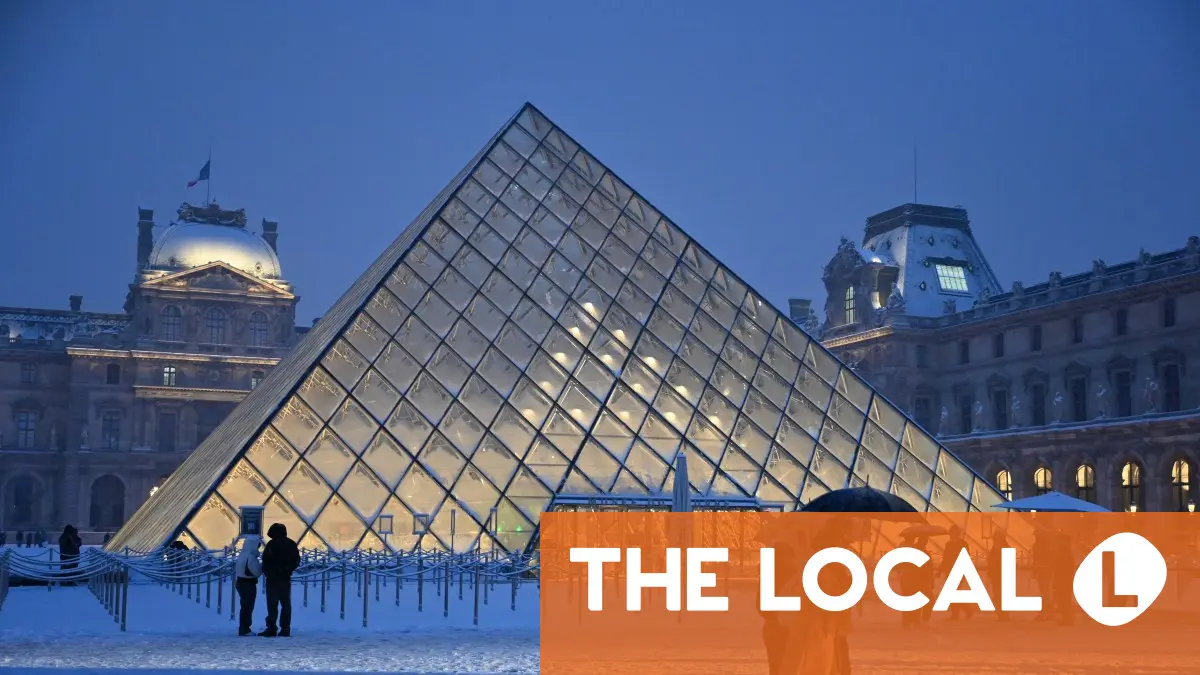
When Thomas Jefferson wrote about the "inalienable" rights of man in the US Declaration of Independence 250 years ago, it's possible he lifted the term from the French. And long before it was ever used as an adjective to describe human rights, it defined royal property. To this day, "inalienability" remains a cornerstone of public collections in France-and many other countries-impacting museums and their ability to deaccession, including for purposes of restitution.
Arts
fromwww.theguardian.com
1 month agoAI analysis casts doubt on Van Eyck paintings in Italian and US museums
An analysis of two paintings in museums in the US and Italy by the 15th-century Flemish artist Jan van Eyck has raised a profound question: what if neither were by Van Eyck? Saint Francis of Assisi Receiving the Stigmata, the name given to near-identical unsigned paintings hanging in the Philadelphia Museum of Art and the Royal Museums of Turin, represent two of the small number of surviving works by one of western art's greatest masters, revered for his naturalistic portraits and religious subjects.
Arts
fromArtnet News
1 month agoVan Eyck Attribution Dispute Pits Art Historians Against A.I. Firm | Artnet News
Once again, A.I. and human experts are butting heads over the authenticity of a world-famous painting. A Belgian art historian has refuted claims made by Swiss company Art Recognition that two paintings have been falsely attributed to the Northern Renaissance master Jan van Eyck. The paintings in question are versions of Saint Francis of Assisi Receiving the Stigmata (ca. 1428-32) belonging to the Royal Museums of Turin and the Philadelphia Museum of Art.
Arts
[ Load more ]