History
fromArs Technica
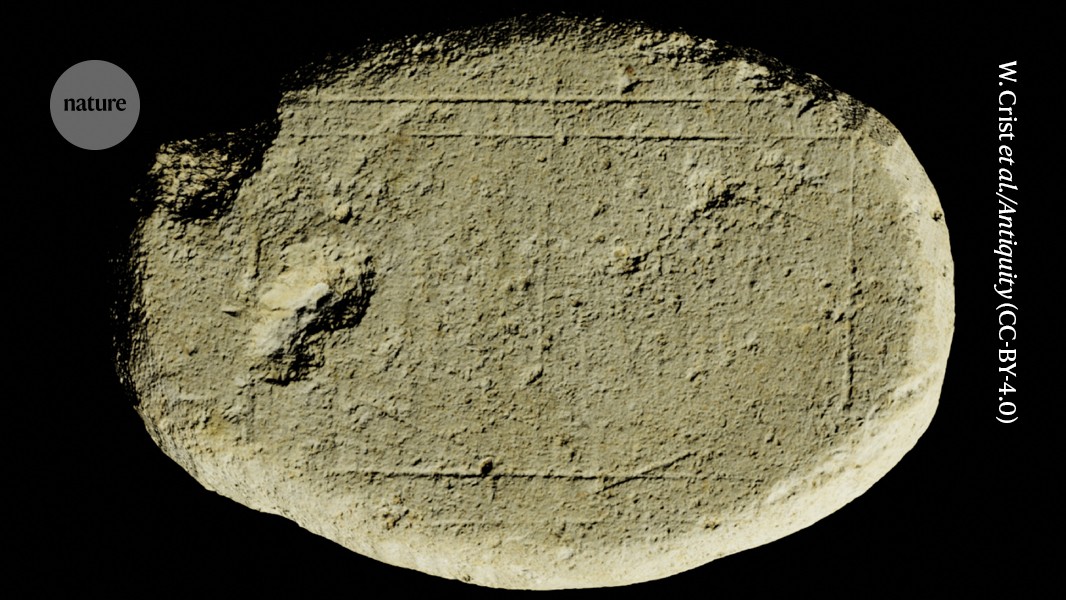
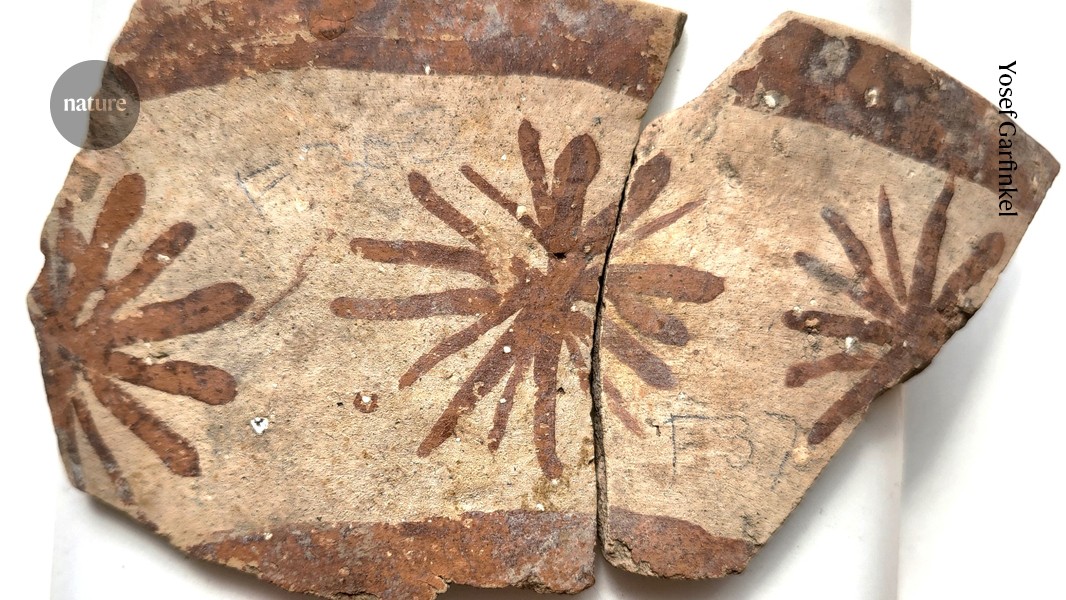
16 hours agoIce Age dice show early Native Americans may have understood probability
Native Americans used dice for games of chance over 12,000 years ago, predating Old World dice by millennia.
Human remains found on Bay Area beaches in 1999 and 2023 have been identified as those of Walter Karl Kinney, a banker who disappeared in 1999. The remains were discovered by a family searching for sea shells in 2022, leading to an investigation that linked the remains to Kinney's family through DNA analysis.
The significant number of ancestors held in UK museums is extremely distressing and symbolic of the colonial origins of these collections. We hope that the responses gathered by The Guardian will be shared with the relevant communities to support them in bringing their ancestors home.
Bregman claims, 'Today the whole of Europe risks turning into one big Venice, a beautiful open-air museum. A great destination for Chinese and American tourists. A place to admire what was once the centre of the world.' This statement encapsulates the concern that Europe is losing its cultural significance.
This project demonstrates the combined power of science, the study of human remains and historical research to discover new information about the six mortuary chests and their occupants which would not have been available to us a generation ago.
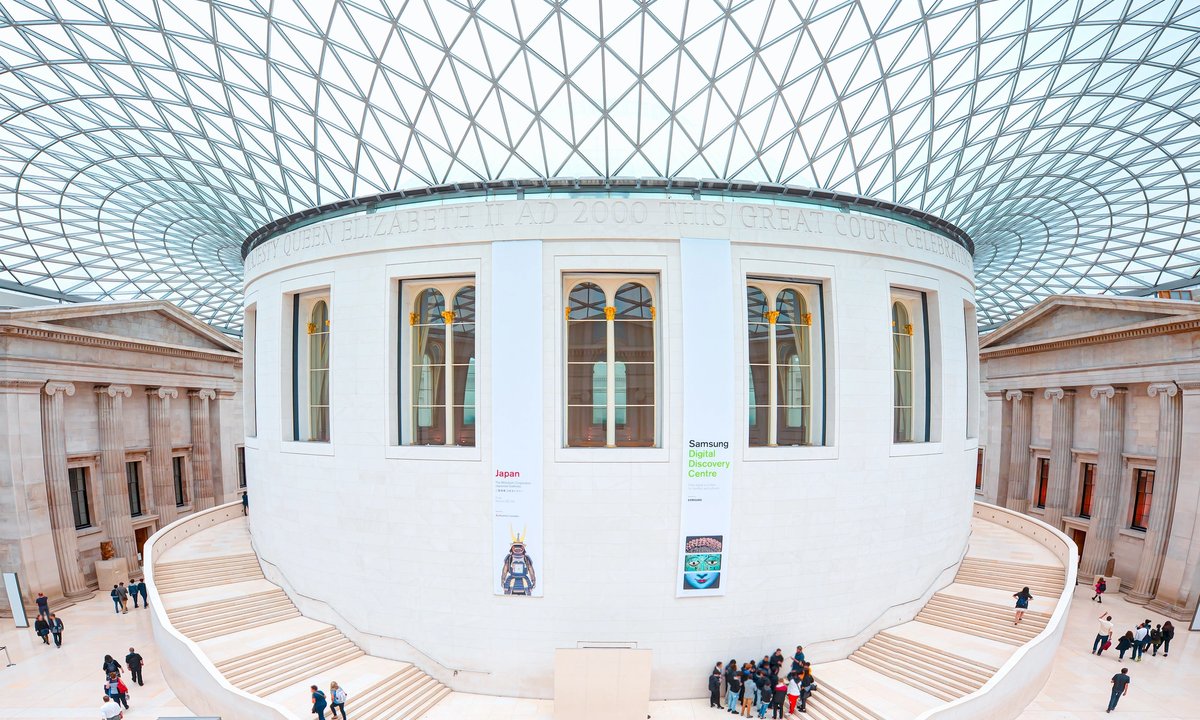
The contemporary technology museum has emerged as a performative participant in the systems it seeks to document. The architecture of these institutions has become increasingly fluid and bold, often mirroring the velocity and complexity of the systems it houses. They operate as mediators between the human, the ecological, and the technological realms, transforming from encyclopedic warehouses into active educational engines.
Beneath the visible surface of cities lies an invisible architecture. Subways, tunnels, water systems, data cables, and bunkers form a dense network that sustains urban life while remaining largely unseen. The ground beneath our feet is not a void but a complex territory that holds the infrastructures, memories, and anxieties of our age. In recent years, as land becomes scarce and climate pressures intensify, architects and urbanists have turned their gaze downward, rediscovering the subterranean as both a physical and conceptual frontier.
This short captures Tim Bovard, the staff taxidermist for the Natural History Museum of Los Angeles County, as he reflects on over five decades spent perfecting his craft. Sparked by a childhood fascination with the museum's dioramas that never faded, Bovard has devoted his career to shaping what he calls the 'illusion of life' - a process that requires both scientific precision and imaginative interpretation.
Picture this: you're knee-deep in renovation dust, crowbar in hand, when something unexpected tumbles from behind century-old plaster. A yellowed envelope? A strange metal box? That moment when your heart skips because you realize you might have just found something extraordinary. For some lucky homeowners, these discoveries turn out to be worth thousands of dollars, transforming a simple home improvement project into an unexpected treasure hunt.
Researchers have found traces of what appears to be plant-derived poison on tiny stone arrowheads from South Africa dated to 60,000 years ago. The finding pushes back the origin of this revolutionary hunting technology by tens of thousands of years. Scientists have long been fascinated by the development of poisoned hunting weapons. For one thing, they would have seriously leveled up our ancestors' foraging game.
Making poisoned arrows is about as hard as following a "complex cooking recipe", says study co-author Marlize Lombard, an archaeologist at the University of Johannesburg in South Africa. "You have to add to it the danger of the poison, and planning to work with it without getting poisoned yourself, then you have to hunt and track the prey animal under difficult and dangerous conditions sometimes for a day or two."
In the autumn of 2022, Max and I walked up the iconic steps of the Metropolitan Museum of Art in New York City to visit Chroma: Ancient Sculpture in Color. As the young son of a professional classicist, and a burgeoning one himself, my museum partner already knew about the ancient history of painted statues when we began to explore the galleries. Max's knowledge seemed the exception rather than the rule.
An analysis of two paintings in museums in the US and Italy by the 15th-century Flemish artist Jan van Eyck has raised a profound question: what if neither were by Van Eyck? Saint Francis of Assisi Receiving the Stigmata, the name given to near-identical unsigned paintings hanging in the Philadelphia Museum of Art and the Royal Museums of Turin, represent two of the small number of surviving works by one of western art's greatest masters, revered for his naturalistic portraits and religious subjects.
When Thomas Jefferson wrote about the "inalienable" rights of man in the US Declaration of Independence 250 years ago, it's possible he lifted the term from the French. And long before it was ever used as an adjective to describe human rights, it defined royal property. To this day, "inalienability" remains a cornerstone of public collections in France-and many other countries-impacting museums and their ability to deaccession, including for purposes of restitution.
Recently, AI decided that a painting long thought to be a copy of Caravaggio's The Lute Player is actually by the master, while another version of the same subject, previously thought to be authentic, is not. Both conclusions were disputed by the former Metropolitan Museum of Art curator Keith Christiansen. A similar debate erupted in March 2025 when AI declared that portions of The Bath of Diana, also long believed to be a copy, could have been painted by Peter Paul Rubens.