Music production
fromThe Verge
14 hours agoSuno is a music copyright nightmare
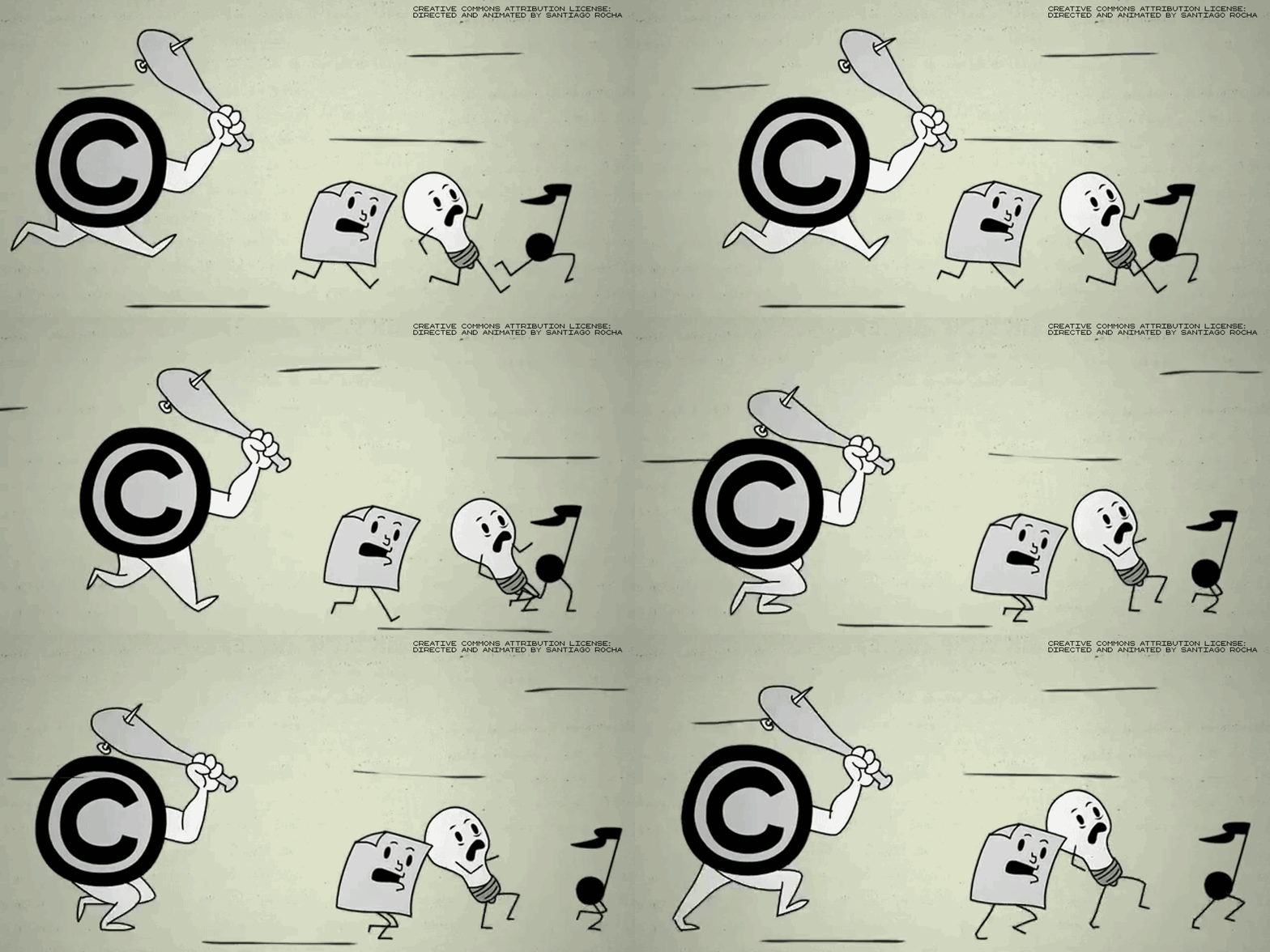
Suno's copyright filters can be easily bypassed, allowing users to create AI-generated covers of popular songs without permission.
Anna Holmes defines 'hype aversion' as a reflex against being told what to like, suggesting that popularity can create pressure rather than signal quality. This feeling can lead to a deliberate choice to resist mainstream culture.
Meta has agreed to 'substantially reduce' its references to PG-13 and include a rather remarkable disclaimer: 'There are lots of differences between social media and movies.'
Toonstar's proven ability to translate beloved stories into engaging animation, while keeping artists at the center of the process, makes them the ideal partner to bring Friendship List and other popular titles to new audiences in formats today's families love.
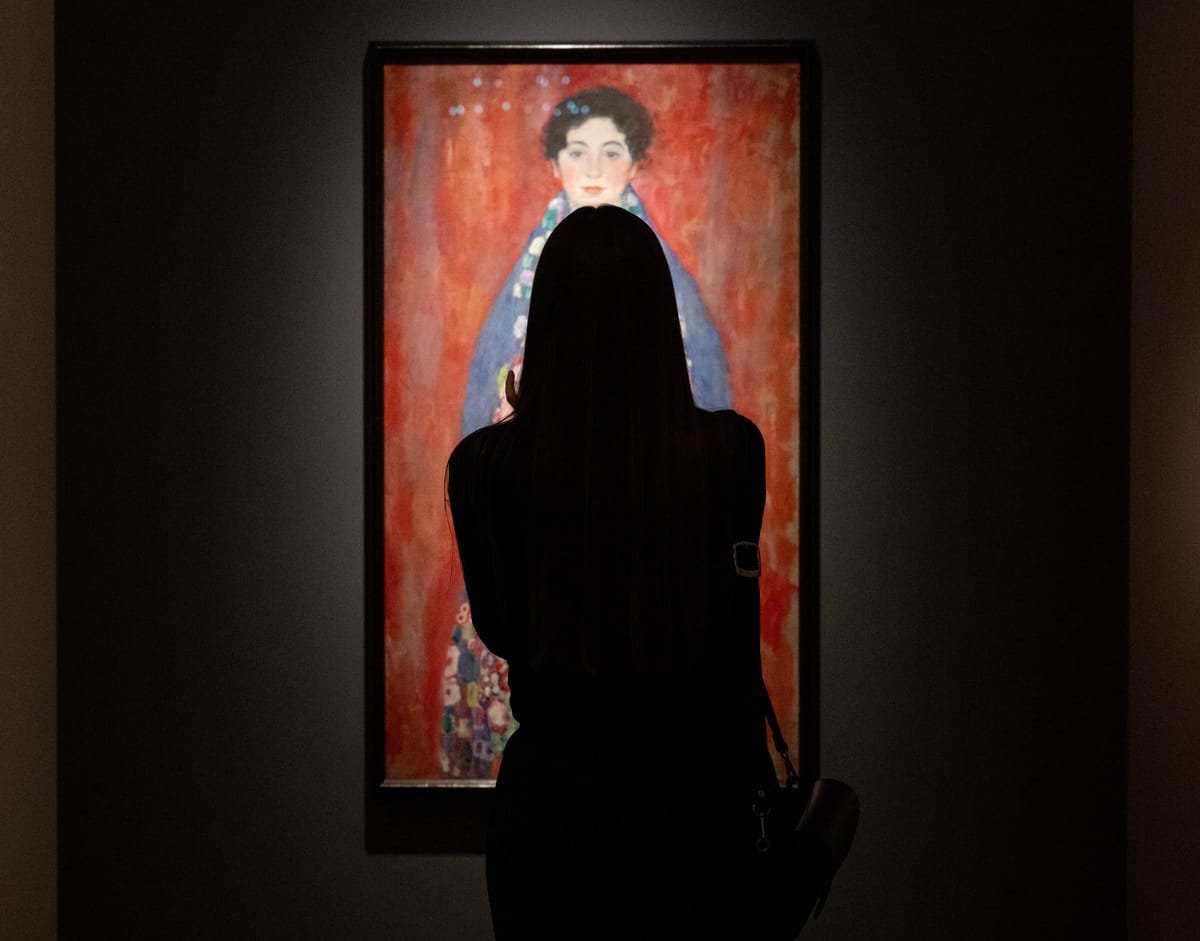
Kamrooz Aram is everywhere this year, from Mumbai Art Week to the Whitney Biennial, and critic Aruna D'Souza is grateful. She pens a beautiful meditation on his work, reading his abstract paintings as not simply a denunciation of Western modernism nor a reassertion of Islamic visual motifs, but something else entirely - something gestural, exuberant, riotous, and incomparably his own.
Hachette remains committed to protecting original creative expression and storytelling. The company requires all submissions to be original to the authors and that the authors disclose whether AI is used during the writing process.
I grew up with Scott Adams'work. My dad would read the "Dilbert" comic strips to me at night as bedtime stories. Later, I became a devout listener of the "Coffee with Scott Adams" podcast. One theme I heard over and over was that Scott was mesmerized by AI. He said repeatedly that he wanted to give back to the world by becoming AI after he died.
around half of Americans are conservative and they voted for Trump-so if you advertise here then you're reaching around half the US
Likely in response to the hubbub surrounding the AI-generated banner, KosmicznaPluskwa, a GOG forums user who appears to be a graphic artist working at the company, posted a lengthy response on the store's forums on January 26. And while KosmicznaPluskwa made it clear they aren't a spokesperson for GOG, the artist confirmed that the image people were speculating was machine-created was indeed generated completely using AI tools, something that upset the artist.
On 13 January 2026, Bandcamp published "Keeping Bandcamp Human", declaring that "music and audio that is generated wholly or in substantial part by AI is not permitted on Bandcamp", alongside a strict prohibition on AI-enabled impersonation of other artists or styles. The post invites users to report releases that appear to rely heavily on generative tools, and it explicitly reserves the right to remove music "on suspicion of being AI-generated".
The about-face is a welcome surprise. Until now, the massive convention - which has become a melting pot of all kinds of pop entertainment beyond the comic medium, with everyone ranging from game developers to movie studios using it as a platform to tease new content - has allowed some AI art to be displayed, so long as it was labeled as such and wasn't for sale, as well as other stipulations that have been in place since at least 2024, according to 404.
The campaign argues that in the race for dominance in the new GenAI technology, some of the world's wealthiest tech companies, along with private equity-backed ventures, have engaged in a "massive rip-off" of creative content without authorization or compensation. According to the campaign, this practice "imperils U.S. jobs, economic growth and global 'soft power' supported by the U.S. creative industries." The campaign warns that this widespread infringement erodes the foundation of the U.S. entertainment industry and disincentivizes the creation of new works.
We knew everything we needed to know about the art world before the Epstein Files dropped. Before heinous allegations against Museum of Modern Art trustee Leon Black emerged, or School of Visual Arts chair David A. Ross's sympathetic endorsement of Epstein came out, we knew about the intimate connections between institutional heads and donors and trustees. The exchanges of money, donations, or favors that bind them.
As if demolishing the East Wing, gutting arts agencies, and slapping his name and face on several federal buildings weren't enough, the US president now wants to do away with a DC building known as the "Sistine Chapel of New Deal art." This week, we reported on a burgeoning campaign to save the Wilbur J. Cohen Federal Building, which houses murals by Ben Shahn, Philip Guston, Seymour Fogel, and other major American artists. We will continue to follow this story.
Because they've long stopped being about just one depraved pedophile and have come to symbolize the endemic depravity of the world's richest elites. It's no surprise that the art world is implicated. There isn't much difference between a corporation's board of directors and a museum's board of trustees. It's more or less the same money, same power dynamics, and the same creeps crawling through the corridors.