#artist-techniques
#artist-techniques
[ follow ]
#art #contemporary-art #photography #sculpture #street-art #art-exhibition #painting #illustration #creativity
#art


Arts
fromIrish Independent
3 days ago'You have to step in and experience it' - artists on the rise of AI-generated art and the 'essential' gallery visit
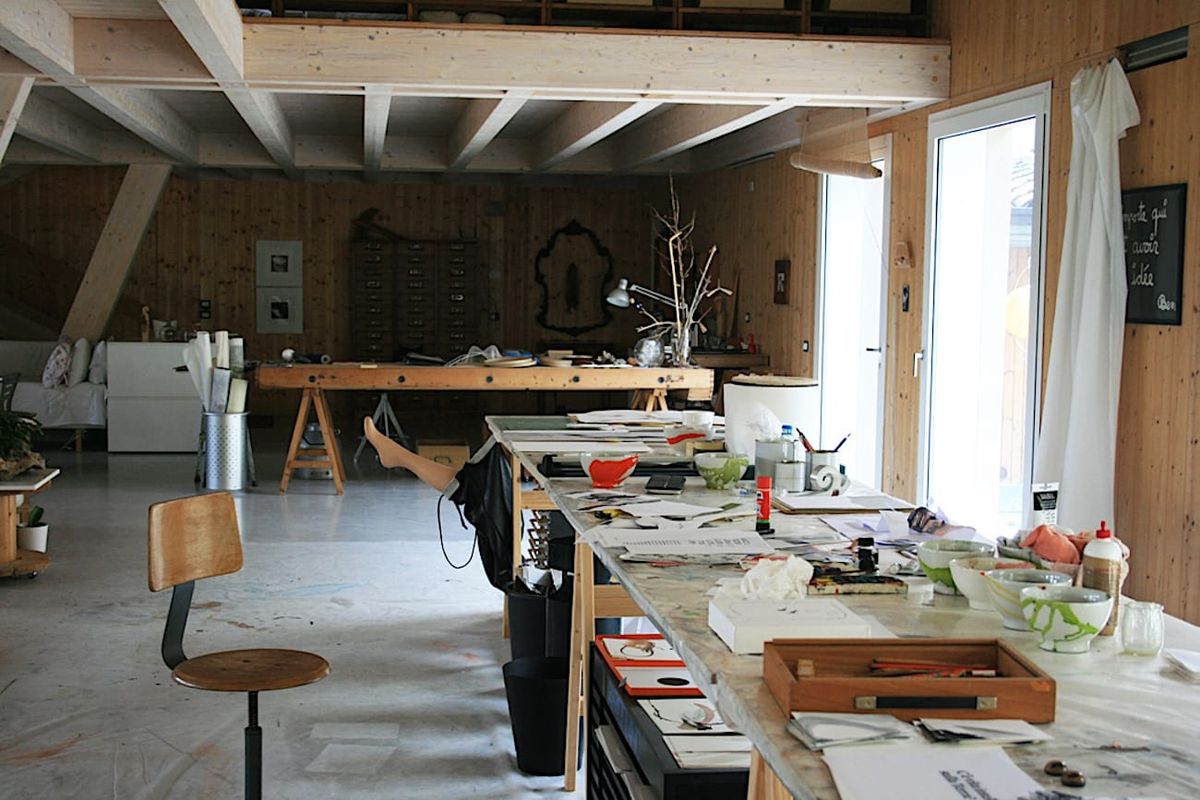
Miriam Fitzgerald Juskova's exhibit combines paper quilling with mathematics, showcasing intricate art that engages viewers and emphasizes the value of handmade creations.
Arts
fromIrish Independent
3 days ago'You have to step in and experience it' - artists on the rise of AI-generated art and the 'essential' gallery visit
Miriam Fitzgerald Juskova's exhibit combines paper quilling with mathematics, showcasing intricate art that engages viewers and emphasizes the value of handmade creations.
fromHi-Fructose Magazine - The New Contemporary Art Magazine
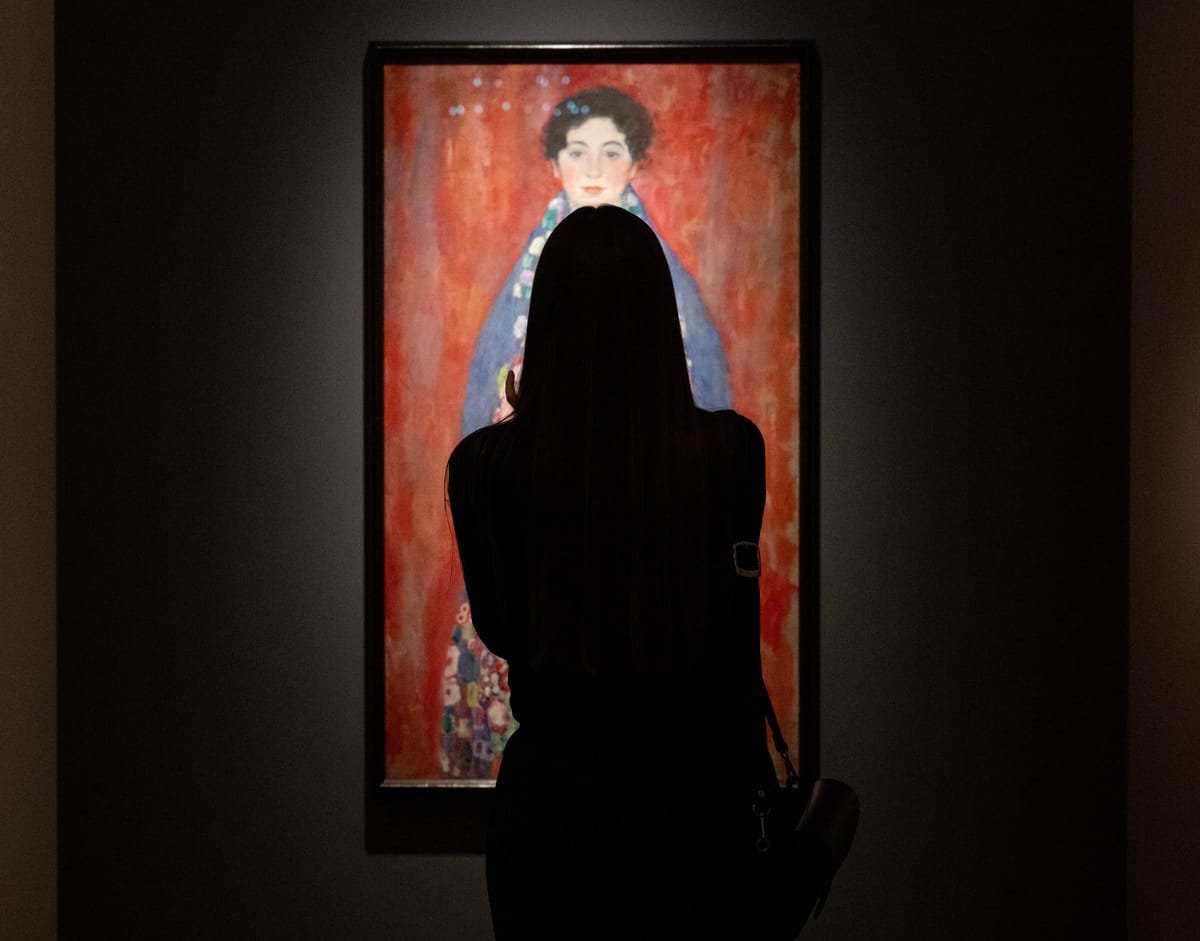
2 days agoKyle Cobban Draws From The Unknown - Hi-Fructose Magazine
"It's an amalgamation of the Chicago neighborhood aesthetic with a Bulls fan, quite literally. It's kind of on the nose, but that's how I juxtapose the elements of my work, with the structure of a home and then a figure who is around or in the home."
Chicago Bulls

Design
fromdesignboom | architecture & design magazine
4 days agoartwork uses floating fabric corridor and bodily movement to visualize climate change
Ryo Yamada's Perception Corridor is an immersive installation in Edinburgh that explores perception and environmental awareness through a 40-meter fabric corridor.
Writing
fromwww.theguardian.com
3 weeks agoThe moment I knew: I was enchanted by her painting but we never spoke. I wouldn't see her again for 55 years
A man reconnects with a childhood classmate whose exceptional artistic talent impressed him decades earlier, leading to an unexpected reunion after 55 years of separation.


Graphic design
fromItsnicethat
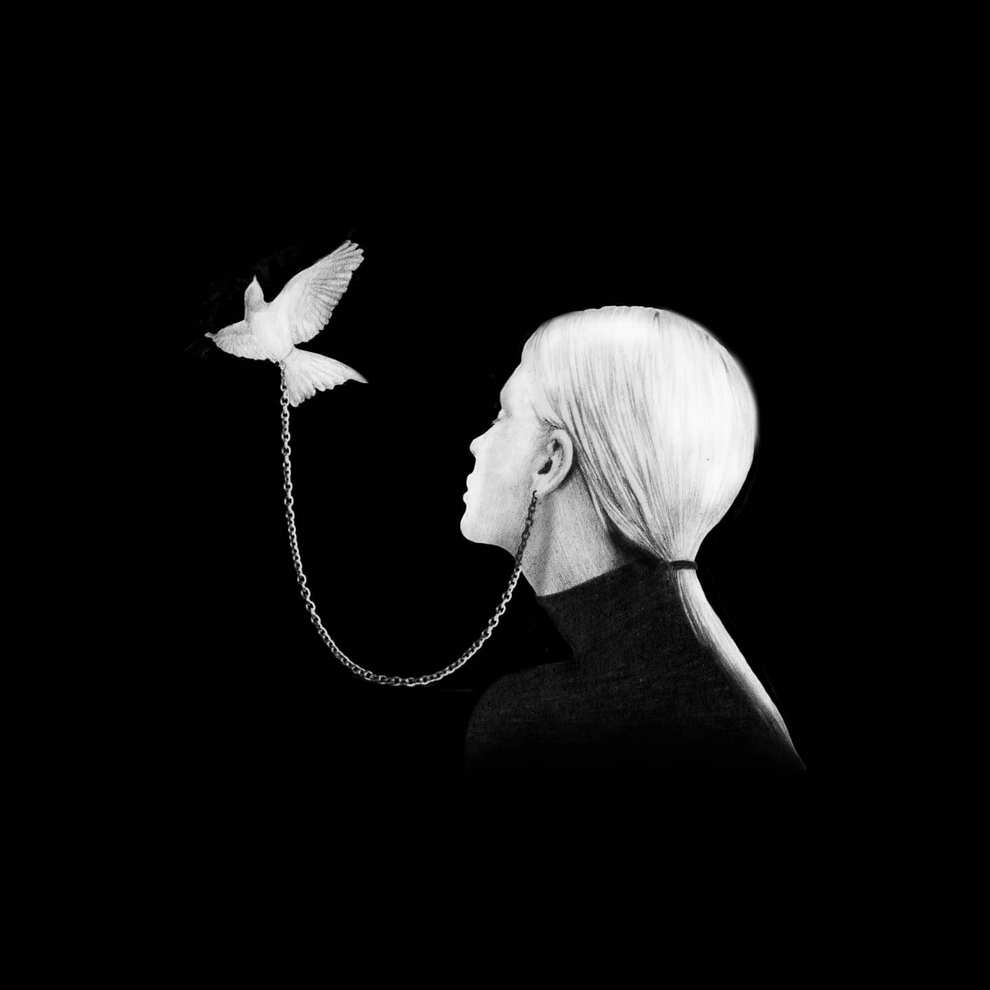
3 weeks agoThe illustrations of Sebastian Curi are all about learning analogue tools (flaws and freckles included)
Sebastian integrates multiple artistic mediums—acrylic painting, colored pencils, and relief printing—while using digital tools primarily for documentation and learning the foundational principles behind each technique.
Miscellaneous
fromThe Art Newspaper - International art news and events
1 month agoComment | Art is more than its original context
Understanding art's original context enriches appreciation, yet modern viewing conditions and lost contexts require adapting how we engage with artworks across different settings and time periods.
Books
fromwww.theguardian.com
1 month agoMy rookie era: I wasn't immediately good at oil painting, but it taught me to find pleasure in struggle
Returning to painting through oil classes helped overcome fear of judgment, teaching fundamentals, practice, and acceptance of possible failure to enjoy the creative process.
fromJuxtapoz
4 days agoJuxtapoz Magazine - Last Days to See Kate Meissner's New Paintings @ Lyles & King's Project Space, NYC
"These works are an exploration of the human body's elasticity and capacity to metamorphose. Informed by my own experience of pregnancy and the birth of my first child last year, these paintings are a meditation on physiological transformation and the body's underlying animalistic and mammalian nature."
Arts
Arts
fromThe Art Newspaper - International art news and events
2 days agoPaul Pfeiffer will be inaugural artist-in-residence at Brooklyn's Barclays Center arena
Paul Pfeiffer will be the inaugural artist-in-residence at Barclays Center, focusing on media workshops for those affected by the criminal-justice system.
fromHyperallergic
2 days agoThe Art World Is a Joke
Kamrooz Aram is everywhere this year, from Mumbai Art Week to the Whitney Biennial, and critic Aruna D'Souza is grateful. She pens a beautiful meditation on his work, reading his abstract paintings as not simply a denunciation of Western modernism nor a reassertion of Islamic visual motifs, but something else entirely - something gestural, exuberant, riotous, and incomparably his own.
Arts
fromArtnet News
3 days agoAt Art Basel Hong Kong, Wet Paint Hits Galleries, Malls, a Semi-Secret Space, and More | Artnet News
Hong Kong's particular and seductive Metabolist city planning is an ode to consumption as a great totalizer of culture, and to contemporary art as merely a niche commodity form among many others.
Arts
fromBOOOOOOOM!
3 days ago"Idling" by Artist Greta Kresse
"These paintings merge the landscape and the intimacy of windows through the framing of the car, bridging the two realms I've typically explored separately. The car becomes a meditation on transition, on existing simultaneously here and elsewhere."
Arts
fromBoard Game Quest
1 month agoSand Art Review
Sand Art is a game by Kory Jordan and published by 25th Century Games for two to four players ages 10 and up. It takes about an hour to play, and has you collecting resources and then coloring in a bottle, making art in a bottle out of sand, in case the name didn't give away the plot. Gameplay Overview: Sand Art has you gathering and mixing sand, which is used to fill your bottle.
Board games
fromMedium
1 month agoCan you run out of creativity?
There's a particular kind of panic that hits when you're facing a creative problem, and the well just feels... empty. Every idea seems stale. Every solution feels recycled. And the question creeps in: Have I finally used up all my good ideas? Maybe it's your third attempt at solving the same design problem, and every solution feels like a pale echo of something you've already tried. Or perhaps you've been churning out work for months, and suddenly the spark you used to rely on? Gone.
Psychology
fromHyperallergic
3 weeks agoEmbracing Friction in the Art World
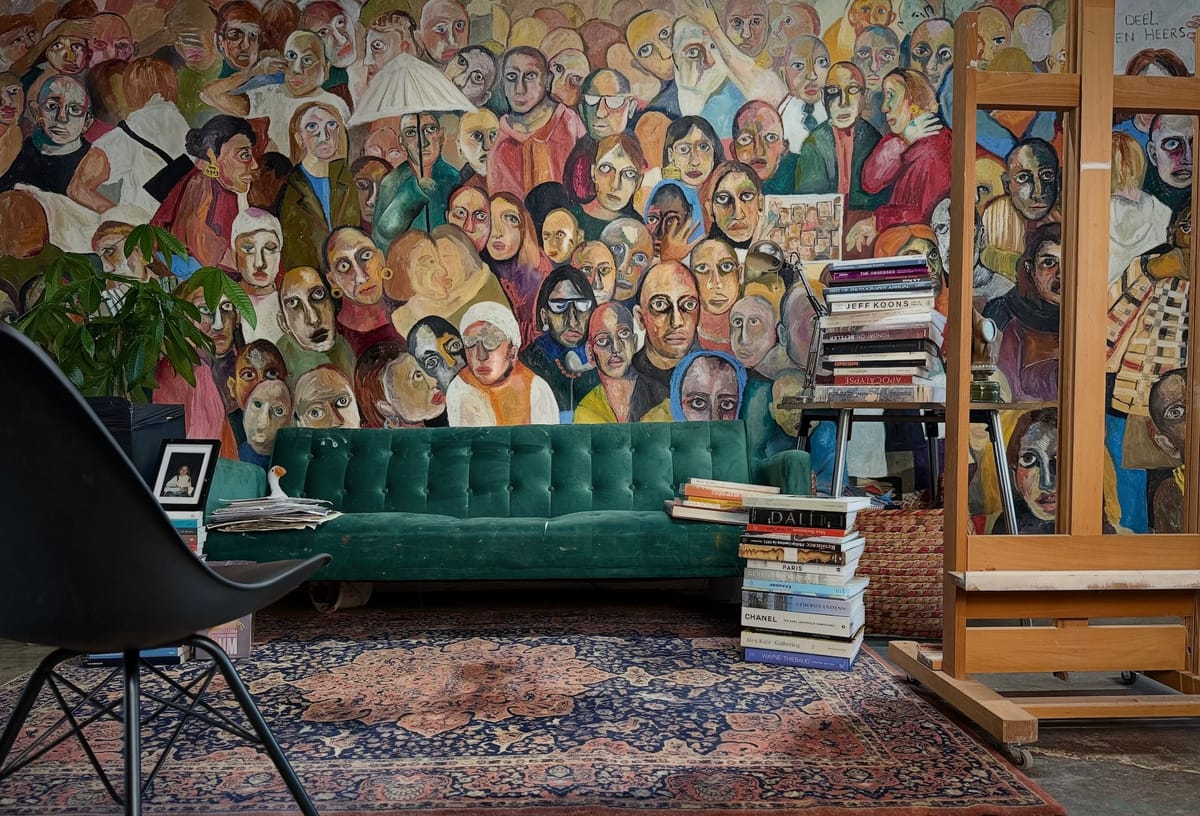
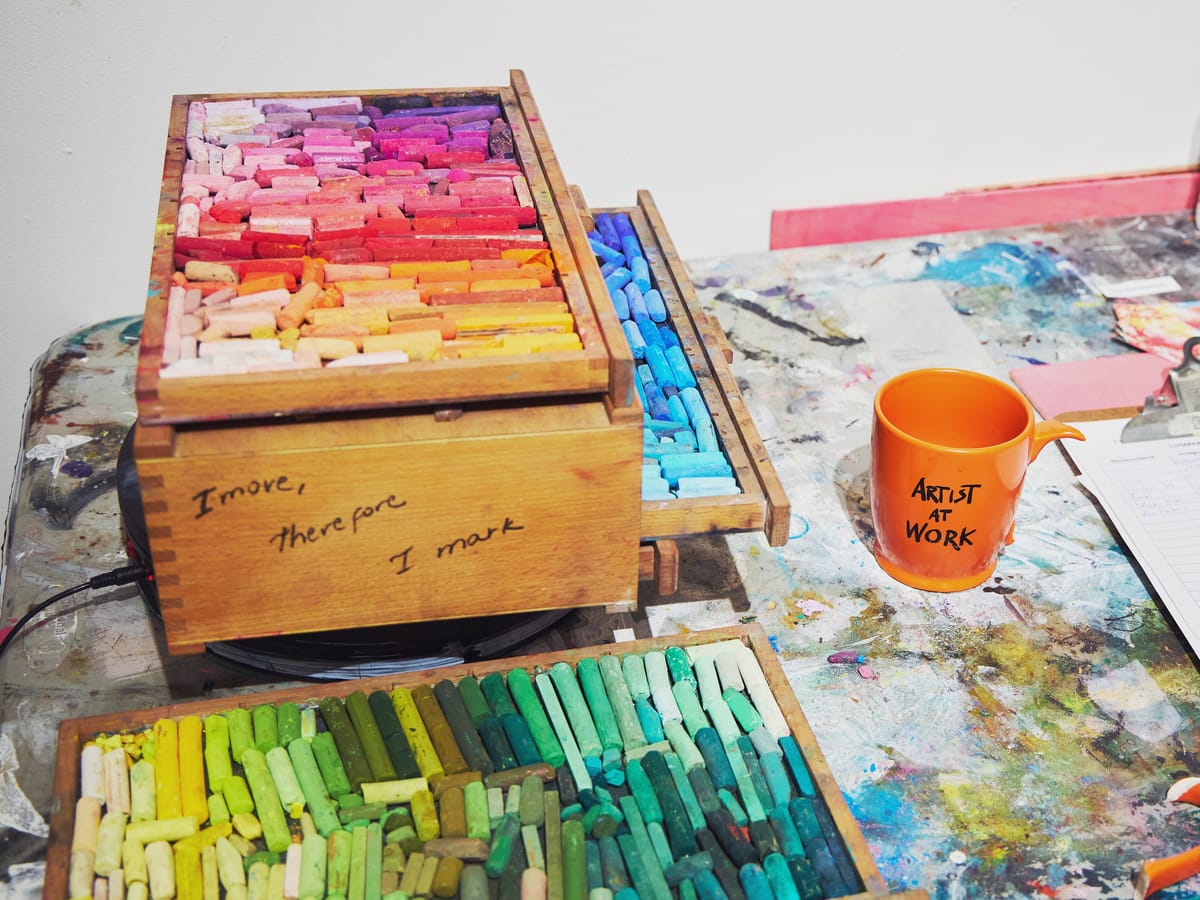
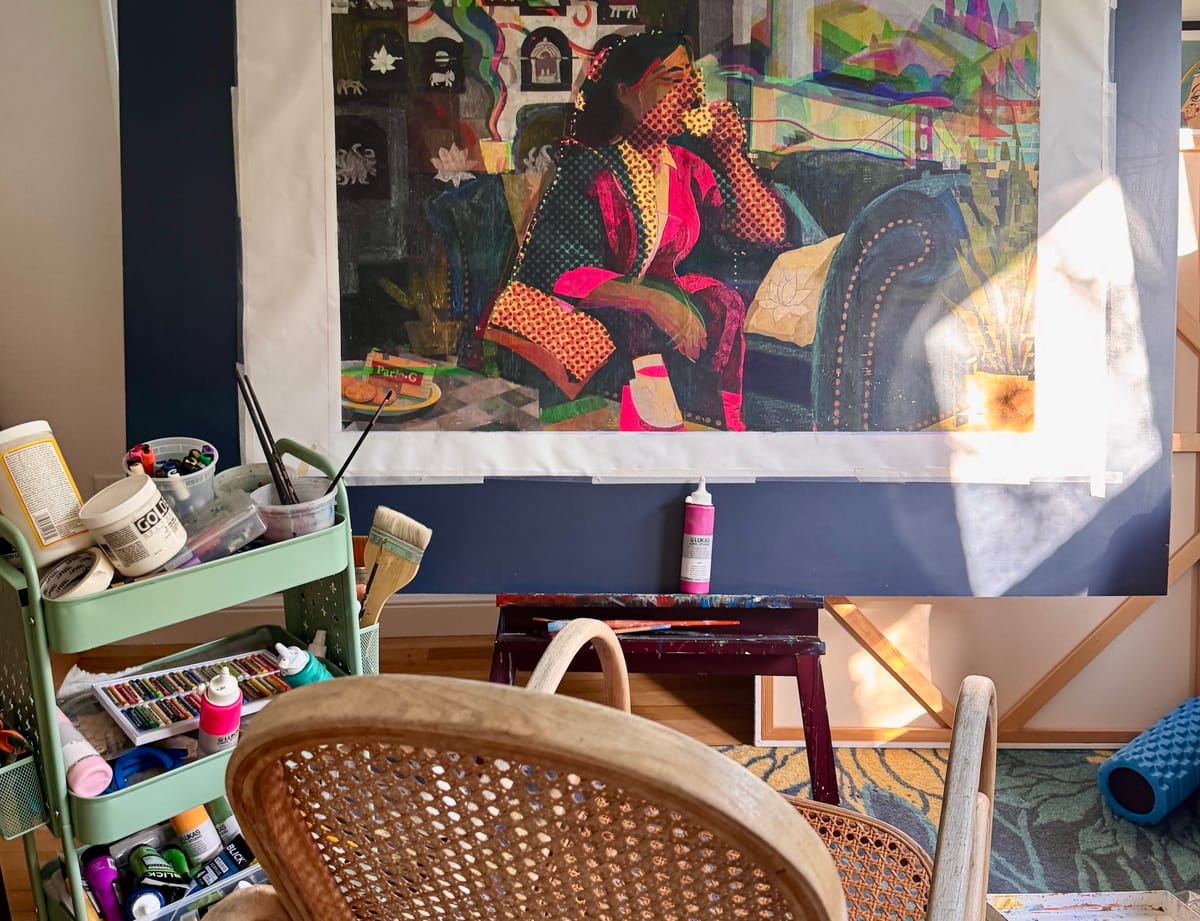
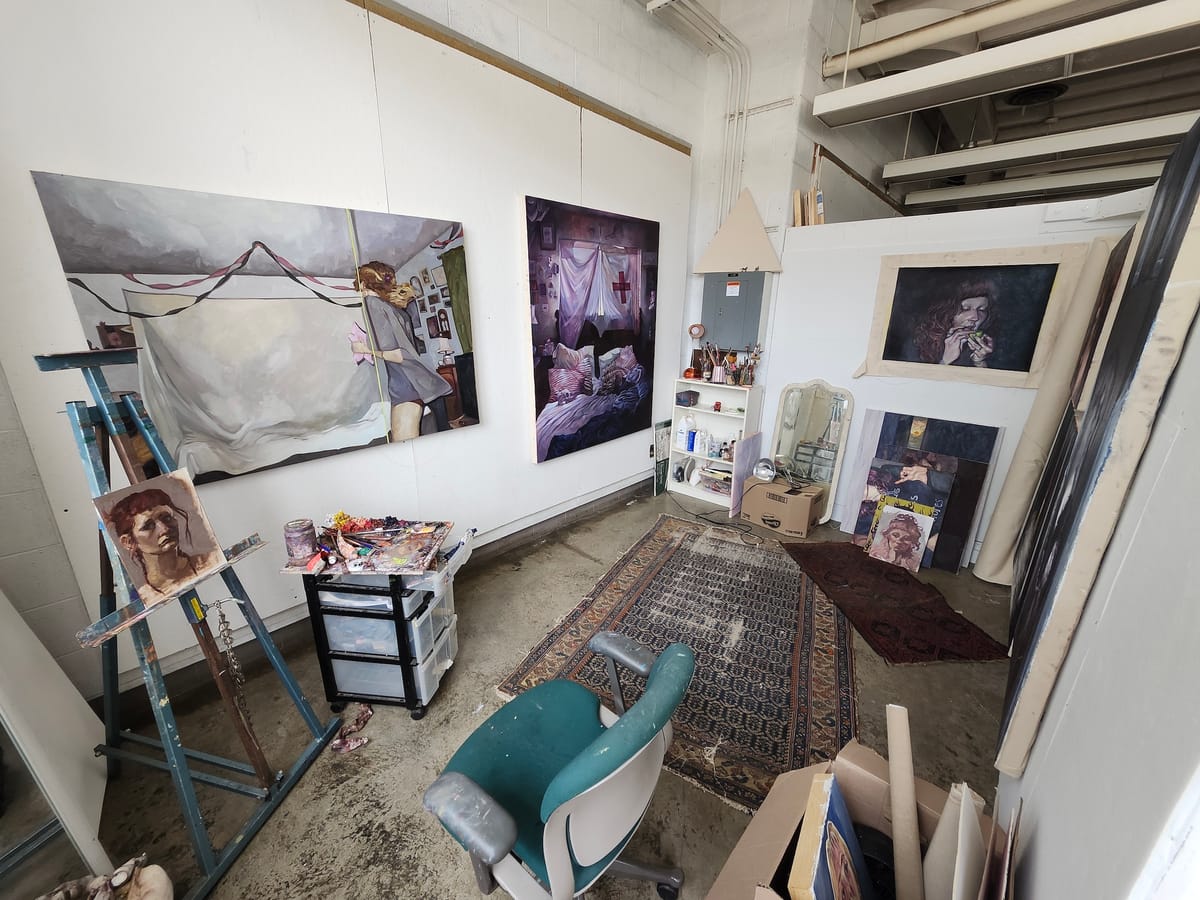
On Franklin Street in Brooklyn's Greenpoint neighborhood, one non-commercial gallery fosters 'a small, stubbornly human space for friction.' Friction—the ubiquitous buzzword that captures the simultaneous delight and discomfort of doing things the slow way—is at the heart of artists Pap Souleye Fall and Char Jeré's current show at Subtitled NYC. It also reflects the overall spirit of this little exhibition space and of a burgeoning movement to reject our culture of optimization in favor of a bumpier, more intimate, less alienating experience.
Arts
Arts
fromThe Art Newspaper - International art news and events
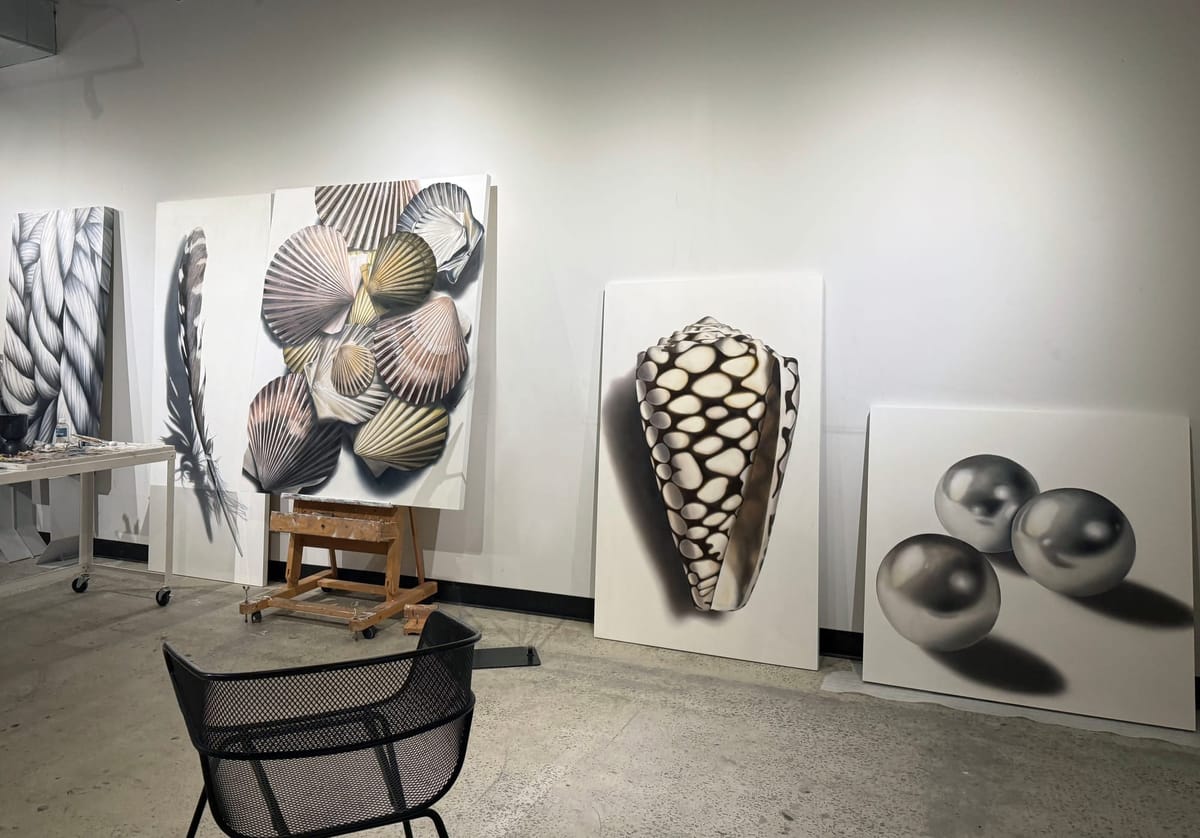
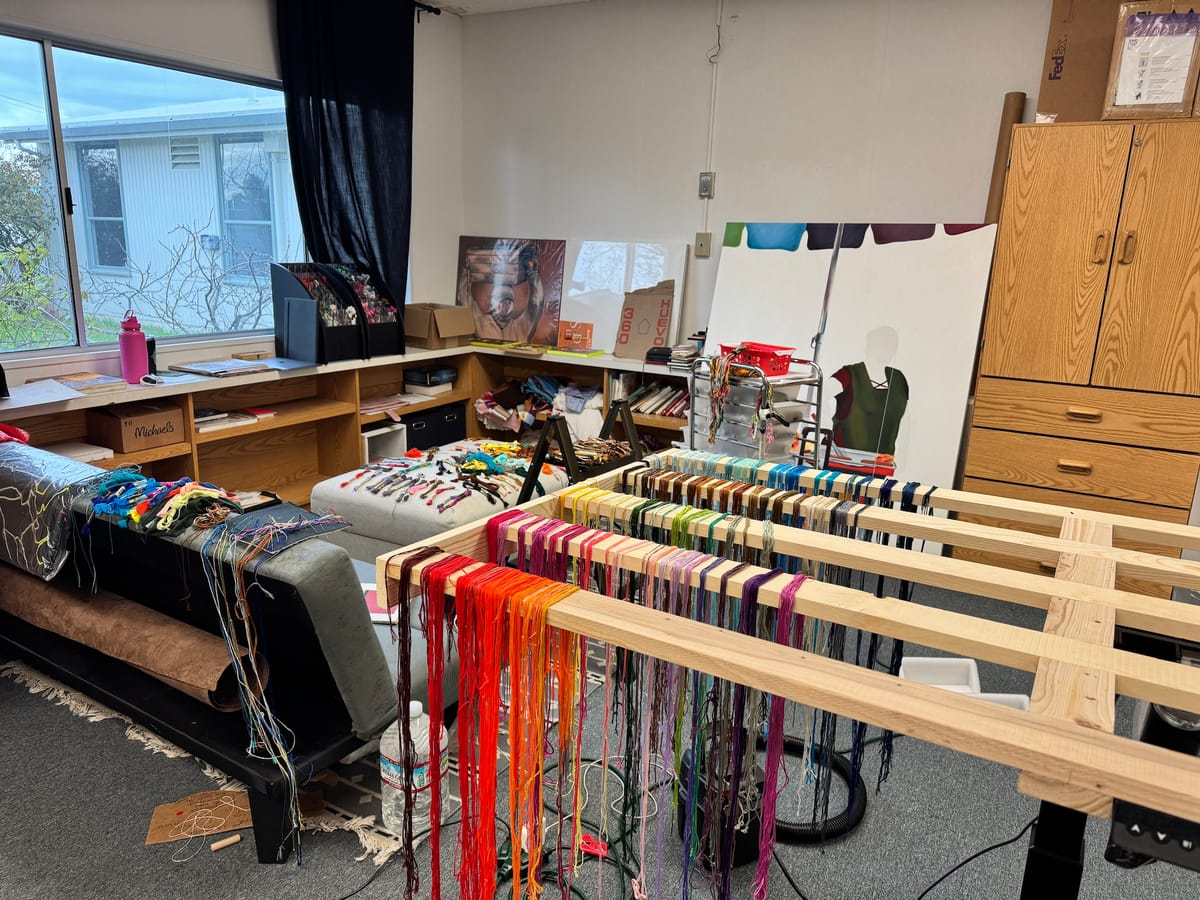
3 weeks agoArtists agonise over when a work is finished-but should we viewers care?
Artists determine completion when they have successfully transformed visual memory and emotion into a physical object, at which point further work becomes unnecessary.
Arts
fromThe Art Newspaper - International art news and events
2 months agoComment | We are living in an age of bad painting-the medium must be challenged to stay interesting
Contemporary painting shows a widespread trend of complacent, market-driven, and poorly executed works that often lack urgency and substantive engagement.
Arts
fromSilicon Canals
1 month ago8 signs you appreciate art, music, and culture on a deeper level than most people - Silicon Canals
Some people experience art deeply, reacting emotionally and perceiving subtle artistic cues that reveal heightened sensitivity and meaningful connections to creative expression.
fromHyperallergic
2 months agoA View From the Easel
Mornings are best for concentrated work. In the winter, I turn on the heat at 8am and get started around 10am. Summer, I start around 9am. I have two areas in the studio for projects. The large, heavy wood sculptures are carved in the front section of the studio, closest to the roll-up wide door. Smaller sculptures are placed on a hydraulic workbench. Before I start, I focus, connect with the Source, and ask for guidance.
Arts
Arts
fromdesignyoutrust.com
2 months agoArtist Paints Smoky Lounges And Quiet Strangers, Letting Halffinished Details Turn Viewers Into Coauthors Of The Scene
A wide-ranging visual roundup showcases creative reinterpretations, vintage design, activist art, photography, illustration, and humorous cultural works spanning contemporary and historical styles.
Arts
fromEast Bay Express | Oakland, Berkeley & Alameda
2 months agoArt / Tech: Postmodern Cultural Incubator critiques technology with art
A six-to-eight-month Cultural Incubator fosters anti-disciplinary collaboration, merging art and technology to critique current tech deployment and broaden who benefits from technological innovation.
[ Load more ]