#asking-price-decline
#asking-price-decline
[ follow ]
#housing-market #mortgage-rates #real-estate #housing-affordability #real-estate-trends #home-prices
#housing-market


SF real estate
fromFortune
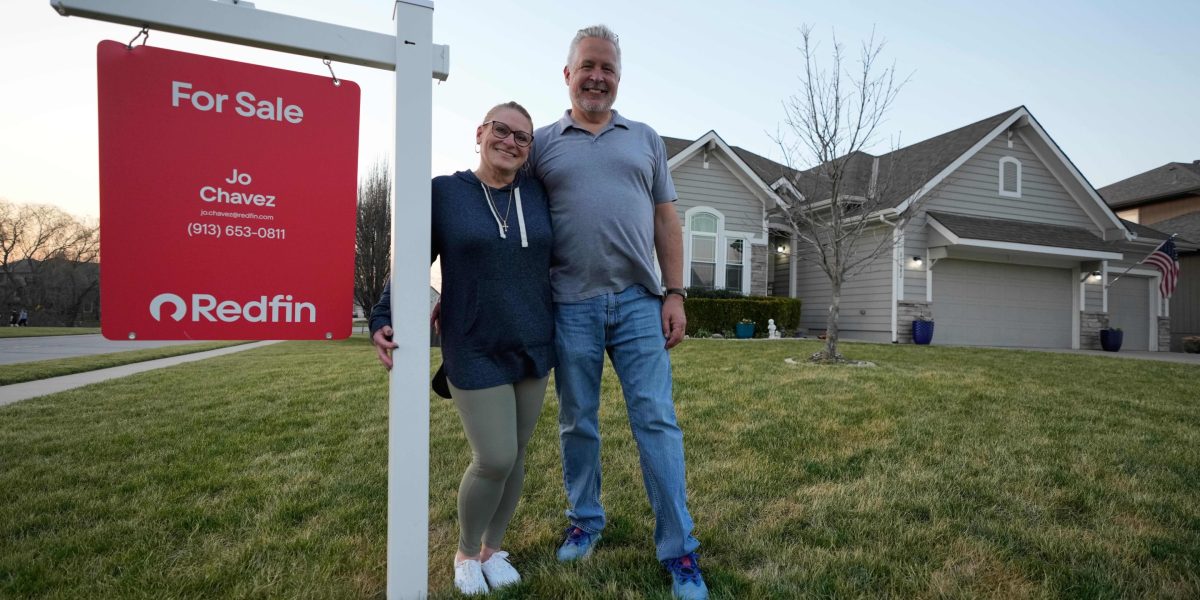
1 day agoIn this buyer's market, one home seller took an offer $10,000 below asking price, covered $5,000 in closing costs, and paid for $12,000 in repairs | Fortune
The war with Iran is increasing mortgage rates, complicating the housing market and potentially dampening home sales during the busy spring season.
#mortgage-rates


Real estate
fromwww.housingwire.com
3 weeks agoHousing demand still positive, but for how long with rising rates?
Mortgage rates surged above 6.41% amid increased volatility and widened spreads, driven by Iran conflict escalation, threatening the year's low-rate environment while housing demand remains positive but historically fades near 7% rates.
Real estate
fromwww.housingwire.com
3 weeks agoHousing demand still positive, but for how long with rising rates?
Mortgage rates surged above 6.41% amid increased volatility and widened spreads, driven by Iran conflict escalation, threatening the year's low-rate environment while housing demand remains positive but historically fades near 7% rates.

NYC real estate
fromwww.businessinsider.com
2 days agoWe bought a house that's too small so we could afford our dream neighborhood. A $300,000 third-party loan will help us renovate.
The Feinbergs purchased a small home in Wayne, Pennsylvania, and planned to expand it using RenoFi financing based on future value.
fromwww.housingwire.com
1 week agoHomebuyer affordability improves in February
The February PAPI declined over the month and is nearly 10% lower than a year ago, reflecting both reduced payments and steady income growth, Edward Seiler said. While affordability conditions remain challenging in many markets, these incremental gains felt across more than half of states are an encouraging sign for prospective buyers, particularly those seeking lower-payment options.
Boston real estate
fromwww.housingwire.com
3 days agoMortgage lenders ramp up homebuilder divisions
Ginsburg stated that treating builder business as a core pillar rather than a side channel reflects a broader industry shift. He believes a healthy balance of builders should be around 15% to 20% of the overall retail book of business.
Real estate
Boston real estate
fromFast Company
2 weeks agoThe housing market's hottest week is coming-and sellers who miss it could lose out on $26K
Spring 2026 housing market conditions are improving with lower mortgage rates and favorable selling conditions, particularly during mid-April when homes sell faster and at higher prices.
NYC real estate
fromFast Company
2 weeks agoHousing market rent incentives hit a 12-year record as lower demand and higher supply drive apartment concessions
Rental market concessions reach highest levels in over a decade as landlords compete for tenants through incentives like free rent and waived deposits.
fromRedfin | Real Estate Tips for Home Buying, Selling & More
1 week agoWhat Happens If You Need to Move Soon After Buying a Home?
"When deciding whether to sell quickly or rent out the home, many homeowners underestimate the logistics involved with moving only part of their belongings or staging while relocating. Storage may seem like a simple add-on, but it actually introduces multiple steps, additional labor, and can significantly increase costs, sometimes even doubling them."
Real estate



fromAxios
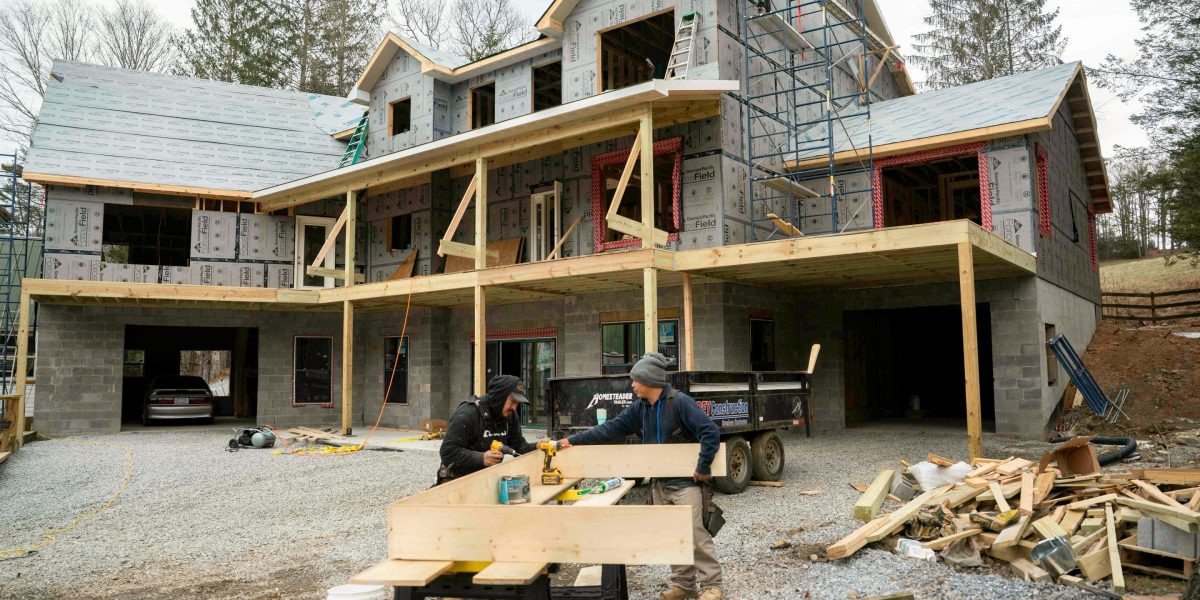
1 month agoHome sales plunge despite affordability improving
Existing home sales fell 8.4% from December to January, the National Association of Realtors reported Thursday. Economists had expected a 4.6% monthly drop, according to WSJ data. Sales were down 4.4% from a year earlier, hitting a seasonally adjusted annual rate of 3.91 million. Zoom in: The decline was most acute for single-family homes, where sales fell 9%. Regionally, the West was down 10.3%, the South 9% and the Midwest 7.1%, while the Northeast rose 5.9%.
Real estate
fromFast Company
2 months ago106 housing markets are seeing falling home prices-and not a single one is in the Midwest
Based on our analysis of the Zillow Home Value Index, U.S. home prices are up just 0.1% year over year from December 2024 to December 2025. That marks a deceleration from the +2.6% growth rate a year earlier-though national price growth has recently stabilized, ticking slightly higher from a low of -0.01% in August 2025. In the first half of 2025, the number of major metro-area housing markets seeing year-over-year declines climbed. That count has since pretty much stopped ticking up.
Real estate


fromwww.housingwire.com
2 months agoHomebuying power improves as prices cool, inventory expands
Realtor Todd Luong of REMAX DFW Associates in Frisco said his recent experience reflects meaningful improvement for buyers, even if affordability remains strained. Here in the Dallas real estate market that I serve, affordability remains a challenge, he says. However, there is a significant amount of data showing that buyer conditions have improved over the past year and that buyers are gaining affordability ground. This should eventually increase housing demand to some degree as we head into the busy spring buying season.
Real estate
fromwww.housingwire.com
2 months agoSpring housing market uncertain as mortgage rates remain flat
The relatively flat trajectory for rates reflects the market's belief that the federal funds rate won't change anytime soon. Federal Reserve policymakers didn't offer any surprises last week when they ended their rate-cutting cycle by holding the policy rate at a range of 3.5% to 3.75%. And the CME Group's Fed Watch tool showed that the next rate cut isn't likely to materialize until June or July.
Real estate
Real estate
fromRedfin | Real Estate Tips for Home Buying, Selling & More
2 months agoWhat Factors Affect How Quickly a House Sells?
Speed of home sale depends primarily on accurate pricing, market supply/demand, property condition and marketing, with days on market signaling demand and pricing accuracy.
[ Load more ]