#asteroids
#asteroids
[ follow ]
#astronomy #nasa #space-exploration #planetary-defense #dna #near-earth-objects #space-threats #galaxies
fromArs Technica
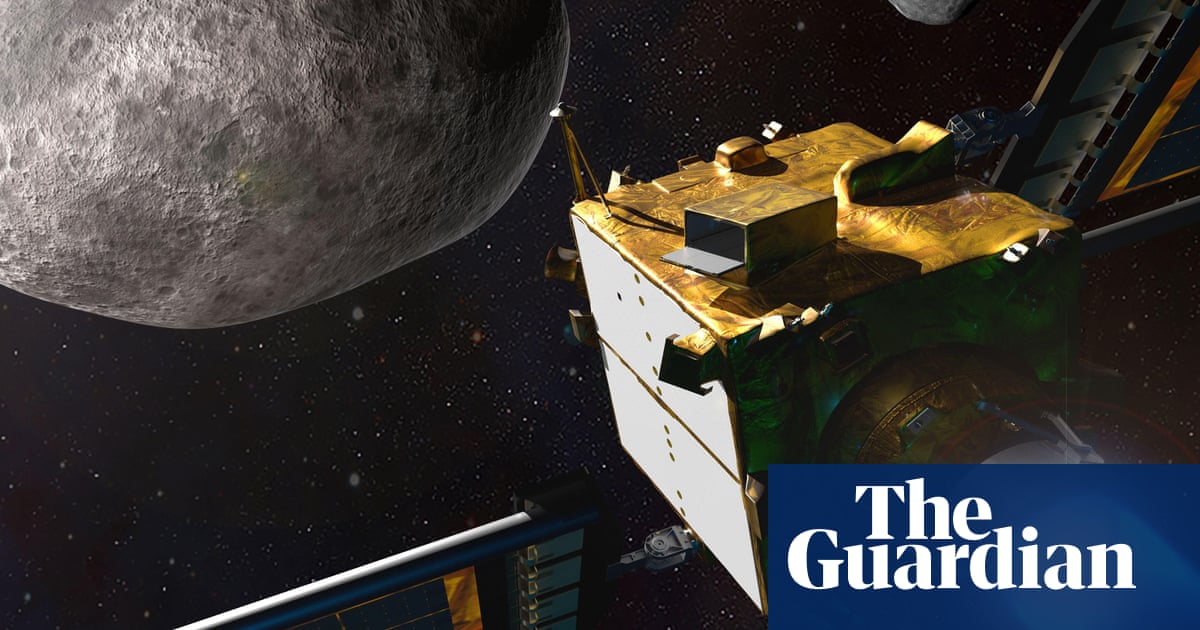
1 week agoWe keep finding the raw material of DNA in asteroids-what's it telling us?
The new work was less notable for showing that we had found these bases in Ryugu than for solving a previous mystery: earlier studies had failed to detect them there, despite their presence in many other asteroid samples.
OMG science
fromwww.scientificamerican.com
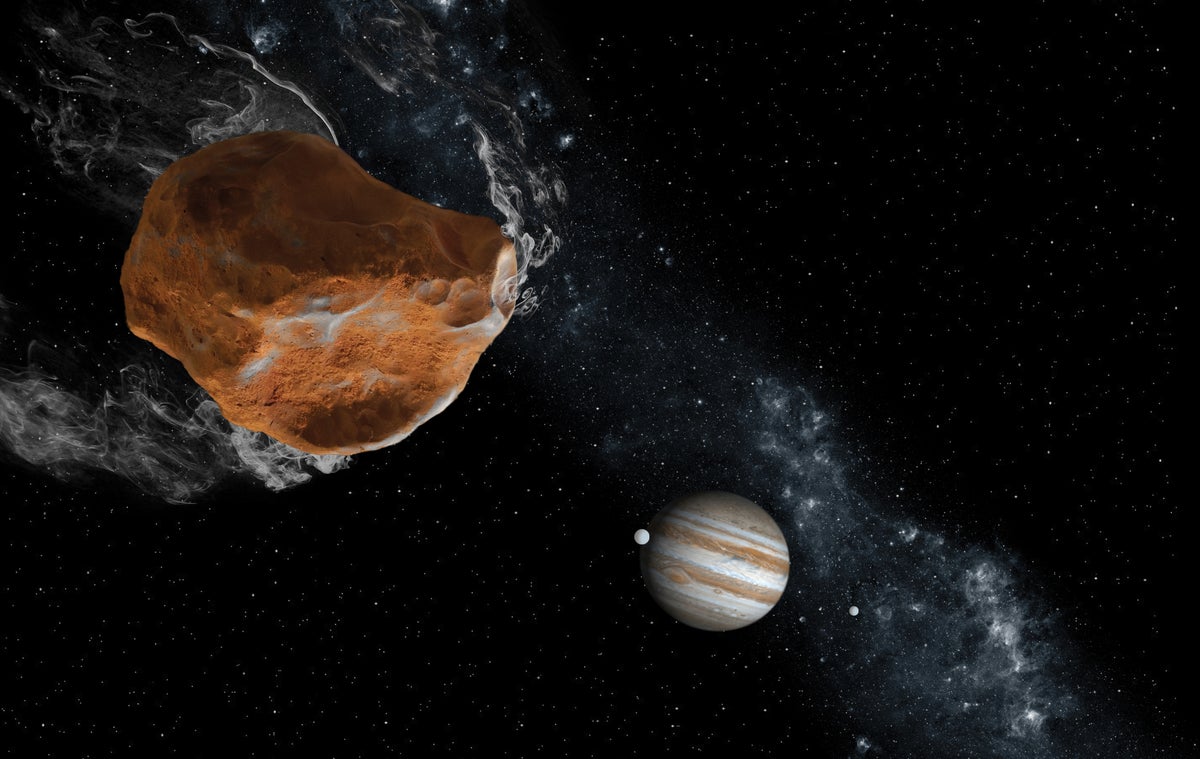
6 months agoAstronomers Just Found Dozens of New Asteroid Families'
It's exciting, but it's wrong: asteroids so closely spaced together would grind one another to dust in short order, making it extremely unlikely that you'd ever find such a situation near a star. In our own solar system, there are pretty good odds that you could stand on the surface of an asteroid and not even be able to see another one!
Science


fromTheregister
9 months agoWorld's largest camera shows galaxy in 3,200 megapixel glory
"Building the world's largest digital camera will allow scientists to explore the cosmos in new ways and at a scale that will enable discoveries that should fundamentally change our understanding of the universe," said Aaron Roodman, deputy director of the Rubin Construction.
OMG science
fromwww.theguardian.com
9 months agoFirst images of distant galaxies captured by ultimate' telescope
Prof. Catherine Heymans expressed her amazement, stating, 'Just look, it's teeming with gorgeous glittering galaxies!' emphasizing the significance of the first observations from the Rubin Observatory.
OMG science

[ Load more ]