#planetary-defense
#planetary-defense
[ follow ]


fromwww.theguardian.com
3 weeks agoThe moon is safe': asteroid is not on collision course, scientists confirm
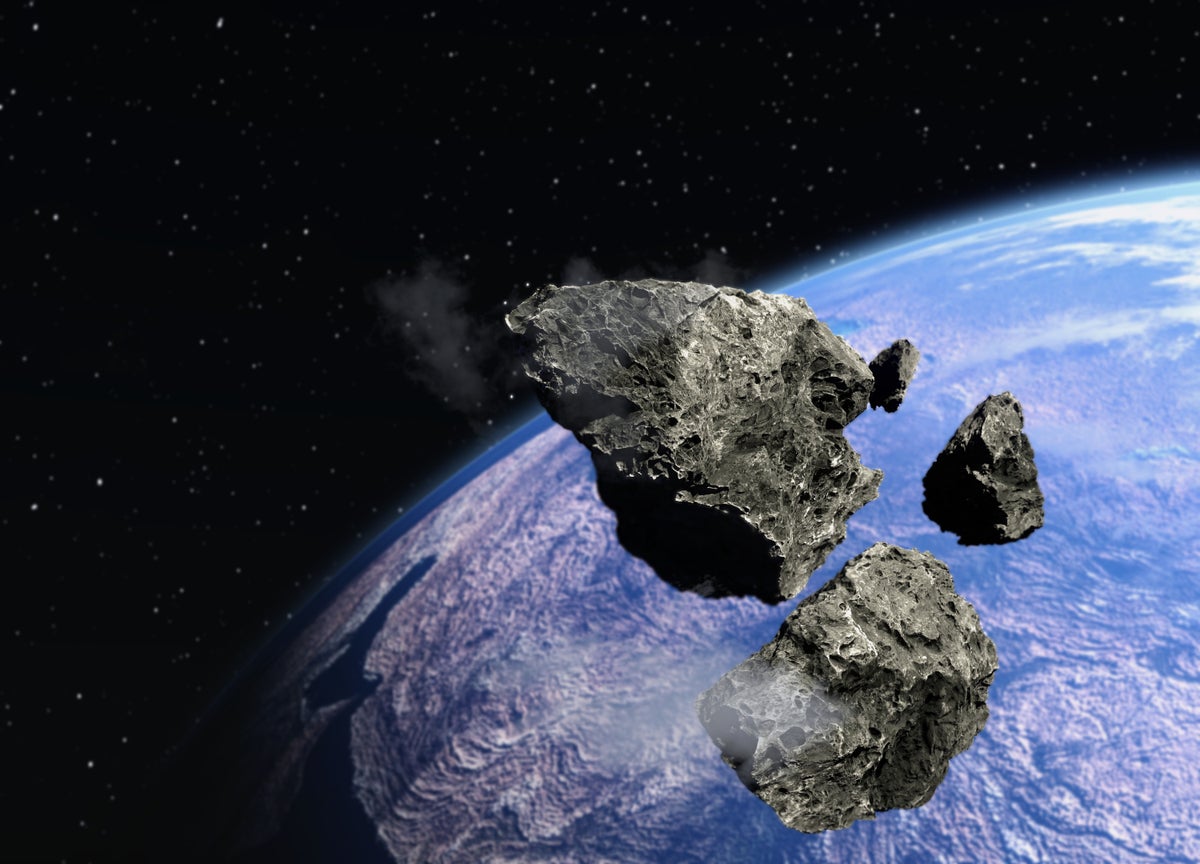
Discovered in December 2024, asteroid 2024 YR4 was briefly considered the most dangerous asteroid in decades after scientists initially estimated it had a 3.1% chance of colliding with the Earth in 2032. Closer observations quickly ruled out a city killer scenario, but instead astronomers calculated there was a 4.3% chance that the moon lay in the path of impact.
Science
#asteroid-deflection



OMG science
fromTheregister
3 weeks agoNASA's asteroid defence mission slowed targets just a bit
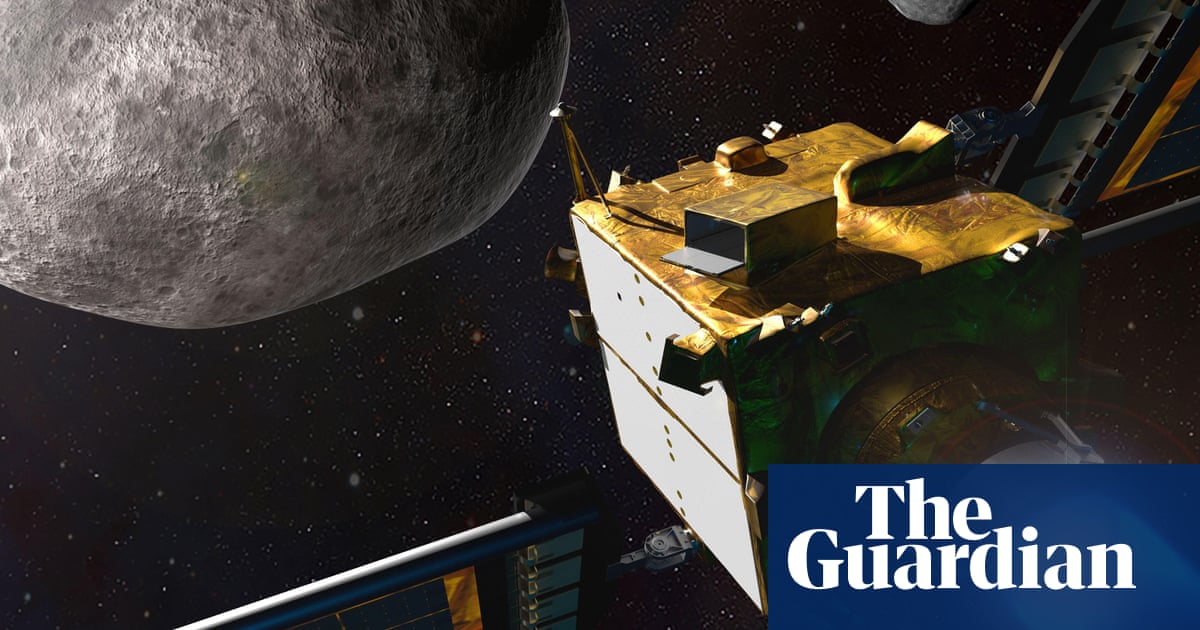
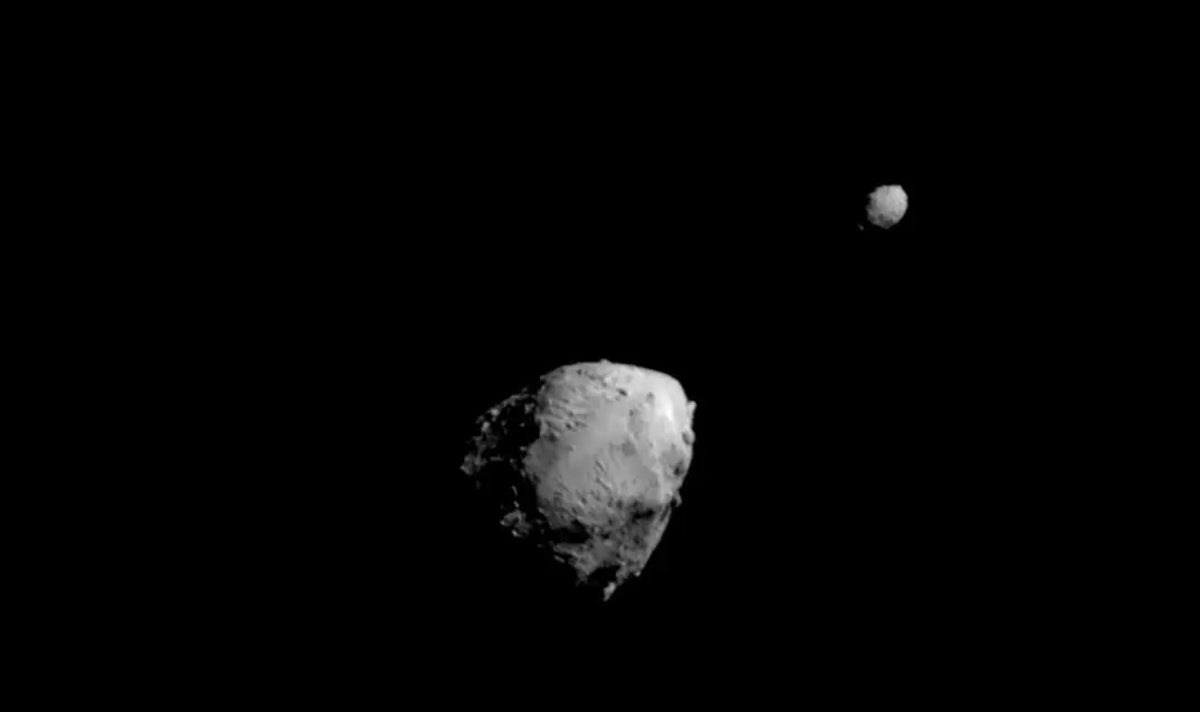
NASA's DART mission successfully demonstrated that a spacecraft collision can alter an asteroid's trajectory, with debris ejection doubling the impact's momentum and changing the binary system's orbital period by 0.15 seconds.
Science
fromwww.scientificamerican.com
4 weeks agoNASA changed an asteroid's orbital path around the sun, a first for humankind
NASA's DART mission altered an asteroid's orbit around the sun for the first time, demonstrating humanity's capability to deflect potentially hazardous asteroids through kinetic impact.
#dart-mission
Science
fromEngadget
3 weeks agoNASA's DART spacecraft changed a binary asteroid's orbit around the sun, in a first for a human-made object
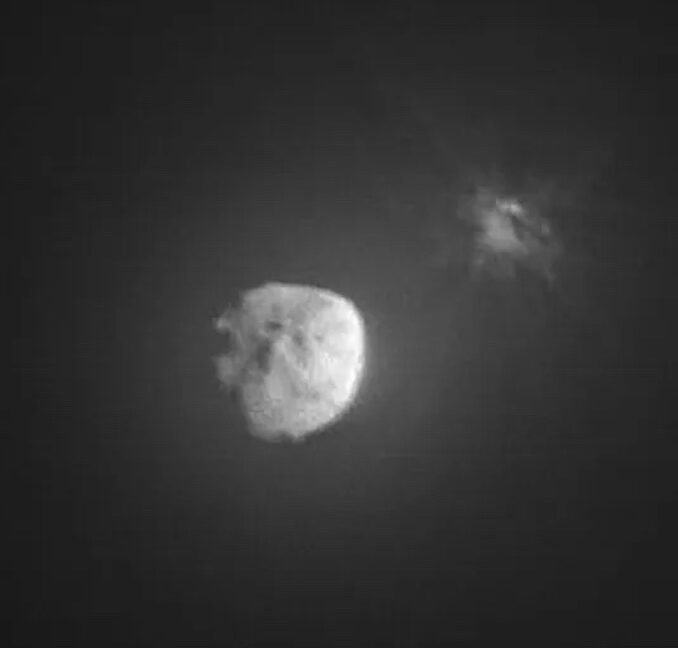
NASA's DART mission altered both a moonlet's orbit around its parent asteroid and their combined orbit around the sun, marking the first human-made change to a celestial body's solar orbit.
Science
fromEngadget
3 weeks agoNASA's DART spacecraft changed a binary asteroid's orbit around the sun, in a first for a human-made object
NASA's DART mission altered both a moonlet's orbit around its parent asteroid and their combined orbit around the sun, marking the first human-made change to a celestial body's solar orbit.


fromwww.scientificamerican.com
4 weeks agoNotorious asteroid 2024 YR4 won't crash into the moon after all
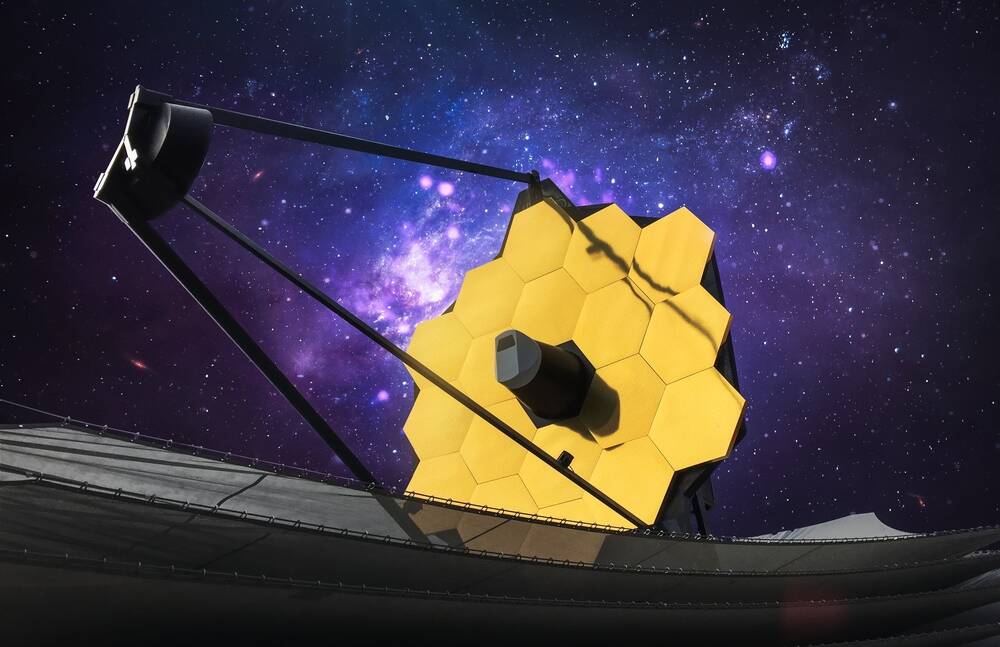
Soon after it was spotted in December 2024, worldwide telescopic observations quickly positioned it as the most dangerous space rock ever discovered—one that stood a 3.1-percent (or 1-in-32) chance of crashing into Earth on December 22, 2032. If it were to hit one of the cities potentially in its path, this 60-meter asteroid would have unleashed a force comparable to several atomic bombs, devastating the unfortunate metropolis.
OMG science
Science
fromFast Company
2 months agoScientific breakthroughs are redefining what's possible with asteroids, cancer research, and neurotech
Cross-disciplinary collaborations and AI enable breakthroughs—asteroid deflection, immunotherapy mapping, and vestibular control—advancing capability to protect and improve human life.
US politics
fromWashingtonian - The website that Washington lives by.
3 months agoA DC Restaurant Trump Slump, the Truth About Autopens, and Killer Rocks From Outer Space: Washingtonian's Favorite Longreads of 2025 - Washingtonian
A curated selection of longreads covers DC's struggling restaurant scene, a 50-year love memorial, NASA's asteroid defense efforts, and a local political profile.

fromMail Online
4 months agoUN says planetary defenses will observe interstellar comet 3I/ATLAS
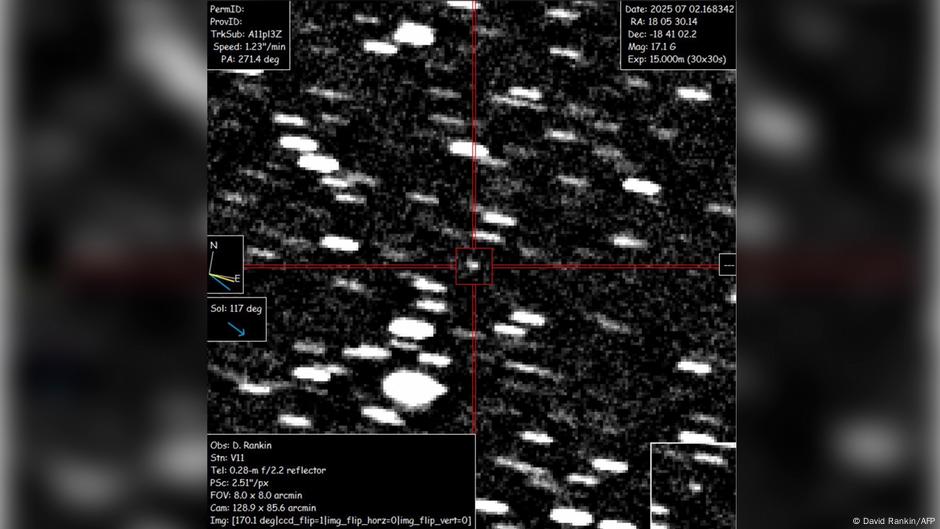
Starting on November 27, a global team of scientists with the International Asteroid Warning Network (IAWN) will kick off a two-month campaign to track the comet as it nears our planet. 'While it poses no threat, comet 3I/ATLAS presents a great opportunity for the IAWN community to perform an observing exercise due to its prolonged observability from Earth and high interest to the scientific community,' the UN explains on its website.
Science
fromArs Technica
9 months agoAn exceedingly rare asteroid flyby will happen soon, but NASA may be left on the sidelines
This is a remarkable opportunity," said Bobby Braun, who leads space exploration for the Johns Hopkins Applied Physics Laboratory, in an interview. "From a probability standpoint, there's not going to be another chance to study a killer asteroid like this for thousands of years.
Science
[ Load more ]