Graphic design
fromThe Verge
16 hours agoReally, you made this without AI? Prove it
Labeling human-made content is essential as AI-generated works proliferate, creating confusion and skepticism among audiences.
Anna Holmes defines 'hype aversion' as a reflex against being told what to like, suggesting that popularity can create pressure rather than signal quality. This feeling can lead to a deliberate choice to resist mainstream culture.
Elisava's Master's in Graphic Design is ingrained with societal, cultural and critical contributions to the creative industry, going beyond its aesthetic output while fostering self-awareness in creatives.
The handle, made of frosted silicone with a clean, pill-shaped profile, changes its physical firmness based on the freshness of the food stored inside the refrigerator. When everything's fine in there, the handle feels firm to the touch. When something is going bad, it softens.
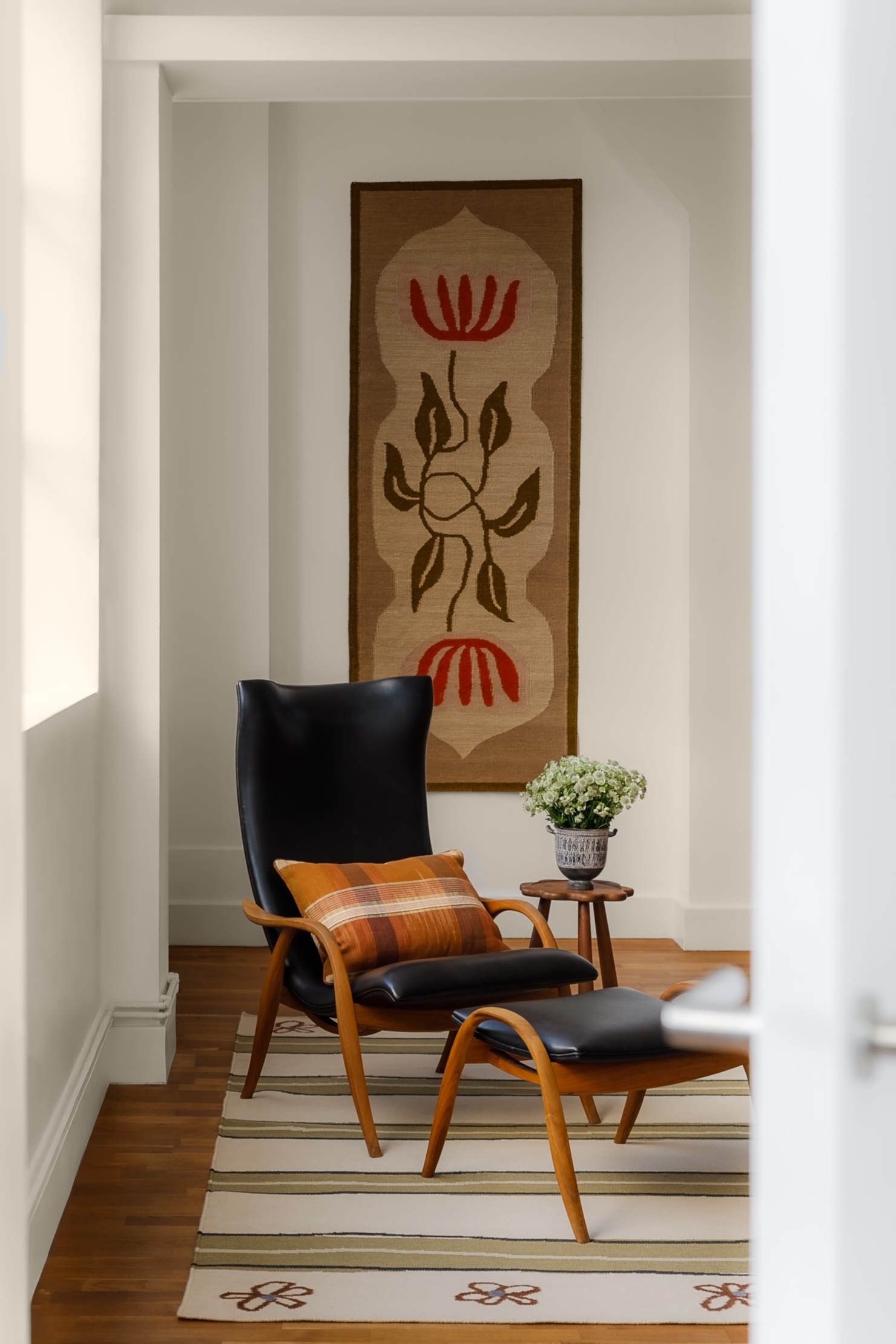
The convenience of sourcing online is fraught with more pitfalls than most of us want to admit. Try finding adequate photos of a vintage piece's condition-close-ups of the fabric, video of damaged areas, any images of a piece's rear or underside!
The original intent of pilotis was to create a sense of lightness that would allow circulation and light to flow beneath a structure, but contemporary requirements render thin columns insufficient for large-scale civic projects.
Clothing that bears the name of a city near or far has become a closet staple for many consumers in recent years, evolving from impulse purchases to mainstream fashion.
We've both fought against needless promotional content before and lamented that frontier AI platforms are falling into the same pattern. As designers and users, we've learned that "free" usually means putting up with interruptive, slightly creepy ads that feel more like a tax than a benefit - a frustration tax that now colors how we approach free‑tier services and now AI tools.
What design programs rarely prepare students for is how little agency designers often have once they enter professional practice. And this challenge doesn't disappear with experience. When my co-author and I toured our book Designing Tomorrow, the most common question we heard was not what designers should do differently - but how to drive positive change in the face of resistance.