#avery-howell
#avery-howell
[ follow ]
#contemporary-art #whitney-biennial #art #abstract-expressionism #art-exhibition #art-exhibitions #art-history




fromJuxtapoz
4 days agoJuxtapoz Magazine - Last Days to See Kate Meissner's New Paintings @ Lyles & King's Project Space, NYC
"These works are an exploration of the human body's elasticity and capacity to metamorphose. Informed by my own experience of pregnancy and the birth of my first child last year, these paintings are a meditation on physiological transformation and the body's underlying animalistic and mammalian nature."
Arts
fromFast Company
1 month agoThe Getty's new logo is a blocky tribute to its vast collections
We needed a visual identity that was uniquely Getty and distinct enough to unify how we show up globally. This system gives Getty one clear, ownable expression in support of the work we do around the world.
Typography
#whitney-biennial

Arts
fromArtnet News
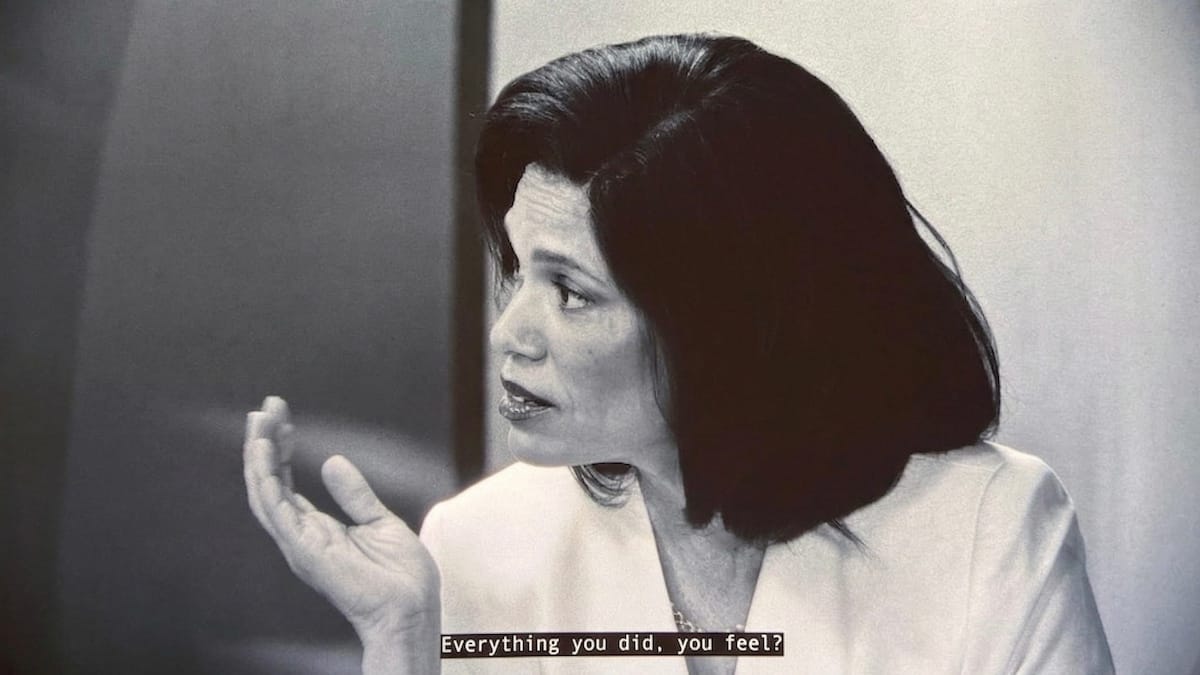
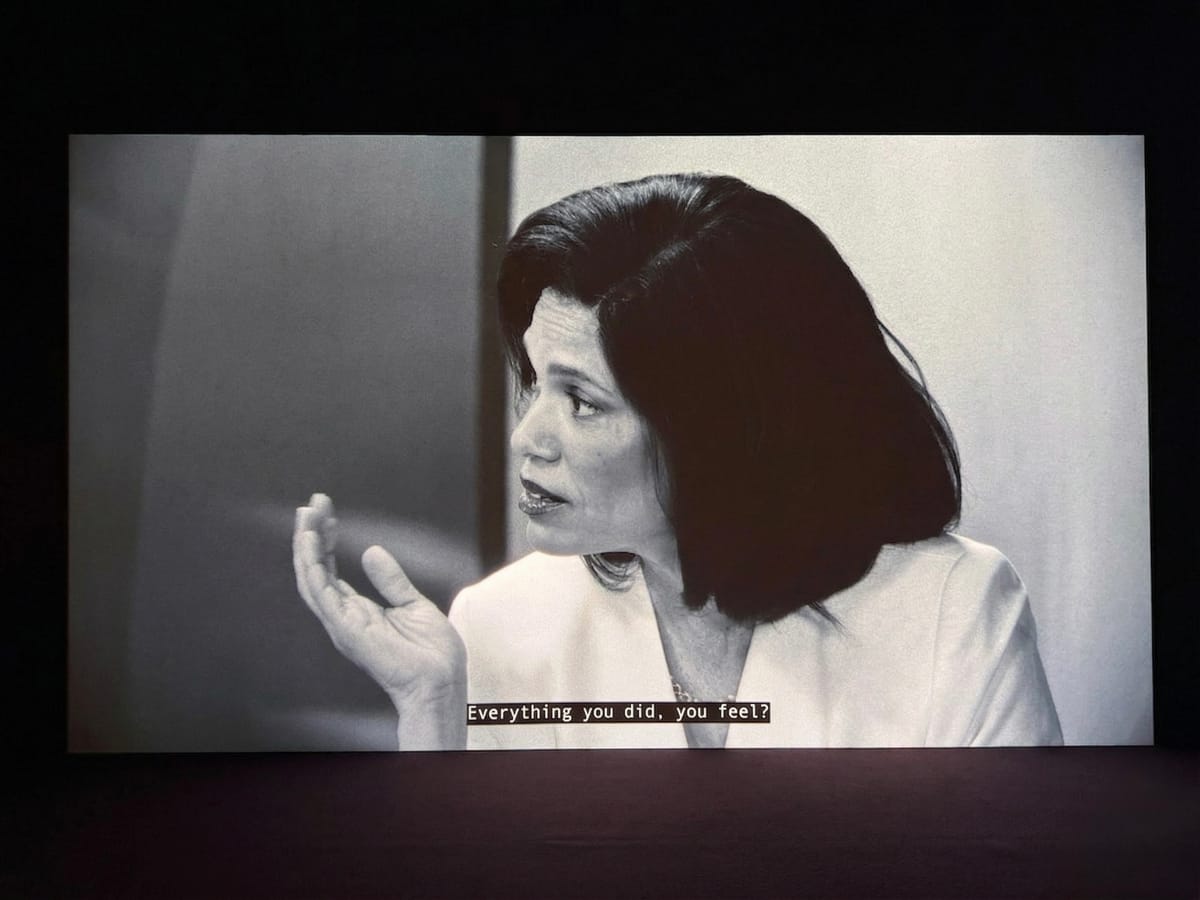
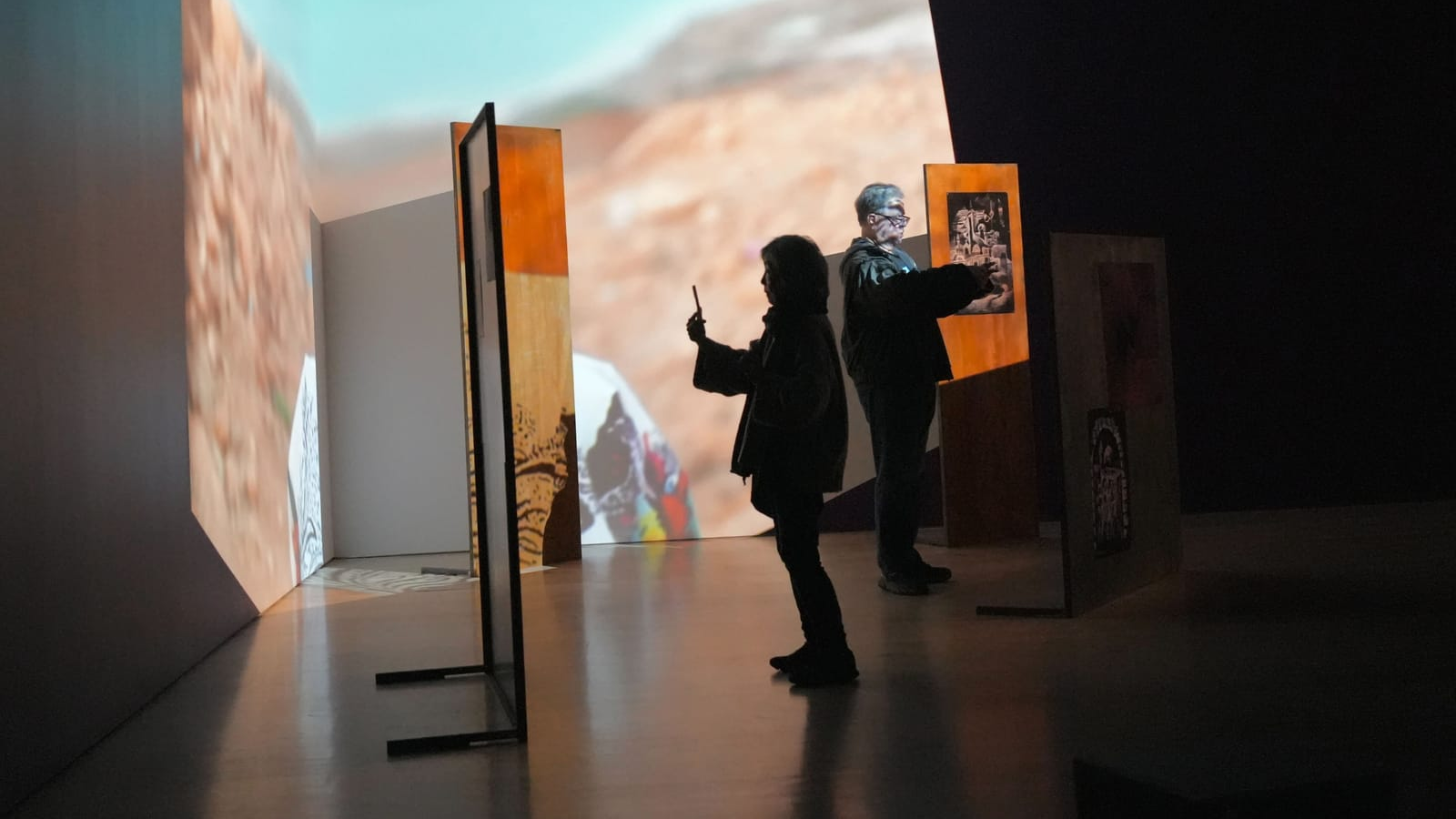
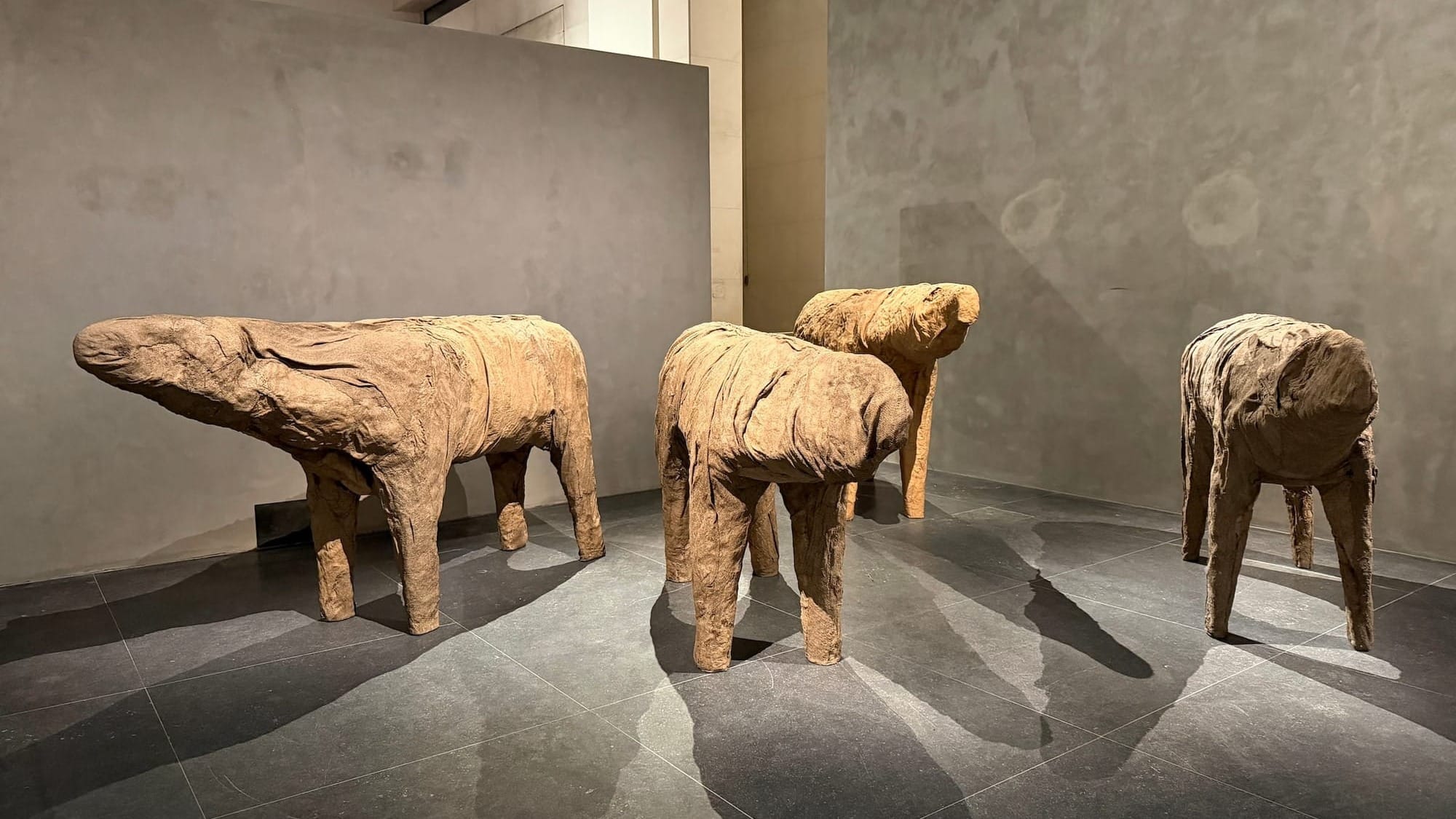
1 month agoInside the 2026 Whitney Biennial: Politics, Memory, Unexpected Emotion
The 82nd Whitney Biennial features 56 artists with diverse identities and perspectives, resisting political pressure to self-censor while addressing racism, discrimination, and marginalized communities.

fromArtforum
2 months agoCommercial Break
AT FIRST GLANCE, the phrase "avant-garde advertising" might seem like a contradiction in terms: The avant-garde is assumed to be inherently anti-capitalist and the realm of advertising crassly commercial. But the involvement of avant-garde artists with advertising is in fact rich, complex, and long-standing, encompassing a full century of collaborations, critiques, and reworkings of all sorts. That entanglement-in all its diversity-is the topic
Film
fromArtnet News
2 weeks agoPeter Halley Returns to Austria with First Solo Show in Two Decades
In many ways working in the tradition of Kazimir Malevich and Josef Albers, his compositions employ a language of squares and rectangles known as "Cells" and "Prisons," connected by bold lines called "Conduits." Together, these geometric and linear arrangements tap into the inherent geometry that structure reality, and conceptually refer to the construction of everyday life, both public and private as well as physical and psychological.
Arts
Arts
fromwww.theguardian.com
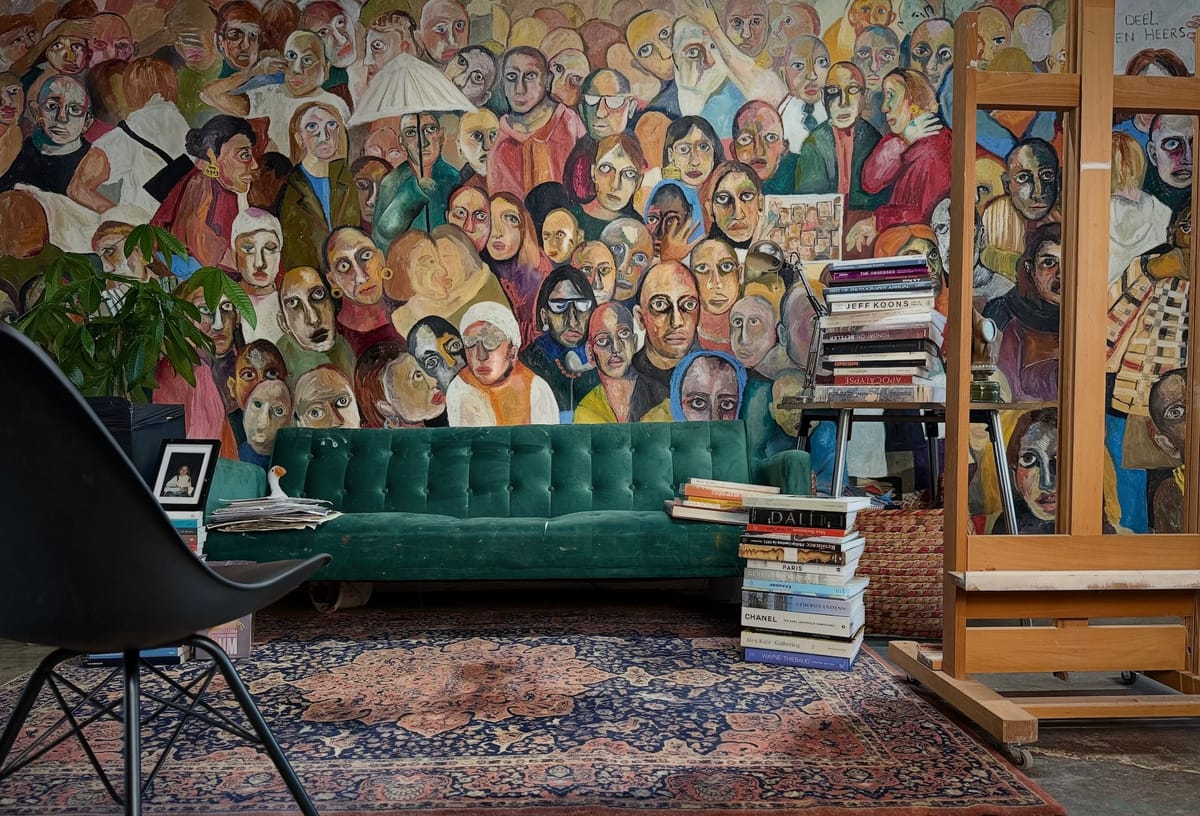
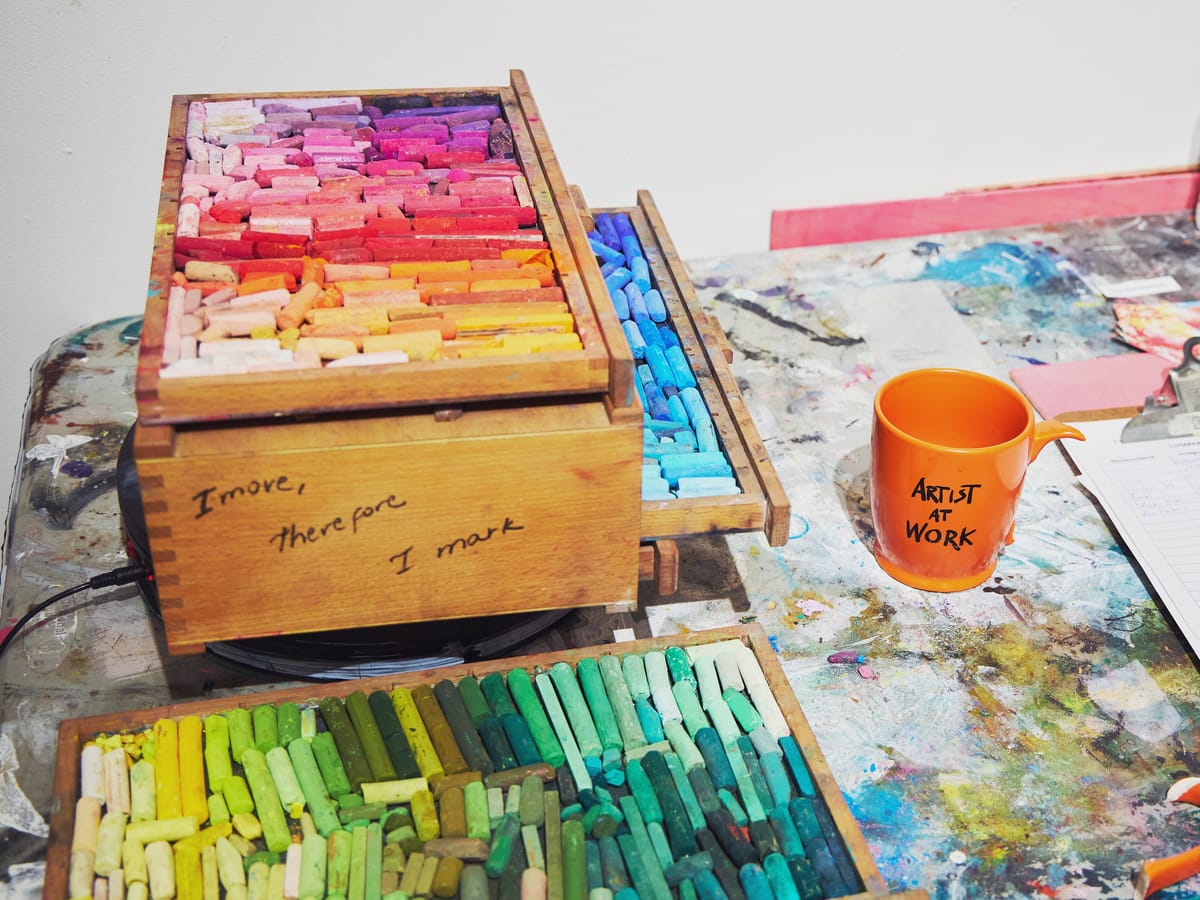
2 weeks agoAbsolutely transformative': Willem de Kooning exhibition uncovers raw intensity of early work
Willem de Kooning's 1948 solo exhibition at Charles Egan Gallery launched his international career, establishing him as a pre-eminent painter by the 1950s through his innovative exploration of figuration and abstraction.
Arts
fromArtnet News
2 weeks agoPaige Powell Didn't Just Document Warhol's Inner Circle. She Shaped It, Too
Paige Powell documented the 1980s New York art scene as Andy Warhol's close confidante, capturing intimate moments of his final years through photography that became inseparable from her identity.
Arts
fromArtnet News
3 weeks agoBlink and You'll Miss It! 3 New York Shows With Painfully Short Runs | Artnet News
Gallery exhibition runs have lengthened from weeks to five or six weeks due to increased competition and high mounting costs, though a countermovement of brief, limited-time shows is emerging.
fromHyperallergic
3 weeks agoArt Problems: How Do I Get Gallery Representation?
Dealers like artists with established sales records because it lowers their already considerable financial exposure. Renting a gallery space in Tribeca costs anywhere between $8,000-30,000 a month on top of staff, marketing, and daily operations. With that kind of overhead, very few business owners can afford to take on the financial risk of untested artists.
Arts
fromHyperallergic
3 weeks agoEmbracing Friction in the Art World
On Franklin Street in Brooklyn's Greenpoint neighborhood, one non-commercial gallery fosters 'a small, stubbornly human space for friction.' Friction—the ubiquitous buzzword that captures the simultaneous delight and discomfort of doing things the slow way—is at the heart of artists Pap Souleye Fall and Char Jeré's current show at Subtitled NYC. It also reflects the overall spirit of this little exhibition space and of a burgeoning movement to reject our culture of optimization in favor of a bumpier, more intimate, less alienating experience.
Arts


#whitney-biennial-2026
Arts
fromdesignboom | architecture & design magazine
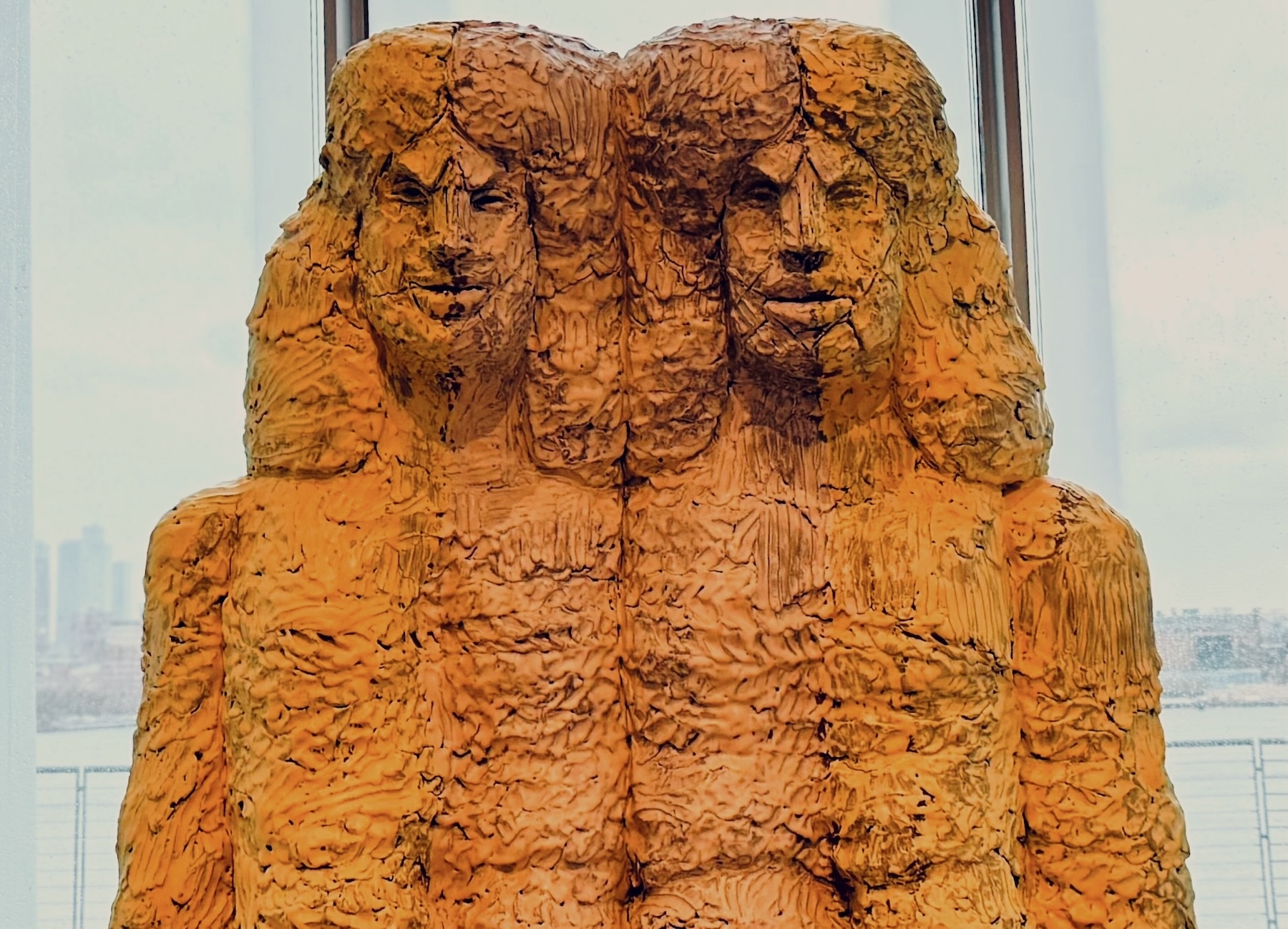
1 month agowhitney biennial asks: what does 'american art' mean in 2026?
The Whitney Biennial 2026 examines what constitutes American art by featuring artists whose practices connect Indigenous histories, land, migration, institutions, and cultural memory across diverse territories and communities.
Arts
fromJuxtapoz
3 weeks agoJuxtapoz Magazine - Melissa Brown "Window Shopping" @ Derek Eller Gallery, NYC
Melissa Brown creates mixed-media paintings of New York City store windows, combining screen-printed photographs with impasto and airbrush techniques to explore sites of commerce, longing, and urban fantasy.
Arts
fromThe Art Newspaper - International art news and events
1 month agoA new home for Asian contemporary art opens in landmarked building in Manhattan's Chinatown
Wang Contemporary opens at 58 Bowery as a global platform for Asian and Asian American creativity, inaugurating with MSCHF's paper plane installation during Lunar New Year.
fromThe Art Newspaper - International art news and events
1 month agoBearing the weight of the world: Amanda Ross-Ho rolls out a new performance at Frieze Los Angeles
A repeated gesture is a way of making something gigantic. When Art Production Fund approached her to imagine a work for the three-acre turf field at the Santa Monica airport during Frieze, her mind went to performance. To activate the synthetic green space, she realised she needed to create something that engaged both the physical conditions of the site and the temporary context of the fair.
Arts

fromHyperallergic
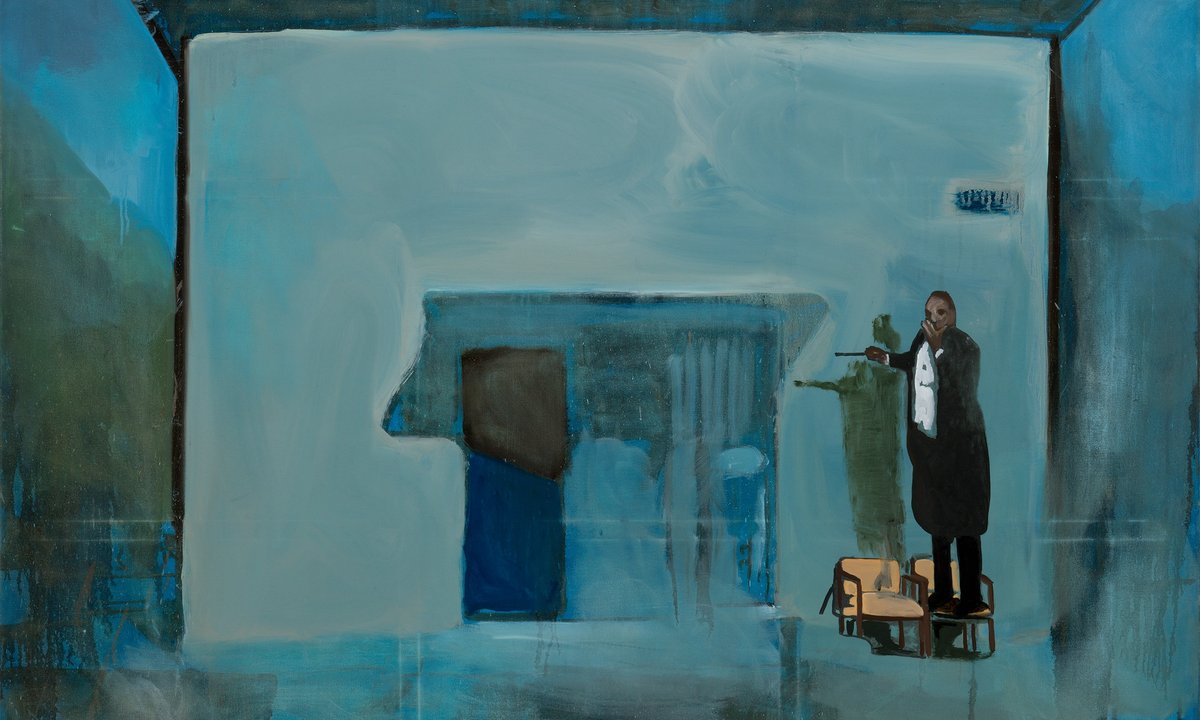
1 month agoThe Sticky Politics of Wall Texts
In 2024, I made a vow to never base my art criticism on wall labels. My decision came after reading reactions to that year's Whitney Biennial. "If every label in 'Even Better Than the Real Thing,' the 81st installment of the Whitney Biennial, were peeled off the walls and tossed into the Hudson, what would happen?" asked Jackson Arn in the New Yorker. (He went on to suggest that the overall show would have been much better.)
Arts
fromHyperallergic
1 month agoA View From the Easel
I work outside, carving and shaping the stone. Outside my house, I have a table, an extension cord, and tools. It's very cold and I have to wear all my winter clothes. When it's too cold, I do the filing and finishing work inside after I shape it outside. I listen to all kinds of music. I listen to Eminem all the time; his albums are all my favorites. For drawings, I work at Kinngait Studios or at home on my kitchen table.
Arts
fromHi-Fructose Magazine - The New Contemporary Art Magazine
1 month agoCayce Zavaglia & The Haphazard Beauty Found behind Her Fiber Portraits - Hi-Fructose Magazine
What gives me encouragement to continue to use my family as inspiration is that, if you look back in history, the famous portraits that Van Gogh did are portraits of people he knew, the postman or his friends. Intimate friends that, once you get that distance of time, you don't think, 'Well, this is someone he knew and that's kind of boring. It's portrait, in and of itself.
Arts
Arts
fromHi-Fructose Magazine - The New Contemporary Art Magazine
2 months agoPainting From The Inside Out With Christian Van Minnen - Hi-Fructose Magazine
Paintings juxtapose bruised, tumorous flesh with forbidden fruits and gummy forms to create disorienting, alluring yet repulsive surrealist imagery.
fromJuxtapoz
2 months agoJuxtapoz Magazine - Polygrapher: Joseph Yaeger @ Modern Art, London
Modern Art is pleased to present Polygrapher, the first solo exhibition by Joseph Yaeger since announcing his representation by the gallery, and the inaugural exhibition at their Bennet Street gallery. Polygrapher denotes both the exhibition title and a text written by the artist, published in the exhibition's accompanying booklet. Taking the form of an interrogation the artist underwent attached to a Stoelting UltraScribe--and in which only the answers have been transcribed--it creates a framework for the experience of the subsequent paintings.
Arts
[ Load more ]