Graphic design
fromApartment Therapy
1 hour agoThis Item Designers Always Buy First at the Flea Market Will Make Your Home Look More Expensive
Designers prioritize art when shopping at flea markets for unique and affordable pieces.
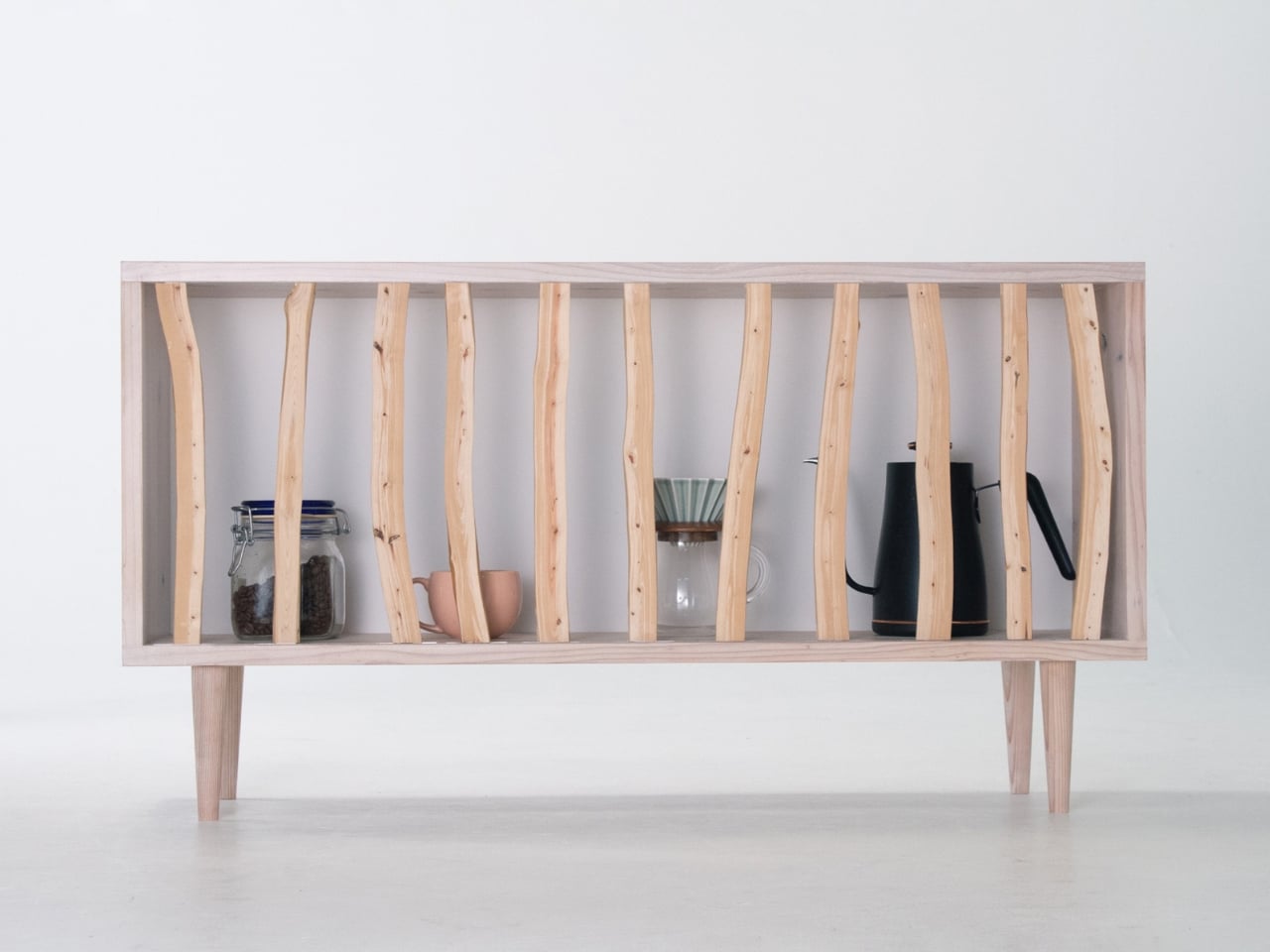
This is just one item in a display that looks at how wood can be turned into all sorts of things that don't look or feel like wood at all. It's all because wood is a renewable resource and could be a viable replacement for plastics and other oil-based materials.
Making pojagi was a way of "economizing resources," and also "an act of affection," explains artist-fashion designer Christina Kim of Remodelista longtime favorite Dosa. Shown here: Dosa's cotton and silk Pojagi Scarves are "both a reminder of Christina's childhood in Korea and a beautiful expression of traditional recycling"-and would work well on a wall or in a doorway.
Each flower is made using balloon twisting or sculpting, where long, thin modeling inflatables are folded and locked into shapes. Making a single flower takes time and skill because these materials don't behave so well when twisted tight. In Ballooms' case, they're flexible and sturdy, enough to hold onto like a bouquet.
Baqiao bridges, including the nearby Shisanba Bridge, typically appear in areas where the difference between river level and embankment is relatively small. Their upstream piers are shaped like tapered spindles with slightly raised tips, creating a distinctive structural profile. Stone slabs span between the piers, forming a bridge deck assembled through interlocking construction methods.
It is not about reproducing the past but about engaging in dialogue with it. We apply the same level of care and rigor to all pieces. Many of our utilitarian pieces have a strong sculptural quality, and several of the more artistic works originate from everyday forms and functions. We do not establish rigid boundaries between these categories; all are part of the same vision.
Traveller check into hotels for easy access to historical Mayan sites and the cenotes beyond, with ambles through colourful squares and late, balmy nights digesting feasts over tequila tipples. Between cultural excursions and natural wonders, however, there's much to be said for the artisans in these parts. From crafted perfumes to handmade chocolates, these are the gifts and trinkets to make space for in your luggage.
For many years, bamboo has been mostly known as the favourite food of giant pandas, but a group of engineers say it's time we took it seriously as a building material, too. This week the Institution of Structural Engineers called for architects to be bamboo-ready as they published a manual for designing permanent buildings made of the material, in an effort to encourage low-carbon construction and position bamboo as a proper alternative to steel and concrete.
The 26-year-old real estate project manager from Munich came to the surf camp to improve her skills on the water. I came to talk with adventurous travelers about their big ideas, from new businesses to life after layoffs.
Most coat hangers exist somewhere between purely functional and aggressively boring. They're the things we grab without thinking, the wire creatures that multiply mysteriously in closets, or the bulky wooden ones that restaurants seem to breed. But every so often, a design comes along that makes you stop and reconsider something as mundane as a place to hang your jacket.
The Rural Cut places vintage fashion in Lebanon's Bekaa Valley, among vineyards, open fields, and the animals that inhabit the land. As a Beirut-based stylist, I worked with a fully Lebanese team to create a shoot that feels authentic, where each garment and every frame reflects the textures, history, and rhythm of the rural landscape. Photography by Angele Basile / Instagram: @angelebasile Styling by Rinad Saad / Instagram: @rinaaaaddd
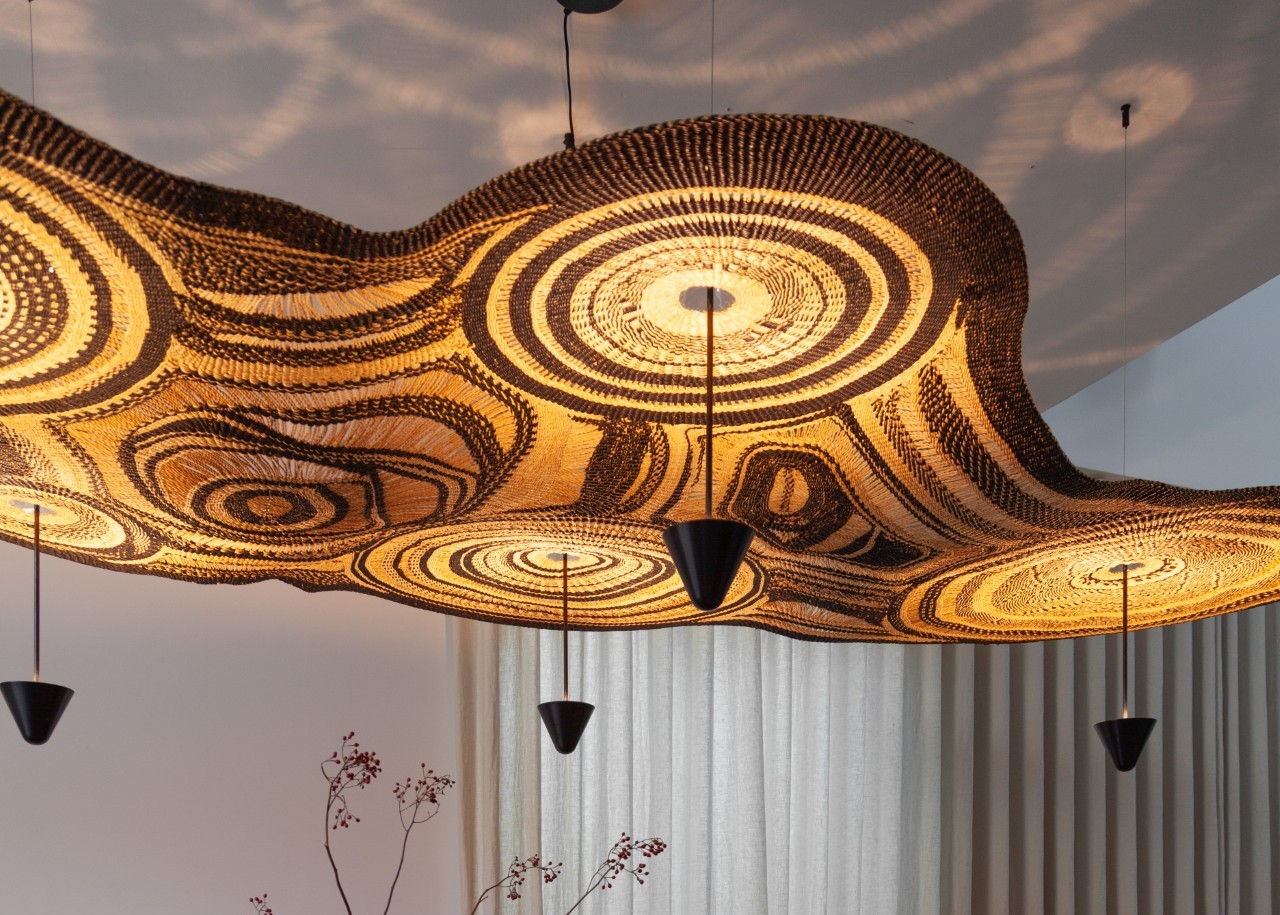
Tons upon tons of these single-use plastics end up in landfills or even floating in the ocean. Spanish design firm PET Lamp set out give another purpose to these otherwise short-lived materials. Partnering with artisans in communities from Chile to Ethiopia to Australia, the company celebrates both Indigeneity and sustainability, drawing upon time-honored global craft traditions while supporting local economies and recycling discarded materials.
From a single material, a Hyderabad-based design studio creates a wide range of site-specific installations, furnishings, and decor. It's all in the name of the firm, The Wicker Story, which was founded in 2019 by architect Priyanka Narula. Capable of being formed into everything from abstract constructions to functional objects, the natural material lends itself a huge variety of pieces that vary in size and complexity.
ODDO architects shape the public art pavilion T10A in Hanoi, Vietnam using over 40,000 recycled plastic bags as well as handmade paper. Developed as a temporary exhibition space for Vietnamese architecture projects, the design team draws inspiration from Hanoi's craft heritage. The structure includes traditional handmade paper, known locally as Giấy Dó alongside the recycled plastic. Alongside the public art pavilions, there are paper domes within which visitors can explore the architectural drawings and information of the exhibitions from inside.
Hiroyuki Oki + 13 Principal Architect: Vo Trong Nghia, Nguyen Tat Dat Design Team: Nguyen Van Tung, Tran Thi Khanh Anh More SpecsLess Specs Hiroyuki Oki Text description provided by the architects. This project is located in Ben Tre, Vietnam, and was completed in 2021. With a total area of 430m2, the project includes 3 bedrooms and one living room, each with a view of the nearby river.
The project's design concept originates from the upper-level bedroom, conceived as a personal retreat oriented toward the sky and surrounding rooftops. Located on the third floor, the room is defined by a large glazed opening that frames views outward while allowing daylight to penetrate deep into the interior. The window opening is proportioned to resemble a simple hut-like frame, reinforcing a direct visual relationship with the sky and an existing mango tree preserved on the site.
Most contemporary lamps are adjusted with a dimmer on the cord, a touch sensor on the base, or a slider in an app. That makes light feel like another setting in a menu, slightly detached from the object itself. There is something satisfying about changing light by physically moving parts, as if you are sculpting both the fixture and the atmosphere around it, which is what smart bulbs and app-controlled RGB strips quietly leave out.