#barrel-aged-rum
#barrel-aged-rum
[ follow ]
#bourbon #cocktails #whiskey #tennessee-whiskey #barrel-aging #american-whiskey #mixology #tasting-notes #whisky
fromTravel + Leisure
4 days agoThese Are the 10 Best Attractions in the Caribbean-and No. 1 Is Not a Beach or National Park
Hunte's Garden, with more than 90 percent excellent reviews and year-round accessibility, was the clear winner. A world-renowned botanical garden located in the central hills of St. Joseph, Hunte's Garden consistently ranks as the top thing to do in the country.
Travel
Madrid food
fromwww.theguardian.com
3 weeks agoThere's more to Mexican spirits than tequila
Mexican agave spirits including tequila, mezcal, sotol, and raicilla have expanded dramatically in UK availability and quality, with tequila becoming the fastest-growing spirit and forecast to grow 10% annually until 2030.
Dining
fromTravel + Leisure
4 weeks agoThis Gorgeous Country Estate in Jamaica Hosts Rum Tastings, Barbecue Dinners, and Cooking Classes
Sisters Michelle and Suzanne Rousseau created Two Sisters, a culinary experience at Rockfield estate in Jamaica's Blue Mountains featuring family-style meals, tastings, and guided hikes.
fromBusiness Insider
1 month agoWe quit our jobs at 26, moved, and opened a whiskey distillery. I don't expect our kids to take it over.
After getting engaged in 2013, we started kicking around a wild idea: What if we moved back and revived the prohibition-era distillery his family had owned three generations back? The family business had been passed down for decades until it closed in 1919 due to prohibition. In particular, we had on our hearts Andy's dad, who died of cancer in 2010, but had always said, 'Don't move home unless you have a real good reason to.' This felt like it just might be that real good reason.
Startup companies

Beer
fromTasting Table
3 weeks agoIf You See A Bottle Of Craft Bourbon, Here's Why You Should Grab It While You Can - Tasting Table
Craft bourbon's limited production and extended barrel-aging requirements create supply shortages as demand surges, making availability increasingly difficult despite the bourbon boom.
fromTasting Table
1 month ago8 Up-And-Coming Distilleries Bourbon Fans Should Know About - Tasting Table
Along with the challenges of operating any new business, making good bourbon takes time and expert craftsmanship. It's for this reason that many new "distilleries" aren't distilleries at all (non-distilling producers, blenders, rectifiers). Instead, they source bourbon and then sell it as their own. That's not inherently a bad thing, as some expertly blend whiskey or add extra maturation to create a genuinely impressive bourbon, but there is a clear difference.
Miscellaneous
Cocktails
fromTasting Table
3 weeks agoThe Worst Type Of Rum On The Market, According To An Expert - Tasting Table
Rum encompasses diverse styles from agricole to aged varieties; heavily sweetened spiced rums with artificial flavoring lack complexity and should be avoided in favor of traditionally aged or blended options.
#celebrity-endorsements
Cocktails
fromTasting Table
3 weeks agoWhat Makes A Celebrity Liquor Worth Buying, According To A Master Mixologist - Tasting Table
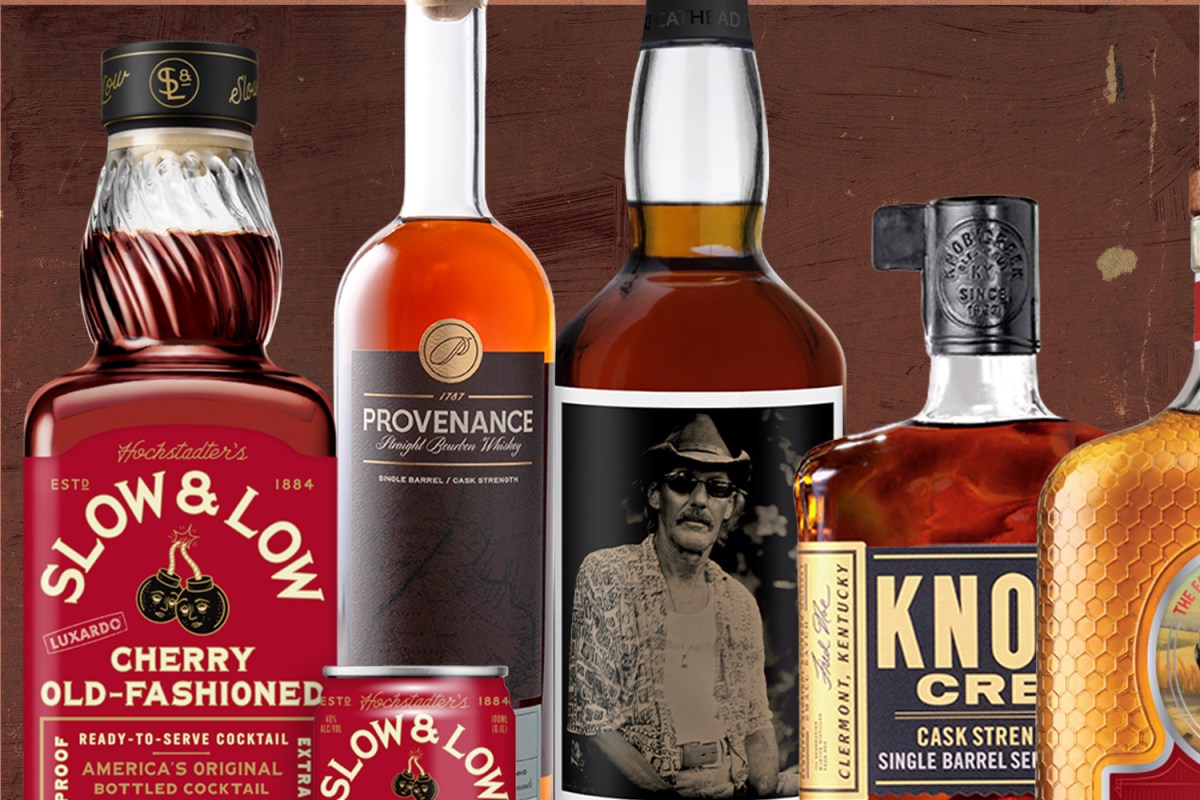
Celebrity liquor quality varies widely, with success depending on genuine distiller partnerships rather than marketing alone, as consumers quickly identify inferior products.
Cocktails
fromTasting Table
3 weeks agoWhat Makes A Celebrity Liquor Worth Buying, According To A Master Mixologist - Tasting Table
Celebrity liquor quality varies widely, with success depending on genuine distiller partnerships rather than marketing alone, as consumers quickly identify inferior products.
Cooking
fromTasting Table
1 month agoGive Carrot Cake A Boozy Boost With A Trip To Your Liquor Cabinet - Tasting Table
Bourbon elevates carrot cake by adding complex caramelized flavors that complement the cake's sweetness and earthiness, either through soaking raisins or adding directly to wet ingredients.
Beer
fromInsideHook
4 weeks agoMidleton's 50-Year-Old Release Is a Legacy-Defining Spirit
Midleton Very Rare Silent Distillery Collection Chapter Six is a $60,000 bottle of 50-year-old Irish whisky from the now-closed Old Midleton Distillery, representing the final release of this annual collection honoring the distillery's legacy.
Cocktails
fromTasting Table
3 weeks agoThis Sweet Liquor Gets A Taste Of Cinnamon And Clove From Wood - Tasting Table
Cachaça, Brazil's national spirit, is distilled from fresh sugarcane juice rather than molasses, creating a brighter, more vegetal flavor that ranges from grassy when unaged to complex when aged in wood.
Brooklyn
fromCaribbean Life
2 months agoJackie Summers bottles Caribbean heritage with Sorel Liqueur, America's most awarded spirits - Caribbean Life
Sorel Liqueur revives Caribbean sorrel tradition through Jackie Summers' commercialization, reclaiming cultural legacy and achieving national and international recognition.
fromFast Company
1 month agoWhy this iconic scotch brand is making a whisky for bourbon drinkers
If you are new to whiskey, the barrel a whiskey ages in matters almost as much as the liquid itself. Black Cask whisky is aged only in American oak barrels that previously held bourbon, a choice that tends to create flavors many U.S. drinkers already recognize, such as vanilla and caramel, characterized by a gentle sweetness.
Wine
Food & drink
fromFood & Beverage Magazine
2 months agoThe Caribbean Cocktail Tour: A Landmark Collaboration Uniting the Region's Best Bars - Food & Beverage Magazine
A month-long Caribbean Cocktail Tour unites top island bars to showcase Caribbean mixology through pop-ups, collaborative menus, and educational programming.
fromwww.theguardian.com
2 months agoRum is booming but only Jamaican classics have the true funk
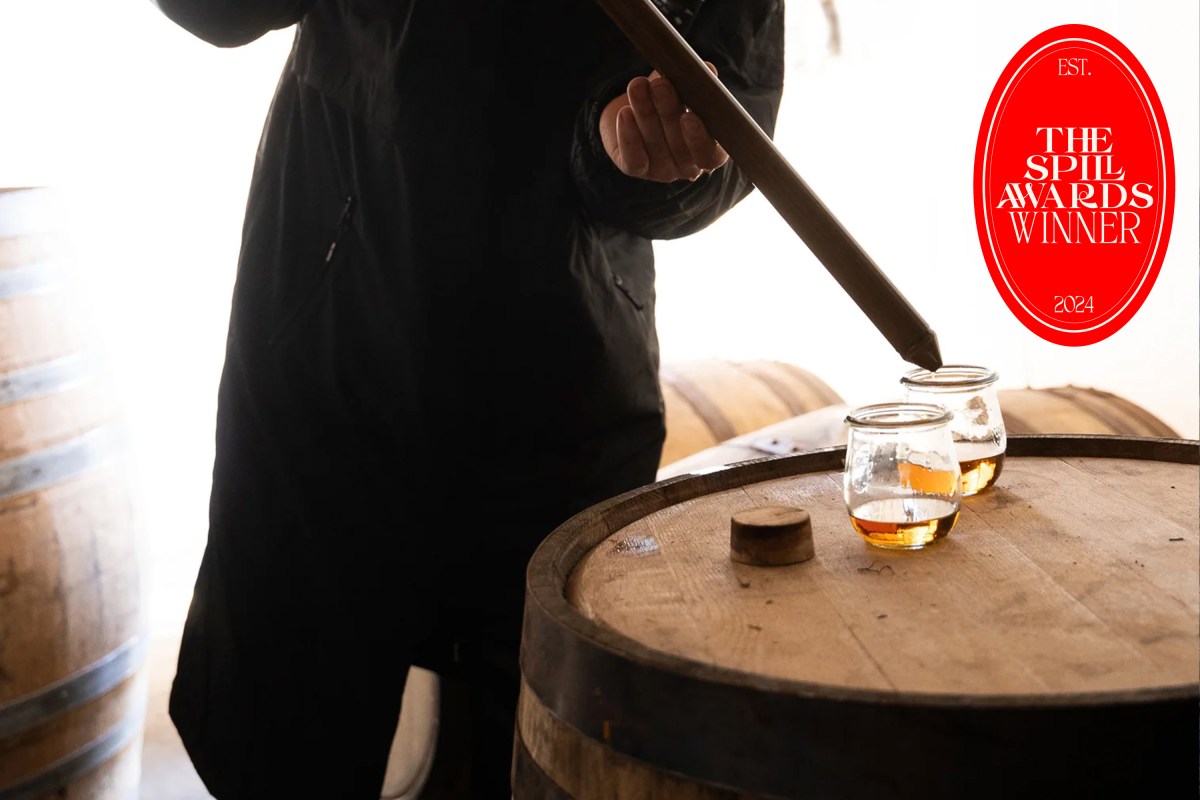
Dunder pit? This is the one of the most distinctive features of traditional Jamaican rum, a style exemplified by Hampden, which has been in operation since 1753. You typically make rum by fermenting molasses and/or sugar cane juice into an alcoholic wash, then distil that into a potent liquor, but local distillers developed several strategies to oomph up the flavour.
Food & drink
Cocktails
fromTasting Table
1 month agoNeither Glencairn Nor Tumbler: The Glass That Brings Out The Best In American Whiskey - Tasting Table
The Bourbon Trail glass is optimal for American whiskey because its wide mouth allows ethanol vapors from high-proof spirits to dissipate, revealing more complex aromas than tumblers or Glencairn glasses.
fromwww.amny.com
2 months agoJackie Summers bottles Caribbean heritage with Sorel Liqueur, America's most awarded spirits | amNewYork
Sorel Liqueur was born long before it reached store shelves, was carried across the Atlantic by enslaved Africans, preserved in Caribbean kitchens, and passed down through generations that refused to forget who they were. Today, that history lives inside a bottle created by Jackie Summers, founder of Jack from Brooklyn and the first black person to be granted a license to make liquor post-prohibition in U.S history. With Sorel Liqueur, Summers did more than launch a spirits brand. He reclaimed a cultural legacy.
Food & drink
fromTasting Table
2 months agoWhere To Buy An Empty Bourbon Or Whiskey Barrel - Tasting Table
If you're a true whiskey fan, you may have pondered what you could do with a used whiskey barrel. Specialist artisans called "coopers" painstakingly craft whiskey barrels, which then become vital drivers of flavor, aroma, and color for the whiskey. These barrels cannot be reused for bourbon in particular, though they're often repurposed. Other distilleries use them to age other spirits, and breweries use them to mature beer. But these long-lasting barrels with their rustic aesthetics also make their way into bars and restaurants as furnishings, which may get you thinking about how cool a whiskey barrel would look in your own home. If that's the case, you'll need to know how to actually procure one.
Food & drink
Cocktails
fromTasting Table
1 month agoReview: Traveller Full Proof Whiskey Is A Bargain Blend That Sips Like A Single Barrel - Tasting Table
The global American whiskey market is projected to grow from $3.13 billion in 2026 to $4.65 billion by 2035, with country music star Chris Stapleton launching new whiskey products with Buffalo Trace Distillery.
fromEsquire
1 month ago11 Best Rye Whiskey Cocktails, According to Experts
Contrary to popular belief, rye was actually America's native spirit. George Washington owned the largest rye distillery in the country after he left the White House. Historically, it was a very important cocktail ingredient. But by the end of the 20th century, rye had practically disappeared from stores and bars.
Cocktails
fromTasting Table
1 month ago9 Craft Distilleries In The US You Should Visit - Tasting Table
The U.S. spirits landscape has evolved far beyond the recognition of simply being the birthplace of bourbon. In recent years, we've seen a transformation in both the quality and individuality that the country's craft distilleries have been able to produce. While previous decades were dominated by the big-name distilleries, far more awards are going to craft distillers who have mastered the art of producing high-quality whiskeys, rums, gins, and more.
Food & drink
fromTasting Table
1 month agoWhy 2026 Could Be The Perfect Year To Buy Good Bourbon - Tasting Table
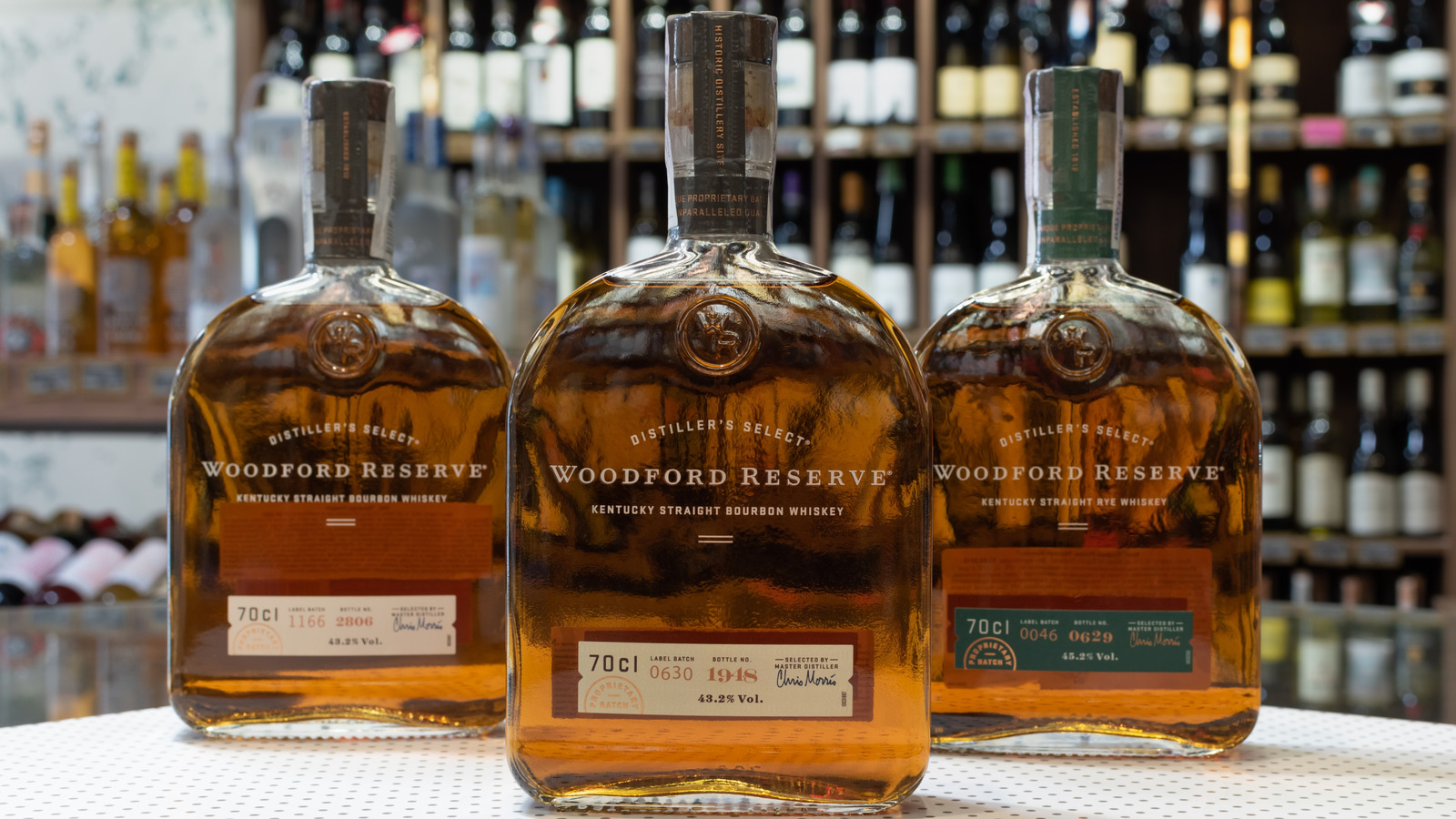
Following what was a period of high sales and rapid expansion, the market is contracting for a number of reasons. Alcohol consumption has declined in recent years, for one thing, but international response to U.S. tariffs has also hit bourbon sales hard, with exports of the liquor dropping significantly in 2025. Many icons of American whiskey have been affected, with Brown-Forman - parent company to Jack Daniel's, Woodford Reserve, and Old Forester, among others - laying off a significant portion of its workforce.
Food & drink
fromInsideHook
2 months agoDon't Like Peated Whisky? Port Charlotte May Change Your Mind.
With Bruichladdich, we've built it up over the years by experimenting with barley and grains and being unpeated. And with Octomore, you've got extreme heat and a concept that shouldn't work. But Port Charlotte was actually us getting back into peated whiskey when we reopened in 2001. Everyone was keen to make peated whiskey again, because if you go back to our history, around the 1950s and early '60s, it would have been heavily peated.
Food & drink
fromBon Appetit
2 months agoThe Italian Spirit Everyone Loves to Hate Is Getting an American Makeover
Stroll into nearly any Italian restaurant in the country and you'll likely get a glimpse at a row of oddly shaped bottles sitting in the oft-forgotten back bar. Those bottles contain grappa, a spirited sip most often enjoyed after a lengthy dinner when belts start feeling tight, when diners recline in their seats taking lazy last bites of half-eaten desserts.
Food & drink
[ Load more ]