SF food
fromThe Atlantic
5 hours agoHow the Whole-Grain Trend Went Wrong
Refined grains can lead to health issues, while whole grains are promoted for their benefits, though their actual health impact is debated.
Premier Protein offers a wide range of flavors, and while some may seem simple, like vanilla, they can still provide a satisfying taste experience. The vanilla flavor, though not the most authentic, serves its purpose well in the milk protein drink, creating a dynamic flavor that masks the protein aspect effectively.
Mānuka honey introduces a layer of complexity that traditional sweeteners cannot replicate. Ultra MGO 800+ is described as thicker, richer and more earthy than standard honey, delivering intense mineral bursts and chocolate notes.
Aldi's Summit series has been causing waves online since its release. One user compared the taste of the Berry Waves to a blue Jolly Rancher and called it 'really, really tasty.' Some drinks have kind of a nasty aftertaste, but this one tastes really good.
Simply Spiked Bolder takes everything our fans love and turns it up. As tastes continue to shift, we're evolving with them - offering bold, fruit-forward flavors across a range of ABVs, while delivering the same easy-to-enjoy experience fans expect from Simply Spiked.
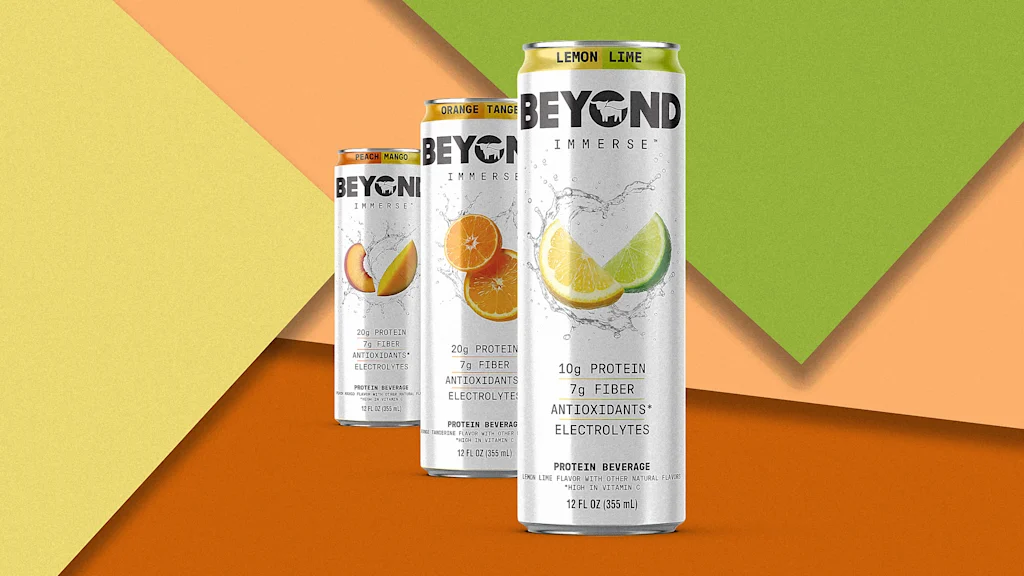
We are not moving away from making plant-based meat. This is a strategic expansion of our portfolio into additional protein categories. We start at the farm with clean and simple, non-GMO ingredients like yellow peas, red lentils and faba beans. We love clean protein and fiber.
This isn't just a celebrity brand endorsement. Since joining Update, Kardashian has worked closely with the team to completely rethink Update's branding, taking it from what Solomons describes as a "masculine tech bro" look to a can that feels perfectly natural in Kardashian's hand. This shift taps into the refined personal brand that Kardashian has built over the past several years.
Liquid Remedy clocks in at just 5 calories per 8.5 ounce can and zero sugar. It's a kombucha drink rather than a soda, but it comes in a range of fun fruity flavors such as mixed berry and raspberry lemonade that will help you scratch that soda itch. Kombucha is a probiotic drink that has been shown to have some benefits for gut health.
This opening episode dives straight into detoxing. From juice cleanses and detox teas to charcoal pills, foot pads, and coffee enemas, Edwards and Baumgardt watch, wince, and occasionally laugh their way through some of the internet's most popular detox trends. Along the way, they ask what these products claim to remove, how they supposedly work, and why feeling worse is often reframed online as a sign that a detox is "working."
Sauer has experience turning a nascent RTD brand into a household name. Garage Beer, which he acquired in 2021 and relaunched in 2023, has shown triple-digit year-over-year growth, with sales increasing more than 500% in the 12 months ended in early April 2025, he says. It's now valued at around $200 million and is continuing to grow, despite an overall slump in the beer industry, according to a September report from The Wall Street Journal.
After a lengthy delay that included much fretting among industry insiders, the 2025-2030 Dietary Guidelines for Americans (DGA) were unveiled earlier this month. Any fears that anti-alcohol activists had infiltrated the quinquennial process were eased, as the new guidelines preach moderation over specific daily drink allowances. Beer Marketer's Insights senior editor Christopher Shepard, who has followed the process closely, joined the Brewbound Podcast to discuss the DGA, the fraught path to publication and what this could mean for brewers.
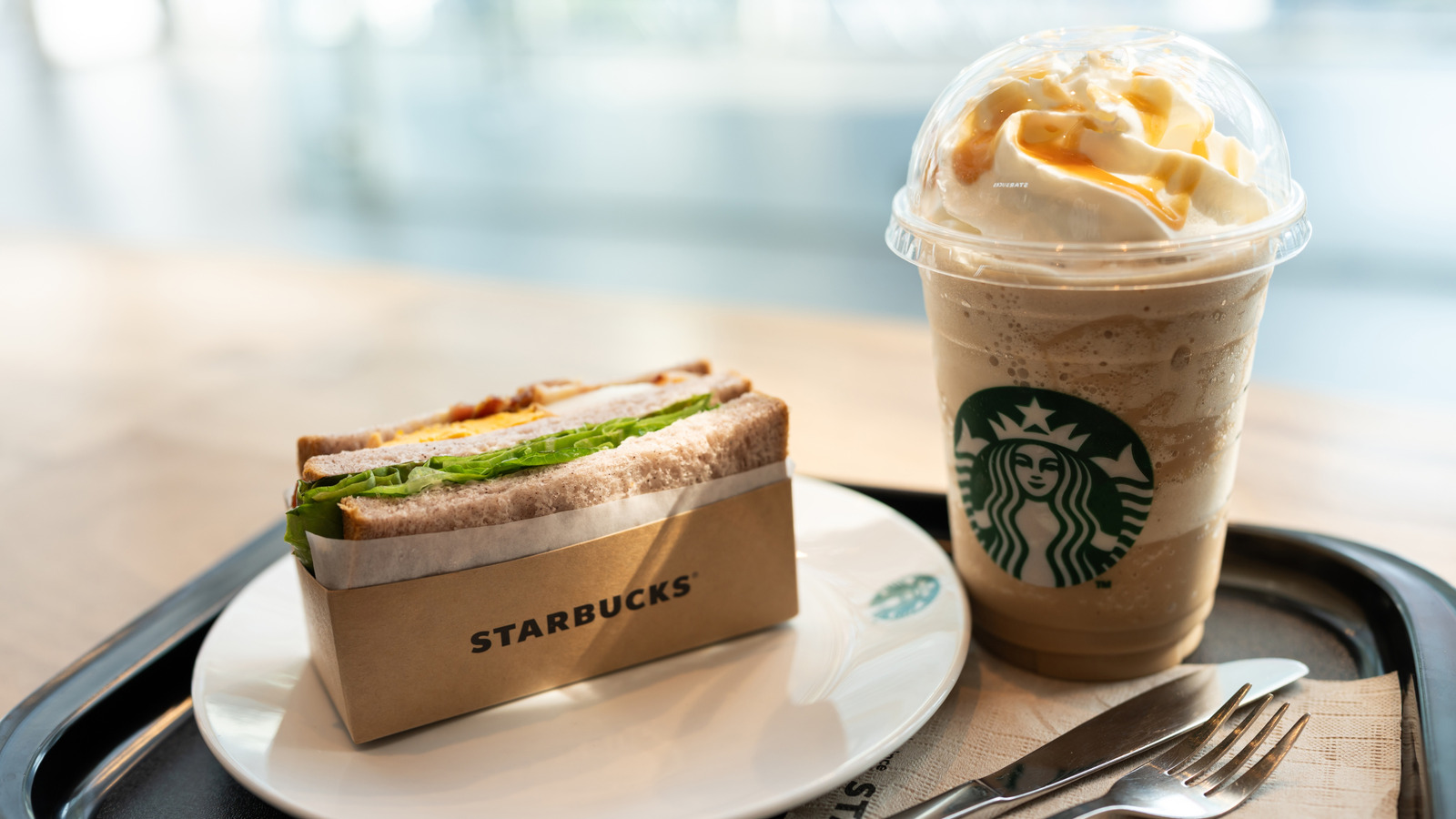
Starbucks is in its wellness era. The coffee giant is doubling down on healthy drink and snack options, because that's "how people want to eat," especially in the afternoon, CEO Brian Niccol said during Starbucks' first-quarter earnings report on Wednesday. "You'll continue to see us push against the health and wellness platform going forward," Niccol said. "In beverage, I think it is going to be this personalized energy that can be executed as still, sparkling, and blended, so there's a pipeline for that platform."
Pepsi Prebiotic Cola stands out in the crowded cola market for several reasons: No Artificial Sweeteners: Unlike many soft drinks, Pepsi Prebiotic Cola is free from artificial sweeteners, making it a more appealing choice for those looking to reduce their intake of synthetic additives. Low Calorie Count: At just 30 calories per can, this cola provides a guilt-free indulgence for those watching their caloric intake.
Today, people generally seek balance when pursuing their personalized wellness goals in a new year. That shift has made way for trends like "Damp January," which encourages creating more mindful drinking habits. With this evolution, brands in the nonalcoholic beverage space are fine-tuning their marketing campaigns to reflect year-round interest in alcohol moderation. By using cheerleading-like marketing language over a shameful tone, brands hope customers will feel more receptive to incorporating their beverages. And with more products entering the market - which now also includes functional drinks and cannabis tonics - these companies are stepping up their marketing spending to broaden their target audience.
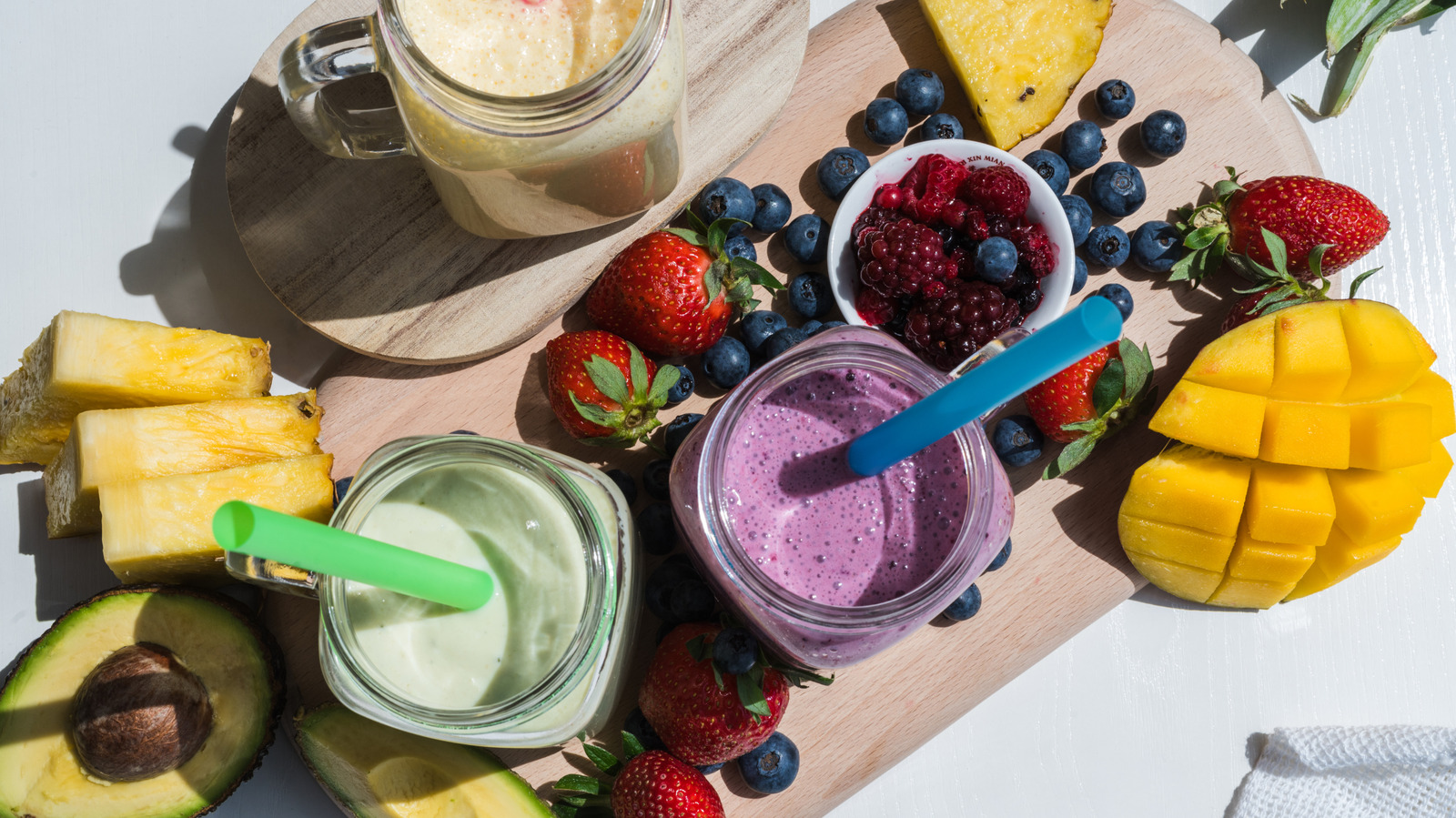
Drinking green juice gives you all the benefits of the vegetables (except fiber). It's actually even better to eat the whole vegetables. Consider munching on celery and cucumber with a healthy yogurt dip or blend up some green smoothies. It's important to drink green juice in moderation. Per Healthline, it may contribute to poor blood sugar control or kidney issues if you drink a lot of it. Research also associates juice cleanses with disordered eating and a negative relationship with food (read more here).
Diet sodas fulfill Americans' endless desire for a supposedly healthy alternative to our favorite indulgences. Going on decades now, people have known soda isn't good for you, being nothing but sugar water full of empty calories at its core, but we do really really love our sodas and giving them up isn't so easy. The average American drinks at least one 12 ounce can of soda a day,
If you, too, down a bottle of kombucha every chance you get, we are one. Well, maybe not every chance (after all, you can definitely drink too much kombucha), but you get the picture. I adore the fizzy, probiotic drink, which is on the very long list of things I'd like to make at home eventually. But until I have enough capacity to embark on a homemade kombucha adventure, I'll stick to the store-bought stuff, preferably from Health-Ade.