#bird-window-collisions
#bird-window-collisions
[ follow ]
#architecture #birdwatching #climate-change #wildlife #wildlife-conservation #urban-wildlife #sustainability

fromSFGATE
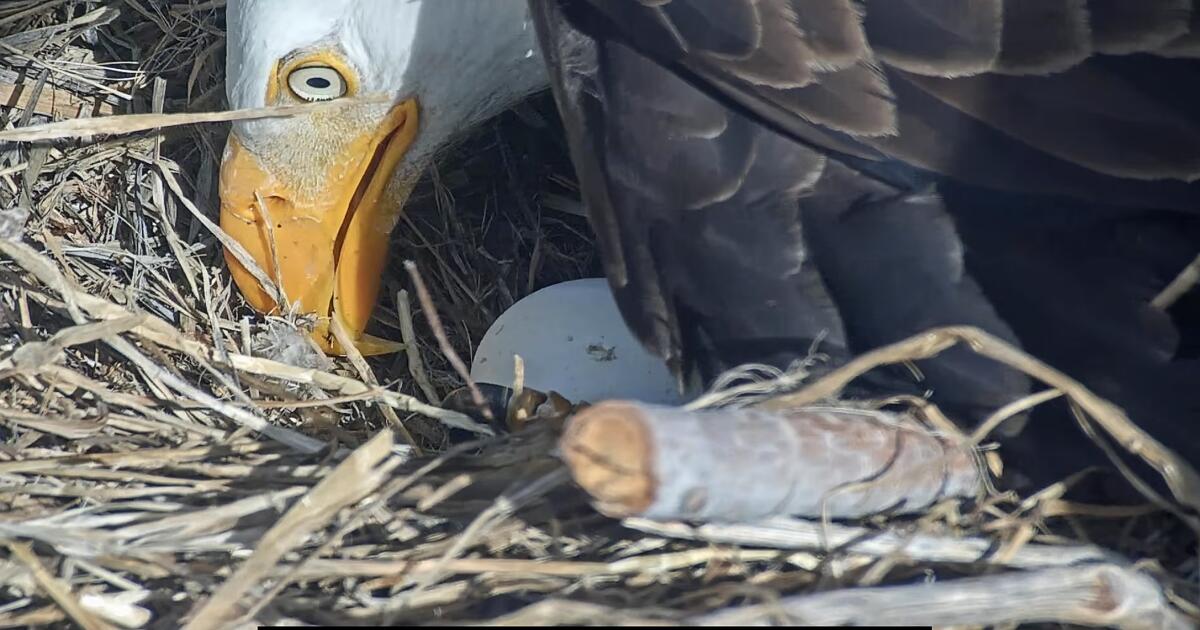
1 day agoSeabirds are dying in large numbers along California beaches
"They didn't even try to fly away. They just feebly made noise," a woman told the Santa Barbara Independent on Saturday after spotting over two dozen dead or dying cormorants near Goleta Beach. "A few were on their stomachs, wings spread [and] gasping for breath.... Heartbreaking."
Miami Marlins
#urban-development
Business intelligence
fromLondon Business News | Londonlovesbusiness.com
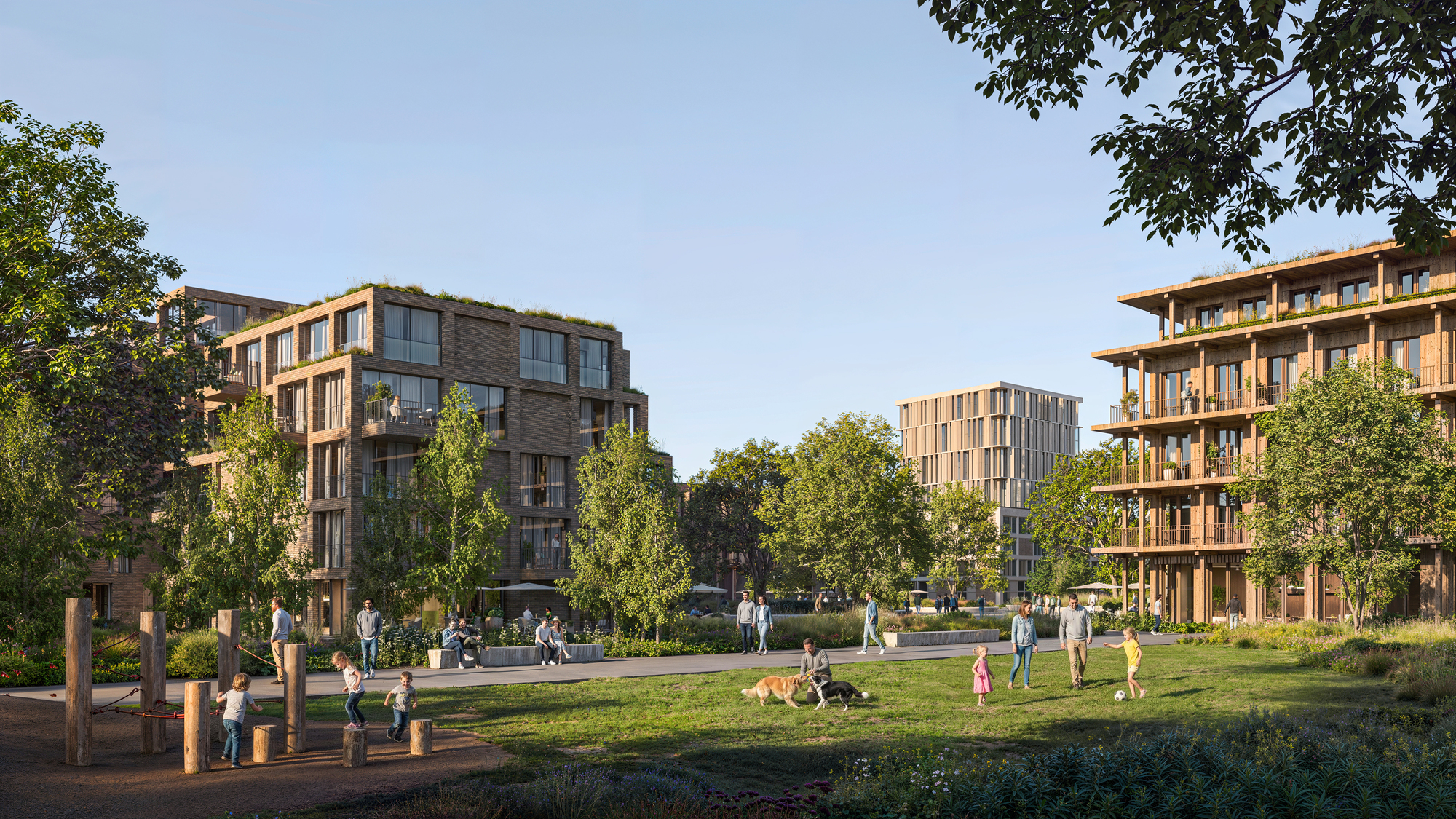
5 days agoWhy GIS matters in modern infrastructure and urban planning: Building smarter, future-ready cities - London Business News | Londonlovesbusiness.com
GIS is essential for effective urban planning, enabling data-driven decisions that enhance infrastructure and quality of life in rapidly growing cities.
Business intelligence
fromLondon Business News | Londonlovesbusiness.com
5 days agoWhy GIS matters in modern infrastructure and urban planning: Building smarter, future-ready cities - London Business News | Londonlovesbusiness.com
GIS is essential for effective urban planning, enabling data-driven decisions that enhance infrastructure and quality of life in rapidly growing cities.
fromFast Company
3 days agoSee it: Air temperatures and pollution around the world are captured in real time in these animated weather maps
We created Earth in Action to provide a lens into what's happening on our planet, as it happens. Whether it's something typical, like the current air temperature, or an extreme event like a major dust storm, we wanted to provide an opportunity for people to see them.
OMG science
fromMail Online
4 days agoBritain has just 20 years to save its wildlife, experts warn
'Our results show that the next 20 years are critical,' lead author Dr Rob Cooke told the Daily Mail. 'By around 2050, we reach a point where the choices we make on emissions and land use will largely determine whether Britain moves towards a much more degraded or a much more nature‑positive future.'
Environment

fromArchDaily
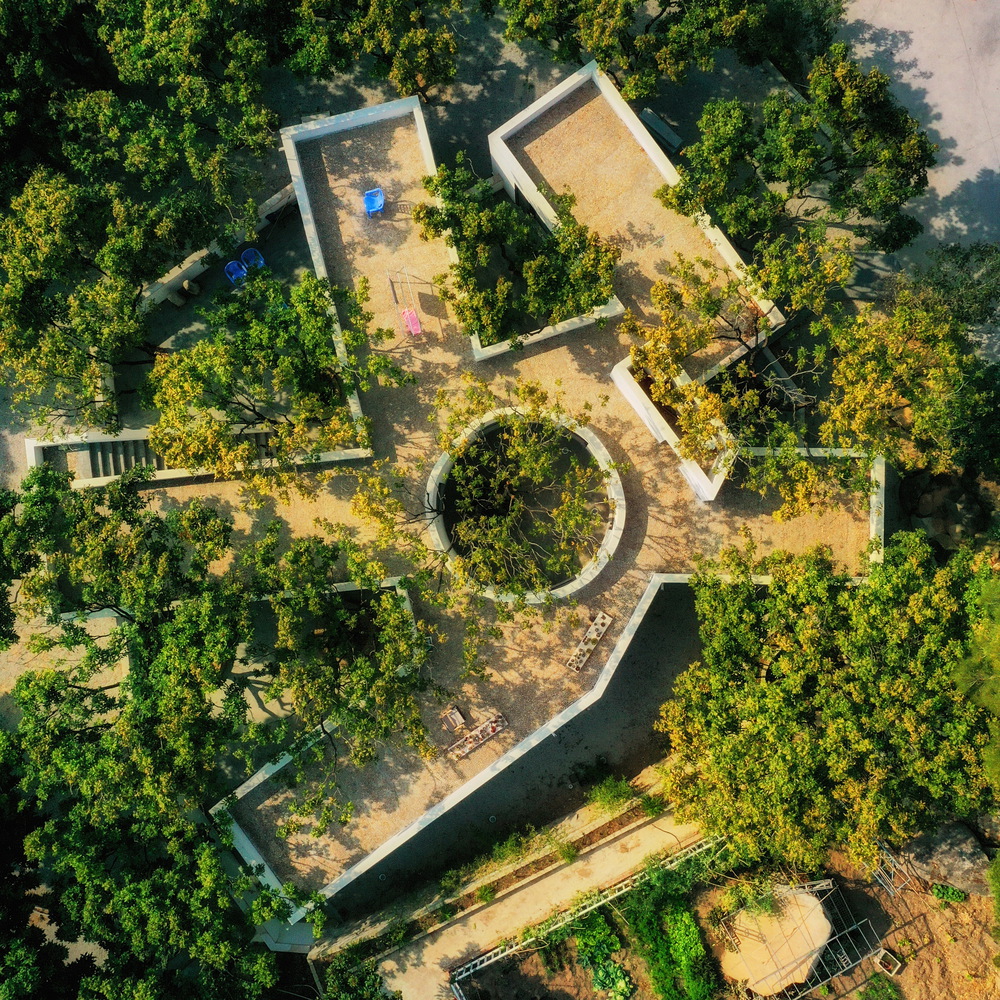
1 week agoArchitectures of the Gaze: 25 Viewpoints for Experiencing the Landscape
Viewpoints are structures designed for observing the landscape from elevated positions. They act as devices that organize the gaze and establish a direct relationship between the body and the territory.
Philosophy
fromwww.amny.com
2 weeks agoNYS bill sparks birds or burglars' debate: Mandate to shut outdoor lights to help wildlife raises safety concerns
Light pollution, or the excessive or poor use of artificial light at night, is one of the most pervasive forms of environmental alteration caused by humans. Light pollution has many negative impacts, including the disruption of the natural patterns of wildlife, wasted energy and increased output of carbon dioxide and greenhouse gases.
New York City
Design
fromYanko Design - Modern Industrial Design News
4 days agoBiomimetic Architecture Reaches New Heights With This Bird-of-Paradise Yoga Space - Yanko Design
Thilina Liyanage's architecture translates animal gestures into functional designs, exemplified by the Rifle Bird Yogashala inspired by the Victoria's riflebird's courtship display.


Brooklyn
fromNew York Post
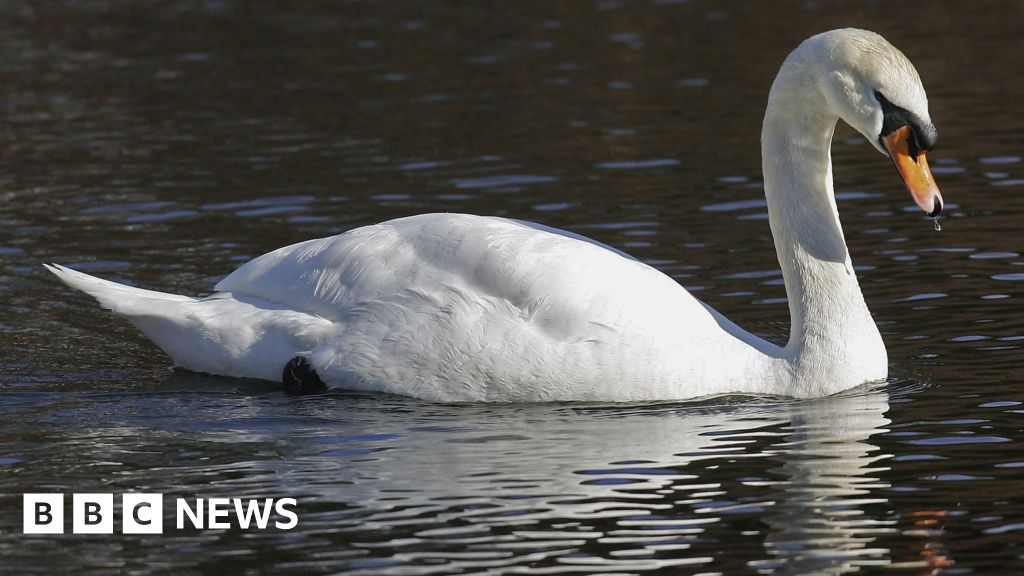
3 weeks agoRare, majestic trumpeter swan spotted in NYC for first time -hangs out with fellow fowl
A rare Trumpeter Swan, never before recorded in New York City, has been spotted in Brooklyn's East River and Prospect Park, attracting significant attention from bird watchers and the public.
fromFlowingData
3 weeks agoBird search patterns
A comprehensive analysis of Google search patterns related to birds explores what species people seek information about most frequently. The investigation spans six interconnected analyses examining bird variety, taxonomic classifications, information sharing behaviors, birder sighting correlations with search trends, regional popularity differences across states, and temporal patterns in search interest.
Data science
fromArchDaily
2 weeks agoSpaces That Feel Back: How Buildings Respond to Human Behavior
Decades of research in environmental psychology and building science reveal that indoor conditions can profoundly affect human health and behavior. Lighting influences circadian rhythms and sleep patterns. Air quality impacts cognitive performance and respiratory health. Temperature and acoustics shape comfort and concentration.
Renovation
Design
fromdesignboom | architecture & design magazine
5 days agoartwork uses floating fabric corridor and bodily movement to visualize climate change
Ryo Yamada's Perception Corridor is an immersive installation in Edinburgh that explores perception and environmental awareness through a 40-meter fabric corridor.
fromwww.mercurynews.com
4 weeks agoAccessible walks bring the joys of birding to people with mobility and other limitations
It's an opportunity for people to get out and see birds without pressure, no matter how long it takes or how many birds we see, said OBara, a retired nurse who has been leading the accessible outings for three years. She said disabled people often cannot keep up on traditional outings, especially when competitive birders are focused on checking off a list of the greatest possible number of species.
Skiing
Design
fromArchDaily
2 weeks agoRethinking Architecture at the Scale of Planetary Systems
Contemporary architecture operates within interconnected technological systems—energy networks, data infrastructures, and global logistics—that fundamentally shape what can be built, its affordability, performance, and waste production.
fromwww.theguardian.com
1 month agoAnalysis finds urban areas in England where no one lives within 15-minute walk of nature
While the data shows 80% of people live within walking distance of green or blue spaces such as a river, park or woodland, it also reveals a disparity between rural and poorer urban areas. In some areas of local authorities, fewer than 20% of residents live close to these spaces, according to data released by the Department for Environment, Food and Rural Affairs on Wednesday.
Environment
fromwww.theguardian.com
2 weeks agoSmall changes in how we garden can make a big difference to birds | Letter
Around a third of UK gardeners use pesticides, and our studies found that house sparrow numbers, for example, were nearly 40% lower in gardens where the pesticide metaldehyde was used. By reducing pesticide use, you can actively encourage birds back into your outdoor spaces, as they rely on invertebrates such as slugs and snails as natural prey.
Pets
fromwww.ocregister.com
1 month agoShrinking North American bird population is getting worse faster. Experts blame agriculture, warming
Nearly half of the 261 species studied showed big enough losses in numbers to be statistically significant and more than half of those declining are seeing their losses accelerate since 1987, according to Thursday's journal Science. The study is the first to look at more than the total bird population by examining the trends in their decrease, where they are shrinking the most and what the declines are connected to.
Environment


fromwww.theguardian.com
1 month agoFeeling chirpy: how listening to birdsong can boost your wellbeing
Previous research has shown that people feel better in bird-rich environments, but Christoph Randler, from the University of Tubingen, and colleagues wanted to see if that warm fuzzy feeling translated into measurable physiological changes. They rigged up a park with loudspeakers playing the songs of rare birds and measured the blood pressure, heart rate and cortisol levels (a marker of stress) of volunteers before and after taking a 30-minute walk through the park.
Mental health
fromEngadget
2 months agoBirdbuddy's new smart bird feeder can ID birds by their songs
I'm seeing a ton of smart bird feeders again this year at CES - and I'm inexplicably drawn to them. Perhaps because the idea of birds nibbling on seeds and flying away represents a natural purity and freedom that doesn't exist within the halls of CES. Birdbuddy was one of the first smart bird feeder brands, with a wildly successful Kickstarter back in 2020. And this year, they've added birdsong to their species identification capabilities.
Gadgets
fromwww.dw.com
2 months agoThe city that swapped parking for green space
Though they're individually tiny, parking spots quietly play a dominant role in shaping urban landscapes. Most US cities dedicate at least 25% of their developable land to them. Some, even more. That land usage doesn't only determine the way a city looks. It also means covering large swathes of urban areas in heat-absorbing asphalt, which contributes to making summers hotter and heightens the risk of flooding since it prevents drainage during storms and heavy rainfall.
Miscellaneous
Arts
fromColossal
2 months ago'Birds of Mexico City' Celebrates a New Generation Defining Queerness
Birds of Mexico City presents black-and-white portraits celebrating Mexico City's queer communities, juxtaposing Catholic tradition with modern self-expression through textures, costumes, and local symbols.
fromThe Verge
2 months agoBirdbuddy's new smart feeders aim to make spotting birds easier, even for beginners
Birdbuddy is introducing two new smart bird feeders: the flagship Birdbuddy 2 and the more compact, cheaper Birdbuddy 2 Mini aimed at first-time users and smaller outdoor spaces. Both models are designed to be faster and easier to use than previous generations, with upgraded cameras that can shoot in portrait or landscape and wake instantly when a bird lands so you're less likely to miss the good stuff.
Gadgets
Arts
fromYanko Design - Modern Industrial Design News
2 months agoAn Artist Carved His Dead Oak Into Records That Play Bird Songs - Yanko Design
A diseased 65-year-old oak was transformed into playable wooden records and a sound sculpture that preserves migratory bird songs and honors the tree's character.
fromArchDaily
1 month agoHealth, Habitat, and Civic Infrastructure: Designing the City as a National Park
Cities around the world share a common goal: to become healthier and greener, supported by civic infrastructure that restores ecosystems and strengthens public life. The question is how to reach this. Global climate targets, local building codes, and municipal standards increasingly guide designers and planners toward better choices. Still, many cities struggle to translate these frameworks into everyday, street-level comfort and long-term ecological protection.
Environment
fromwww.standard.co.uk
1 month ago450m London development thrown into chaos by nesting peregrine falcons
A 450 million development at London's Barbican Estate faces being derailed after two nesting peregrine falcons were discovered at the location. The birds of prey have been spotted using towers near the 1 Silk Street site as a breeding ground, with authorities warning developers the discovery could jeopardise the entire project. Under British wildlife protection laws, peregrine falcons receive the maximum level of safeguarding, making it a criminal offence to disturb them while breeding.
Environment
fromArchDaily
1 month agoWhen Light Meets Energy in Glass Ceilings
From the large industrial roofs and galleries of the 19th century to the contemporary atriums of museums and public buildings, glass has been a recurring material in shaping large and monumental interior spaces. More than a technological or engineering solution, these horizontal glazed planes introduce a distinct luminous quality: light that comes from above. Unlike lateral daylight entering through façades, zenithal light is more evenly distributed, reduces harsh shadows, and lends spaces a sense of continuity and openness that is difficult to achieve otherwise.
Design
fromwww.theguardian.com
2 months agoWe thought they would ignore us': how humans are changing the way raptors behave
Many people look up to admire the silhouette of raptors, some of the planet's largest birds, soaring through seemingly empty skies. But increasingly, research shows us that this fascination runs both ways. From high above, these birds are watching us too. Thanks to the development of tiny GPS tracking devices attached to their bodies, researchers are getting millions of data points on the day-to-day lives of these apex predators of the skies, giving us greater insight into where they hunt and rest.
Environment
fromwww.theguardian.com
2 months agoEuropean cold snap may increase bird migration to UK
When compared with places such as Norway and Sweden, the UK has relatively warm winters, and we get large numbers of migratory birds from all over Europe, which travel here seeking shelter, food and water. But numbers change every year depending on what the weather is like there and here with the recent cold spell you may see some surprise migratory visitors outside your window
Environment
[ Load more ]