#black-and-white-paintings
#black-and-white-paintings
[ follow ]
#art #contemporary-art #exhibition #art-history #surrealism #artist-studio-practice #art-exhibition #photography
#art

Arts
fromIrish Independent
4 days ago'You have to step in and experience it' - artists on the rise of AI-generated art and the 'essential' gallery visit
Miriam Fitzgerald Juskova's exhibit combines paper quilling with mathematics, showcasing intricate art that engages viewers and emphasizes the value of handmade creations.
Arts
fromIrish Independent
4 days ago'You have to step in and experience it' - artists on the rise of AI-generated art and the 'essential' gallery visit
Miriam Fitzgerald Juskova's exhibit combines paper quilling with mathematics, showcasing intricate art that engages viewers and emphasizes the value of handmade creations.
Arts
fromThe Art Newspaper - International art news and events
3 days agoGagosian chooses Paris location to present three important late paintings by Francis Bacon
Three late paintings by Francis Bacon will be exhibited in Paris, showcasing his significant connection to the city and his artistic evolution.
fromThe Washington Post
2 weeks agoCalvin Tomkins, who narrated the rise of contemporary art, dies at 100
When I started, there was no art coverage in the news magazines and there was no regular coverage, even in Time ... Contemporary art, particularly, was considered a ridiculous and foolish aberration. It didn't have anything to do with art, according to a lot of people.
US news
fromHyperallergic
3 days agoThe Art World Is a Joke
Kamrooz Aram is everywhere this year, from Mumbai Art Week to the Whitney Biennial, and critic Aruna D'Souza is grateful. She pens a beautiful meditation on his work, reading his abstract paintings as not simply a denunciation of Western modernism nor a reassertion of Islamic visual motifs, but something else entirely - something gestural, exuberant, riotous, and incomparably his own.
Arts
fromHi-Fructose Magazine - The New Contemporary Art Magazine
3 weeks agoUncanny Valley: The Oil Paintings of the Late Eyvind Earle Still Have A Resounding Influence on Artists & Viewers Today - Hi-Fructose Magazine
To call the oil paintings of Eyvind Earle "landscapes" is accurate but very sorely wanting. For more than seventy years, Earle turned his unique refracting eye on what he called the "stupendous infinity of nature," interpreting what he saw through a long lens shaped by a very particular kind of mythopoeia.
Miscellaneous


fromJuxtapoz
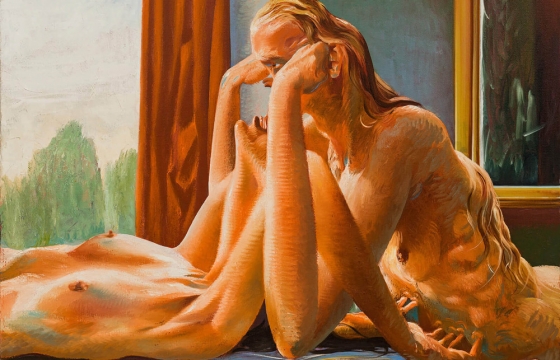
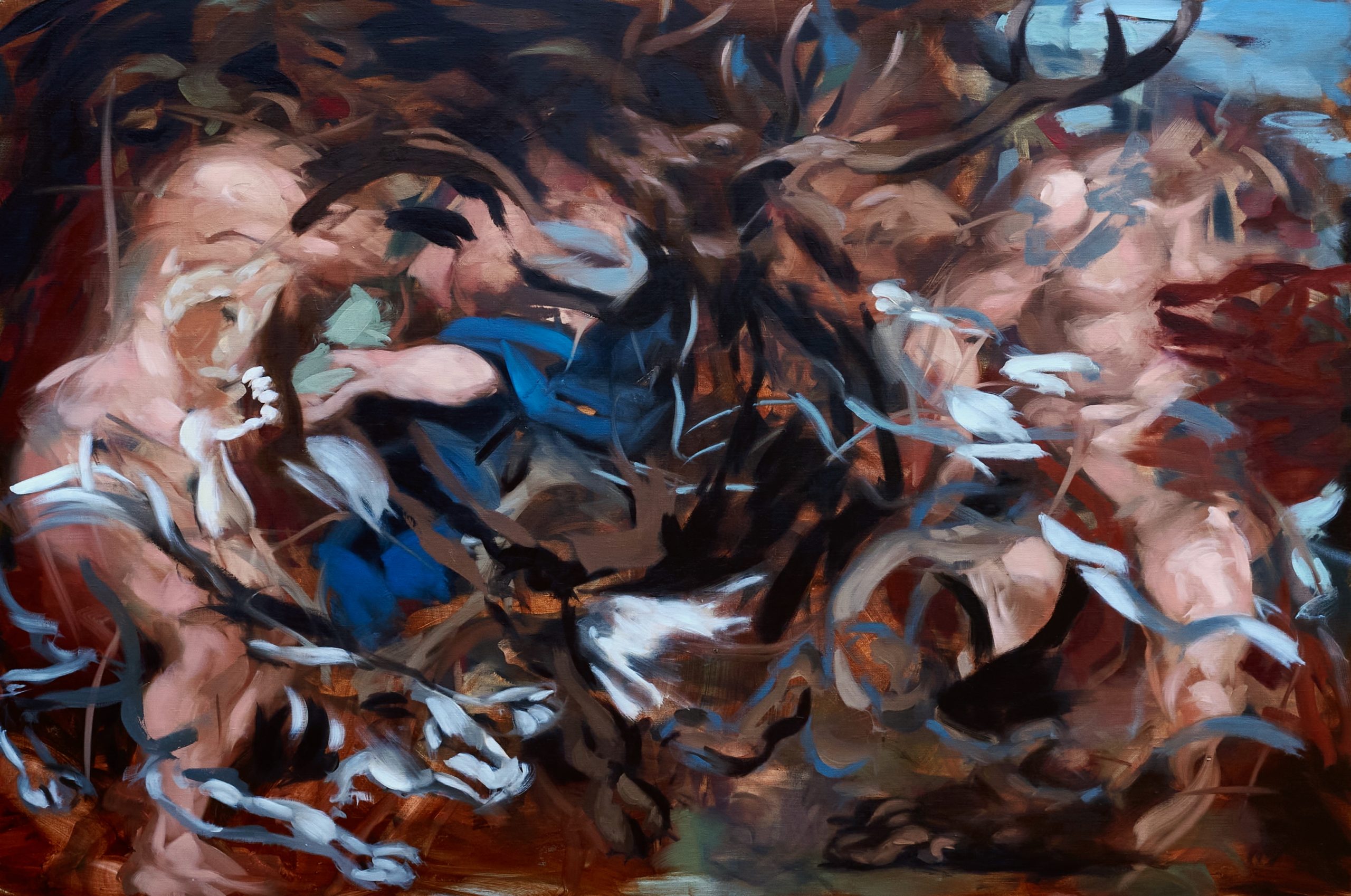
5 days agoJuxtapoz Magazine - Last Days to See Kate Meissner's New Paintings @ Lyles & King's Project Space, NYC
"These works are an exploration of the human body's elasticity and capacity to metamorphose. Informed by my own experience of pregnancy and the birth of my first child last year, these paintings are a meditation on physiological transformation and the body's underlying animalistic and mammalian nature."
Arts
Miscellaneous
fromThe Art Newspaper - International art news and events
1 month agoComment | Art is more than its original context
Understanding art's original context enriches appreciation, yet modern viewing conditions and lost contexts require adapting how we engage with artworks across different settings and time periods.
fromMy Modern Met
6 days agoBrooklyn Museum To Host Stunning Selection of Modernist Masterpieces This Fall
"This first pleasant experience with a modern painting started me on a road of adventure that has been both exhilarating and satisfying," Pearlman once said of another painting by Soutine, called Village Square. "I haven't spent a boring evening since that first purchase."
Arts
fromBoard Game Quest
1 month agoSand Art Review
Sand Art is a game by Kory Jordan and published by 25th Century Games for two to four players ages 10 and up. It takes about an hour to play, and has you collecting resources and then coloring in a bottle, making art in a bottle out of sand, in case the name didn't give away the plot. Gameplay Overview: Sand Art has you gathering and mixing sand, which is used to fill your bottle.
Board games
fromdesignboom | architecture & design magazine
2 months ago'dan flavin: grids' floods NYC's david zwirner gallery with fluorescent color
The exhibition gathers several grid installations first developed in 1976, presented here through careful re-creations of historic works. Installed directly into corners, the luminous sculptures become a fixed part of the gallery as walls, ceilings, and floors receive light as an active condition. The atmosphere of each room shifts, all while remaining unified by the straightforward presence of the simple fluorescent fixtures.
Design
fromwww.kaltblut-magazine.com
1 month agoUnion of Opposites
Originally from Dallas and now based in New York City, I approach photography as an exercise in atmosphere, trust, and control. Trained in the discipline of film and later in fashion photography, I work with both natural and artificial light to construct images that feel cinematic and psychologically charged. Moving fluidly between studio and location, I transform spaces into environments that heighten mood and presence.
Fashion & style
fromArtnet News
2 weeks agoTate Modern to Mount Its First Monet Show Ever | Artnet News
Tate Modern museum in London announced its slate of 2027 exhibitions, including an opera-inspired installation by David Hockney in the revered Turbine Hall marking the artist's 90th birthday, Algerian artist Baya's debut U.K. solo show, and the first-ever exhibition devoted entirely to French impressionist Claude Monet since the Tate Modern opened 26 years ago.
Arts
Arts
fromArtnet News
3 weeks agoBlink and You'll Miss It! 3 New York Shows With Painfully Short Runs | Artnet News
Gallery exhibition runs have lengthened from weeks to five or six weeks due to increased competition and high mounting costs, though a countermovement of brief, limited-time shows is emerging.
fromHyperallergic
3 weeks agoEmbracing Friction in the Art World
On Franklin Street in Brooklyn's Greenpoint neighborhood, one non-commercial gallery fosters 'a small, stubbornly human space for friction.' Friction—the ubiquitous buzzword that captures the simultaneous delight and discomfort of doing things the slow way—is at the heart of artists Pap Souleye Fall and Char Jeré's current show at Subtitled NYC. It also reflects the overall spirit of this little exhibition space and of a burgeoning movement to reject our culture of optimization in favor of a bumpier, more intimate, less alienating experience.
Arts


Arts
fromThe Art Newspaper - International art news and events
3 weeks agoArtists agonise over when a work is finished-but should we viewers care?
Artists determine completion when they have successfully transformed visual memory and emotion into a physical object, at which point further work becomes unnecessary.
fromArtnet News
3 weeks agoTrinity Fine Art Traces the Shift from Mannerism to Baroque at TEFAF
Fontana is a rare example of a woman Old Master, one of only a few who managed to attain career success on her own and was the first woman elected to the Academy of Saint Luke in Rome. This painting is one of the most ambitious from her early career. Reflecting visual references to Michelangelo-a departure from her usual reference to Correggio and Raphael-the vibrant hues and dramatic composition reflect prevailing Florentine trends of the late 16th century.
Arts
Arts
fromThe Art Newspaper - International art news and events
1 month agoA short guide to the hidden meanings in great paintings
Historic paintings contain symbolic meanings and motifs that convey spiritual, moral, and philosophical messages through objects like apples, angels, books, butterflies, and candles.
Arts
fromwww.theguardian.com
1 month agoThe Guardian view on an explosion of solo exhibitions by women: move over old masters | Editorial
Major UK art institutions are finally increasing exhibitions of female artists after decades of severe underrepresentation, marking a significant shift from historical gender disparities in museum programming.
Arts
fromThe Art Newspaper - International art news and events
2 months agoComment | We are living in an age of bad painting-the medium must be challenged to stay interesting
Contemporary painting shows a widespread trend of complacent, market-driven, and poorly executed works that often lack urgency and substantive engagement.
fromHyperallergic
1 month agoA View From the Easel
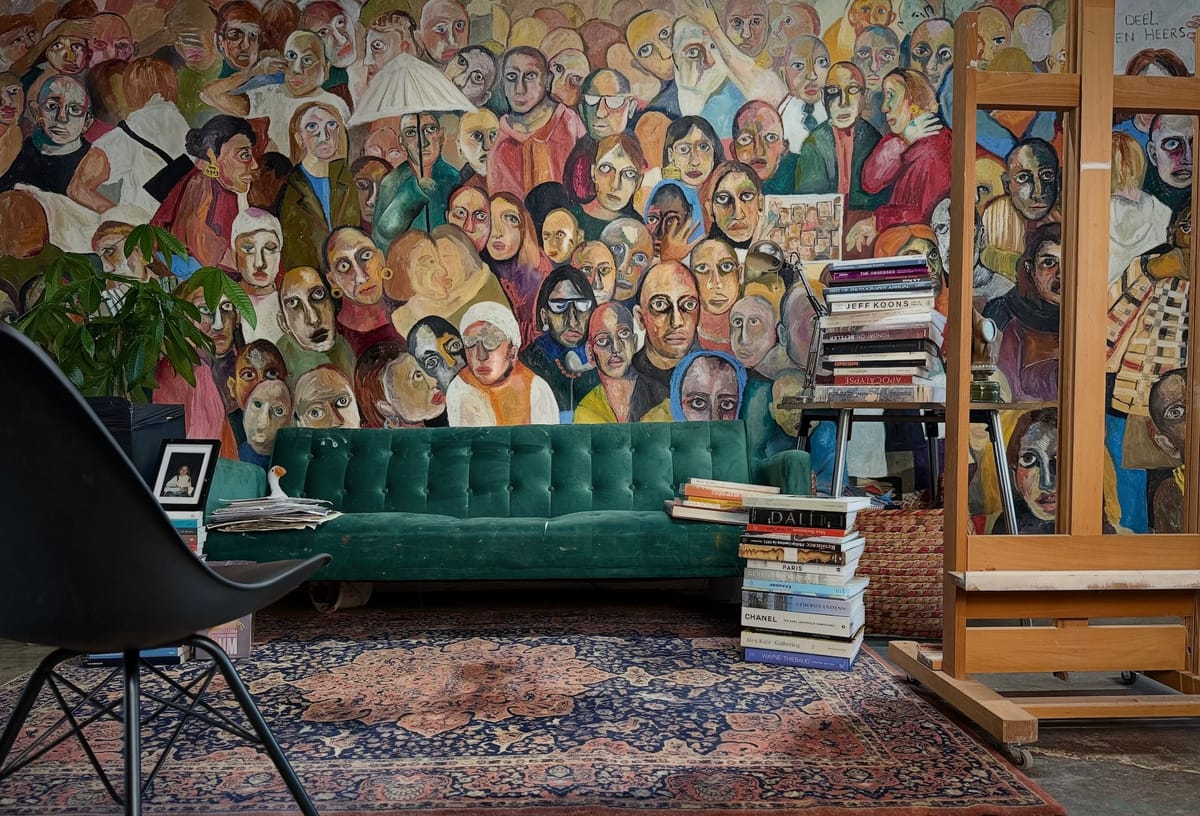
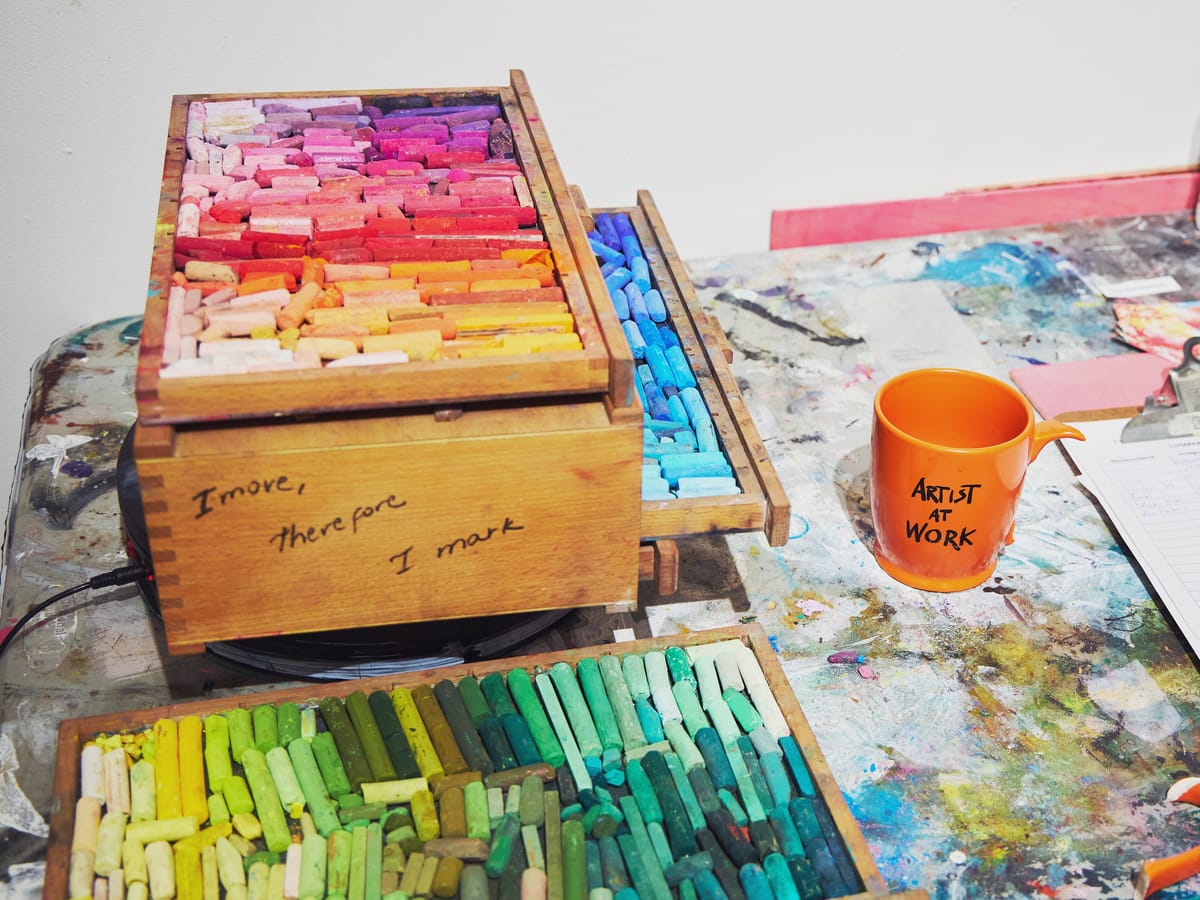
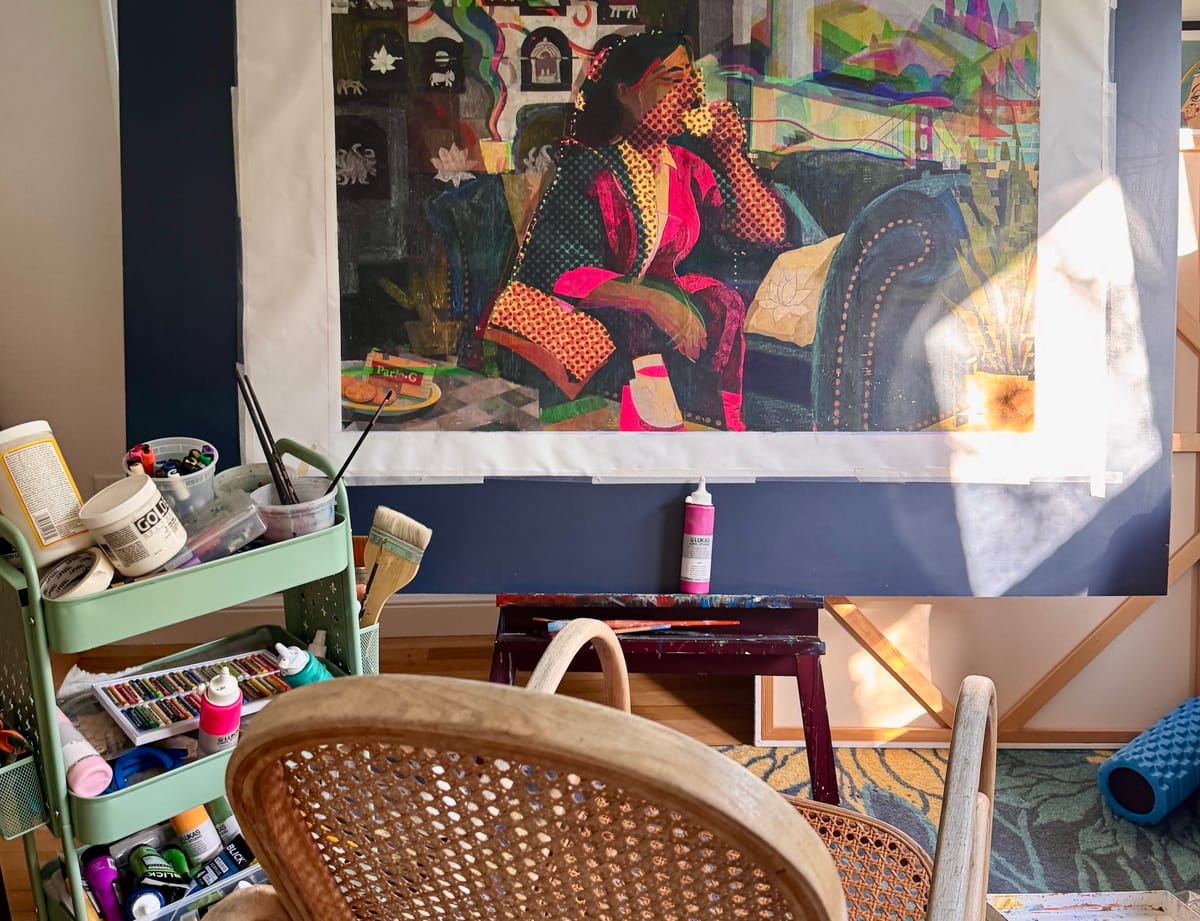
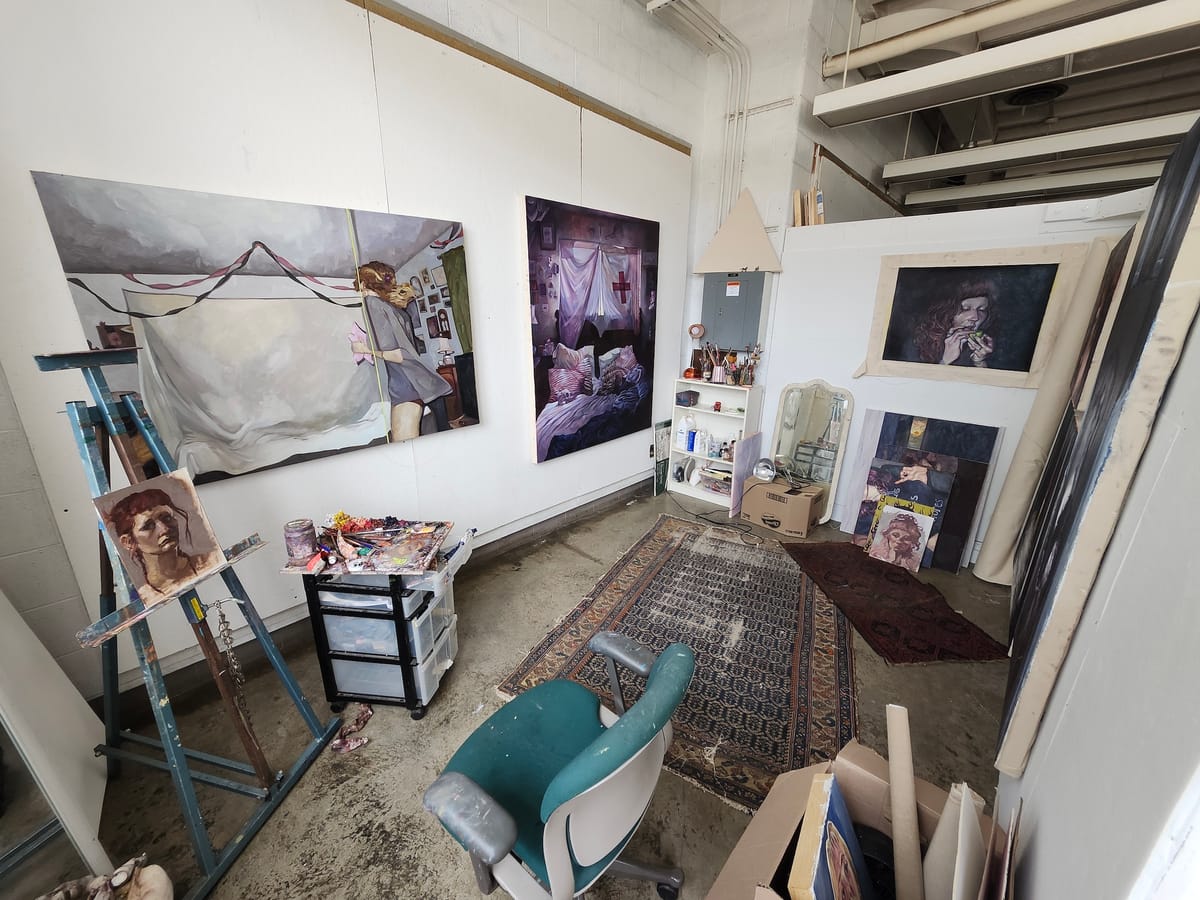
I work outside, carving and shaping the stone. Outside my house, I have a table, an extension cord, and tools. It's very cold and I have to wear all my winter clothes. When it's too cold, I do the filing and finishing work inside after I shape it outside. I listen to all kinds of music. I listen to Eminem all the time; his albums are all my favorites. For drawings, I work at Kinngait Studios or at home on my kitchen table.
Arts
Arts
fromHi-Fructose Magazine - The New Contemporary Art Magazine
2 months agoPainting From The Inside Out With Christian Van Minnen - Hi-Fructose Magazine
Paintings juxtapose bruised, tumorous flesh with forbidden fruits and gummy forms to create disorienting, alluring yet repulsive surrealist imagery.
fromHyperallergic
2 months agoA View From the Easel
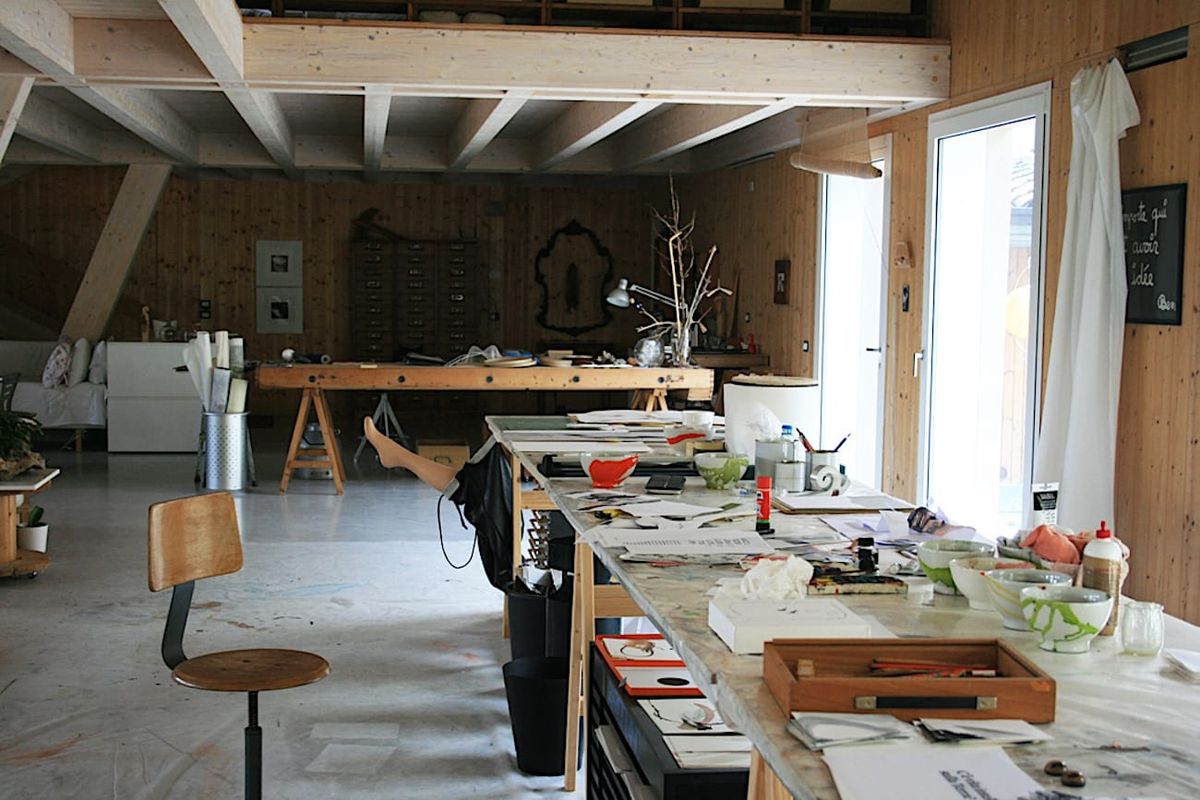
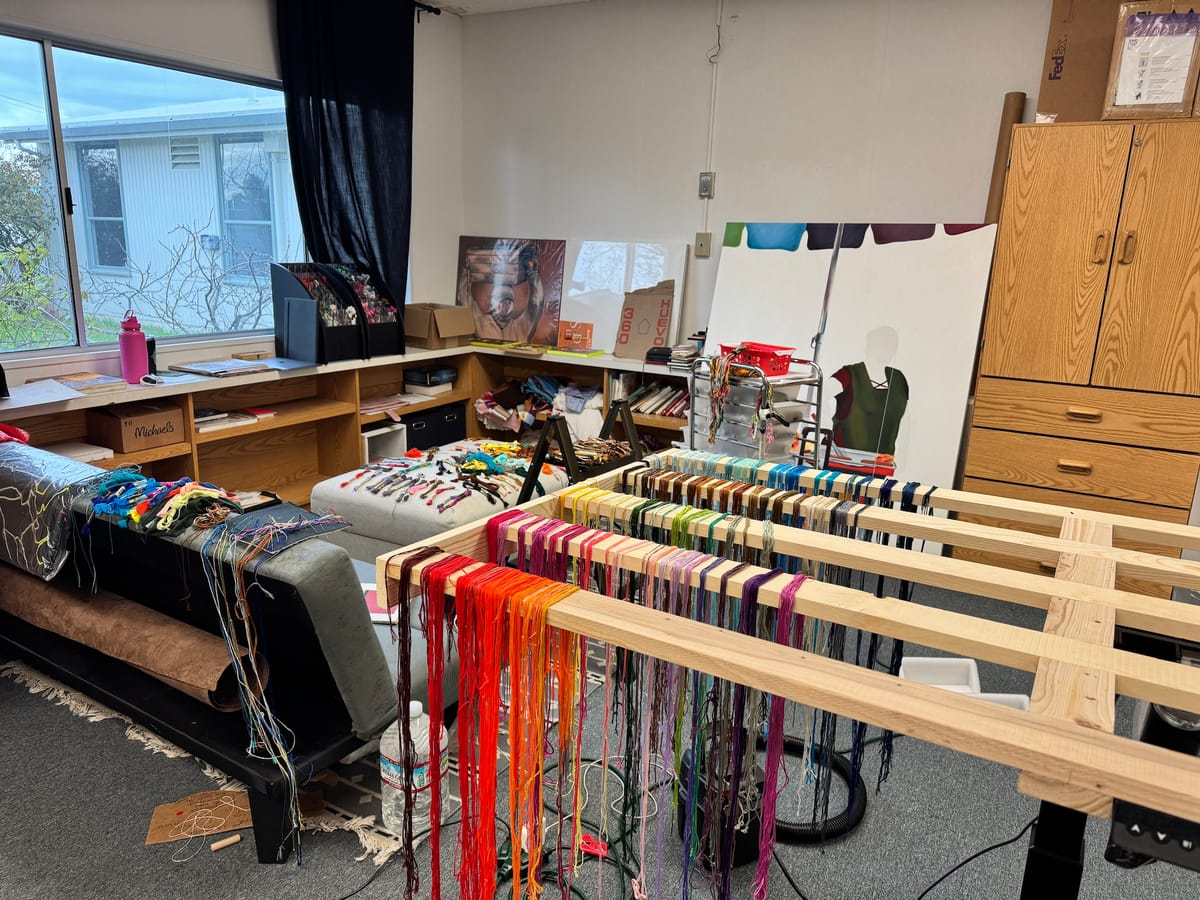
Mornings are best for concentrated work. In the winter, I turn on the heat at 8am and get started around 10am. Summer, I start around 9am. I have two areas in the studio for projects. The large, heavy wood sculptures are carved in the front section of the studio, closest to the roll-up wide door. Smaller sculptures are placed on a hydraulic workbench. Before I start, I focus, connect with the Source, and ask for guidance.
Arts
Arts
fromdesignyoutrust.com
2 months agoArtist Paints Smoky Lounges And Quiet Strangers, Letting Halffinished Details Turn Viewers Into Coauthors Of The Scene
A wide-ranging visual roundup showcases creative reinterpretations, vintage design, activist art, photography, illustration, and humorous cultural works spanning contemporary and historical styles.
Arts
fromSilicon Canals
1 month ago8 signs you appreciate art, music, and culture on a deeper level than most people - Silicon Canals
Some people experience art deeply, reacting emotionally and perceiving subtle artistic cues that reveal heightened sensitivity and meaningful connections to creative expression.
fromwww.theguardian.com
1 month agoEuan Uglow review No wonder Cherie Blair didn't model for long, these pictures are exhausting just to look at
Euan Uglow, they say, is an artist's artist, and therein lies the problem. If you were approaching his painstaking canvases out of curiosity how to construct the figure, capture precise perspective, proportions I can see how their visible workings (complex little dashes and crosses and plumb lines and geometric grids) would prove revelatory. But lots of us come to art to be inspired, transported, to feel. And for all their technical prowess, Uglow's 70-odd regimented paintings at MK Gallery leave me cold.
Arts
fromArtnet News
1 month agoHow the Mayor Gallery Has Helped Define Contemporary Art for 100 Years
In the story of art history-the art and artists, movements and trends-a select number of galleries have played a defining role in the evolution and trajectory of art itself. Among them, the Mayor Gallery in London is surely one, as it has maintained a position fostering and promoting some of the most significant developments in art for an astounding 100 years.
Arts
fromThe New Yorker
2 months agoThe Cold Comfort of a Helene Schjerfbeck Painting
After six centuries of Swedish rule, and more than a hundred years as a grand duchy of Russia, your nation is finally on the brink of independence. To the south, Europe is tearing itself to bits in the First World War; to the east, there's the Russian Revolution. Most of the art you've seen at this point is either second-rate or beats a patriotic drum-lakes and forests and scenes from the "Kalevala," a national epic featuring some cosmic eggs and a drowned girl.
Arts
fromHyperallergic
2 months agoMitchell Johnson: Two San Francisco Exhibitions of Large-Scale Paintings
"Color, color relationships, pattern and form are the hallmarks of Mitchell Johnson's achievement. Contemplating the growth and movement of his efforts over the years, we experience his intent, instinct and intuition. We become aware of his affinities with Morandi and Albers, and with Bonnard, Vuillard and Fairfield Porter. Johnson has remarked that he tries to "combine Morandi's feeling for composition with Albers' intelligence about color." And he exhibits an inspirational and perhaps emotional relationship with the work of Fairfield Porter."
Arts
[ Load more ]