#black-expatriates
#black-expatriates
[ follow ]
#relocation #immigration #cost-of-living #american-expats #temporary-protected-status #immigration-policy



#american-expats
Europe politics
fromInsideHook
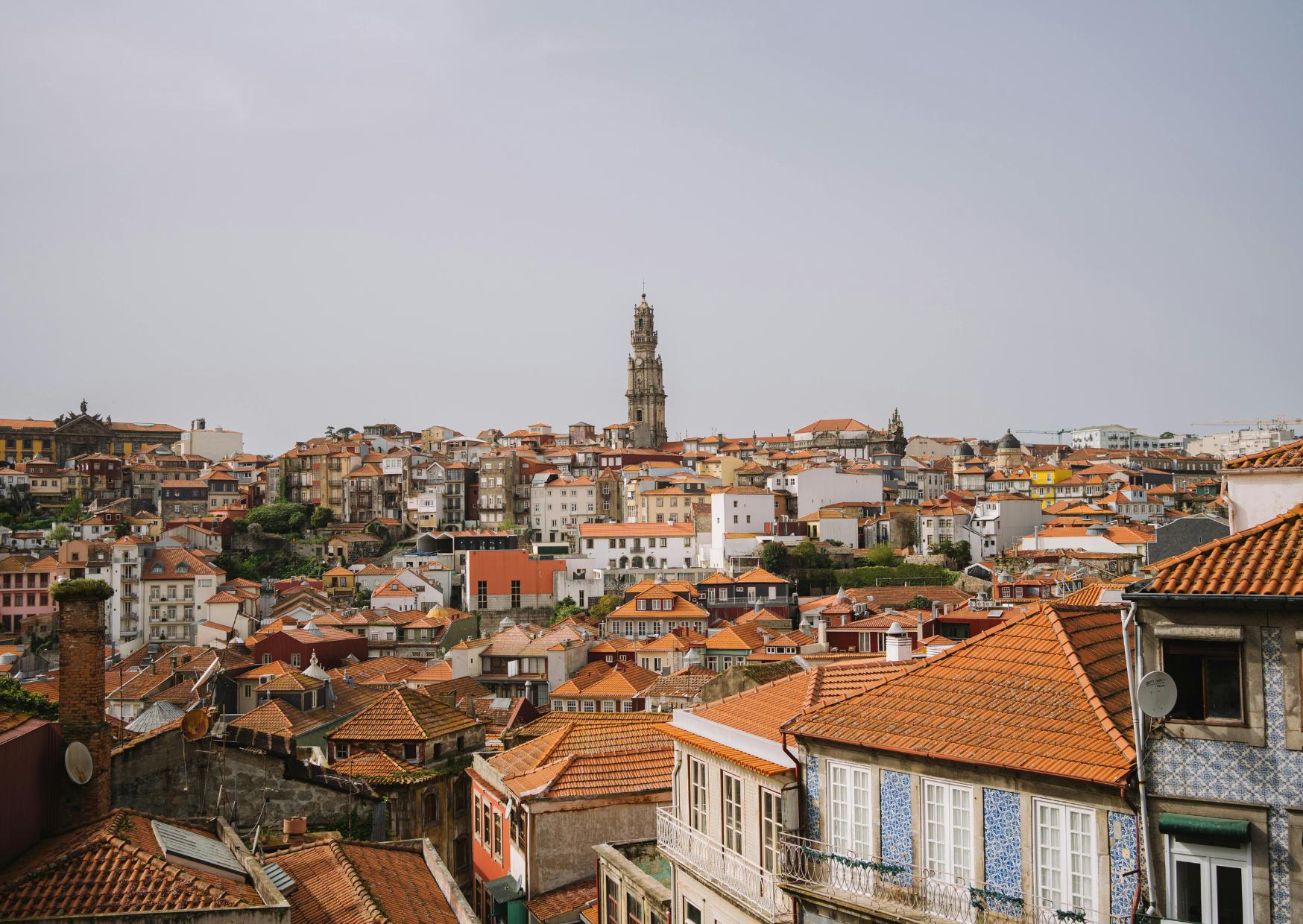
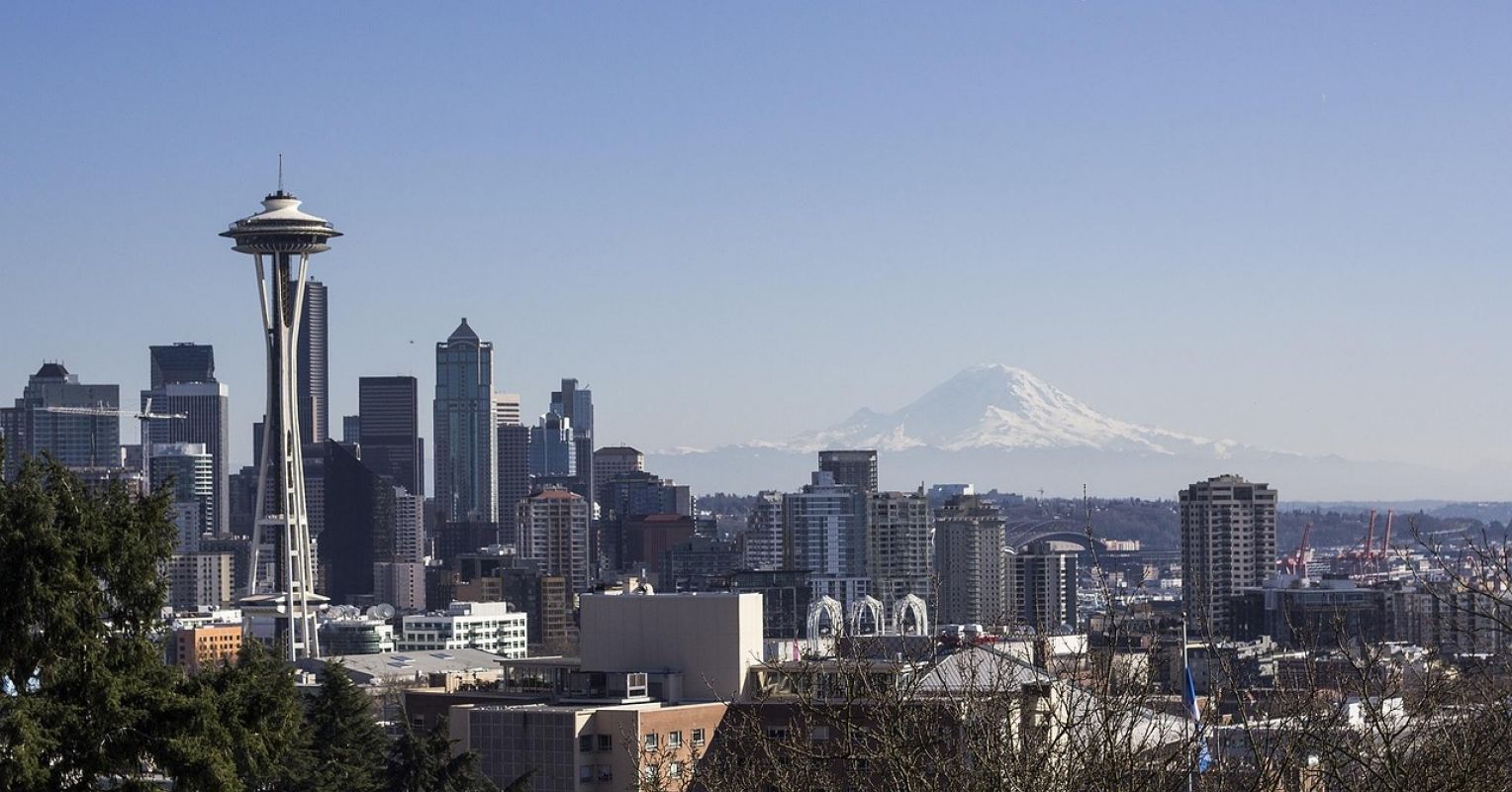
2 weeks agoExpat-Curious? Inside the European Communities Vying for Fleeing Americans.
American retirees are increasingly purchasing homes in Europe, particularly Italy, to fulfill lifelong dreams and escape tight U.S. real estate markets, with specialized services facilitating international transactions despite geopolitical tensions.
Europe politics
fromInsideHook
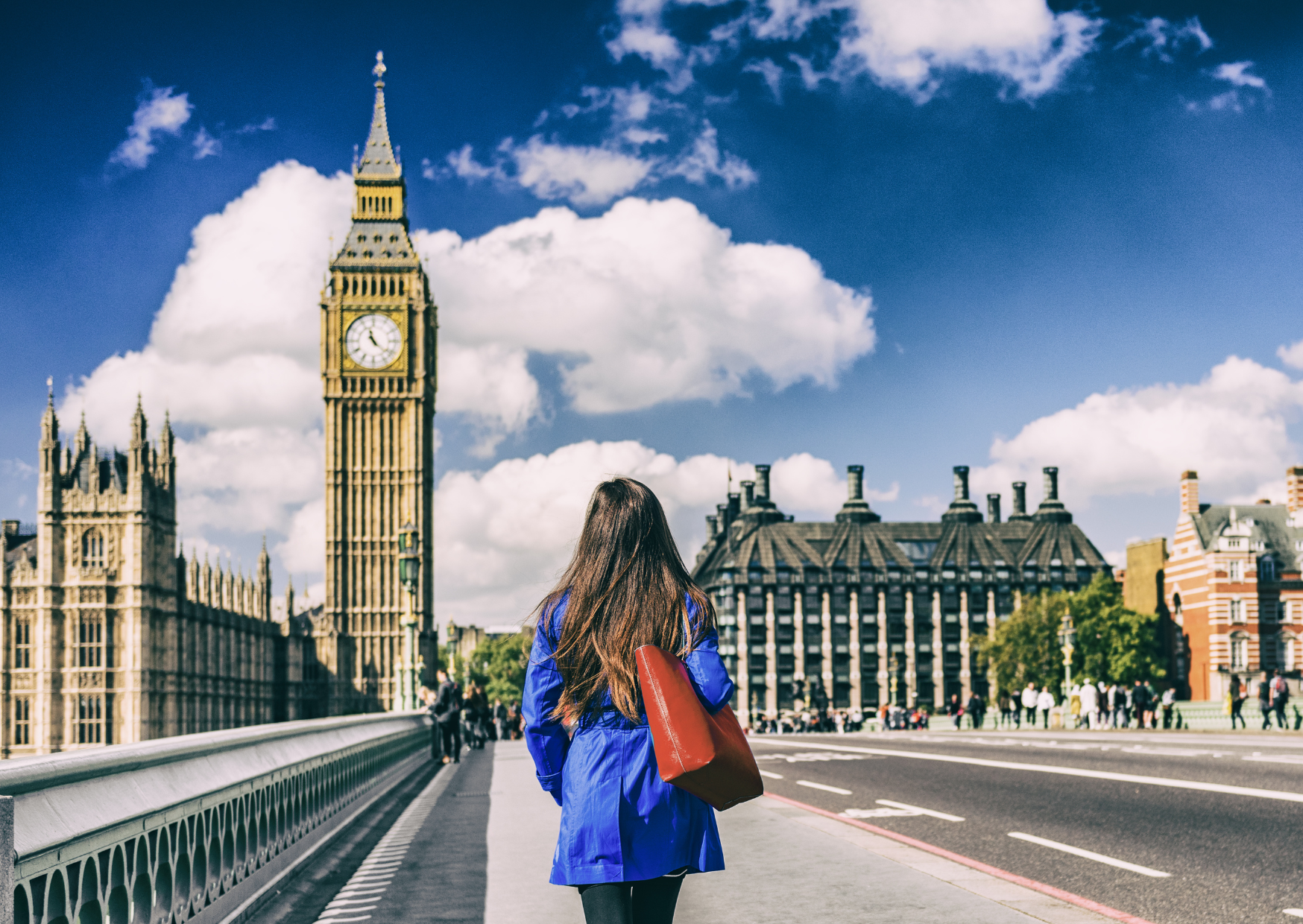
2 weeks agoExpat-Curious? Inside the European Communities Vying for Fleeing Americans.
American retirees are increasingly purchasing homes in Europe, particularly Italy, to fulfill lifelong dreams and escape tight U.S. real estate markets, with specialized services facilitating international transactions despite geopolitical tensions.
#emigration
London politics
fromLondon Business News | Londonlovesbusiness.com
5 days agoLondoners are most likely to emigrate as the UK exodus trends emerge - London Business News | Londonlovesbusiness.com
Londoners show the highest intention to emigrate in England, driven by cost of living and economic concerns.
London politics
fromLondon Business News | Londonlovesbusiness.com
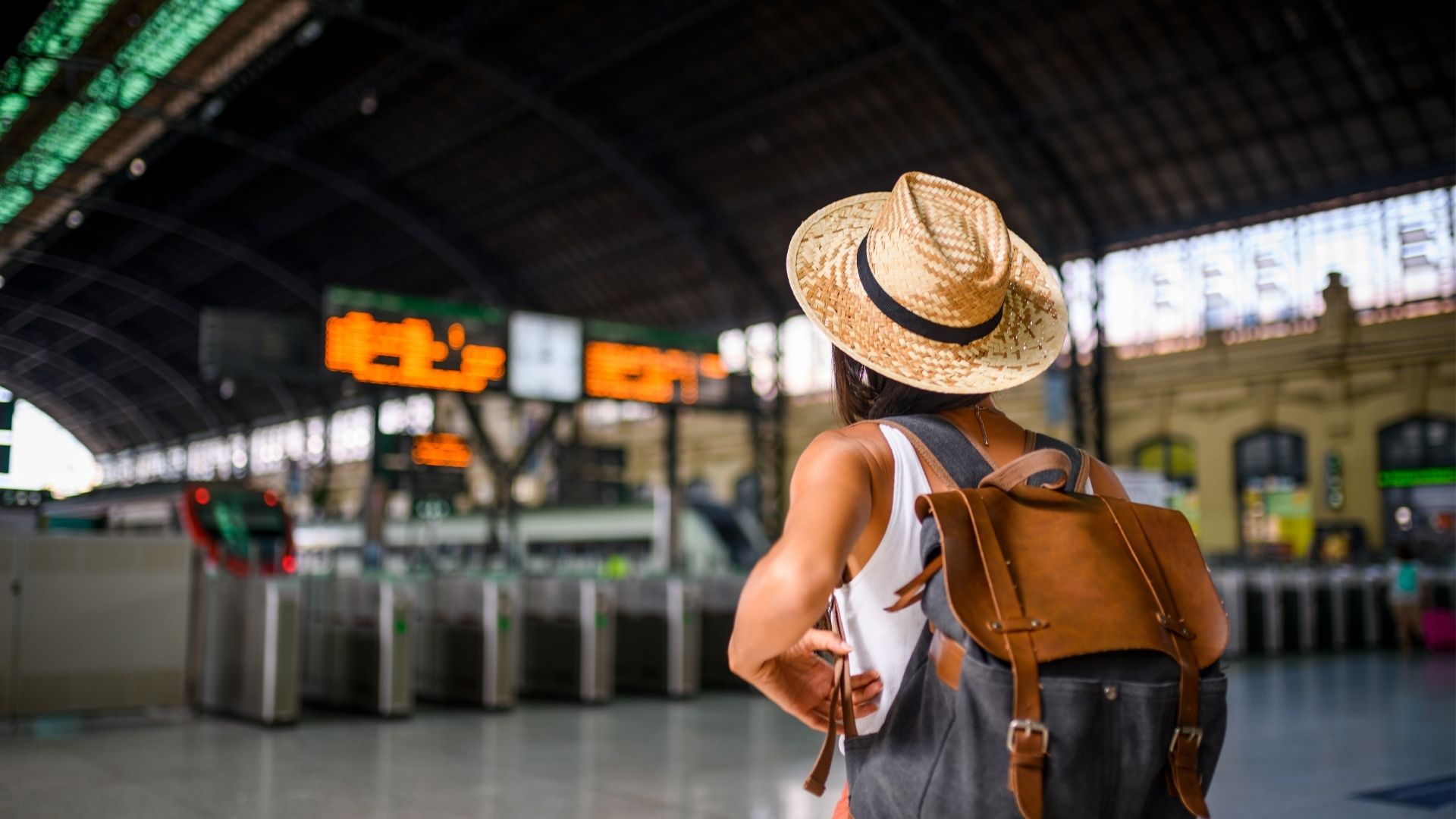
5 days agoLondoners are most likely to emigrate as the UK exodus trends emerge - London Business News | Londonlovesbusiness.com
Londoners show the highest intention to emigrate in England, driven by cost of living and economic concerns.
London politics
fromIndependent
1 week agoAn Irish Goodbye... from London: 'I feel completely settled here but I wish I could transport the Irish warmth of personality into the city'
Shayne Brady, an interior designer from Naas, moved to London in 2007 seeking new opportunities despite having no job or money.
Psychology
fromSilicon Canals
2 weeks agoThere's a version of loneliness that belongs to people who moved far from where they grew up and built a beautiful life somewhere new, only to realize that nobody in their current world knew who they were before. And sometimes being fully known matters more than being fully comfortable. - Silicon Canals
Loneliness can stem from not being known, even in social environments full of warmth and connection.
Fashion & style
fromwww.theguardian.com
2 weeks agoWhy wearing traditional dress will always be political
The wearing of traditional African clothing varies dramatically across the continent, from everyday staples in Sudan and Nigeria to rare ceremonial wear in Kenya and South Africa, influenced by colonial history and cultural diversity.
US politics
fromNonprofit Quarterly | Civic News. Empowering Nonprofits. Advancing Justice.
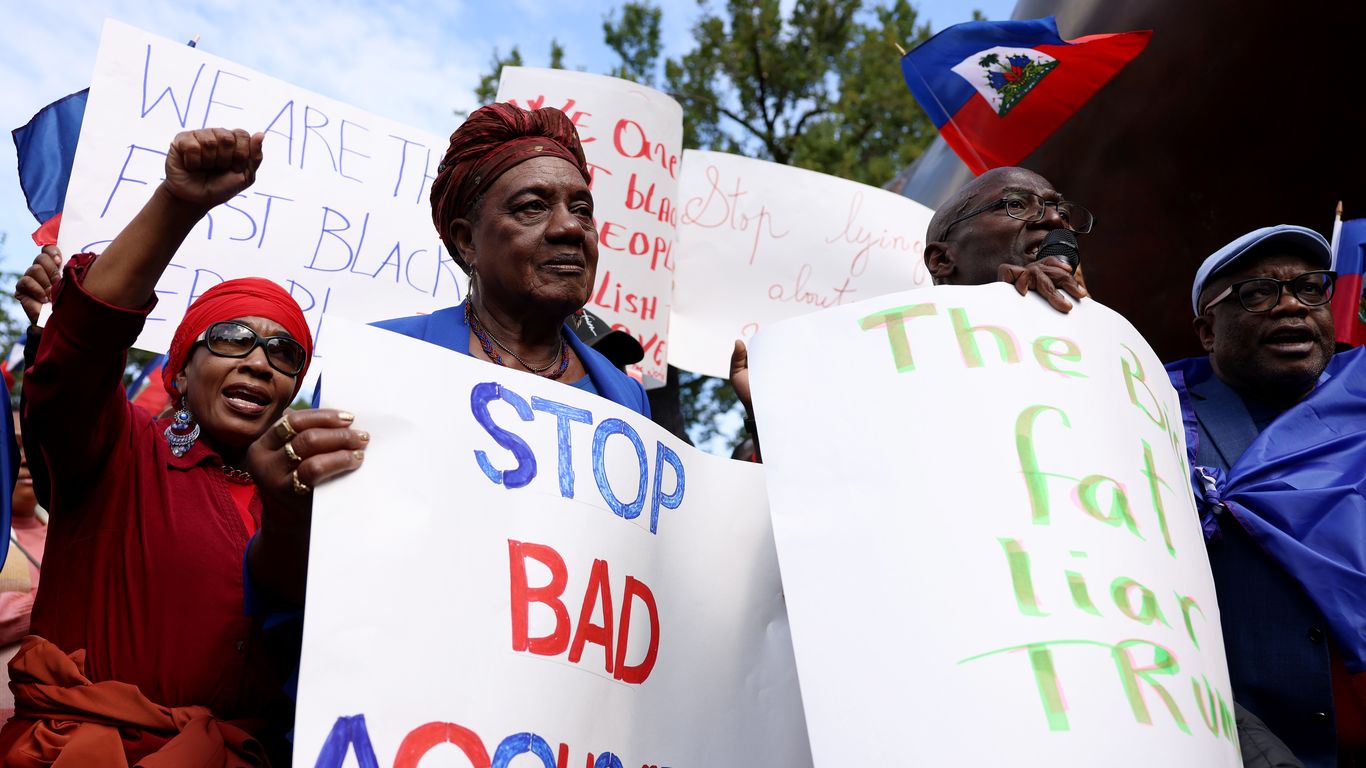
2 weeks agoMobilizing for Haitian Immigrants in Ohio | Nonprofit Quarterly | Civic News. Empowering Nonprofits. Advancing Justice.
Ohio's 30,000 Haitian residents, concentrated in Springfield, face uncertain immigration status as the Trump administration seeks to end Temporary Protected Status while anti-immigrant rhetoric and hostility intensify.
fromwww.thelocal.com
3 weeks agoAmericans in Europe: US finally slashes citizenship renunciation fee
After significant deliberation, taking into account both the affected public's concerns regarding the cost of the fee and the not insignificant anecdotal evidence regarding tax-related difficulties many US nationals residing abroad encounter, including in part because of FATCA, the Department made a policy decision... to propose alleviating the cost burden for those individuals who decide to request CLN services by returning to the below-cost fee of $450.
US news
Brooklyn
fromThe Haitian Times
2 weeks agoBrooklyn Nets shoot to connect with Caribbean community on and off the court
The Brooklyn Nets hosted a Caribbean-themed game night celebrating regional cultures through performances, carnival entertainment, and community programming to engage diverse local residents.
US Elections
fromBuzzFeed
3 weeks agoFormer US Residents, Tell Us Why You Left And Your Unfiltered Thoughts About America Right Now
Record numbers of Americans are leaving the country, citing exhaustion from financial stress, lack of work-life balance, inadequate healthcare, and political polarization compared to better social systems abroad.
fromSilicon Canals
3 weeks agoPeople who moved countries for love and people who moved countries for work carry completely different versions of displacement. One chose a person and lost a place. The other chose a place and discovered that without their people in it, a better country can still feel like a beautiful room with no furniture - Silicon Canals
She said she stood in her new kitchen, which had radiant floor heating and a view of the fjord, and cried because the bread smelled wrong. She'd moved from São Paulo for a man she'd met at a data science conference. The apartment was beautiful. The healthcare was extraordinary. The man was kind. And the bread smelled wrong, and that wrongness cracked open something in her she hadn't known was load-bearing.
Remote teams
Travel
fromForbes
3 weeks agoWhere Americans Are Moving Abroad Right Now
Remote work and rising living costs drive millions of Americans to relocate abroad earlier in their careers, with over 180,000 relocating last year to countries offering affordability, cultural familiarity, and English-speaking communities.
Manchester United
fromRepublik Of Mancunia: A Manchester United Blog
4 weeks agoThe pathway from Africa to Old Trafford
Manchester United has recruited players from 51 nations globally, with African representation growing from Quinton Fortune's 1999 debut through recent signings like Odion Ighalo and Amad Diallo.
NYC politics
fromNew York Post
4 weeks agoExclusive | Red alert: Brooklyn pol says he and other USSR immigrants are more 'cultured' than Americans
State Assemblyman Michael Novakhov faced backlash for Facebook remarks suggesting USSR-born immigrants are more cultured than American residents, later claiming mistranslation.
fromwww.theguardian.com
4 weeks agoI am trying to live': Haitians in Mexico seek community despite broken immigration systems
With time, as his research led to police intervention, he caught the attention of the city's gangs. In November 2024, during a period of escalating violence in the Haitian capital, gang members entered the compound where Gensley lived. They burned the radio station, my home and many other things in the area. They even killed his dog.
US news
fromenglish.elpais.com
3 weeks agoThe shattered dream of migrating to the US and the odyssey of returning: I was in jail for four months. That's the only way I got to know New York'
Laime Arold, a 26-year-old Haitian, buys energy bars at a small shop on the side of the Pan-American Highway in southern Chiapas, Mexico. Jose Adan, a Honduran, prays aloud in a park in Tapachula, asking God to protect him from kidnappers and the police along the way. Gerardo Aguilar, a Venezuelan, travels at 60 miles per hour, lying across two seats on a bus headed for Guatemala. The three all have something in common: they are in Mexico and they are migrants. None of them are heading north. They are heading south.
Miami food
Social justice
fromCN Traveller
2 weeks ago"Black excellence is everywhere, Black connection is not": Inside the event designed to connect, unite and inspire Black thinkers
The Diaspora Salon in Marrakech convenes African and diaspora intellectuals, artists, and entrepreneurs to discuss culture, power, and economic futures across multiple disciplines.
fromHyperallergic
1 month agoEveryday Traces of NYC's SWANA Diaspora
Unlike virtually all other non-European ethnicities, SWANA - or Middle Eastern/North African (MENA), as used in the show - is grouped under "White" on the US census. It's not just the census, though. It's medical forms, college applications, just about anything with a check box for ethnicity. Efforts have been made to change this, with some success. More institutions are adding a separate category on forms - and one might appear on the 2030 census.
Arts
Education
fromTruthout
1 month agoWe Must Defend Black History - It Fuels Freedom Dreams of Students Under Attack
Teachers must transform curricula to eliminate biases and systems of domination while protecting vulnerable students, particularly Black students and students of color, from contemporary educational injustices.
US politics
fromTruthout
1 month agoAs the Status Quo Shatters, Afrofuturists' Visions Offer a Way Forward
State violence has expanded beyond Black communities to target white protesters, journalists, and politicians, while right-wing authoritarianism threatens multiracial democracy and prompts reimagining of Black freedom beyond the United States.
US news
fromwww.nydailynews.com
1 month agoFor first time in 90 years, more people are leaving the U.S. than moving in
The United States experienced net negative migration for the first time since the Great Depression, with approximately 150,000 more people leaving than entering in 2025, driven by Americans seeking better economic opportunities, safety, and quality of life abroad.
Europe politics
fromGamintraveler
1 month agoWhy These 7 Countries Quietly Want More Americans To Move There: The Places Making It Easier For Americans To Move
Multiple countries actively recruit American migrants through visa programs to address economic decline, demographic challenges, and geopolitical influence.
fromwww.theguardian.com
2 months agoYou feel obligated': African workers on the pain and pride of the black tax'
From Senegal to Somalia and Egypt to South Africa, credit alert notifications from fintech apps such as Western Union or WorldRemit often set the mood for the rest of the day, week or even month. Transfers from workers within the continent and the diaspora to their relatives are often referred to as the black tax, whereby one person's salary and relative success can become the safety net for a whole extended family.
World news
Social justice
fromNonprofit Quarterly | Civic News. Empowering Nonprofits. Advancing Justice.
1 month agoBlack History Is Economic History: A Charge Toward Black Futures | Nonprofit Quarterly | Civic News. Empowering Nonprofits. Advancing Justice.
American prosperity was built on racialized capitalism through slavery and systematic exclusion, creating a persistent racial wealth divide that continues to deny Black communities economic opportunity and democratic participation.
US politics
fromwww.theguardian.com
1 month agoTell us: are you an American living abroad who has tried to renounce your citizenship?
American expats who tried renouncing US citizenship are invited to securely share detailed experiences, including motives, obstacles, future-return concerns, and anecdotes; contributions can be anonymous.
fromBlack Enterprise
2 months agoAlmost 40% Of Black Professionals Don't Know How To Stand Out In Today's Job Market - Check Out Tips To Help
As U.S. job growth in 2025 reached its lowest point since the pandemic in 2020, Blacks have been hit extra hard. Their discharges stem from rollbacks in the federal government, DEI pullbacks, and large layoffs in areas such as education, health services and social assistance. Now, nearly two-thirds of Blacks in the U.S. are looking for a new job in 2026. Yet, 75% feel unprepared for the job search ahead.
Careers
fromwww.theguardian.com
1 month agoIt's been life-changing': young Britons on why they left the UK to work abroad
As young people bear the brunt of a downturn in the jobs market, figures show a significant number are leaving the UK. Although statisticians caution against comparing annual figures after a recent change in methodology and stress younger people are traditionally more drawn to emigration, a net 111,000 people aged 16 to 34 emigrated from the UK in the year to March 2025, according to the Office for National Statistics.
UK politics
fromMexico News Daily
2 months ago8 foreigners on why they left everything for Mexico City - and whether they'll stay
A 2024 New York Times report notes that Mexico is home to over 1.6 million U.S. citizens - the largest American community abroad. But it's more than Americans: Argentinian, Spaniard, Chinese and Russian populations have all grown significantly, with Mexican authorities reporting a 64% year-on-year increase in Russian migrants in 2024 . The stereotypical CDMX immigrant - a digital nomad typing furiously from a café while nursing the same almond-milk cappuccino for hours (yes, I'm describing myself) - isn't the full story.
World news
fromHyperallergic
2 months agoThe African Diaspora Pictures Itself
Walking through Ideas of Africa: Portraiture and Political Imaginationat the Museum of Modern Art, I noticed that the exhibition didn't have definite sections or texts, and the wall labels abstained from naming the nationalities of the photographers. It was an invigorating experience to be in a show that eschews geographic boundaries set up by Western nations, as well as rejects a cause-and-effect narrative that centers Western colonialism as a framework for understanding African aesthetic production.
Arts
Miscellaneous
fromwww.aljazeera.com
2 months agoFrom Crimea to Cameroon: Ukraine's minorities reflect on life during war
A Muslim cultural centre offered shelter to displaced Ukrainians, fostering cohesion, dispelling anti-Muslim misconceptions, and promoting understanding of Ukraine's longstanding Muslim heritage.
fromThe Atlantic
2 months agoHow I Traced My Ancestor's Journey From Slavery to Freedom
The librarian sat me in front of a microfilm reader and brought out roll after roll of film. I stayed there for hours, squinting to decipher the archaic handwriting in the Free Negro Book, which was published annually in South Carolina before the Civil War. The names in each year's edition were alphabetized, but only roughly-all of the surnames starting with A came before all of the surnames starting with B, but Agee might come before Anderson, or it might come after.
History
fromBuzzFeed
2 months agoOne Awkward Conversation With My White Friend Changed Our Relationship Forever
Kim (not her real name) and I bonded when our sons played on the same travel basketball team. For years, we spent weekend after weekend together in loud, testosterone-filled gyms, rife with the smell of boy sweat and breakfast sandwiches. We always sat in the same place on the unforgiving bleachers, midway up in the center, and picked up our conversation from where we left off at the previous practice or game.
Relationships
Film
fromLGBTQ Nation
2 months agoThese 10 essential movies about Black people with HIV will open your heart & mind - LGBTQ Nation
On-screen representation of people living with HIV remains extremely limited across platforms, with especially poor representation of Black people and few meaningful portrayals.
Travel
fromBusiness Insider
1 month agoAfter 5 years of living abroad in Canada and Europe, I took off my rose-colored glasses and moved back to the US
Living and working abroad offers enriching experiences but often involves visa instability, short-term contracts, lower pay, and persistent job-search challenges leading some to return home.
fromCaribbean Life
1 month agoBronx filmmaker spotlights Jamaican Diaspora stories - Caribbean Life
But rather than walk away from his creative calling, Driven said he pivoted - teaching himself videography and landing his first paid job through a Craigslist post filming Caribbean DJ, and DJ Mad Out. "That opportunity introduced him to New York's Caribbean music scene, where he went on to work with artists such as Shaggy, Ding Dong and Kranium," she said. "Those early experiences sharpened Hillmedo's eye for authenticity, capturing Caribbean culture not as spectacle, but as lived reality," she added.
Brooklyn
fromwww.aljazeera.com
1 month agoCitizens of Nowhere: What It Means to Be Stateless in the US
Citizens of Nowhere is a documentary short about stateless people in the United States individuals who, through circumstance or legal technicality, belong to no nation. Without passports, citizenship or legal recognition, they live in a state of uncertainty. From finding work and accessing education, to simply existing within a system that does not officially recognise them, stateless people face endless bureaucratic barriers.
Film
fromBusiness Insider
1 month agoI left the US in 2015 and have since lived around the world. Reverse culture shock hit me harder than leaving ever did.
I think people don't always believe me when I say it, but living abroad has always felt more fun to me. I love the cultural challenges, the language barrier, the different food, and the process of figuring out the day-to-day. I'm originally from Conyers, a small town just outside Atlanta. In high school, I moved to Athens, Georgia. It was a typical small, suburban place - there weren't many people traveling internationally. Certainly, no one was moving abroad the way I eventually did.
Travel



US politics
fromArchitectural Digest
2 months agoWhen Politics Drives You From Home: 5 Americans Who Uprooted Their Lives Because of the State of the Nation
Politics has become a major driver of relocation, with many Americans choosing new communities that align with their political beliefs despite logistical and emotional costs.
fromHyperallergic
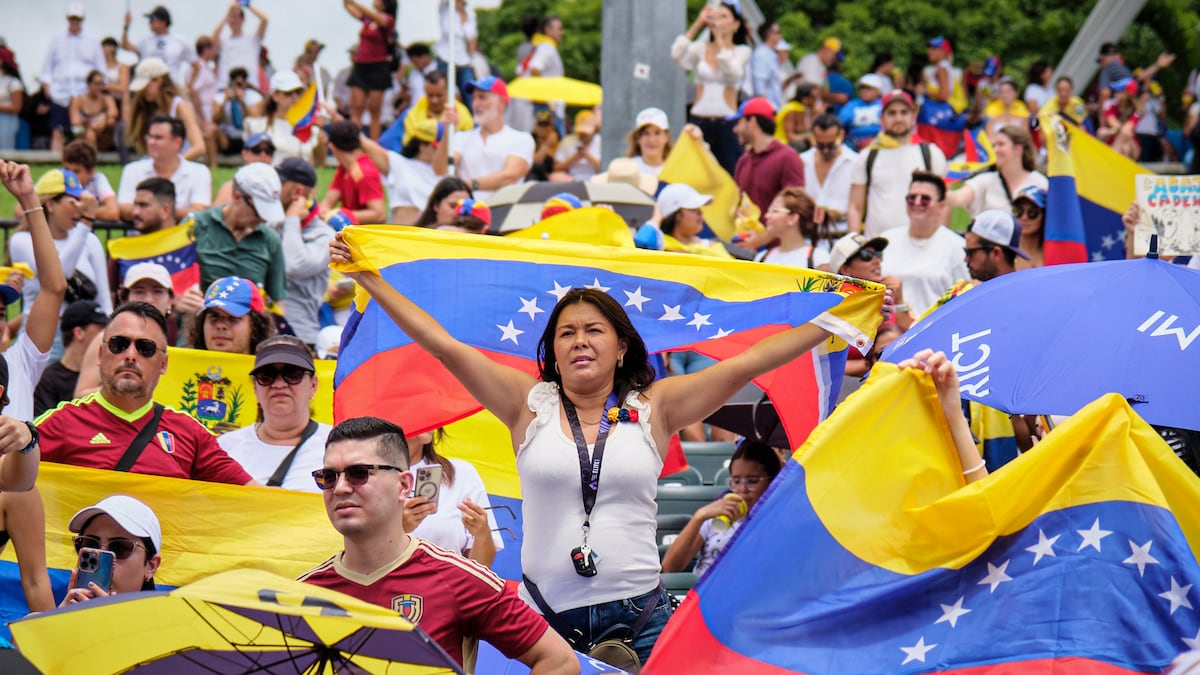
2 months agoVisions of Venezuela and Cuba From Exile
Otherworldly forms greet you at the entrance to the exhibition, transporting you into a kaleidoscopic, dream-like space. A voice speaks in the background as projected images dance across the forms, animating the space. "It's been really beautiful to see her work come alive, become a landscape ... where you can traverse and kind of get lost," curator Fabiola R. Delgado says of Lisu Vega's "The Uncertain Future of Absence (El Futuro Incierto de la Ausencia)" (2025).
Arts
fromCurbed
1 month agoI Miss My Black Brooklyn
I once lived in a Black mecca. But by the summer of 2022, my toddler son and I were often the only Black folks on the playground in Bedford-Stuyvesant, a fact that felt both alienating and surreal. We moved to Bed-Stuy that summer to be close to my sister and her family. Reeling from a recent separation and scrambling for child care in a different neighborhood, I often found myself on the playground, trying to make sense of both our new life and this
Social justice
fromBuzzFeed
1 month agoI Bet You Didn't Know These 19 Famous People Have Black Heritage
To be Black in the U.S. has such an expansive meaning that traces back to Europeans deciding who got to be "white." While some people, like the Italians and Irish, earned their way into "white-ness," those with even a drop of Black in their heritage were relegated to the lower rungs of the racial ladder.
Social justice
US politics
fromIndependent
1 month ago'It's become urgent now': the Irish people returning home from the US in the shadow of Trump's immigration crackdown
Diaspora communities are losing previously assumed security as plans for large-scale, forceful deportations threaten immigrants and their networks.
[ Load more ]