Social justice
fromPsychology Today
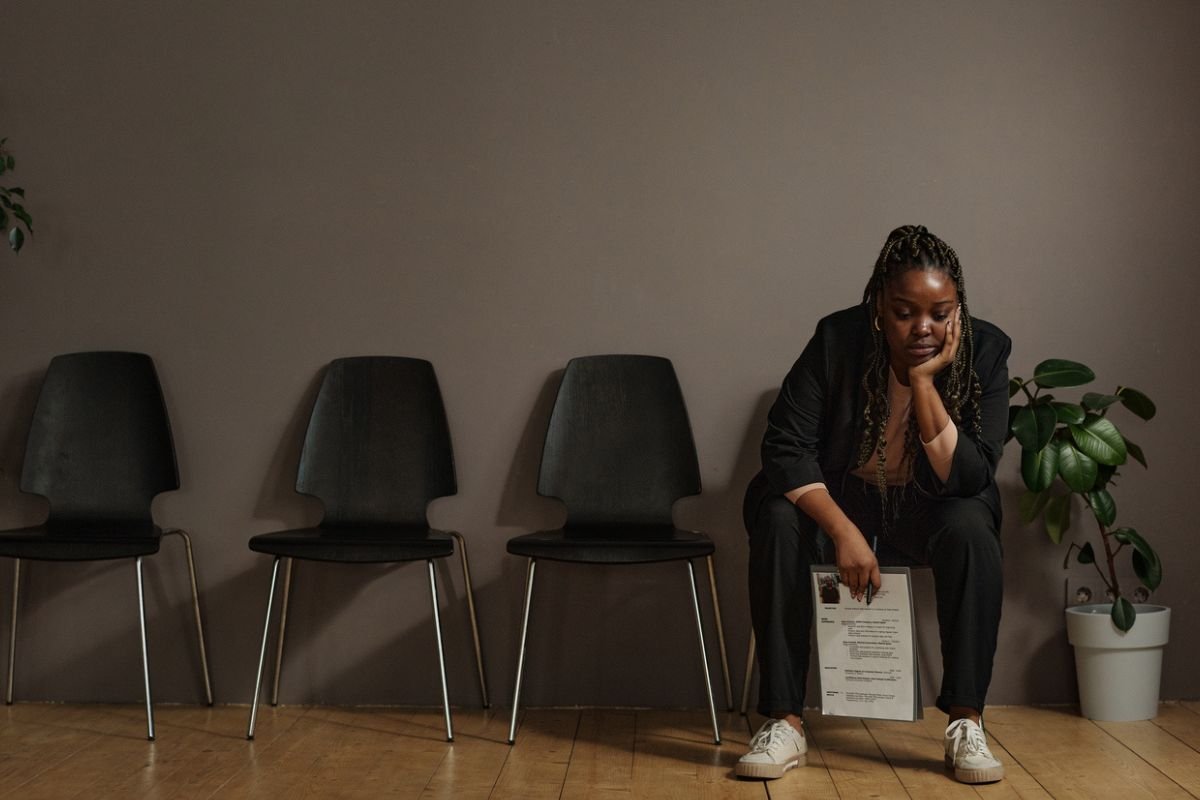
2 days agoHelping Black Women Remove the Mask
Black women navigate stereotypes and require therapy to reclaim their authenticity while clinicians must advocate against oppressive systems.
The truth, of course, is that anyone can contract HIV, given the right circumstance, and according to the Yale University Library's online exhibition " We Are Everywhere: Lesbians in the Archive," by 1991 roughly 40% of HIV-positive people and 12% of AIDS patients in the U.S. were women. But a combination of longstanding bias in the medical field and the perception of HIV/AIDS as a gay epidemic led to women being excluded from research studies and clinical trials.
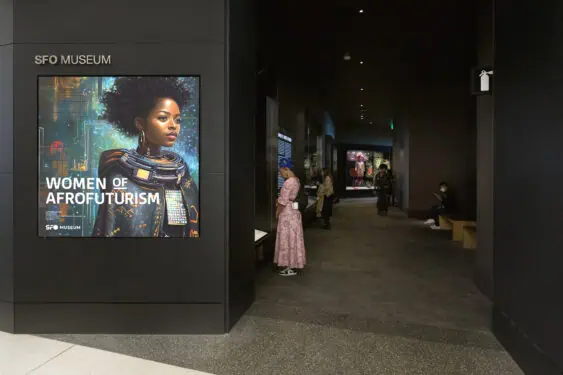
The exhibition centers the visibility, agency, and radical joy of Black women, celebrating love as a generative force-of liberation, self-definition, and community. Through richly textured compositions and her iconic rhinestone-studded surfaces, Thomas depicts her subjects-friends, family, lovers, and cultural figures-with a confidence and sensuality that reclaims spaces where Black women have been historically overlooked or misrepresented. With this exhibition, she becomes the first African-American artist to receive a major solo presentation at the Grand Palais.
As a daughter of the Mississippi Delta and Black woman in the South, so many narratives about me have been told without me. My body, as trauma specialist Bessel van der Kolk would say, keeps the score. Nevertheless, as a journalist, entrepreneur, mental health counselor, evaluator, and now foundation program officer, I have had the opportunity to combine and crystallize the importance of storytelling, leadership, healing, and lived expertise.
But you know what memory I don't have? My mother eating. She cooked. She served. She made sure everyone had seconds and thirds. She cleaned. She packed plates for folks to take home to their loved ones. She stood in that kitchen for hours (sometimes, days), making magic happen for anyone that she could. But I cannot recall a single moment when she sat down with a full plate of her own, enjoying the meal she had poured herself into.
Recently, people around the world marked World Mental Health Day, a time to reflect on how we care for our minds and bodies. Yet one dimension of mental health remains virtually absent from the conversation, one that sits in plain sight, on our heads. For women, Black women, and girls, in particular, hair isn't just a style; it is a crucial part of mental health and well-being.