#books-as-decoration
#books-as-decoration
[ follow ]
#interior-design #home-decor #architecture #diy #furniture-design #home-improvement #home-renovation #home-design



#furniture-design
Design
fromYanko Design - Modern Industrial Design News
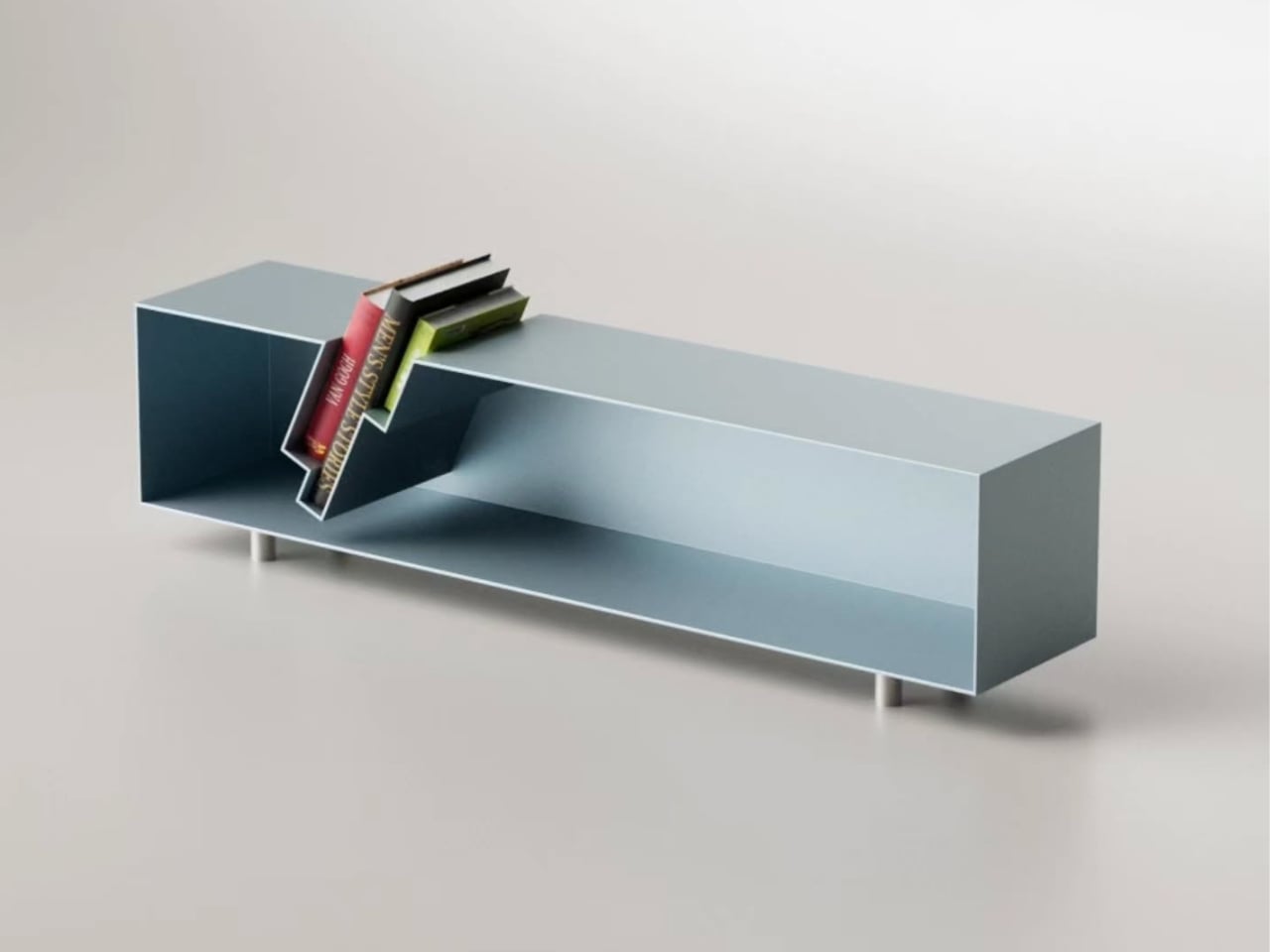
2 days agoOne Week Design's Squares Furniture Is Built on a Bricklayer's Memory - Yanko Design
The Squares collection by Xiaoya Wang and Jian Ni embodies personal memory and design restraint, creating furniture that resonates emotionally.


Arts
fromColossal
3 weeks agoYou'll Need a Magnifying Glass to Read Some of the World's Smallest Books at the V&A
Queen Mary's Dolls' House at Windsor Castle contains nearly 600 miniature books designed by leading craftspeople, representing a remarkable collection of scaled literary works from the early 20th century.
fromYanko Design - Modern Industrial Design News
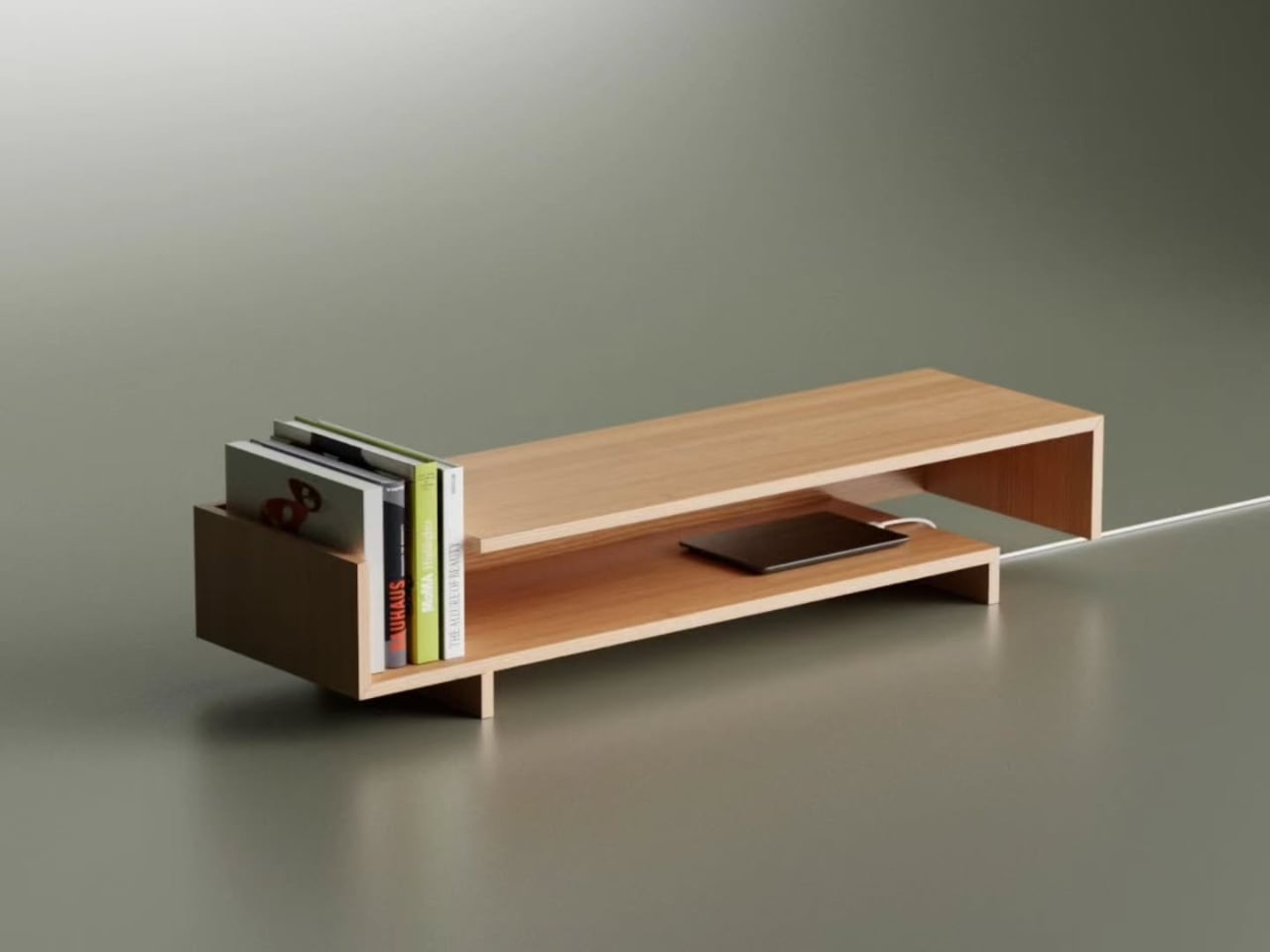
5 days agoThe Side Table That Folds a Bookshelf Into Its Own Top - Yanko Design
The Boca table by designer Deniz Aktay is not interested in that conversation at all. At first glance, it reads as a straightforward piece: a circular metal top, slim tubular legs bent into a smooth C-shaped base, a warm terracotta finish.
Design
Design
fromYanko Design - Modern Industrial Design News
6 days ago5 Scandinavian Product Trends That Will Make Your Home Instantly Feel Like Hygge - Yanko Design
Scandinavian design emphasizes clean lines, natural materials, and functionality, creating a harmonious balance between aesthetics and practicality.
Renovation
fromArchDaily
2 weeks agoWeishan Chongzheng Academy Bookstore of Librairie Avant-Garde / TAO (Trace Architecture Office)
TAO transformed the 500-year-old Chongzheng Academy into a multifunctional bookstore combining retail, exhibitions, theater, and café to revitalize Weishan Ancient Town's cultural heritage and public engagement.
Design
fromYanko Design - Modern Industrial Design News
2 weeks ago5 Best Surreal Bookstores That Make You Forget You're Inside a Building - Yanko Design
Exceptional bookstores transcend retail by using architectural design inspired by nature and astronomy to transform reading spaces into immersive environments where books become spatial protagonists rather than products.
fromArchitectural Digest
3 weeks ago5 Storybook-Themed Bedrooms to Inspire a Novel Design Style
Design is but a story. You may not realize it, yet every time you invest in a new sheet set, pick up a cozy blanket, or add a darling vintage tray to your nightstand, you're building a narrative for your space. Just like a novel, your bedroom is a page-by-page opportunity to embark on an adventure.
Design
fromArchitectural Digest
3 years agoThese 7 Clothing Racks That Turn Storage Into an Art Form
Ferm Living's Bridge system is one part coat rack, one part display piece for your most-worn pieces. Built for versatility, the slim oak beams provide two tiers of storage space, whether you need room for hangers or just a place to hang your hat at the end of the day. It's nearly five feet high, meaning none of your beloved coats will sweep the floor. Its vertical branches would also make sense as a place to display fabrics or hang towels to dry.
Fashion & style
fromApartment Therapy
1 month agoThe 150-Year-Old Useful Gem Hiding in Every Thrift Store
As someone who loves vintage things, you can find me at my local thrift store regularly. I enjoy stocking my closet with secondhand finds and finding gifts or unexpected storage gems instead of buying them new. The thrill of the hunt is ultimately what keeps me going back time after time. Whether I have 10 minutes or an hour to peruse, flipping through clothing racks and scouring the shelves always brings me joy,
Fashion & style
fromBustle
2 months agoYou're Making Your Home Look Cheap If You Aren't Doing These Simple Things
When clutter piles up, closets burst at the seams, and cords snake all over your desk, your home can quickly look - and feel - messy. Or maybe it's your tired furniture or flooring that needs some TLC. The good news is that you don't have to spend a ton on a renovation to fix these problem; in fact, sometimes the solution is surprisingly easy and affordable. And that's where this list comes in, with simple upgrades that help you take control of the things that are making your home look cheap.
Renovation
fromApartment Therapy
2 months ago"Such a Nice Solution": The Stylish TV Hack Everyone Should Try
One of the most perplexing design dilemmas to exist is the television - a necessary evil, to say the least. TVs are great when we need to watch movies, the big game, or binge through a viral series. When they're not in use, however, they can feel like an eyesore. DIY and brand-name TV frames have made disguising flatscreens a bit easier, but one Instagrammer just took this idea a step beyond - she tucked her TV into a bookshelf.
Renovation
Design
fromdesignboom | architecture & design magazine
1 month agotraditional european library transforms compact office into a layered reading space
A compact residential library uses deep crimson millwork, saturated color, layered materials, patterned wallpaper, and integrated lighting to create depth and a focused reading interior.
fromTasting Table
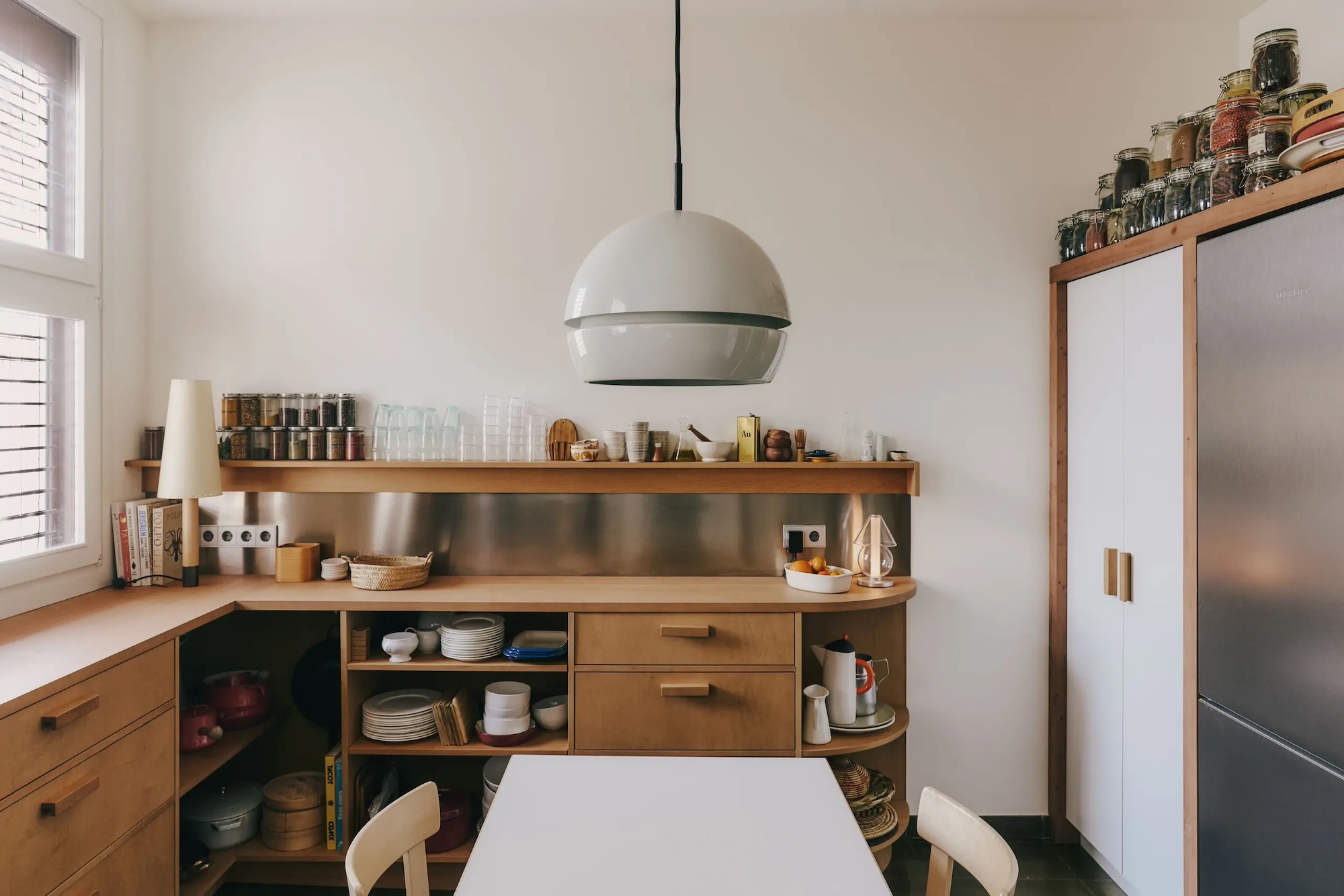
2 months ago11 Open Shelf Styling Ideas You'll Want To Try In The Kitchen - Tasting Table
Everyone who's into kitchen design has an opinion on open shelving - aka uncovered wall shelves that display items in plain sight. While open shelves are cheaper than full kitchen cabinets, take up less space, and pull double duty as both decor and storage, detractors say they're a tired, overdone kitchen trend on the way out in 2026. But if you give open shelving a personal twist by styling it to your tastes, it's anything but passé.
Remodel
fromArchitectural Digest
4 years agoThe Best Coffee Tables With Storage for a Clutter-Free Living Room
Wood: Arguably the most common material for a coffee table, whether packed with storage or not, solid wood can be a durable and style-agnostic choice. A deeper hue, like a mahogany or cherry, can lean mid-century, while a natural oak or teak feels distinctly Scandinavian. Opt for a material that's white washed or stained for a farmhouse look. Metal: Aluminum and stainless steel are common choices for the modernist or more minimal design aesthete.
Design
fromApartment Therapy
2 months agoThe Perfect Kitchen Storage Gem Is Hiding in the Thrift Store
Figuring out what deserves counter space versus cabinet real estate in your kitchen can feel like a constant puzzle, especially when you are dealing with limited space and wanting aesthetic storage solutions. That's why being thoughtful in how you get things organized matters, like choosing to store copper cookware or baskets from a curtain rod. The latest organizing solution I can't stop thinking about? Using a vintage magazine rack as kitchen storage.
Remodel
fromApartment Therapy
1 month agoThis Tiny Design Trend Might Change How You Decorate Forever
When it comes to styling a smaller space, it's simply essential to be strategic about which areas you highlight (and which you don't). Although it may seem like larger spaces would more easily allow for experimentation with design, the truth is that small spaces force us to get creative - and that's where so many fun trends are born. My current favorite? I'm calling it "the micro-mantel."
Design
fromArchDaily
2 months agoFrom Industry to the Living Room: Metal Furniture in Interior Architecture
How did a material conceived for bridges, factories, and large-scale structures make its way to the living room bench, the apartment bookshelf, the café table? For centuries, metal was associated with labor, machinery, and monumentality-from the exposed structures of 19th-century World's Fairs to the productive logic of modern industry. Its presence in domestic interiors is not self-evident but rather a cultural achievement: the transformation of an industrial material into an element of everyday, intimate use, in close proximity to the body.
Design
[ Load more ]