#brain-simulation
#brain-simulation
[ follow ]
#neuroscience #ai #artificial-intelligence #mental-health #biological-computing #brain-computer-interfaces



Mindfulness
fromSilicon Canals
1 day agoThe older I get the more I notice that my body remembers arguments my mind has forgiven. A tone of voice, a specific pause before someone speaks, a door closing at a certain speed. Forgiveness turned out to be a cognitive event that the nervous system never agreed to. - Silicon Canals
Forgiveness involves both conscious decisions and unconscious bodily responses, highlighting the complexity of emotional healing beyond mere intention.
fromWIRED
5 days agoMeet the Man Making Music With His Brain Implant
Galen Buckwalter, a 69-year-old research psychologist and quadriplegic, participated in a brain implant study to contribute to science that aids those with paralysis. The six chips in his brain decode movement intention, allowing him to operate a computer and feel sensations in his fingers again.
Music production
#artificial-intelligence
Psychology
fromPsychology Today
2 days agoAI Doesn't Flatter You: It Does Something Worse
AI models affirm user actions more than humans, leading to increased conviction and reduced willingness to apologize.
Digital life
fromSilicon Canals
1 day agoPeople who check their phone within five minutes of waking up are training their brain to start every day in reaction mode - and it's costing them more than they realize - Silicon Canals
Starting the day with phone use can negatively impact mental state and set a stressful tone for the day.
fromTheregister
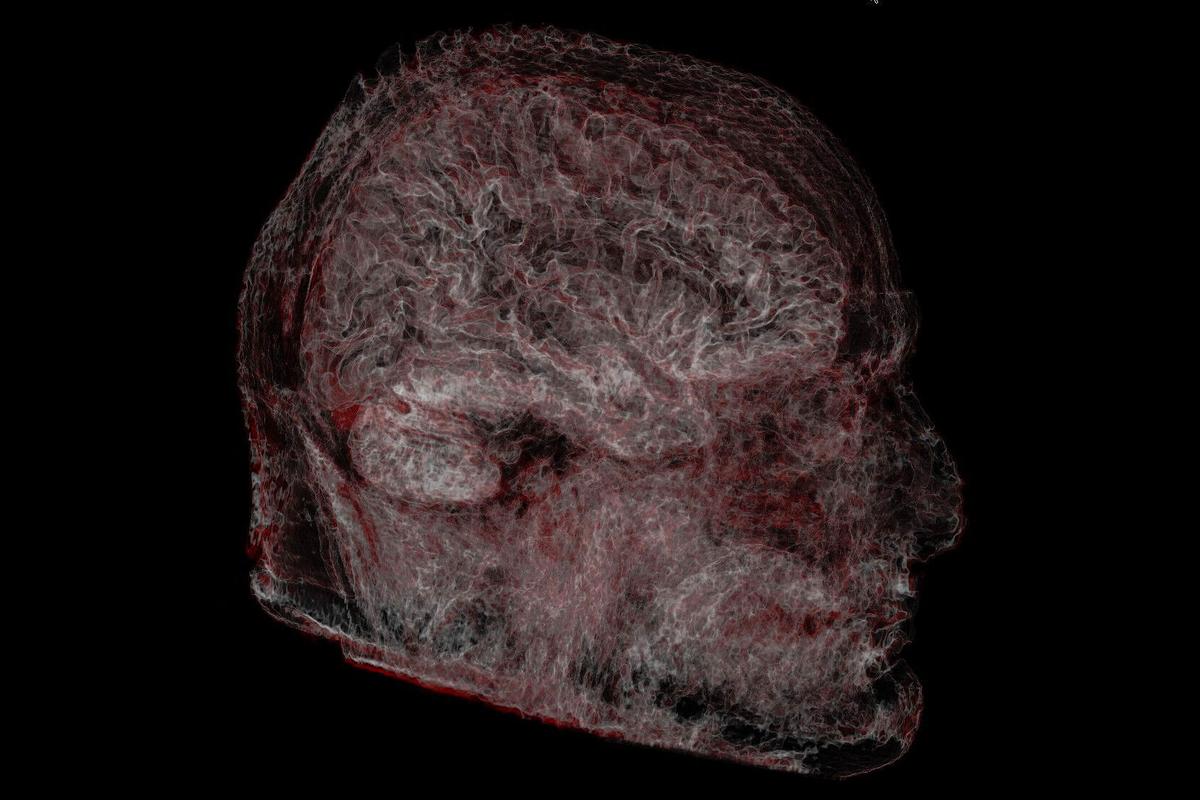
2 weeks agoDigital fruit fly brain model walks and cleans its feelers
The researchers at Eon Systems have taken several pre-existing components: a fruit fly brain scan, a tool for modelling neurons, a model of some of the fly's muscles and body, and a very simple virtual environment, connected them together and ran it. The team claims that the result displays some of the behavior of the real insect.
OMG science
fromMail Online
3 days agoScientists work out why the car you just overtook seems to reappear
Dr. Conor Boland explained that red-light timing can erase small speed advantages, allowing a slower car to catch up again and again. He noted, 'You pass a car, and then a few minutes later, it ends up beside you again.' This phenomenon is partly psychological, as we remember surprising moments when the same car shows up again, but it is also built into how traffic works.
Psychology
#biological-computing
OMG science
fromwww.theguardian.com
2 weeks agoA petri dish of human brain cells is currently playing Doom. Should we be worried?
Scientists have created biological computers using lab-grown human brain cells that learn to play video games, demonstrating neural tissue can process information and adapt behavior in digital environments.
Science
fromTheregister
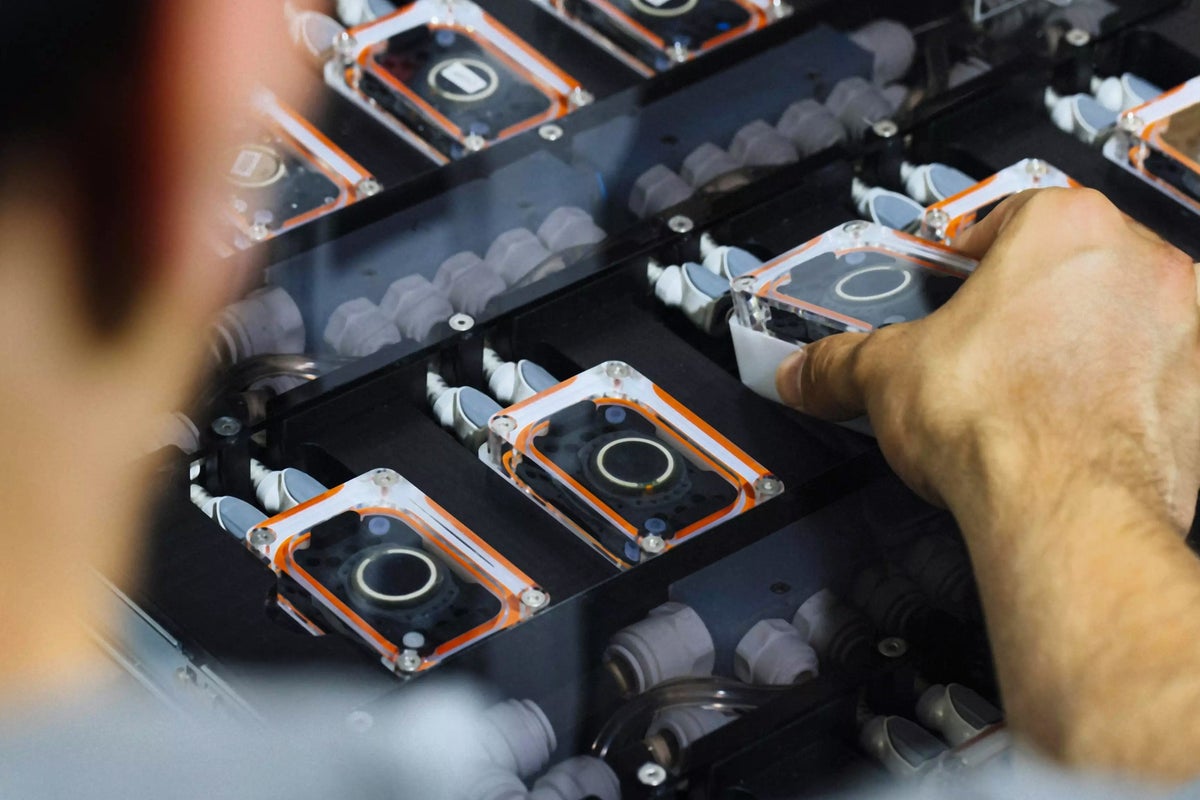
3 weeks agoInside datacenter where day starts with cerebrospinal fluid
Cortical Labs operates biological computers powered by living neurons that require daily maintenance with cerebrospinal fluid and precise atmospheric conditions to function and learn faster than classical computers while consuming less energy.

OMG science
fromwww.theguardian.com
2 weeks agoA petri dish of human brain cells is currently playing Doom. Should we be worried?
Scientists have created biological computers using lab-grown human brain cells that learn to play video games, demonstrating neural tissue can process information and adapt behavior in digital environments.
Science
fromTheregister
3 weeks agoInside datacenter where day starts with cerebrospinal fluid
Cortical Labs operates biological computers powered by living neurons that require daily maintenance with cerebrospinal fluid and precise atmospheric conditions to function and learn faster than classical computers while consuming less energy.
US news
fromwww.npr.org
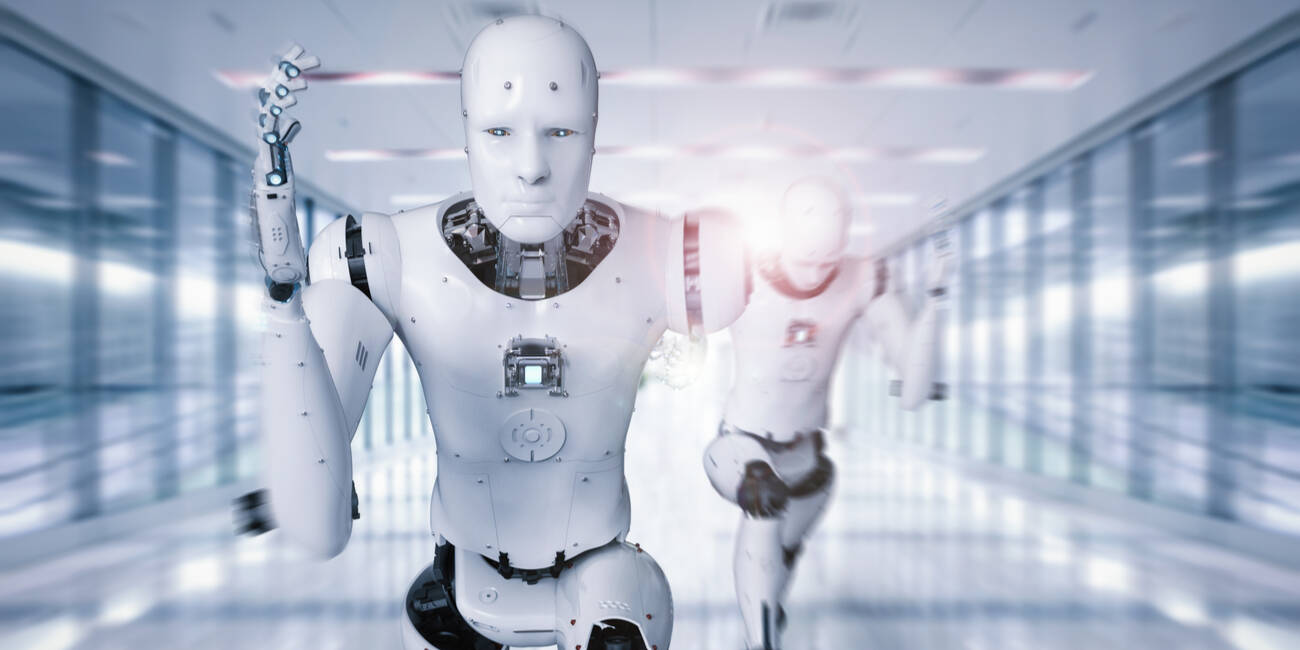
1 month agoScientists make a pocket-sized AI brain with help from monkey neurons
Scientists compressed an AI visual system model from 60 million to 10,000 variables while maintaining performance, revealing how biological brains achieve efficiency and potentially advancing both neuroscience and artificial intelligence.
#brain-computer-interfaces
Medicine
fromNature
2 weeks agoDaily briefing: China approves world-first brain-computer interface device
China approved the first brain-computer implant outside clinical trials for paralyzed patients, while US courts blocked vaccine schedule changes and AI leaders warn against manipulative chatbot design.
Medicine
fromNature
2 weeks agoDaily briefing: China approves world-first brain-computer interface device
China approved the first brain-computer implant outside clinical trials for paralyzed patients, while US courts blocked vaccine schedule changes and AI leaders warn against manipulative chatbot design.
Psychology
fromSilicon Canals
6 days agoHighly intelligent people often don't realize it but psychology says the way they experience boredom is fundamentally different from most people - Silicon Canals
Boredom manifests differently in highly intelligent individuals compared to those needing external stimulation, requiring distinct resolutions.
Science
fromFuturism
2 weeks agoResearchers Upload Fly's Brain to Matrix, Let It Control Virtual Body
Eon Systems created a computational model of a fruit fly's 125,000 neurons and 50 million synapses that exhibits multiple behaviors in a virtual environment with 95% accuracy in predicting motor behavior.
Artificial intelligence
fromThe Verge
2 weeks agoThis is not a fly uploaded to a computer
Eon Systems claimed to create a digital fly brain emulation, but provided no scientific verification, peer review, or detailed methodology—only social media videos that generated hype through influencer endorsements.
fromFast Company
1 month agoOur brains are wired to ignore information. Here are neuroscience-backed tips for communicating memorably
The human brain is engineered to ignore most of what it sees and hears, according to the neuroscientists I interviewed for the audio original Viral Voices. If that's the case, how are you supposed to make a memorable impression? The empowering news is that if you understand how the brain works, what it discards, and what it pays attention to, you'll be far more persuasive than you've ever imagined. Persuasive people have influence in their personal and professional lives.
Philosophy
Science
fromNews Center
1 month agoLiving 'Mini Brains' Meet Next-Generation Bioelectronics - News Center
Scientists developed a soft 3D electronic mesh that wraps around human neural organoids, enabling comprehensive mapping and manipulation of neural activity across entire miniature brain structures for the first time.
fromFuturism
2 months agoScientists Preparing to Simulate Human Brain on Supercomputer
The team, which is being led by Jülich neurophysics professor Markus Diesmann, will leverage the Joint Undertaking Pioneer for Innovative and Transformative Exascale Research (JUPITER) supercomputer for their simulation. JUPITER is currently the fourth most powerful supercomputer in the world according to the TOP500 list, and features thousands of graphical processing units. The team demonstrated last month that a " spiking neural network " could be scaled up and run on JUPITER, effectively matching the cerebral cortex's 20 billion neurons and 100 trillion connections.
Science
Science
fromHarvard Gazette
2 months agoWant to speed brain research? It's all in how you look at it. - Harvard Gazette
SmartEM uses machine learning to guide common single-beam scanning electron microscopes in real time, increasing scanning speed sevenfold and democratizing high-resolution connectomics.
fromPsychology Today
1 month agoDaily Prophets: How Your Brain Predicts the Future
I am a worrier, and have been for most of my life. At some point, someone dear and smart teased me that I worry about the wrong things. The things that hit me, she noted, were never the things I worried about. For a while that left me feeling like an incompetent worrier-until my research caught up. I realized that the things I worry about often don't end up hurting me precisely because worrying helps me diffuse them ahead of time.
Psychology
fromFast Company
2 months agoHow to train your brain like your muscles, according to a neurologist
It might come as a surprise to learn that the brain responds to training in much the same way as our muscles, even though most of us never think about it that way. Clear thinking, focus, creativity, and good judgment are built through challenge, when the brain is asked to stretch beyond routine rather than run on autopilot. That slight mental discomfort is often the sign that the brain is actually being trained, a lot like that good workout burn in your muscles.
Science
fromBig Think
2 months agoComputational model discovers new types of neurons hidden in decade-old dataset
There was a group of neurons that predicted the wrong answer, yet they kept getting stronger as the model learned. So we went back to the original macaque data, and the same signal was there, hiding in plain sight. It wasn't a quirk of the model - the monkeys' brains were doing it too. Even as their performance improved, both the real and simulated brains maintained a reserve of neurons that continued to predict the incorrect answer.
Science
fromPsychology Today
1 month agoAI-Decoded Brain Signals May Help Paralyzed Regain Movement
Artificial intelligence (AI) machine learning is making a difference in assistive technology to help restore movement for the paralyzed. A new study in the American Institute of Physics journal APL Bioengineering shows how AI has the potential to restore lower-limb functions in those with severe spinal cord injuries (SCIs) by identifying patterns in brain signals captured noninvasively via electroencephalography (EEG).
Artificial intelligence
[ Load more ]