Beer
fromPUNCH
1 day agoWhy the Craft Beer Scene Is Better Now Than Ever | PUNCH
Craft beer culture is evolving, with a return to its roots despite recent industry challenges and declining trends.
After getting engaged in 2013, we started kicking around a wild idea: What if we moved back and revived the prohibition-era distillery his family had owned three generations back? The family business had been passed down for decades until it closed in 1919 due to prohibition. In particular, we had on our hearts Andy's dad, who died of cancer in 2010, but had always said, 'Don't move home unless you have a real good reason to.' This felt like it just might be that real good reason.
In 2014, Leon opened his brewery's first location inside a tiny warehouse space in the city's north-east. It was good timing. All over North America, millennials were going crazy for craft beer, and in Alberta, the government had recently changed rules to help microbreweries get their product to market. "There was a huge thirst in Alberta for craft beer," said Leon, who recalls getting emails about new breweries opening nearly every week. "It was a pretty wild time."
The venture capital industry fought for years to persuade state lawmakers to impose strict restrictions on noncompete agreements. The VC crowd eventually succeeded in 2018, with the Massachusetts Legislature adopting a one-year limit on all noncompetes - contracts that prevent employees from working for a rival for a certain period of time, often in a specific region. And they were outlawedoutright for lower-paid hourly workers.
Chris Buck isn't your typical home brewer - he's a virologist at the National Cancer Institute, known for discovering several human polyomaviruses, a family of viruses linked to cancers and serious infections in people with weakened immune systems. Buck's day job involves developing vaccines against these viruses, but he took things in an unexpected direction: using yeast engineered to produce viral proteins, he brewed a beer that delivered those proteins orally.
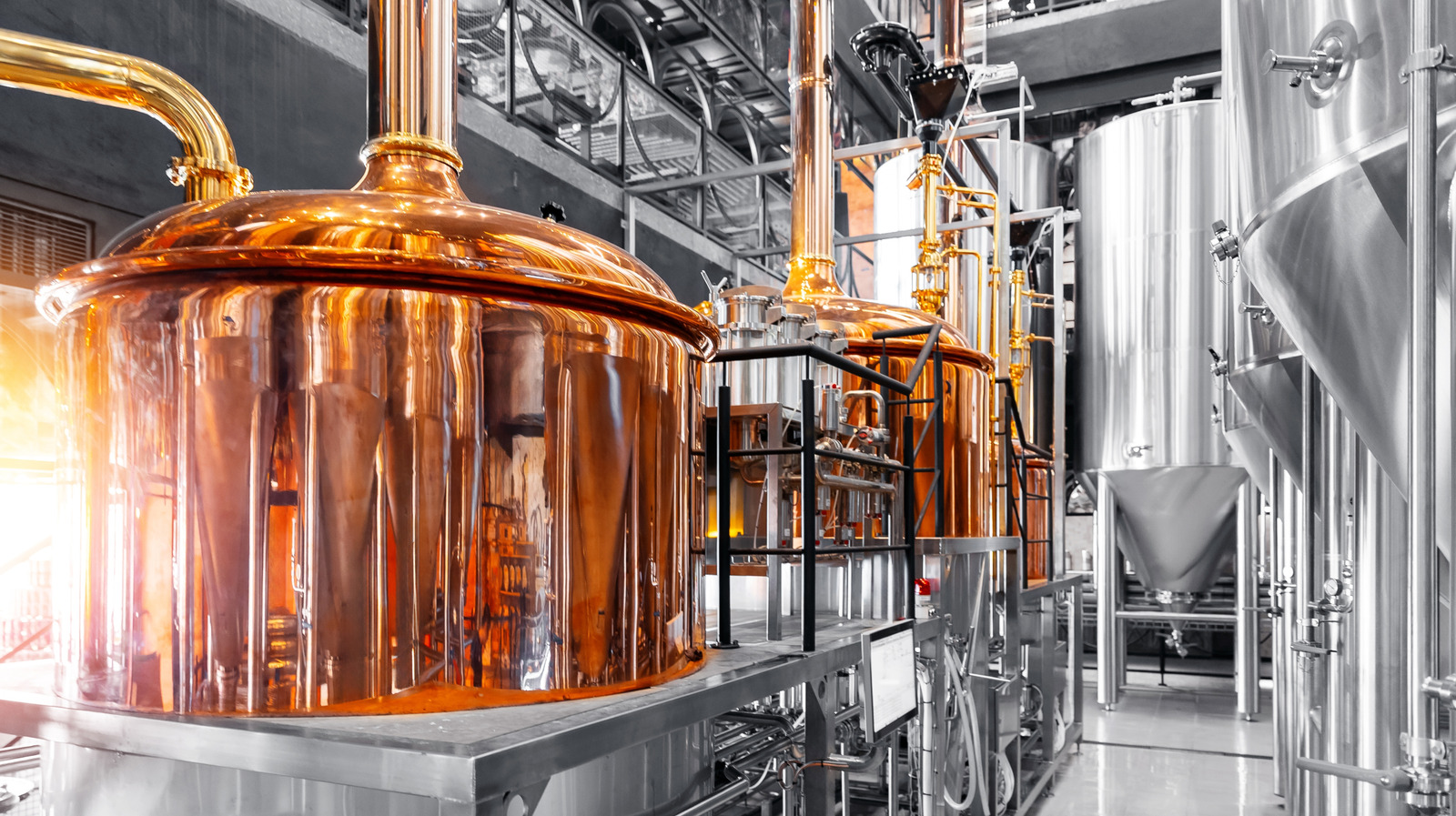
No trip to the brewery is complete without sampling the wares. Even if it's a place you visit regularly, you'll likely want to sample most of what it has to offer at least once. But while a greater variety may seem more enticing, it can also signal a potential red flag. Every kind of beer they have on tap means another tap that needs to be maintained. The more tap lines they have, the more likely it is that maintenance or cleaning gets neglected.
After a lengthy delay that included much fretting among industry insiders, the 2025-2030 Dietary Guidelines for Americans (DGA) were unveiled earlier this month. Any fears that anti-alcohol activists had infiltrated the quinquennial process were eased, as the new guidelines preach moderation over specific daily drink allowances. Beer Marketer's Insights senior editor Christopher Shepard, who has followed the process closely, joined the Brewbound Podcast to discuss the DGA, the fraught path to publication and what this could mean for brewers.