#brick-and-ceramic-design
#brick-and-ceramic-design
[ follow ]
fromYanko Design - Modern Industrial Design News
5 days agoBREMEN Turns a Broom Into a Guitar and a Desk Into a Piano - Yanko Design
BREMEN is designed to change the way people interact with music by allowing everyday objects to become actual instruments, thus removing traditional barriers to music-making.
Berlin music
#home-renovation
Renovation
fromIndependent
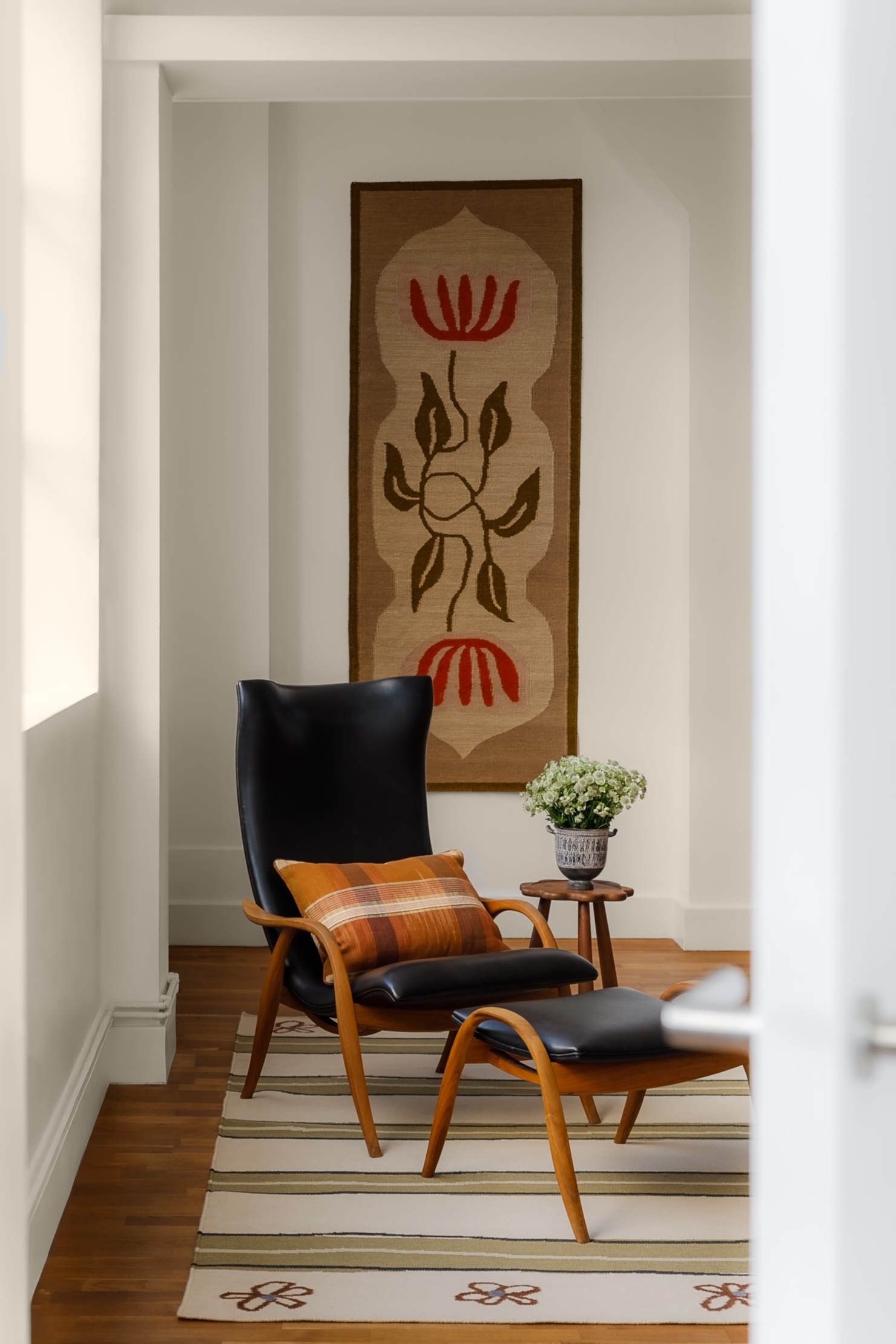
19 hours agoMy favourite room: 'The thought of being chosen for Home of the Year went from being a joke to being a great motivator' - Inside Finbarr Collins' Stoneybatter remodel
Finbarr Collins transformed his neglected Dublin home into a contender for Home of the Year after initially tagging the show on Instagram.


Arts
fromYanko Design - Modern Industrial Design News
2 weeks agoJanny Baek's Ceramics Look Like They're Still Evolving - Yanko Design
Janny Baek's ceramic sculptures deliberately maintain ambiguity and incompleteness, appearing caught mid-transformation as though unfinished by the kiln, creating visually arresting forms that suggest multiple organic possibilities simultaneously.
fromLos Angeles Times
15 years agoModern notes grace a historic pedigree
Designed by noted residential architect Roland E. Coate, the home was built in 1926 for Annie Wilson, daughter of pioneering Southern California businessman and politician Benjamin Wilson, for whom Mt. Wilson is named. The gently sloping 1-acre-plus property was once part of the vast holdings of George S. Patton, father of the famed U.S. general.
LA real estate
#sustainable-architecture

Design
fromdesignboom | architecture & design magazine
3 days agoreversible cultural pavilion activates public space in frankfurt 2026
Spain's pavilion for World Design Capital 2026 emphasizes reversible cultural infrastructure and sustainable design through innovative materials and construction methods.
Design
fromYanko Design - Modern Industrial Design News
5 days agoBiomimetic Architecture Reaches New Heights With This Bird-of-Paradise Yoga Space - Yanko Design
Thilina Liyanage's architecture translates animal gestures into functional designs, exemplified by the Rifle Bird Yogashala inspired by the Victoria's riflebird's courtship display.
Renovation
fromArchDaily
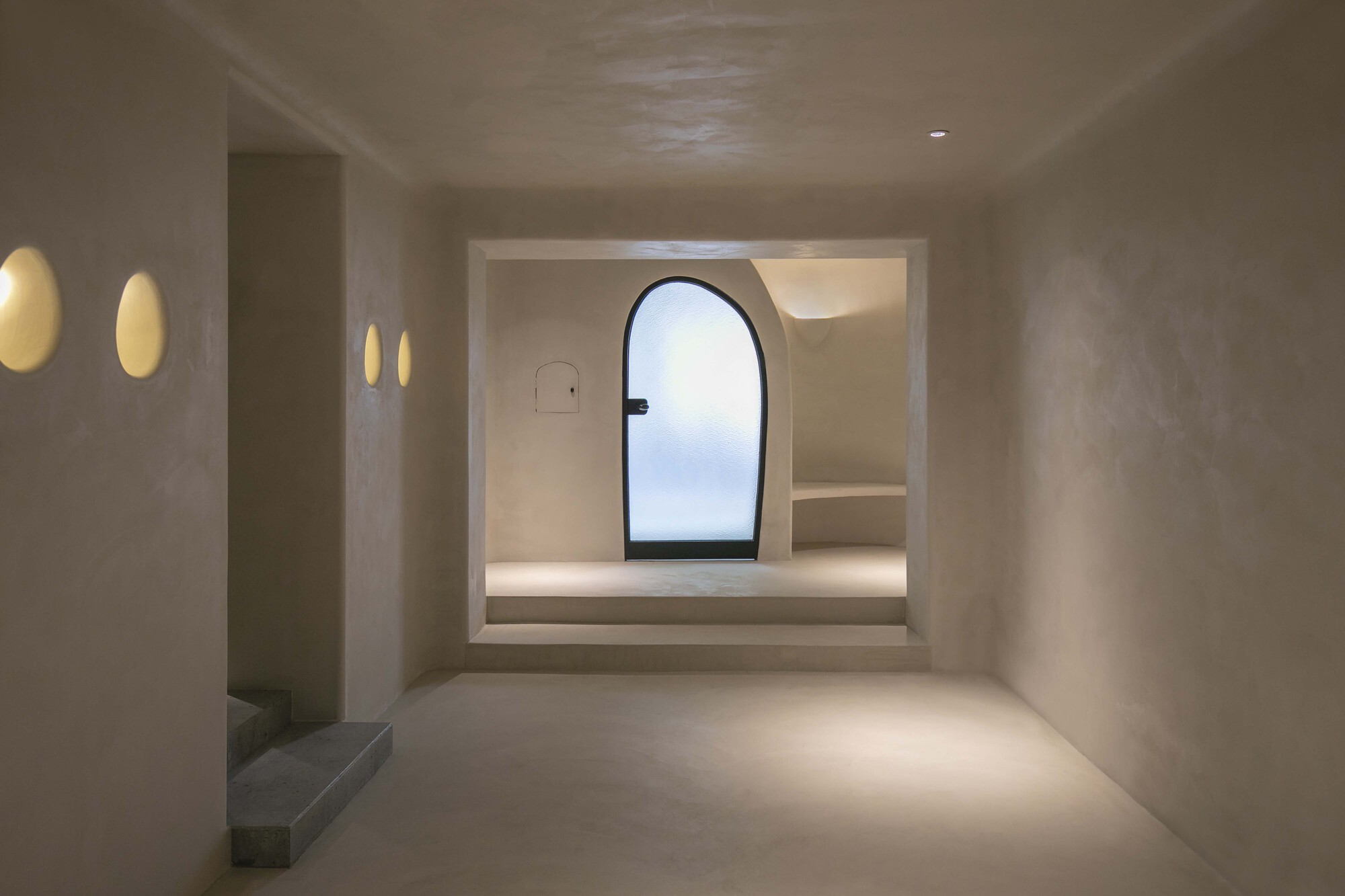
2 weeks agoTransforming a Concrete Shell into a Wooden Interior Shaped by the Sea
A Mediterranean harbor house renovation transforms a raw concrete shell into a material-driven interior that echoes maritime atmosphere through spatial organization, natural materials, and carefully controlled views of the surrounding landscape.
fromArchDaily
2 weeks agoCarlo Ratti Associati Designs Buzzi Heritage Cultural Center in Italy With the New Digital Construction System
The project examines the integration of digital fabrication processes into reinforced concrete construction, highlighting that while materials such as steel and timber have undergone significant transformation through digital production methods, reinforced concrete has largely retained conventional casting techniques. The proposal aims to address this condition by incorporating digitally fabricated components into the construction system.
Renovation
fromArchDaily
3 weeks agoBuilding with Earth: Traditional Knowledge in Contemporary Architecture
Rather than representing a simple return to the past, this renewed interest reflects a broader reconsideration of how architecture engages with materials, local resources, and environmental conditions.
Renovation
fromdesignboom | architecture & design magazine
2 weeks agovernacular bridge craftsmanship informs micro-museum set within bamboo grove in china
Baqiao bridges, including the nearby Shisanba Bridge, typically appear in areas where the difference between river level and embankment is relatively small. Their upstream piers are shaped like tapered spindles with slightly raised tips, creating a distinctive structural profile. Stone slabs span between the piers, forming a bridge deck assembled through interlocking construction methods.
Design
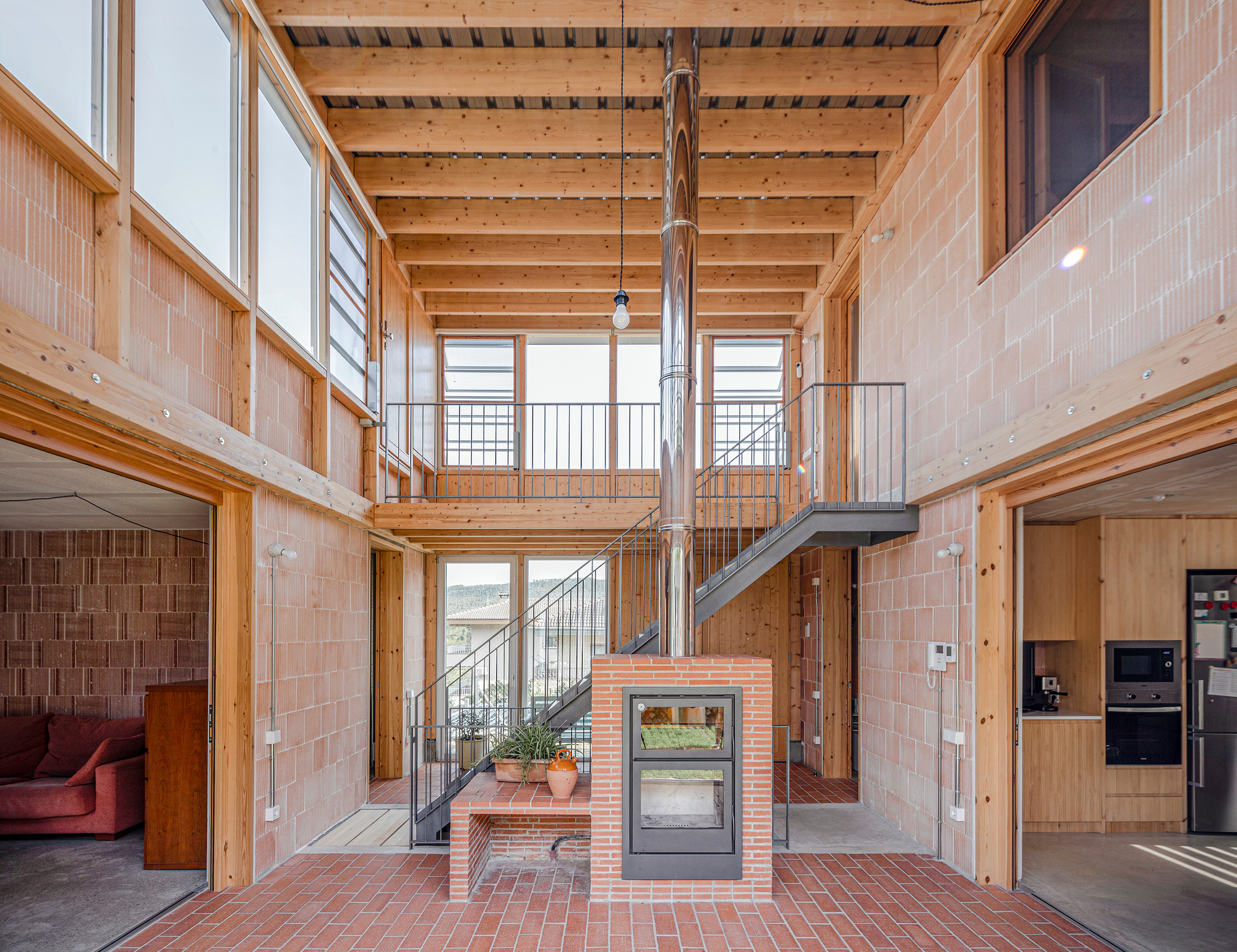
fromwww.archdaily.com
3 weeks agoGuangdong Brick House / WUWU Atelier, ADINJU
Rural construction is mostly spontaneous, giving rise to a rich diversity of built forms. Within this organic complexity, our strategy is not to assert ourselves through contrast, but to inhabit the context with quiet modesty.
Renovation
fromdesignboom | architecture & design magazine
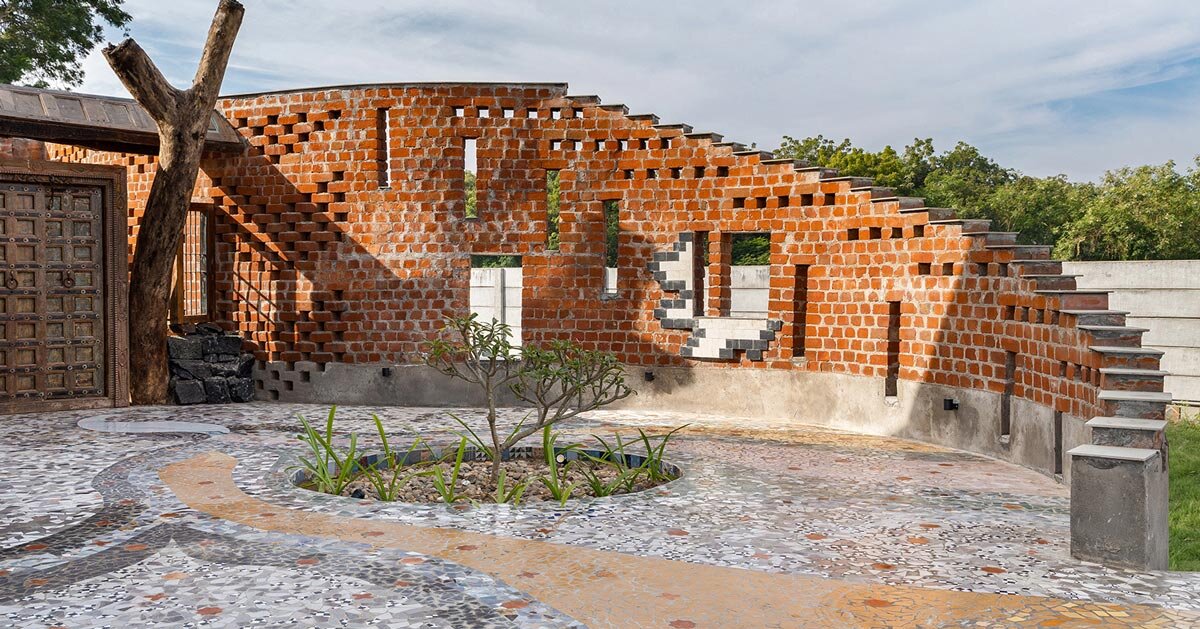
2 weeks agoopen-air museum revives an industrial past through reclaimed materials and sound
The design by 1Y Architects approaches this silence as material rather than absence. Instead of clearing the debris scattered across the site, the team gathered bricks, concrete fragments, and broken tiles from former factory buildings. These remnants form the structural fabric of the sound museum itself.
Design
Design
fromYanko Design - Modern Industrial Design News
3 weeks agoBentu Just Built Furniture From Cities That No Longer Exist - Yanko Design
Bentu Design transforms urban demolition rubble into furniture through 3D printing, achieving 85% waste utilization while preserving the physical and cultural memory of demolished communities.
Design
fromApartment Therapy
3 weeks agoDesigners Are Done Perfectly "Matching" Their Marble - Here's the New Way to Use Stone
Modern stone design in 2026 prioritizes mixing different stones intentionally with varied finishes and embracing natural patina, replacing the outdated approach of matching all stone surfaces uniformly throughout spaces.
Design
fromwww.archdaily.com
1 month agoArchitecture as a Platform: What Makes a Building Evolve?
Architecture increasingly adopts product design principles, prioritizing operational clarity, performance, and scalability over novelty, making buildings accountable for functionality and consistent user experience.
Design
fromdesignboom | architecture & design magazine
1 month agoa cluster of terracotta-tiled pyramidal houses envelopes kindergarten in italy
Kinder Rain is a kindergarten designed as a small village with pyramidal classroom volumes arranged around open courtyards, drawing from Veneto vernacular architecture and creating interconnected learning spaces.
fromdesignboom | architecture & design magazine
2 months agoterracotta tiles clad wild souls clean-eating venue's exterior by studiomateriality in athens
Wild Souls is a clean-eating venue designed by studiomateriality and located at the corner of two busy streets in the Kolonaki district of . Positioned within a dense urban context, the project integrates into the city's daily movement while establishing a clear architectural identity at the street corner. The exterior is fully clad in terracotta tiles, giving the building a consistent material presence on all visible .
Design
fromArchDaily
2 months agoFrom Industry to the Living Room: Metal Furniture in Interior Architecture
How did a material conceived for bridges, factories, and large-scale structures make its way to the living room bench, the apartment bookshelf, the café table? For centuries, metal was associated with labor, machinery, and monumentality-from the exposed structures of 19th-century World's Fairs to the productive logic of modern industry. Its presence in domestic interiors is not self-evident but rather a cultural achievement: the transformation of an industrial material into an element of everyday, intimate use, in close proximity to the body.
Design
fromdesignboom | architecture & design magazine
1 month agoindustrial components assemble glowing clock-house by drawing architecture studio in china
Drawing Architecture Studio presents The Clock House No.2 at the 7th Shenzhen Bay Public Art Season in Shenzhen, Guangdong Province, China, on view until April 19th, 2026. Commissioned for the public art program, the Beijing-based practice reinterprets the historical automaton clock as architecture, using low-cost industrial components to construct a structure that chimes and glows every fifteen minutes. Where the clocks once gifted to emperors represented technical virtuosity and expensive craftsmanship, this installation adopts a deliberately rough and economical construction.
Design
fromdesignboom | architecture & design magazine
2 months agowallmakers sculpts sinuous kulhad pavilion from disused terracotta cups in india
Kulhads, also known as terracotta mud cups, once defined the everyday ritual of tea at railway stations across India. Used briefly and discarded soon after, they accumulated along tracks and coastlines, leaving a quiet record of consumption. For this pavilion, more than 18,000 of these cups were gathered from local communities in Dharavi and reused as a building material with structural purpose.
Design
fromCurbed
1 month agoWhen the Ashtray Was Everywhere
When was the last time you saw an ashtray filled with stubbed-out Marlboros at a friend's apartment? At a restaurant? For some of us, the answer may very well be "never." Maybe that's the charm of the International Museum of Dinnerware Design's new exhibition on ashtrays - invoking an era before health codes and Mayor Bloomberg. Or reaching back even further, when you might see a Similac-branded ashtray in the office of your OB/GYN.
Design
[ Load more ]