#brionvega
#brionvega
[ follow ]
#design #product-design #innovation #furniture-design #industrial-design #apple #technology #interior-design
#milan-design-week
Berlin
fromdesignboom | architecture & design magazine
2 weeks agodesignboom takes over me milan il duca with 'room for dreams' at milan design week 2026
Milan Design Week 2026 features ROOM FOR DREAMS, transforming ME Milan Il Duca into an immersive exploration of dreams as tools for design and social change.
fromTasting Table
3 days ago10 Retro Appliances We Rarely See In Kitchens Today - Tasting Table
Iceboxes were large lined, insulated wooden cupboards built to store ice, food, and drinks. The ice would usually be placed on the upper shelf, with the food and drinks below, and the cool air from the melting ice would help to keep everything nice and chilled.
Everyday cooking


fromFast Company
6 days agoHow KitchenAid updated its legendary kitchen mixer without sacrificing its design
"We're in a unique spot here because we are really attached to the silhouette. We really don't want to change the outside, which is a challenging engineering function when you say no, the package is fixed," says Joseph Snyder, a system architect at KitchenAid.
Renovation


fromDesign Milk
1 week agoMara Bragagnolo Unveils New Satinine Space in Milan
The care and attention to detail that is evident throughout the space, combined with the provenance of the hands that created it, marks Oficina Milanese as distinctly respectful and enduring of the surrounding streets.
SOMA, SF
fromRemodelista
6 days ago11 Design Lessons from Eileen Gray's E-1027 in Roquebrune-Cap-Martin, France - Remodelista
E-1027 is one of the most perfect examples of modernist architecture, with its hyper-functional design and nonexistent ornamentation, minimalist yet thoughtful and deeply attuned to its environment.
Renovation
#furniture-design
fromYanko Design - Modern Industrial Design News
1 week agoSoft Means Spoiled, and That's Actually Brilliant - Yanko Design
The handle, made of frosted silicone with a clean, pill-shaped profile, changes its physical firmness based on the freshness of the food stored inside the refrigerator. When everything's fine in there, the handle feels firm to the touch. When something is going bad, it softens.
Gadgets
fromYanko Design - Modern Industrial Design News
5 days agoBREMEN Turns a Broom Into a Guitar and a Desk Into a Piano - Yanko Design
BREMEN is designed to change the way people interact with music by allowing everyday objects to become actual instruments, thus removing traditional barriers to music-making.
Berlin music
Music
fromYanko Design - Modern Industrial Design News
3 weeks agoForget Spotify: These 5 Designer Turntables Are the Real Reason Vinyl Is Having a Moment - Yanko Design
Vinyl's resurgence stems from listeners seeking intentional engagement with music through physical ritual rather than streaming's frictionless convenience.
fromArchDaily
2 weeks agoCarlo Ratti Associati Designs Buzzi Heritage Cultural Center in Italy With the New Digital Construction System
The project examines the integration of digital fabrication processes into reinforced concrete construction, highlighting that while materials such as steel and timber have undergone significant transformation through digital production methods, reinforced concrete has largely retained conventional casting techniques. The proposal aims to address this condition by incorporating digitally fabricated components into the construction system.
Renovation
#retro-design
Gadgets
fromYanko Design - Modern Industrial Design News
2 weeks agoPhilips Moving Sound line-up impresses with retro chunky form and peppy colors - Yanko Design
Philips launches Moving Sound retro-inspired audio lineup combining 1980s design aesthetics with modern Bluetooth technology and sustainable materials.
fromwww.archdaily.com
2 weeks agoBottega Bruzziches Headquarters / deltastudio
Benedetta, as in the best stories of craftsmanship and innovation, leaves her garage. The domestic space, which sheltered and inspired her for years, is no longer enough. Demand is growing. Ideas are multiplying, and with them, collaborators.
Renovation
Gadgets
fromYanko Design - Modern Industrial Design News
2 weeks agoGen Z Is Obsessed With These 5 Cassette-Era Gadgets & They Just Got a Full Design Upgrade for 2026 - Yanko Design
Streaming's abundance created a thinner listening experience; cassette-era design principles combined with modern technology offer a solution through intentional, tactile music consumption products.
#interior-design
Renovation
fromArchitectural Digest
3 weeks agoA Young Milanese Couple Restore Their New Apartment with Care-and Tons of Retro Fixtures
A Milanese couple preserved their 1960s apartment's original character while introducing contemporary design through selective updates and respectful restoration by designer Lucrezia Calvi.

Renovation
fromArchitectural Digest
3 weeks agoA Young Milanese Couple Restore Their New Apartment with Care-and Tons of Retro Fixtures
A Milanese couple preserved their 1960s apartment's original character while introducing contemporary design through selective updates and respectful restoration by designer Lucrezia Calvi.
Music
fromYanko Design - Modern Industrial Design News
1 month agoThese $40-$299 Cassette Players Just Crushed Spotify's Algorithm - Yanko Design
Cassette player searches have surged over 1,281%, driven by millennials and Gen Z seeking deliberate listening experiences away from algorithmic playlists and infinite streaming options.
Gadgets
fromYanko Design - Modern Industrial Design News
3 weeks ago7 Retro Handhelds So Good They Actually Beat Consoles - Yanko Design
Retro gaming handhelds have surged 400% in search interest, driven by consumers seeking simpler, portable alternatives to modern gaming's complexity and heavy installations.
fromArchitectural Digest
2 weeks agoRocco Forte Hotels Blends Art Deco Glamour With the Spirit of Dolce Vita in Its New Showpiece
I had to challenge my impulse to distill every line. I was feeling this desire to make work with a different kind of energy, a different kind of expressive force. It's about presenting these things I love about Murano and developing a frame for those gestures.
Design
fromDesign Milk
2 weeks agoCrisalide by Draga & Aurel Presents New Depths Within Glass
Glass, in particular, exists within a lineage of techniques that have changed surprisingly little over centuries. The furnaces may burn hotter and the tools may be refined, but the core dialogue between heat, gravity, and human hand remains remarkably intact.
Design
Gadgets
fromYanko Design - Modern Industrial Design News
3 weeks agoThis $959 Mini PC Looks Like an NES But Runs 70B AI Models - Yanko Design
The ACEMAGIC Retro X5 combines nostalgic 1980s console aesthetics with modern Windows 11 Pro performance, featuring AMD Ryzen AI 9 HX 370 processor, expandable storage, and comprehensive connectivity for serious computing tasks.
fromDesign Milk
3 weeks agoThis Pared Down Stereo System Takes-on Cubist Dimensions
In Braque's paintings, collages, and prints, the polymath set out to distill bucolic landscapes and rural village scenes as broken up and then re-assembled geometric compositions; decidedly abstract yet still slightly recognizable representations. Through this revolutionary approach, he examined how objects could be depicted from multiple perspectives-multiple sources of light-as if superimposed portrayals of the same setting rendered at different times of day.
Design
Design
fromYanko Design - Modern Industrial Design News
3 weeks agoThis 1970s Desk Organizer Works in Every Room But Your Office - Yanko Design
Joe Colombo's 1970 BOB desk organizer uses organic polyurethane gel design to elegantly solve storage through continuous form rather than visible compartments.
Gadgets
fromGSMArena.com
1 month agoTecno partners with Tonino Lamborghini for new smartphone and AIoT products
Tecno collaborates with Tonino Lamborghini to create premium devices combining Italian design aesthetics with advanced technology across smartphones, gaming devices, laptops, earphones, and tablets.
fromVulture
2 months agoObex Will Make You Nostalgic for Old Technology
What telling people to touch grass ignores, in part, is that grass is not all that good to touch. It's itchy and sticky - there could be bugs in there. There's a far more profoundjoyin touching machines, as is shown again and again in Albert Birney's Obex, which functions as both a shrine to and warning about our reliance on technology.
Film
fromBored Panda
2 months ago80 Vintage Ads That Show Which Values Changed And Which Stayed The Same Over Time
We might be exposed to more ads and commercials today than ever before in human history, but the idea of advertising itself is certainly not a new concept. According to Instapage, the first signs of advertisements actually appeared in ancient Egyptian steel carvings from 2000 BC. Meanwhile, the first printed ad was published in 1472, when William Caxton decided to advertise a book by posting flyers on church doors in England.
Marketing
fromYanko Design - Modern Industrial Design News
2 months agoThe Cutest (or Creepiest) Coffee Maker You'll Ever Own - Yanko Design
One of the things that is on my soon to buy for this year is a moka pot. I've been intrigued about this Italian way of brewing an espresso-like coffee through steam pressure. It's obviously cheaper than an actual espresso machine and some coffee lovers have said that it tastes even better since it's a more "natural" way of pulling the espresso shot.
Coffee
fromYanko Design - Modern Industrial Design News
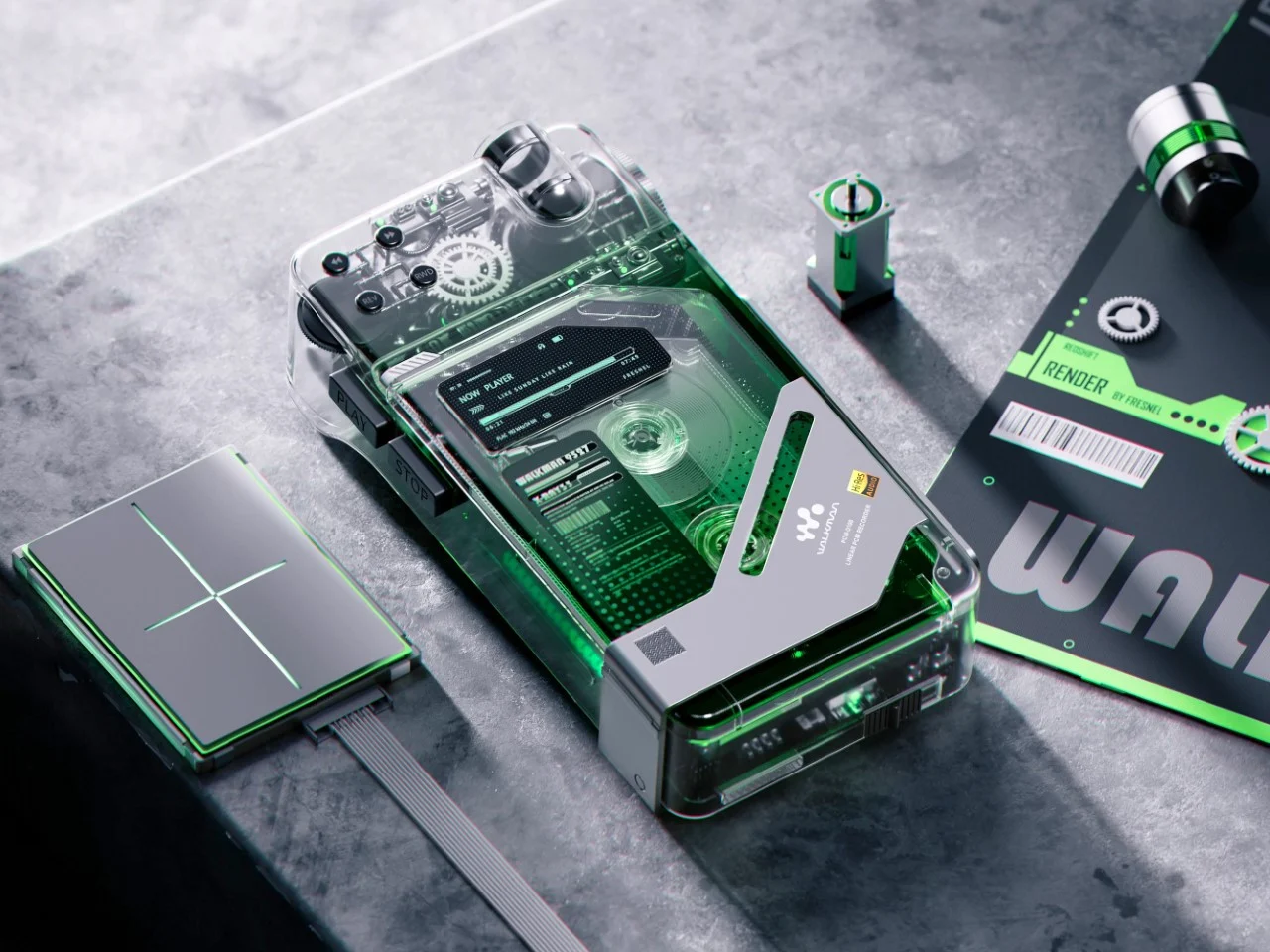
2 months agoThis retro-modern music player revives the hypnotic spin of cassette tapes - Yanko Design
For this time around, however, the concept player here stays within the audio listening gear domain; nonetheless, has clear signs of a TE-inspired design. The retro Bluetooth player is a music accessory that's reminiscent of the classic cassette tape player design, but on the inside, it's a modern music player that plays music wired or wireless. The aesthetics are purely for arousing the nostalgic feel of listening to music on a cassette player, while the audio is digitally played via a DAC for high-resolution output.
Music
fromYanko Design - Modern Industrial Design News
1 month agoFrom Magnetic Modules to Neon Lights: TECNO's Wild Phone Concepts - Yanko Design
The most developed concept is the Modular Magnetic Interconnection Technology, which lets you snap hardware modules onto the phone magnetically. Telephoto lenses, action cameras, extra battery packs, and over a dozen other components can attach and detach as needed. TECNO presented two design versions: ATOM, with a clean white-and-red palette built around the idea of efficient, intentional use, and MODA, which takes the same modular logic but wraps it in a bolder, more aggressive look.
Design
Gadgets
fromYanko Design - Modern Industrial Design News
1 month agoGorgeous Audio-Technica Turntable Concept is worthy of being in an Art Gallery - Yanko Design
A family of sculptural, T-shaped extrusion turntables reimagines vinyl playback as modern collectible objects in tabletop, wall-mounted, and vertical formats.
fromYanko Design - Modern Industrial Design News
2 months agoThe JVC Pyramid TV That Defined Retro Futurism in the 70s Now Wants to Be a LEGO Set - Yanko Design
Before flat screens colonized every wall and surface, televisions had personality. They came in wild shapes and bold colors, designed by people who believed consumer electronics could be sculpture. The JVC 3100R Video Capsule, produced throughout the 1970s, exemplified this philosophy. Its pyramid form and space-helmet aesthetic made it a favorite among collectors of "space-abilia," that peculiar category of objects inspired by Apollo missions and science fiction films.
Gadgets
Design
fromYanko Design - Modern Industrial Design News
1 month agoWhy Your Boring Black TV Deserves This Retro Wooden Upgrade - Yanko Design
A mid-century modern solid sapele wood TV cabinet offers authentic design, quality craftsmanship, storage for soundbar and consoles, sized for 32-inch TVs and cozy rooms.
fromYanko Design - Modern Industrial Design News
2 months agoSamsung's Retro OLED Cassette and Turntable Concepts Are Pure Nostalgia - Yanko Design
It takes the classic tape deck design and turns it into a smart speaker with two tiny 1.5-inch circular OLED displays. They're in that place where the spinning reels used to be, since this isn't exactly a cassette player. On the left, you get the playback controls and on the right side, you get a digital waveform or equalizer. Both screens are touch-sensitive, letting you interact directly with the device without constantly reaching for your phone.
Gadgets
fromYanko Design - Modern Industrial Design News
1 month agoThis Concrete Desk Clock Looks Like a 1980s CRT TV - Yanko Design
There's a particular kind of design intelligence that knows when to slow down. The Crydal Phantom Clock, designed by Daniel van der Liet, is one of those rare objects that rejects the frantic pace of modern consumer tech in favor of something more deliberate. It's a desk clock, yes, but calling it just a clock misses the point entirely.
Design
fromDesign Milk
1 month agoThe Rhapsody Speaker From Sonoforma Stands Out and Blends In
The power of sound is somewhat understated in our image-heavy culture, color and texture a huge part of how we understand design. Yet the tactile and audial are just as important, offering a depth of feeling - a responsiveness that is more than visual, it is somatic. A felt reverberation of sound, and the tactile qualities of it, are central to understanding Rhapsody, a new speaker from Canadian brand Sonoforma. Doubling as a guitar cabinet, founder Mike Nopper makes furniture for musicians, tuning in to the specific wants and needs of some of our most particular hobbyists and professionals. For audiophiles, speaker systems are a serious and complex issue. Rhapsody understands this importance: it's built to work like gear, and live like furniture.
Design
fromInverse
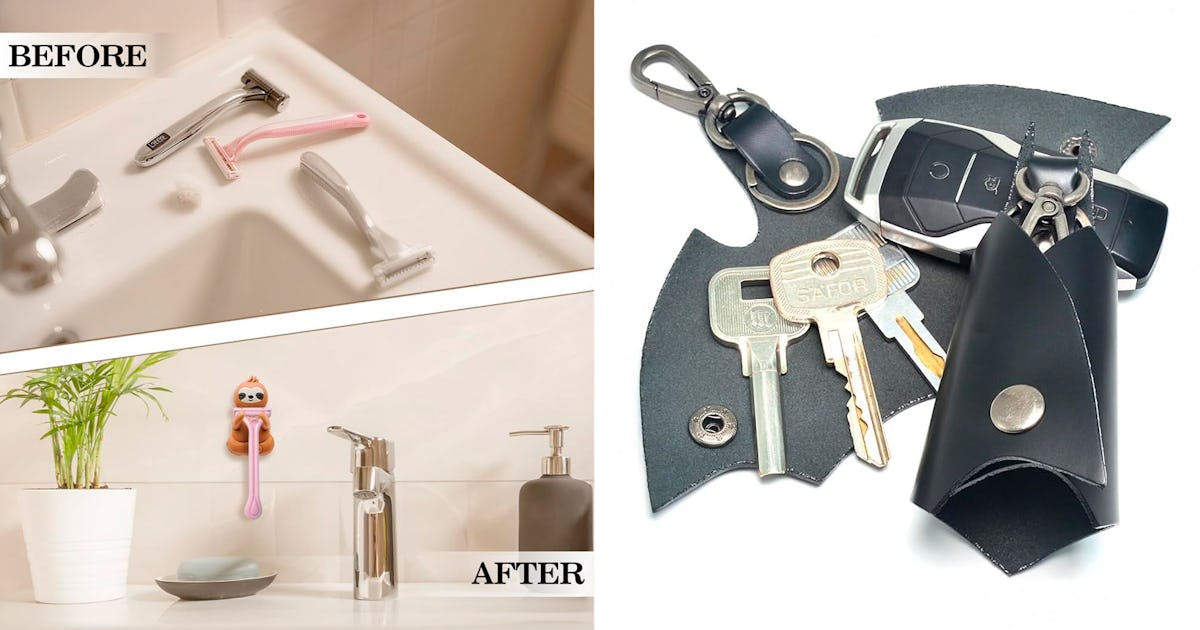
1 month ago55 Insanely Clever Things for Your Home That Seem So Bizarre
Some home products might look a little quirky at first, but when you see them in action, it's clear they solve those everyday annoyances that constantly drive you nuts - you know, cluttered cabinets, dark hallways in the middle of the night, remote controls that always go missing. That's why we carefully curated the list below. From small upgrades to inventions that feel straight-up genius, these picks will make a huge difference.
Gadgets
Design
fromYanko Design - Modern Industrial Design News
2 months agoWhen Your Speaker Is Also a Statement: The Tresound Mini - Yanko Design
Tresound Mini is a cone-shaped, minimalist desktop Bluetooth speaker prioritizing refined design, brand-product integration, and high-fidelity audio that blends into workspaces.
Gadgets
fromYanko Design - Modern Industrial Design News
2 months agoSony releases two new Bluetooth turntables to spark Gen Z's love for vinyl - Yanko Design
Sony introduced two easy-to-use Bluetooth turntables, PS-LX3BT and PS-LX5BT, targeting new vinyl listeners with wireless aptX codecs and built-in phono equalizers.
Gadgets
fromYanko Design - Modern Industrial Design News
2 months agoFender ELIE 6 Hands-on at CES 2026: Minimalist Nordic Design, 60W Of Serious Sound - Yanko Design
Fender's ELIE 6 blends minimalist Nordic design, real fretboard wood handle, and a three-driver audio system for surprisingly deep, tactile portable sound.
fromEsquire
2 months agoThese Portable CD Players Combine Modern Tech and Retro Tactility
Chances are this does exactly what you need. It will play your old CDs, your new CDs, your homemade mixtapes, the whole nine yards. You can even listen wirelessly thanks to onboard Bluetooth. It's got a decent battery life that can last you up to six hours, and it uses a USB-C to recharge. We usually have one of those on hand.
Gadgets
Gadgets
fromYanko Design - Modern Industrial Design News
1 month ago5 Tiny Products Gen Z Uses That Actually Replace Your Biggest Tech - Yanko Design
Gen Z pioneers tech minimalism by choosing compact, multifunctional, and stylish devices that reduce clutter while balancing power, portability, sustainability, and nostalgia.
[ Load more ]