#cadence-sensor-pas
#cadence-sensor-pas
[ follow ]


fromTNW | Startups-Technology
1 day agoWearable Robotics raises 5M to expand its arm exoskeleton
The ALEX RS is a bilateral upper-limb exoskeleton designed for post-stroke rehabilitation, covering 92% of the human arm's natural range of motion and is CE certified as a Class IIa medical device.
European startups
fromWIRED
1 day agoGarmin's Latest Training Features Fend Off the Advances of the Apple Watch
Food logging can be done in a few ways, including searching a database, scanning barcodes, or using AI-based camera analysis. Simpler items like eggs and fruit are identified well, but complex meals can be frustrating due to lighting and AI limitations.
Wearables
fromGSMArena.com
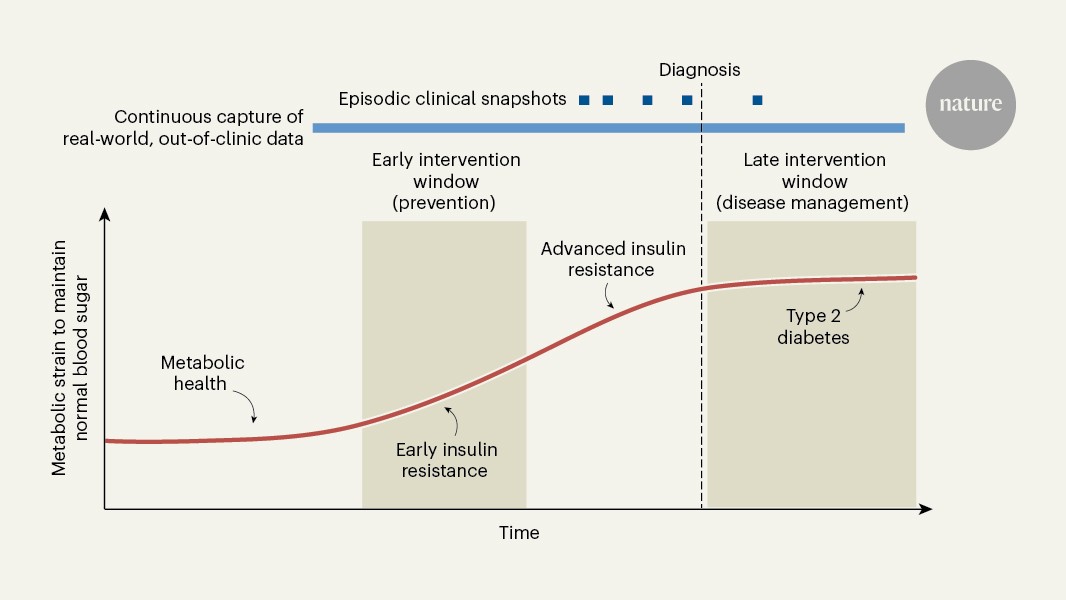
1 week agoThe Ultrahuman Ring Pro is now available for pre-order in the US, here's how to get a 10% discount
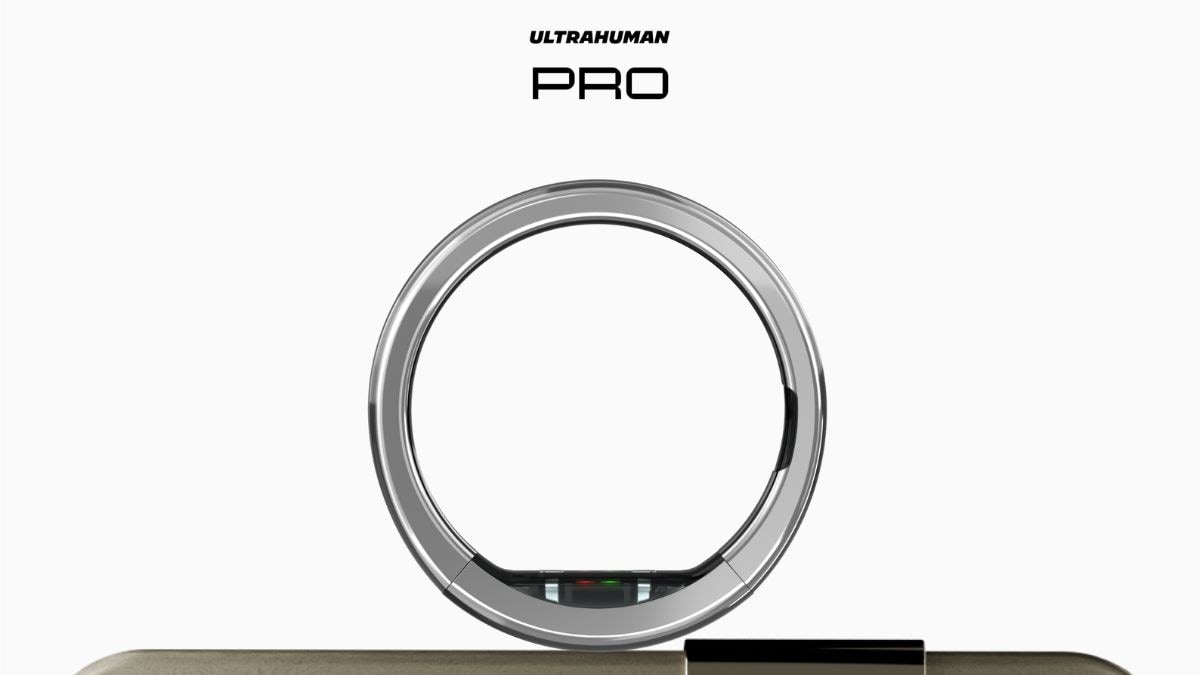
The Ultrahuman Ring Pro builds on the Ultrahuman Ring Air's features with several key improvements, including an impressive battery life of up to 15 days, which is more than twice as long as the Air.
Mobile UX


Women in technology
fromFuturism
2 weeks agoThis Video of a Humanoid Robot Playing Perfect Tennis Is Extremely Impressive
Chinese company Galbot developed software enabling a Unitree G1 humanoid robot to play tennis with sustained rallies, millisecond reactions, and precise ball striking against human opponents.

Artificial intelligence
fromIPWatchdog.com | Patents & Intellectual Property Law
1 month agoCool AI Patents of the Month: Real-Time Sports Insights and Smarter Vehicles
AI patents demonstrate rapid integration into sports broadcasting and autonomous vehicle technology, enabling real-time content generation and road condition analysis through multimodal data processing.
fromiRunFar
3 weeks agoAI-Powered Optimization: New Frontiers in Peak Running Performance
Super shoes and ultralight gear make a difference, but with new advancements in artificial intelligence (AI) that can look at our running form and compare it to the ideal, analyze our nutrition intake from a simple photo and help us plan our diets, and offer guidance on training and recovery, the interwovenness of technology and running is only set to increase.
Running
fromTheregister
1 month agoHarvard boffins crack the mystery of squeaky sneakers
The results showed that the squeaking sound is produced by wave-like patterns across the rubber surface, contacting and then releasing from the glass, allowing the sliding between the surfaces. The waves move across the interface between the two materials at a speed of nearly 300 kilometers per hour.
Science
Gadgets
fromEsquire
1 month agoThe Best Bone Conduction Headphones for Working Out
Shokz OpenRun bone conduction headphones deliver clear audio with minimal ear contact, though the 8-hour battery requires frequent charging for daily use, while the Pro 2 model offers improved sound and 12-hour battery life but reduced water resistance.
Running
fromiRunFar
3 weeks agoMany Small Leaps for Runnerkind: Wondering About Non-Linear Improvement in Running
Runners experience breakthrough moments where performance suddenly improves, often after returning to regular training or during consistent improvement phases, driven by accumulated physiological adaptations.
fromArs Technica
1 month agoThe physics of squeaking sneakers
Tuning frictional behavior on the fly has been a long-standing engineering dream. This new insight into how surface geometry governs slip pulses paves the way for tunable frictional metamaterials that can transition from low-friction to high-grip states on demand.
Science
Gadgets
fromdesignboom | architecture & design magazine
1 month agobike with one multi-directional ball rolls the riders to where they lean
James Bruton created a single-ball omnidirectional bike controlled by rider lean, using three omni wheels with 216 bearings and brushless motors for multi-directional movement.
Health
fromZDNET
1 month agoThe Apple Watch missed my hypertension - but this blood pressure wearable caught it instantly
High blood pressure affects nearly half of US adults and causes over 1,000 deaths daily, making it a significant health threat that wearable devices like Apple Watch can help detect through continuous monitoring.
Wearables
fromZDNET
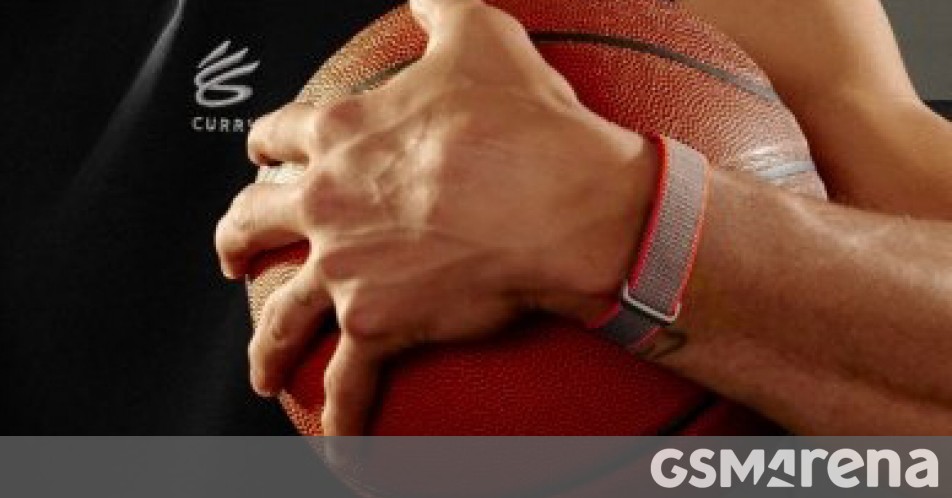
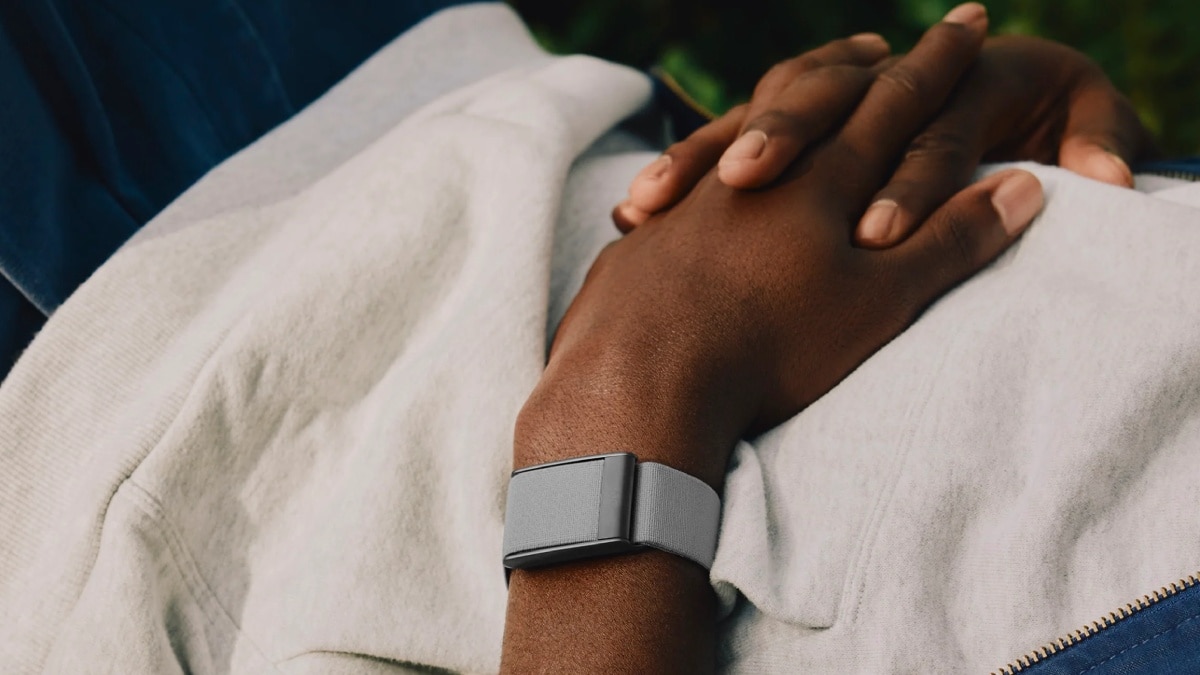
2 weeks agoI wore the Whoop 5.0 for a month - it combines the best of the Oura Ring and Apple Watch
Whoop launched the 5.0 and MG health trackers to reach broader consumers, featuring blood pressure monitoring, ECG detection, and clinician-reviewed blood testing through Advanced Labs.
fromNature
1 month agoThe surprising science of squeaky sneakers
Squeaking occurs across various contexts including shoes, bike brakes, rubber tires, and biomedical implants when soft and hard surfaces contact each other. Researchers used high-speed photography to study a rubber block sliding across hard acrylic to identify the source of these sounds. The investigation revealed that pulses similar to earthquake dynamics drive the squeaking phenomenon.
Science
fromInsideHook
1 month agoAre You in Alignment? How to Unlock Pain-Free Movement.
The brain is the conductor of the orchestra, the muscles are the instruments. When your body is out of alignment, the orchestra is playing out of tune. Misalignment in the musculoskeletal system is frequently the root cause of chronic pain and the resulting poor posture.
Health
fromWIRED
3 weeks agoThe Fort Strength Training Wearable Tracks Your Sets
We use the IMU sensors to detect which exercise the user is performing and identify the period engaging in concentric, eccentric, or isometric hold. These are the three main types of lifting exercises; you might know them as contracting, lengthening, or static exercises. The Fort uses the wrist as a proxy for bar velocity, and the company is seeking FDA clearance and will also be pursuing large, third-party studies from independent labs.
Wearables
fromYoga Journal
2 months agoIf Fitness Tracking Exhausts You, You're Not Alone. Here's What to Consider Instead.
As someone who comes alive at 2 am and can easily sink into an hour-long vortex of consuming YouTube shorts, I started using an Oura ring to act as a sort of pseudo-parent. It's motivated me to stand up from my desk more often, swap my mid-day social media breaks for 20-minute meditations, and develop a more calming before-bed routine than letting one episode of Vanderpump Rules turn into three.
Yoga
fromIndependent
2 months agoBargain hunter: 11 wellness deals to save you money on workouts, supplements and gadgets
January might be coming to a close, but the focus on wellness doesn't have to die with it. If anything, it's a good time to check in with those 2026 goals and see what you want to prioritise for the rest of the year. To that end, we've gathered some of the best deals we've seen in the past few weeks that will help you tick off every good intention you set this month.
Wellness
fromThe Verge
1 month agoFitbit expands access to its AI health coach
Google announced on Tuesday that the public preview of Fitbit's AI personal health coach is rolling out to iOS users in the U.S. as well as both iOS and Android users in the UK, Canada, Australia, New Zealand, and Singapore. It initially launched in October, when it was only available in the U.S. on Android devices. To try out the feature, users need to have an active Fitbit Premium subscription and use a Google account to sign into the Fitbit app.
Tech industry
fromUnofficial Networks
1 month agoThe Future Of Boot Fitting Has Arrived
Rather than waiting until you arrive in a ski village or going out of your way to drive into the mountains, Boot Solutions is introducing a process in which you simply scan your feet and they do all the fitting remotely. Overall it seems pretty simple. You use the Boot Solutions app on on your phone to take a medical grade 3D scan of both feet and the company offers you plans from there.
Snowboarding
fromAbc
2 months agoIs it worth getting a desk treadmill to boost your steps?
Recent surveys estimate more than 6.7 million Australians - almost half of all workers, and the majority in Sydney, Melbourne and Canberra - work from home at least some of the time in paid or unpaid roles. With that increase in working from home, it's easy to spend too long sitting, which is now recognised as bad for our health.
Public health
fromwww.npr.org
1 month ago'E-bike for your feet': How bionic sneakers could change human mobility
The system, tested in prototype form by NPR at the company's headquarters, consists of fairly standard-looking sneakers with a carbon fiber plate running through the soles. These sneakers are attached at the back to close-fitting, 3D-printed titanium leg shells that cinch to the calves. The battery-powered contraptions, containing complex motors, sensors and circuitry, weigh a couple of pounds and look like something out of Terminator or RoboCop.
US news
fromInsideHook
1 month agoThis AI-Powered Home Gym Acts As Your Own Personal Trainer
I felt too intimidated to try weight lifting again on my own, but wanted to experience the benefits those gym workouts provide, which is quite different to my typical routine of pilates, tennis and pole. Simultaneously, I've been working toward a solid home gym situation (while understanding my limited space in a one-bedroom in Queens). I began investigating full out home gym tech, and AEKE stood out as the most exciting of the bunch, because it most similarly aligned with having a personal trainer. I tried out the AEKE Smart Home Gym K1 with the Bench.
Gadgets
fromiRunFar
1 month agoUnderstanding and Improving Hip Efficiency, Part 1
For runners, the hips can be one of the most confounding and frustrating parts of the physiological puzzle for efficient movement. Every runner knows how crucial hip strength is - and how mobile hips are essential for both fast and pain-free running. Yet healthy, happy hips remain elusive. For many of us, our hips stay stiff no matter how much we massage and stretch them.
Exercise
fromZDNET
2 months agoAre AI health coach subscriptions a scam? My verdict after testing Fitbit's for a month
What can AI do for my health? Before testing Google's revamped Fitbit Premium, powered by Gemini, I didn't believe it could do that much. Of course, I'm aware of the technology's ability to comb through large datasets to decode patterns. That's helpful for exercise, sleep tracking, or predicting illness or strain. It's one of the reasons I love using devices like smartwatches and smart rings to track my health.
Wellness
Bicycling
fromTheoldguybicycleblog
2 months agoWhy Fitness Cyclists Eventually Need a Bike Computer (Even If They're Not "Serious")
A dedicated bike computer remains reliable in heat, offers longer battery life, readable screens, accurate metrics, and seamless syncing, outperforming phones for frequent, longer rides.
fromWIRED
1 month agoAI, Fancy Footwear, and All the Other Gear Powering Olympic Bobsledding
Men's four-person bobsledding made its Olympic debut in Chamonix, France, in 1924; women's two-person bobsledding didn't enter the Games until 2002 in Salt Lake City. Women's monobob arrived in 2022. While the earliest bobsleds were made of wood, the sport has been synonymous with steel for years, although in recent decades it has been replaced by carbon fiber, which provides greater lightness and strength.
Science
fromYanko Design - Modern Industrial Design News
1 month agoA Sleep Tracker That Solves the "Creepy Gadget" Problem With Soft Forms and Invisible Sensing - Yanko Design
Wellune looks like a small, sculptural lamp. A slender white stem curves upward from a flat circular base, blooming into a soft, rounded head that sits somewhere between a sprouting bud and a modernist desk light. The head detaches magnetically, which is a lovely detail because it turns setup into something almost playful. You hold this smooth, egg-like dome in your hand, place it on the stem, and it clicks into position with a satisfying connection.
Wearables
fromWIRED
2 months agoWe Strapped on Exoskeletons and Raced. There's One Clear Winner
An exoskeleton is a relatively new class of wearable device designed to enhance, support, or assist human movement, strength, posture, or even physical activity. The main piece goes around your waist like a belt, and from it, a pair of hinged, mechanized splints extend down over the hips to strap onto each thigh, where they provide some robotic assistance to normal movements like walking, running, or squatting.
fromZDNET
2 months agoThis tracker fits inside your bra to measure blood flow - and lasts longer than your smartwatch
Petal is a bra insert that uses bio-impedance sensors and electrical measurements to monitor blood flow near the heart. Because wearers position the insert right next to the heart, the device can capture more accurate readings than your typical smartwatch, Petal says. The device comes in one size and fits snug against each breast. It's made with biocompatible materials, including a soft European fabric and a polyurethane-coated interior.
Health
fromHeybike
2 months agoTorque Sensor vs Cadence Sensor: Which E-Bike Is Better?
When you ride an electric bike, the way the motor helps you pedal makes a big difference in how the ride feels. There are two main types of pedal-assist systems: cadence sensors and torque sensors. At first they sound technical, but the difference is actually simple-and very important for daily riding. These sensors control how and when the motor supports your pedaling.
Bicycling
fromEngadget
1 month agoUltrahuman's new Pro ring comes with 15 days battery life
If there's one thing that stops people using their smart rings over the long term, it's the battery life. After all, they're so unobtrusive, it's easy to forget to drop it on the charging plate every few days. It doesn't take long for your pricey gadget to become little more than a very expensive piece of jewelry.
Wearables
fromwww.scientificamerican.com
2 months agoHeal your injuries faster using motion as the new potion
When you have an acute injury, your body is sending signals through the peripheral and central nervous systems and the immune system to say, hold on, I need to stop doing this so we can allow the tissue to heal, says Ericka Merriwether, a physical therapist and pain researcher at New York University. Rest, after all, is the first part of the familiar RICE therapy, which stands for rest, ice, compression and elevation.
Health
fromTheoldguybicycleblog
1 month agoWhy I'm Talking About a $100 Bike Computer (Even Though I Ride a $350 One)
I personally ride a Wahoo ELEMNT BOLT and love it - but a lot of riders don't want to spend $350 on a bike computer. The COOSPO CS600 usually sells for around $100. Sometimes a little less. That puts it in a completely different category than the Wahoo. I want to be very clear about something: I do not ride this unit myself. I'm not pretending I do, and I'm not recommending it as a replacement for the Wahoo.
Gadgets
Wearables
fromTechCrunch
1 month agoWearable startup CUDIS launches a new health ring line with an AI-fueled 'coach' | TechCrunch
CUDIS launches an AI-powered health ring with an agent coach, gamified points system for healthy behaviors, and Pace of Aging tracking to incentivize and optimize user wellness.
fromScience of Running
1 month agoFit and Fast: Achieving Robustness in Training
In this episode of the On Coaching Podcast, Steve Magness and Jon Marcus discuss the concept of 'fit but flat,' exploring the phenomenon where athletes excel in metabolic fitness but fail to perform competitively due to a lack of neuromuscular coordination. Using examples like middle-distance runner Ingram Brion, the hosts delve into how metabolic training alone can lead to race failures.
Running


fromNature
1 month agoSelf-powered vibration sensor for wearable health care and voice detection
When people breathe, speak, sing or clear their throats, their bodies are in constant motion. Air flowing through the lungs, the oscillation of vocal folds in the throat and the rhythmic expansion of the chest all produce tiny vibrations that carry valuable information about physiology and health. However, constructing a device that can capture all of these physiological signals has remained a challenge.
Wearables
fromLondon Business News | Londonlovesbusiness.com
1 month agoWearable tech sparks a stir at the Australian Open - London Business News | Londonlovesbusiness.com
A tennis match usually starts with rituals you can set your watch by. A towel tug, a ball bounce, a glance at the strings. This year, a different ritual stole the first spotlight, because officials asked top players to take off a wrist wearable before they played, and the moment landed like a plot twist you did not order. This piece walks you through what happened, why it happened, and what it says about where tennis sits with athlete data right now.
Wearables
fromEngadget
2 months agoThese robotic sneakers gave me a surprising boost at CES
I was able to take the Sidekick for a spin around the CES showfloor and it was a truly surprising sensation. The best way I can describe walking with the Sidekick powered on is that with every step forward there's a noticeable upward push from under your heel. It wasn't enough to throw me off balance, but it did feel a bit strange.
Wearables
fromZDNET
2 months agoThese brain-tracking earbuds use EEG to measure your cognitive performance
At CES 2026, French neuroscience brand Naox unveiled Naox Wave, EEG wireless earbuds that capture brain activity as users work, sleep, and exercise. Naox Wave earbuds The Naox Wave platform is designed to put brain-tracking technology into products people already use each day. Naox designed its earbuds and respective platform for further integration within other existing true wireless earbuds on the market.
Wearables
[ Load more ]