#cafe-sushi-nisei
#cafe-sushi-nisei
[ follow ]
#japanese-cuisine #sushi #fine-dining #omakase #los-angeles #restaurant-review #culinary-innovation #dining #mayfair
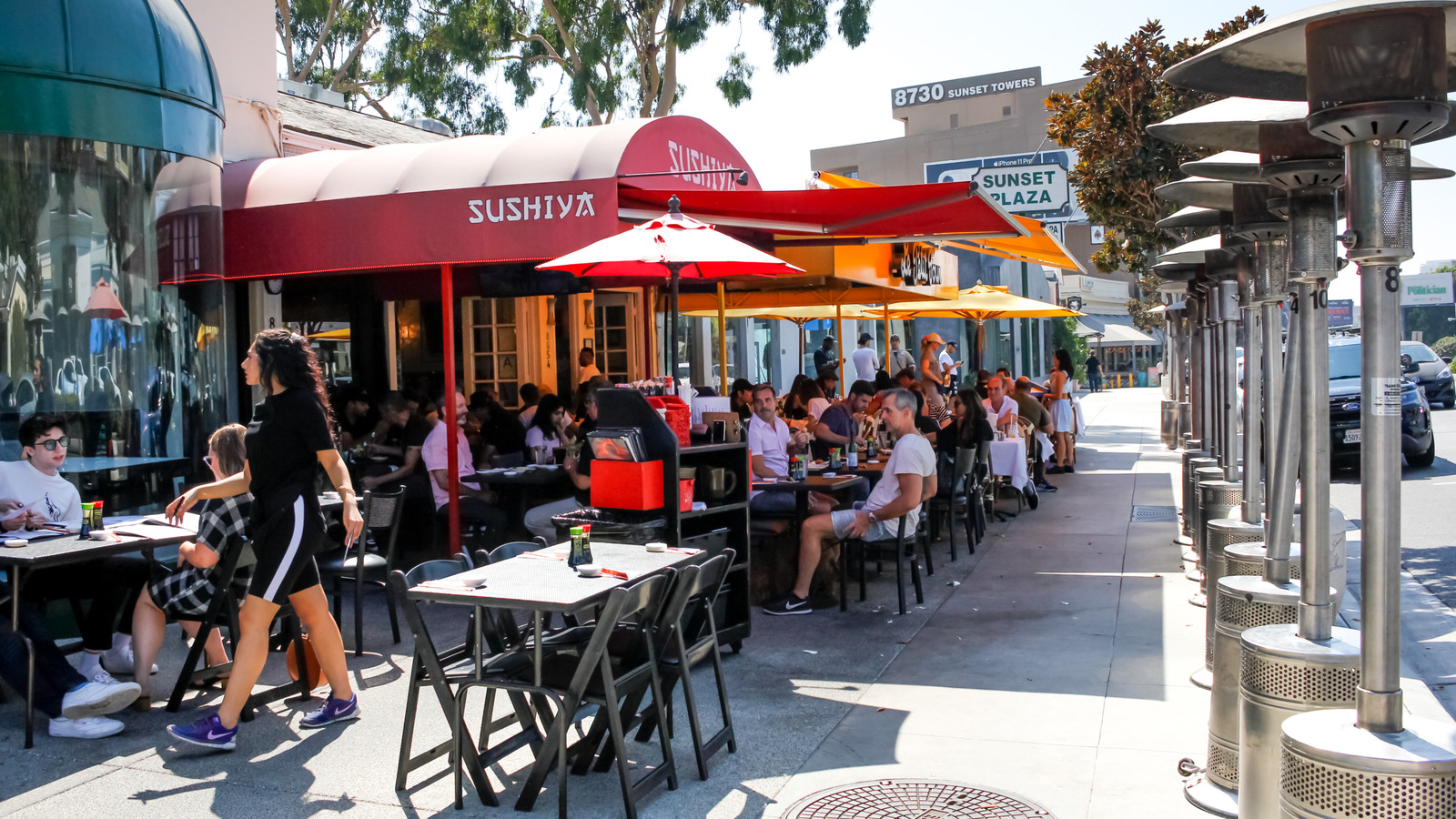

fromwww.theguardian.com
3 days agoEndo dreams of sushi: a trip around Japan with one of the world's greatest chefs
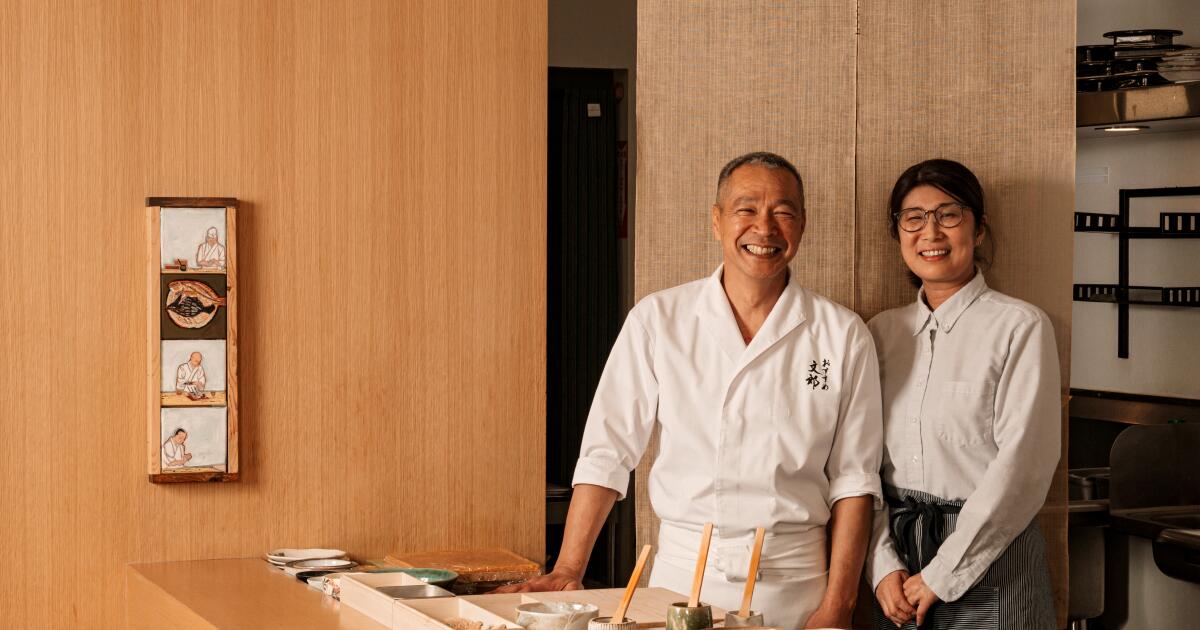
Endo Kazutoshi was on the train to Paris when he heard about the fire that had destroyed his restaurant, Endo at the Rotunda, located on the eighth floor of the Helios building. The fire had started on a terrace and quickly spread, affecting the dining room and kitchen, built mostly from 200-year-old hinoki wood.
London food


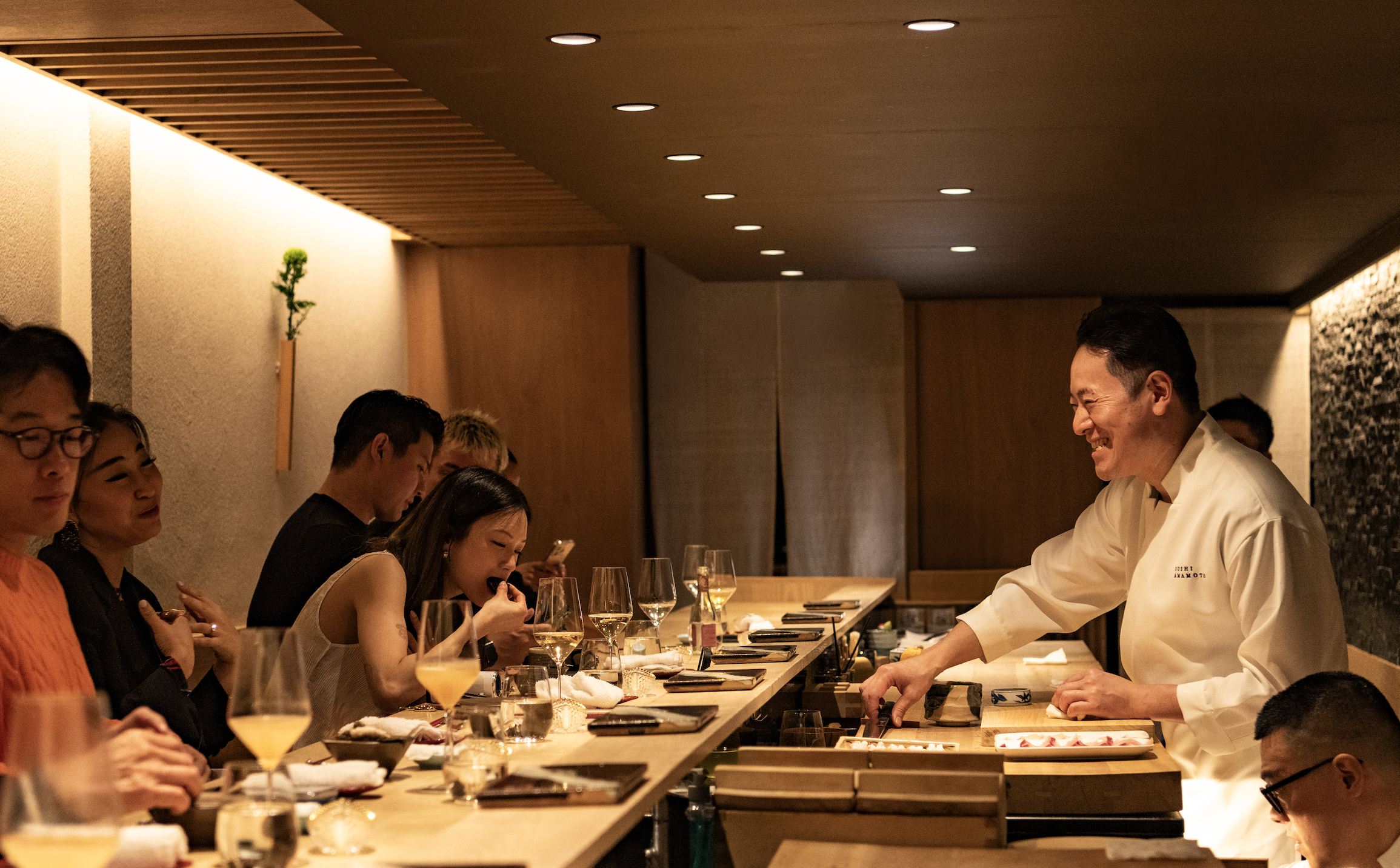
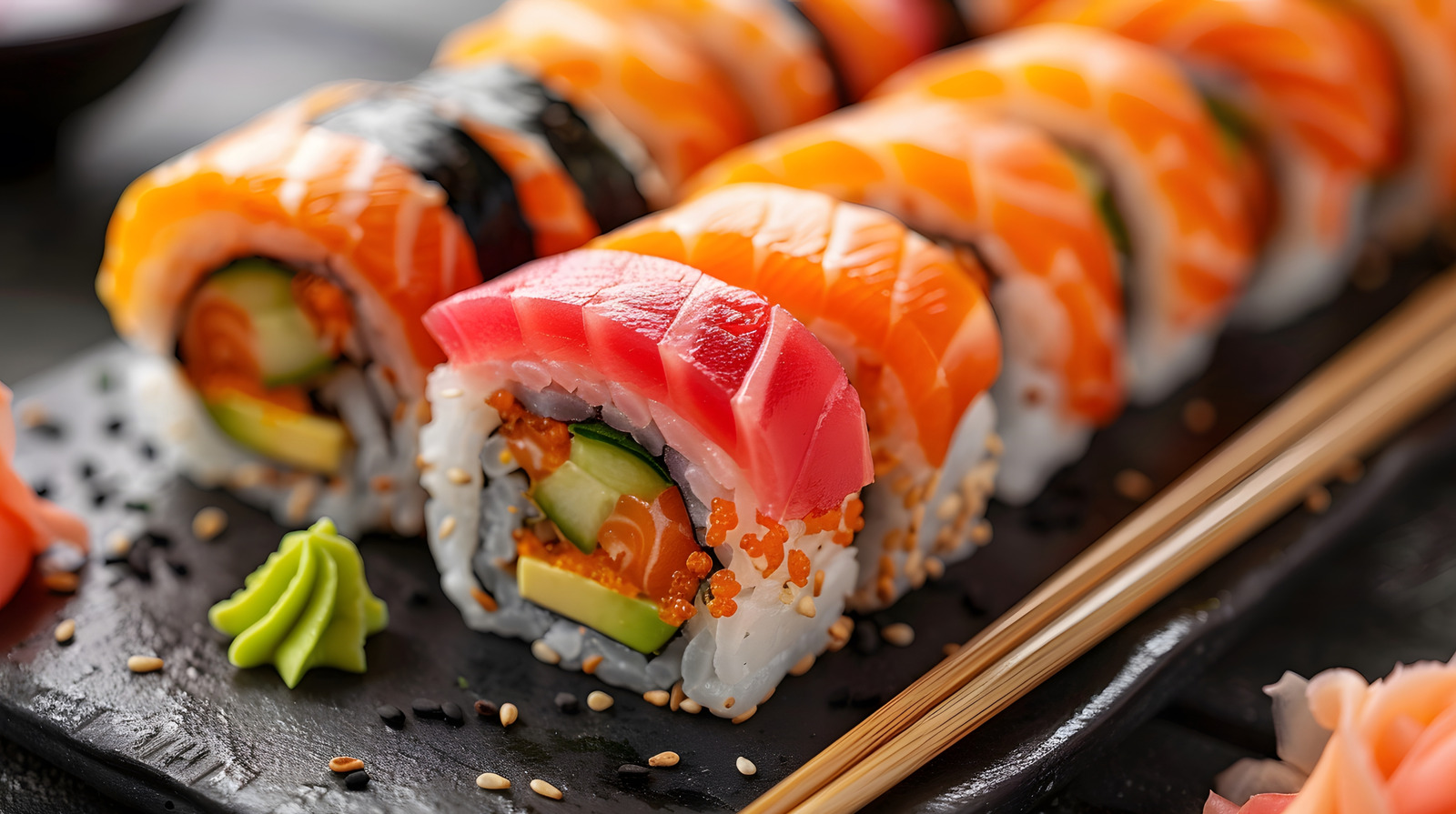
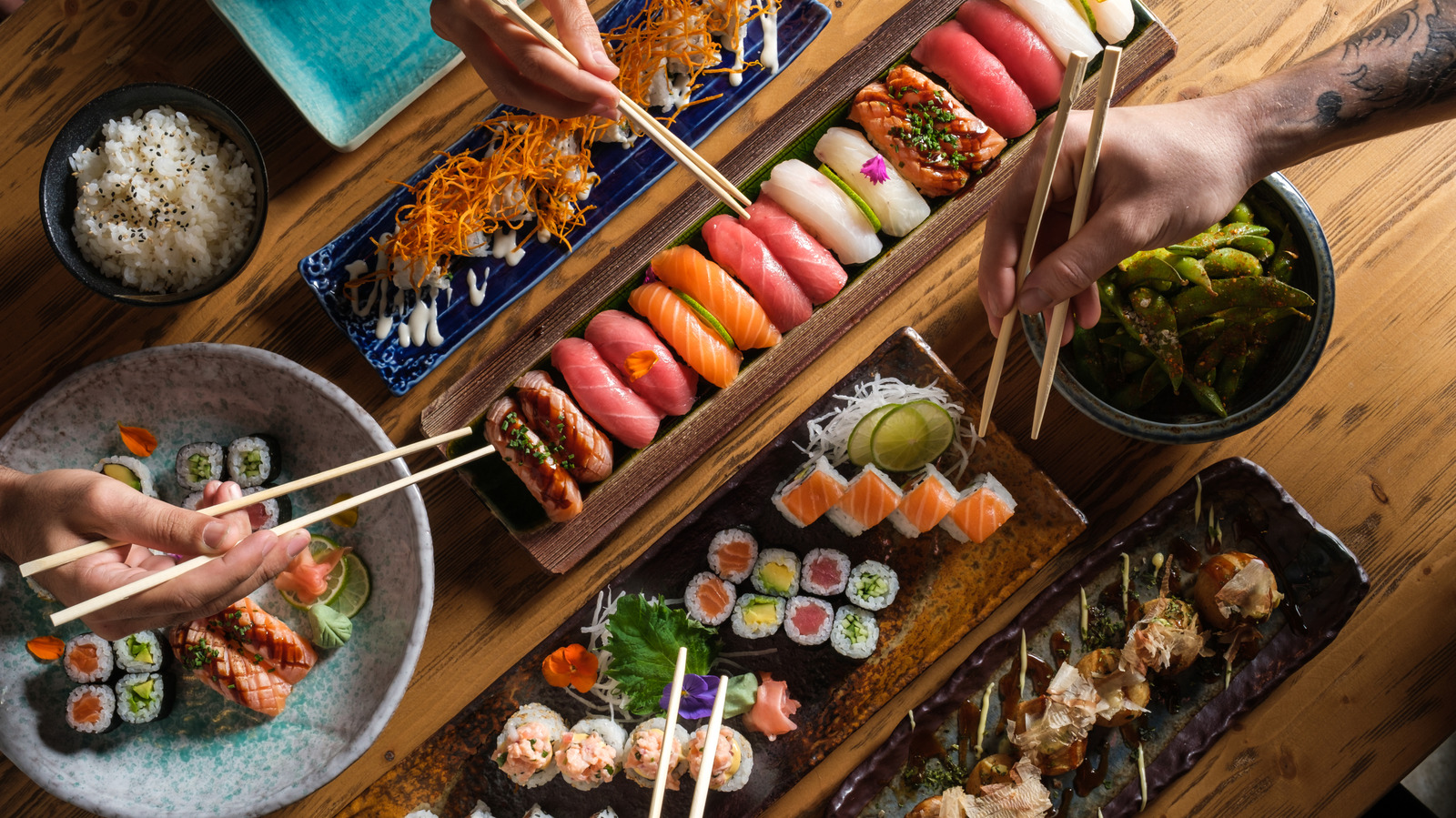


fromThe Infatuation
3 days agoCheung fun and siu mai are the ideal order at Dim The Way - Review - San Francisco - The Infatuation
At Dim The Way in Ingleside, every table has one thing in common: at least one plate of cheung fun. Cooks are turning these slippery rice noodle rolls out of the open kitchen nonstop, and they're easily the best thing on the dim sum menu here.
London food
Coffee
fromThe Infatuation
2 weeks agoKissaten Hifi - Review - Richmond - San Francisco - The Infatuation
Kissaten Hifi, Richmond's newest cafe, serves Japanese- and Filipino-inspired coffee drinks with unique offerings like Okinawa brown sugar coffee and banana cue lattes, plus matcha beverages and vinyl records.
fromLos Angeles Times
2 days agoCo-founder of iconic Korean tofu house dies at 88
Tae-ro Lee and his wife Hee-sook Lee were known for popularizing soondubu jigae, a spicy, red silken-tofu stew, and building a restaurant empire in L.A. that has expanded to 11 locations across Southern California, Texas and the East Coast.
LA food
fromTime Out New York
3 weeks agoA top Sapporo ramen chef is popping up in NYC this month
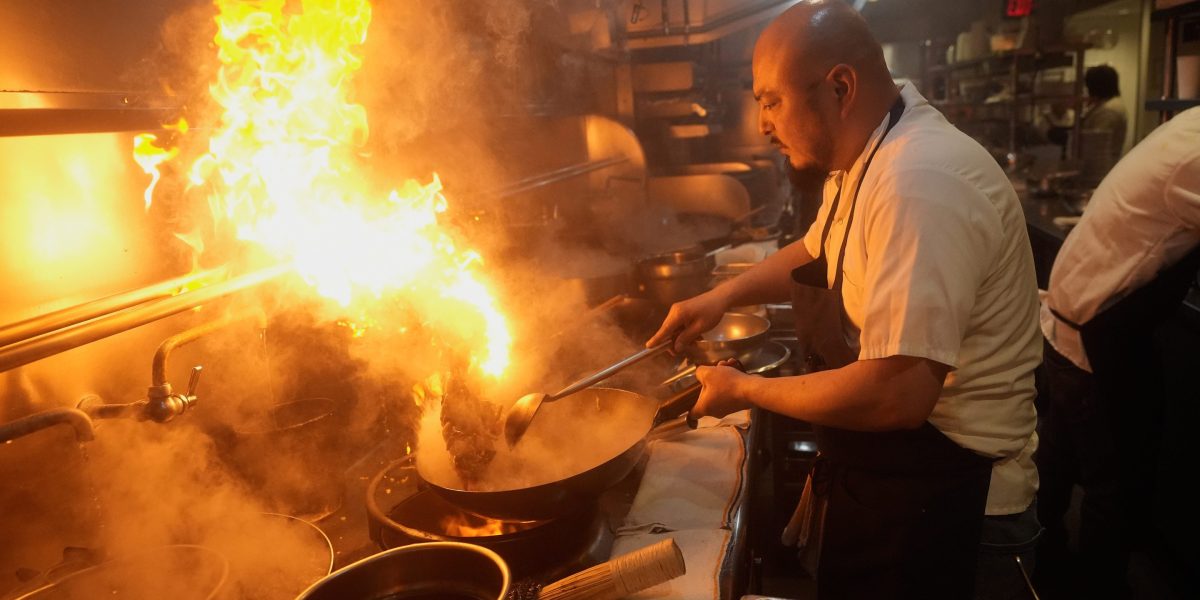
Hiroshi Hiraoka, one of the most respected ramen chefs in Japan and the chef-owner behind Sapporo's Japanese Ramen Noodle Lab Q, is heading to New York City this month for a series of limited-time pop-ups at two Manhattan restaurants. The events will bring his refined "tanrei" style ramen, rarely experienced outside Japan, to diners at Towa in Flatiron and nonono in NoMad.
NYC food
fromEater LA
5 days agoVery Thai Is Only Pretty Thai But Very Worth a Visit
The green curry pad Thai initially had me scratching my head - it feels sacrilegious to recommend pad Thai with zucchini in it. That said, the noodles have chew and get seared with wok hei; the permeating green curry flavor feels abundant and herbaceous thanks to fistfuls of fresh Thai basil.
London food
fromSFGATE
3 weeks agoShe lived in Japan for 35 years. Now she makes ramen in the Calif. woods.
My goal is that if Japanese people come to my restaurant, I don't want them to say, 'This is not Japanese food, this is American food.' So I am always keeping the quality to have a similar taste to Japanese taste.
Silicon Valley food
NYC food
fromTime Out New York
3 weeks agoThis amazing Japanese street food festival is coming back to NYC with over 30+ culinary events
JAPAN Fes, NYC's beloved street food festival, celebrates its 10th anniversary with 34+ events across the city starting March 28, 2026, featuring Japanese vendors and cuisine.
Portland food
fromThe Mercury News
4 weeks agoMexican-Japanese robata restaurant comes to San Pedro Square for four months
Bar Tako, a Japanese-Mexican fusion restaurant, opens at San Pedro Square in San Jose as a limited-time residency through June, featuring innovative dishes combining both culinary traditions.
fromSFGATE
3 weeks agoThis corner store serves one of San Francisco's most affordable ramen bowls
When the students or workers don't have money, it is easy to grab it and go. It's cheap, that's how we started it. When people don't want to spend a lot of money for lunch, it's five bucks, and you're satisfied.
SF food

fromEater
1 month agoThis Is What You Get When Japanese and Italian Food Collide
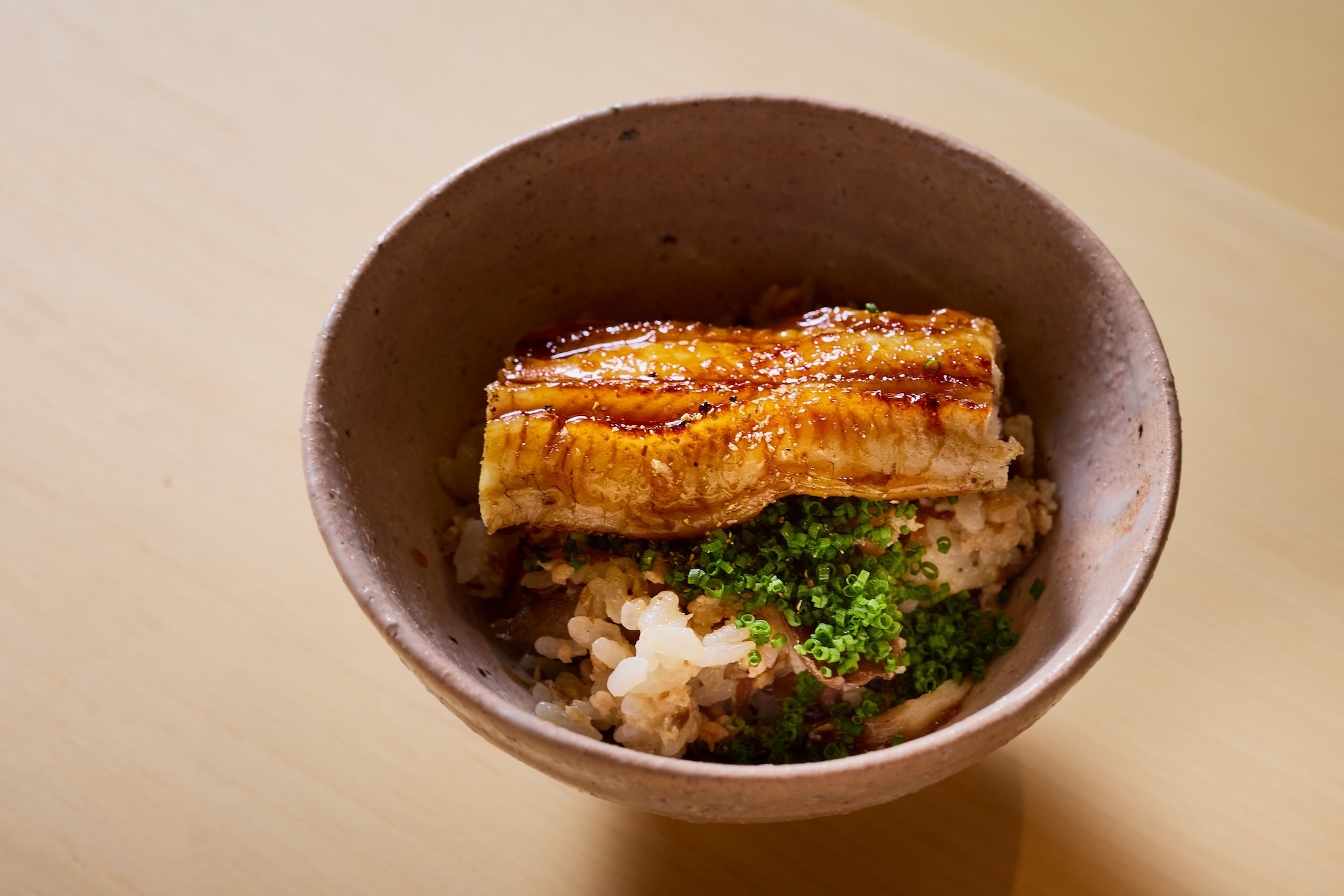
Living in Japan in the early 2000s, Fralick fell in love with an Italian restaurant in the city of Shizuoka, where he ate Italian food, but with Japanese influences, like pastas made with uni and the fermented soybeans known as natto. "It really reminded me of home," says Fralick, who grew up in upstate New York and started his cooking career in Italian fine dining.
Food & drink
fromEater NY
1 month agoThe Six-Year-Old Kaiseki Restaurant That Still Feels Like a Discovery
The caviar, uni, and egg dish has been in Akiyama's repertoire since he worked at the now-closed NYC restaurant Lan. It's presented as a rich chawanmushi, topped with generous uni and caviar. The nigiri course comes with three pieces, including the aori aka, in which the bigfin reed squid is chopped and intricately layered; the texture was far creamier than I ever expected squid to be.
NYC food

fromwww.amny.com
1 month agoTokyo meets Bowery: Inside Seirinkan's rare NYC residency at Sake No Hana | amNewYork
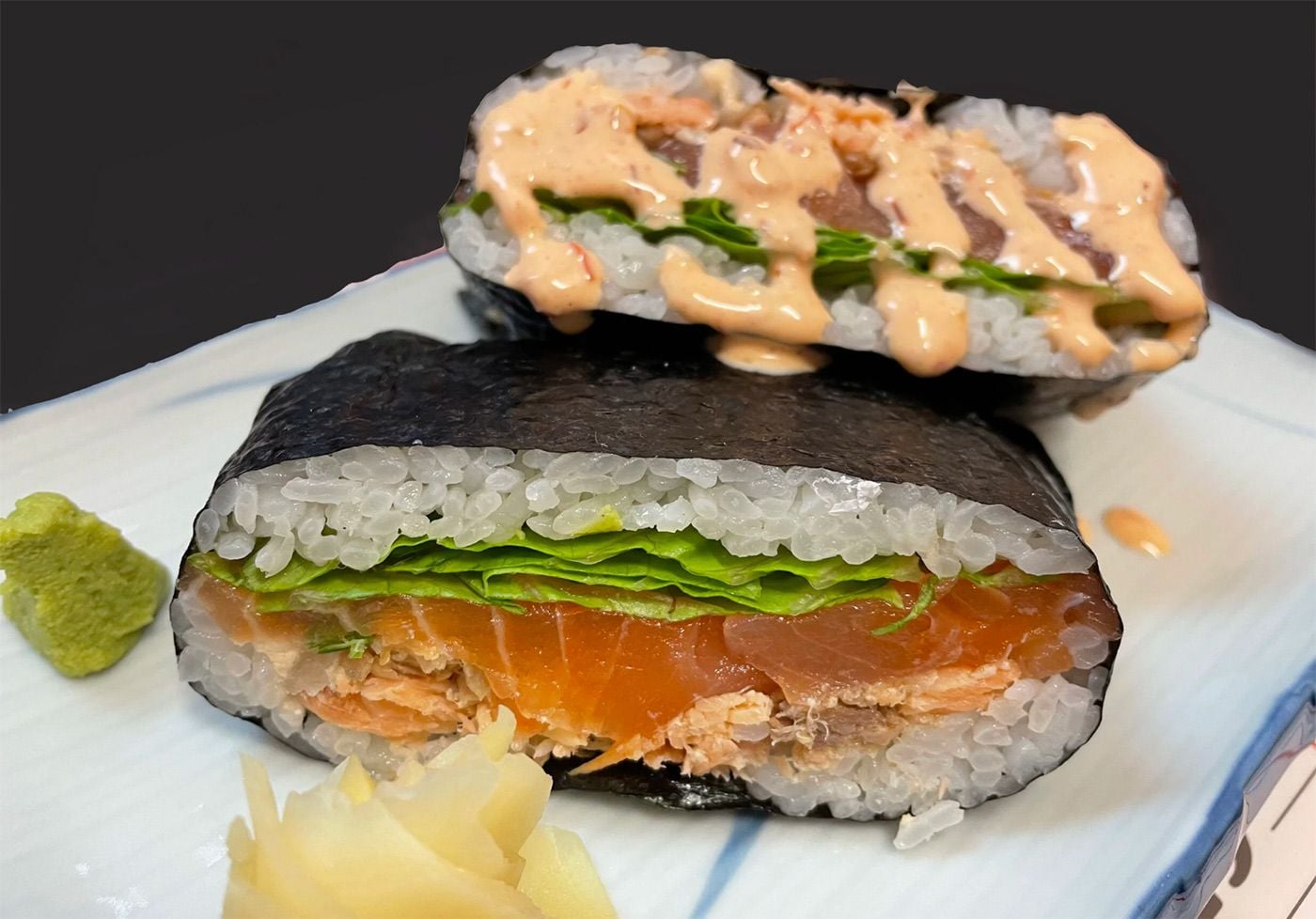
What once began as a shared meal in Tokyo during the pandemic has become a cultural exchange. This is a dialogue between Tokyo and New York told through dough, fire, and simplicity. Long before the residency was even announced, the foundation for it had already begun in Tokyo.
NYC food
fromwww.amny.com
1 month agoMiru: A Hudson-edge hideaway where Tokyo soul meets New York nights | amNewYork
In a city devoted to discovery, the most seductive destinations rarely announce themselves. They reveal themselves gradually tucked above the noise, hovering just beyond the obvious, waiting for those willing to travel a little farther west, toward the luminous threshold where Manhattan dissolves into river and sky. Perched atop Pier 57, Miru embodies that sense of arrival. The rooftop listening lounge overlooks the Hudson like a secluded aerie, where the measured tempo of Tokyo listening culture meets the charged rhythm of New York after dark.
Dining
fromTasting Table
1 month agoHow Sushi Chefs Build Complex Creations Like A Mosaic Roll - Tasting Table
Some chefs pride themselves on blurring the lines between food and art. For Executive Chef Andrew Oh, Momoya SoHo has become revered for putting beauty on plates, such is the case for the restaurant's beautiful wine glass parfaits. However, Oh is known for sushi creations that are equally impressive. We asked the chef for tips on sushi-making (known as one of the most difficult culinary techniques to master) so that our next batch of caterpillar rolls look more professional than problematic.
Cooking
fromTasting Table
1 month agoThe Easy No-Roll Sushi Home Cooks Can Make Anytime They Like - Tasting Table
That said, there's an excellent alternative to lengthy pro-level sushi creation: A no-roll version called inari, or commonly, inarizushi. It's named after the Shinto deity Inari Okami, the god of rice, agriculture, and prosperity. Traditional inari bypasses the usual seaweed and raw fish, opting instead for seasoned sushi rice tucked inside a sweet and savory "aburaage" pouch made from fried tofu.
Cooking
fromTime Out London
2 months agoOne of London's most hyped sushi bars is opening a new restaurant in Mayfair
When it opened in 2021, Brixton Market's Temaki quickly became a hit with the city's sushi aficionados. The restaurant, which was London's first dedicated to handroll sushi, received a Time Out reviewer's praise for its 'triple whammy of expertise, exceptional produce and classy execution'. Alas, the south London Temaki wasn't to last. The California-style sushi joint shut its Brixton outpost last summer. Now, however, Temaki has announced a grand return to the city - this time in central London. A new location will open on Mayfair's Maddox Street
London food
fromLondon On The Inside
1 month agoHow London (Hand) Rolls
That was Temaki, a small counter spot inside Brixton Village that we loved for its great quality and great value temaki sets. Owner A.M Dupee, who is relocating the restaurant to a larger central London site this March, sees the "huge potential in the growth of handrolls in the UK", saying that "handroll bars give operators the ability to give customers the balance of high quality produce in a convivial atmosphere without the price tag of an expensive sushi or omakase meal."
London food
fromLondon On The Inside
1 month agoA Tokyo-Inspired Izakaya Has Opened in the City
The restaurant group behind Goodman, Beast, Pinna, Chelsea Grill and Wild Tavern, has added a Japanese izakaya to its roster with the opening of Wild Izakaya in the City. Inspired by the establishments found all over Tokyo, Wild Izakaya features an open kitchen with counter seating, larger tables for groups, classic Japanese films on a projector, and a drinks list including Japanese beers, sake and cocktails.
Food & drink
fromCN Traveller
2 months agoThe tables, pit stops, ice cream parlours and tempura maestros to know on Japan's tastiest island
My friend Megumi, a classical musician from Tokyo who really likes to eat, takes trips to Sapporo "just for the food". She is not alone: the route between Tokyo's Haneda and Sapporo's New Chitose airports is one of the busiest domestic flight paths in Japan. Before I visited Sapporo, I called her. "Make sure to bring two stomachs," she advised. The city is the capital of Hokkaido, the most northerly of Japan's main islands, which contains more than 20 per cent of the country's landmass, but only about four per cent of its population. The island's cold waters are home to some of the world's most prized sea urchins and crabs, as well as much of the fish used by top sushi chefs. Fed by mountain springs, its unspoilt valleys are home to remarkably flavourful produce. And with its swathes of grazing land, Hokkaido is also the country's leading producer of beef, lamb and dairy: the last two ingredients are rarely used elsewhere in Japan, something that accounts for the character of eating in Sapporo.
fromTime Out New York
1 month agoTokyo's Seirinkan takes over Sake No Hana for five nights
New York's pop-up pizza calendar just got a serious international upgrade. From February 24 through February 28, cult-favorite Tokyo pizzeria Seirinkan will temporarily swap Shibuya for the Bowery, taking over the kitchen at modern Japanese restaurant Sake No Hana for a five-night residency that blends neo-Neapolitan pizza with Lower Manhattan energy. If you're deep in the pizza rabbit hole, the name Susumu Kakinuma probably rings a bell.
Food & drink
fromTasting Table
2 months ago16 Japanese 7-Eleven Snacks We Wish Were Available In The US - Tasting Table
Japan's 7-Elevens are well-known for having all sorts of delicious and unique snacks that you just can't find in the United States. While the convenience store chain got its start in the U.S., it first opened locations in Tokyo in 1974. As of 2025, there were over 22,000 locations across Japan, which vastly outnumber the approximately 12,300 in the U.S.
Food & drink
[ Load more ]