#cardiac-aging
#cardiac-aging
[ follow ]
#aging #longevity #physical-activity #biological-aging #cognitive-health #mental-health #healthspan #genetics

Mental health
fromSilicon Canals
19 hours agoPsychology says the loneliness that arrives after 65 isn't an inevitable feature of aging - it's the accumulated result of every friendship that was allowed to thin, every phone call that was delayed, every invitation that wasn't extended, compounded quietly over decades until the social life that once maintained itself without effort requires more effort than it has ever required and more energy than is currently available - Silicon Canals
Loneliness often stems from a series of small decisions that weaken social connections over time.
Psychology
fromSilicon Canals
13 hours agoPsychology says the reason older people stop caring isn't emotional withdrawal - it's that they've finally learned to distinguish between what actually matters and what they were only caring about out of social obligation - Silicon Canals
Older individuals prioritize emotional connections over superficial relationships as they age, focusing on what truly matters in their lives.
#aging
Parenting
fromSilicon Canals
2 days agoThe most painful thing about watching a parent age isn't the physical decline. It's the moment you catch them deferring to you on a decision they would have made without hesitation ten years ago, and you both feel the transfer of authority that neither of you agreed to. - Silicon Canals
The real challenge of aging parents lies in the subtle shifts of authority and uncertainty in their decision-making.
Psychology
fromSilicon Canals
20 hours agoPsychology says people who slowly become unpleasant to be around as they get older didn't develop new flaws - they lost the motivation to manage the old ones, and the management, it turns out, was doing considerably more work than anyone around them understood while it was still running - Silicon Canals
People don't become worse with age; they simply stop managing their flaws as their energy to do so diminishes.
Mental health
fromSilicon Canals
3 days agoPsychology says the reason aging people feel like they don't matter isn't about what they've lost - it's that society defines mattering as productivity and visibility, and the moment you step outside those narrow roles, your value becomes invisible even to people who love you - Silicon Canals
Retirement and aging can lead to feelings of invisibility and worthlessness due to society's narrow definitions of productivity.
Health
fromSilicon Canals
1 week agoPeople who still look young in their 60s and 70s aren't fighting aging - they stopped doing the things that accelerate it, and the difference between those two approaches is the difference between swimming against a current and simply getting out of the water - Silicon Canals
The biggest factor in aging is what we stop doing to ourselves, rather than what we add to our lives.
Parenting
fromSilicon Canals
2 days agoThe most painful thing about watching a parent age isn't the physical decline. It's the moment you catch them deferring to you on a decision they would have made without hesitation ten years ago, and you both feel the transfer of authority that neither of you agreed to. - Silicon Canals
The real challenge of aging parents lies in the subtle shifts of authority and uncertainty in their decision-making.
Psychology
fromSilicon Canals
20 hours agoPsychology says people who slowly become unpleasant to be around as they get older didn't develop new flaws - they lost the motivation to manage the old ones, and the management, it turns out, was doing considerably more work than anyone around them understood while it was still running - Silicon Canals
People don't become worse with age; they simply stop managing their flaws as their energy to do so diminishes.
Mental health
fromSilicon Canals
3 days agoPsychology says the reason aging people feel like they don't matter isn't about what they've lost - it's that society defines mattering as productivity and visibility, and the moment you step outside those narrow roles, your value becomes invisible even to people who love you - Silicon Canals
Retirement and aging can lead to feelings of invisibility and worthlessness due to society's narrow definitions of productivity.
Health
fromSilicon Canals
1 week agoPeople who still look young in their 60s and 70s aren't fighting aging - they stopped doing the things that accelerate it, and the difference between those two approaches is the difference between swimming against a current and simply getting out of the water - Silicon Canals
The biggest factor in aging is what we stop doing to ourselves, rather than what we add to our lives.
Psychology
fromSilicon Canals
6 days agoPsychology says the reason some people become wiser as they age while others become more rigid has nothing to do with intelligence. It depends on whether they ever learned to sit with discomfort - Silicon Canals
Distress tolerance influences how individuals respond to discomfort, shaping their openness and adaptability in life.
fromwww.scientificamerican.com
2 weeks agoThis overlooked organ may be more vital for longevity than scientists realized
The AI analysis found enormous variation in the health of the thymus between individual people. In some people, it stayed very active until a very old age. And other people, it actually declined very rapidly at a younger age. Importantly, thymus health correlated with a person's overall health. People who had a healthy thymus tended to live longer, have less cancer, and less cardiovascular disease.
Medicine
#multivitamins
Alternative medicine
fromwww.scientificamerican.com
3 weeks agoTaking a multivitamin could slow some signs of aging, new study suggests
A two-year multivitamin-multimineral study found modest slowing of biological aging markers by 1.5 to two months per year, though effects varied across different epigenetic clocks measured.

Alternative medicine
fromwww.scientificamerican.com
3 weeks agoTaking a multivitamin could slow some signs of aging, new study suggests
A two-year multivitamin-multimineral study found modest slowing of biological aging markers by 1.5 to two months per year, though effects varied across different epigenetic clocks measured.
fromenglish.elpais.com
1 month agoNir Barzilai, gerontologist: Just because you look young doesn't mean you're healthy'
The Israeli gerontologist has been studying healthy centenarians for years and has observed that many follow a pattern similar to Reichert's. They do not always lead a monastic, carefully balanced life. There is a great deal of biological lottery involved in longevity. But Barzilai wants to hack that lottery—to understand which numbers are the winning ones and pass them on to the rest of humanity.
Public health
fromNature
1 month agoDaily briefing: Stem-cell treatment strengthens people with age-related frailty
Researchers administered one of four doses of stem cells to 118 people between 70 and 85 years old, all of whom had frailty. In a timed walking test nine months after treatment, those who had received the highest dose could walk about 60 metres farther, on average, than they could before treatment.
Science




fromArs Technica
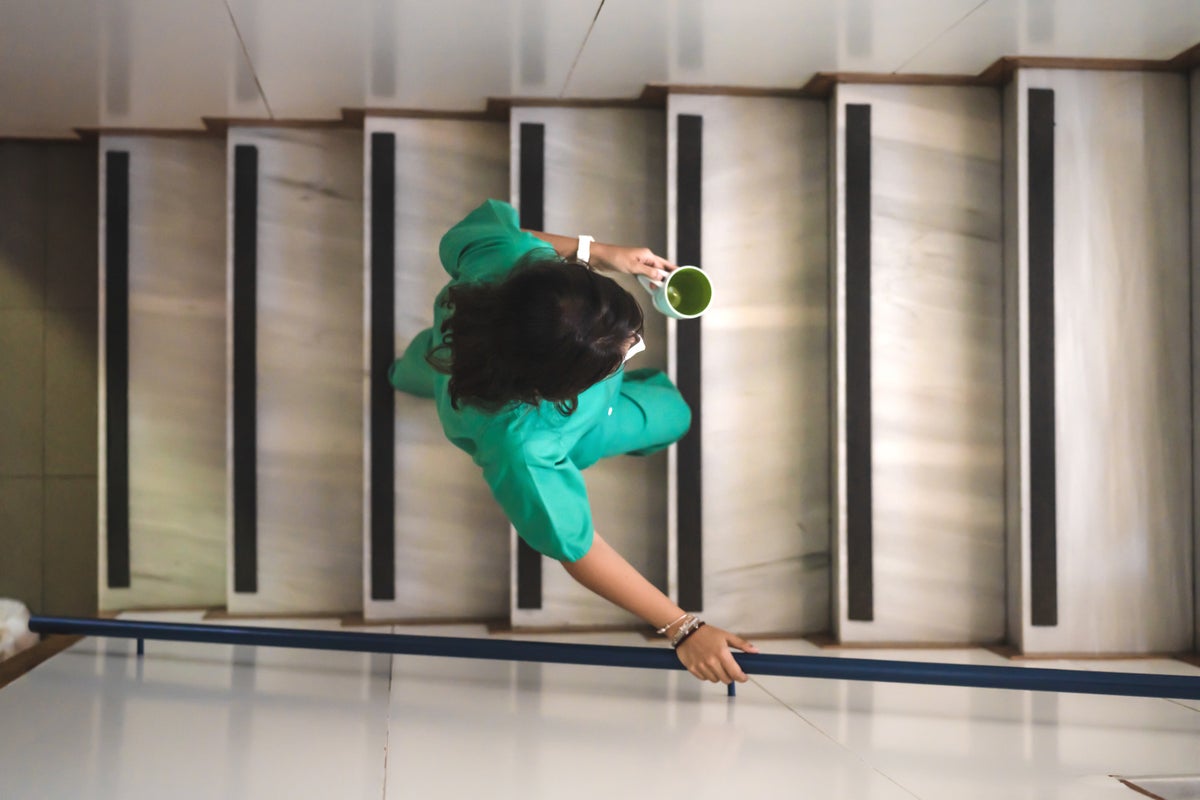
2 months agoAvoiding ultraprocessed foods supports healthier aging
We compared how participants fared while eating their habitual diets with how they responded to the two diets that were low in ultraprocessed foods. During the periods when participants ate fewer ultraprocessed foods, they naturally consumed fewer calories and lost weight, including total and abdominal body fat. Beyond weight loss, they also showed meaningful improvements in insulin sensitivity, healthier cholesterol levels, fewer signs of inflammation, and favorable changes in hormones that help regulate appetite and metabolism.
Food & drink

Medicine
fromSilicon Canals
1 month agoIf you're over 65 and these 8 things come naturally to you, your cognitive health is exceptional - Silicon Canals
Certain habits and abilities—like learning new technology, strong memory for recent conversations, and cognitive flexibility—predict preserved memory and brain health in older adults.
fromwww.bbc.com
2 months agoWhy doing a mix of exercise could be the key to longer life
Don't put all your eggs in one basket when it comes to exercise - doing a variety of different physical activities every week is the key to boosting your health and living longer, a study suggests. After tracking the weekly exercise habits of 110,000 men and women in the US for 30 years, researchers found active people who did the greatest variety of exercise were 19% less likely to die during that time than those who focused on one activity. That effect was greater than for individual sports like walking, tennis, rowing and jogging. The total amount of exercise you do is still key, experts say, but doing a range of activities you enjoy can bring lots of benefits.
Public health
fromwww.npr.org
2 months agoCan exercise and anti-inflammatories fend off aging? A study aims to find out
"As we get older, the immune system is shifting away from good inflammation," which is the body's short-term, acute response to fend off injury or infection and promote healing, explains Dr. Thomas Marron, one of the researchers leading the new study. Marron directs early phase clinical trials at The Tisch Cancer Institute at the Icahn School of Medicine at Mount Sinai.
Medicine
Wellness
fromSilicon Canals
1 month ago8 everyday habits that make people in their 60s and 70s seem decades younger than they actually are - Silicon Canals
Daily, simple habits—consistent movement, genuine curiosity, and small routines—produce youthful energy and preserve physical and cognitive vitality.
fromPsychology Today
2 months agoWhy Some People Seem Immune to Dementia
Dementia is linked to changes in the brain. Health professionals used to assume that brain damage and dementia symptoms always went hand in hand. More recent research, however, shows that some people have significant brain damage yet never develop dementia. How can that be? In a previous post, I shared that dementia is defined by the inability to function in everyday life, such as getting lost in familiar places, having difficulty managing finances, forgetting to turn off the stove, or struggling with basic tasks.
Medicine
fromNature
1 month agoDaily briefing: Caffeine might reduce dementia risk and slow cognitive decline
Researchers used data from two health studies to track the caffeine-drinking habits of more than 130,000 people over four decades. They found that drinking 2-3 cups of coffee or 1-2 cups of tea a day was associated with the greatest reductions in rate of cognitive decline, a result that held true even in people with a genetic variant called APOE4, which is associated with Alzheimer's disease.
Medicine
fromPsychology Today
1 month agoWhy Longevity Doctors Fail Us
We are all going to die. No one is happy about that. Today, the internet is full of claims about diets and supplements that will help us live longer. One writer suggested that there are at least 320 longevity clinics operating around the world; some charge $100,000 or more annually for access to their magic elixirs. Unfortunately, the search for a formula that can prevent death, or delay it for a very long time, has a long history of failures.
Medicine
fromSilicon Canals
1 month agoNeurologists reveal the everyday habit that doubles your dementia risk - Silicon Canals
A groundbreaking study found that adults who sit for 10 or more hours daily face a significantly higher risk of dementia compared to those who sit less. The research, which tracked over 50,000 adults using wearable devices, revealed that the risk increases dramatically after crossing that 10-hour threshold.
Health
[ Load more ]