Books
fromThe Atlantic
5 hours agoUnconventional Novels About Conventional People
Aging revolutionaries and conformists share parallel narratives of disillusionment and the loss of youthful dreams in recent literature.
C-suite clients are getting treatments to age themselves down, with a focus on looking energetic, young, and full of vitality. Plastic surgeons report a significant increase in demand for facial procedures among executives.
Dolores Huerta, at age 88, danced unapologetically with a group of friends at a gay bar, embodying a liberating spirit that challenged traditional views on aging and identity.
The most prevalent human mortality risk factor, aging, seems to still be hidden in the mist, states the article summing up the survey's results that was published in the journal PNAS Nexus.
I just thought, 'This woman feels underserved, under recognized, and needs to be reflected.' Watts created Stripes Beauty to address the gap in menopause-specific beauty products, emphasizing that her mission extends beyond vanity to providing genuine support and recognition for women navigating perimenopause and menopause symptoms.
Perhaps you've become a "silver fox" or simply less "baby-faced," resulting in increased romantic interest and even respect from others? Maybe your emotions feel more regulated, and you're able to make serious decisions quickly or have an argument without making rash statements or accusations? Perhaps you've become more financially responsible and secure, so you no longer fret over bills or making ends meet and instead can save money or spend it on things you enjoy?
Her main complaints are fatigue, hip pain, insomnia, and swelling in her ankles, mostly due to a heart that's running out of lifetime. Still, she plows through her roster of self-imposed tasks as though her worth depends on the state of her carpets and cabinets. She still bakes, speaks up at condo board meetings, scrubs her floors on her bony knees, and climbs atop her rickety rattan chairs to dust a chandelier that doesn't need much dusting.
While others struggle with mental fog and emotional turbulence, these sharp octogenarians breeze through their days with remarkable clarity and calm. I've been fascinated by this phenomenon lately, especially after spending time with my friend's 82-year-old grandmother who still runs her own business and remembers every single birthday in her extended family. Her secret? She started eliminating certain habits well before she hit 70.
It got me thinking. While everyone's obsessing over the latest fitness trends and biohacking protocols, these folks have been consistently moving their bodies for decades. No fancy equipment, no Instagram-worthy routines, just simple habits they picked up long before movement became a multibillion-dollar industry. So I started asking around, digging into research, and talking to people who've stayed active well into their golden years. What I found wasn't revolutionary or complicated. It was refreshingly simple.
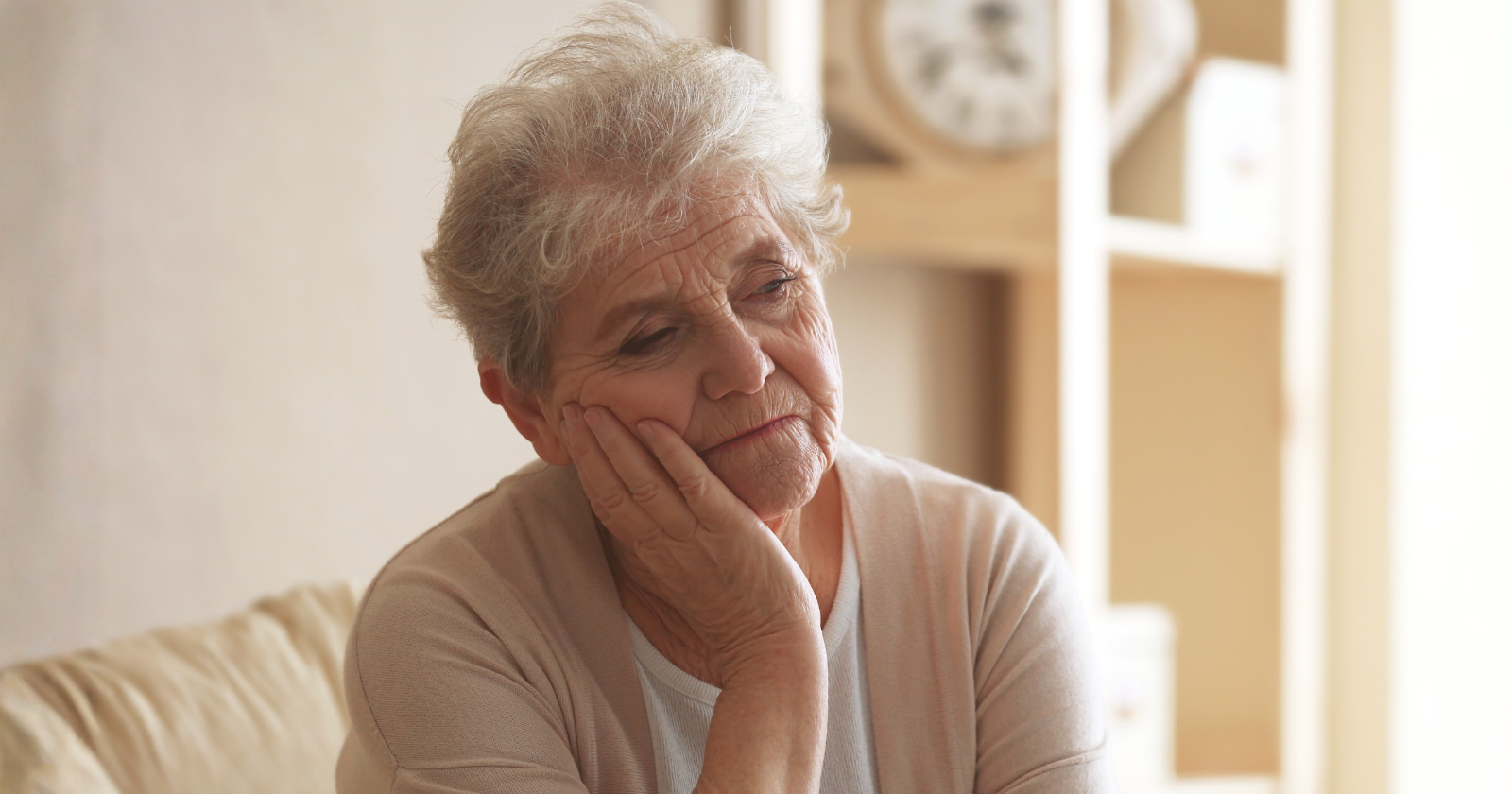
When your sixty-something mother says she's too tired to visit this weekend, or your recently retired father spends entire afternoons on the couch, it's tempting to wonder if they've just given up. We live in a culture that equates worth with productivity, so when older adults slow down, we often misread exhaustion as laziness or lack of motivation. But here's what we're missing: that bone-deep tiredness isn't a character flaw.
The 4% rule and most retirement calculators often just assume you are going to spend the same inflation-adjusted amount of money for the next 30 years. On the one hand, this is a simple and clean idea for managing finances, but it's also completely wrong. Real retirement spending rarely works like it's supposed to, and if you are planning on it being static, you're likely setting yourself up for a big surprise.
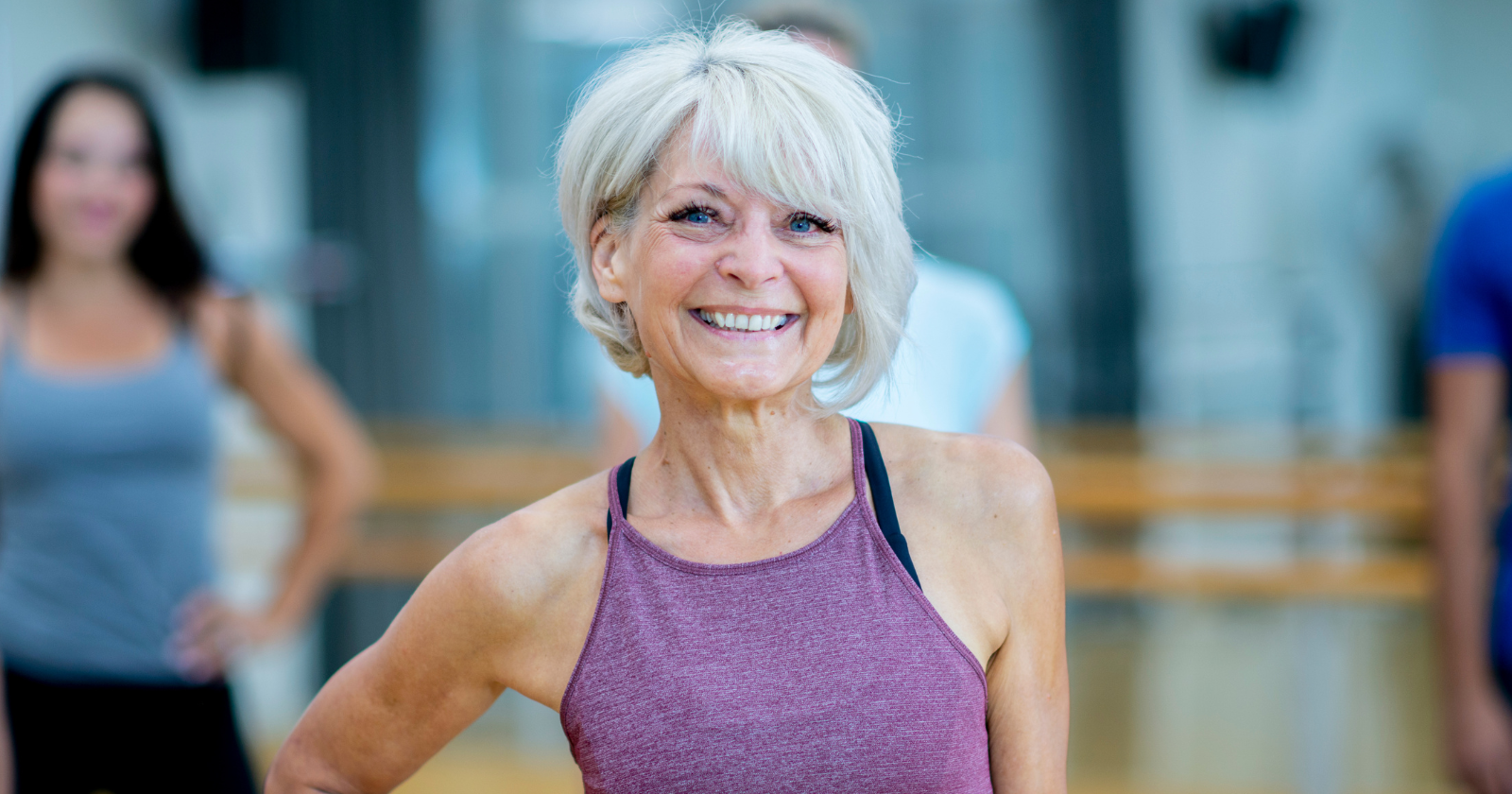
When I think about my neighbor who just turned 65, I'm struck by how different she seems from others her age. While some of her peers have settled into quiet routines, she radiates an energy that makes people assume she's a decade younger. The difference? She discovered salsa dancing last year and hasn't looked back. Age might be just a number, but let's be honest: How we spend our time shapes how others perceive our vitality.
As you age, inactivity can lead to a variety of cardiovascular problems, one of which involves stiffening of the heart's left ventricle. That's the chamber responsible for pumping oxygen-rich blood to the rest of the body. According to Dr. Benjamin Levine , Director of the Institute and Professor of Internal Medicine at University of Texas Southwestern (UTSW), "When the muscle stiffens, you get high pressure and the heart chamber doesn't fill as well with blood."