New York Mets
fromFaithandfearinflushing
47 minutes agoGlass Calf Full
The Mets celebrated multiple victories, but concerns arose over Juan Soto's calf tightness after he exited the game early.
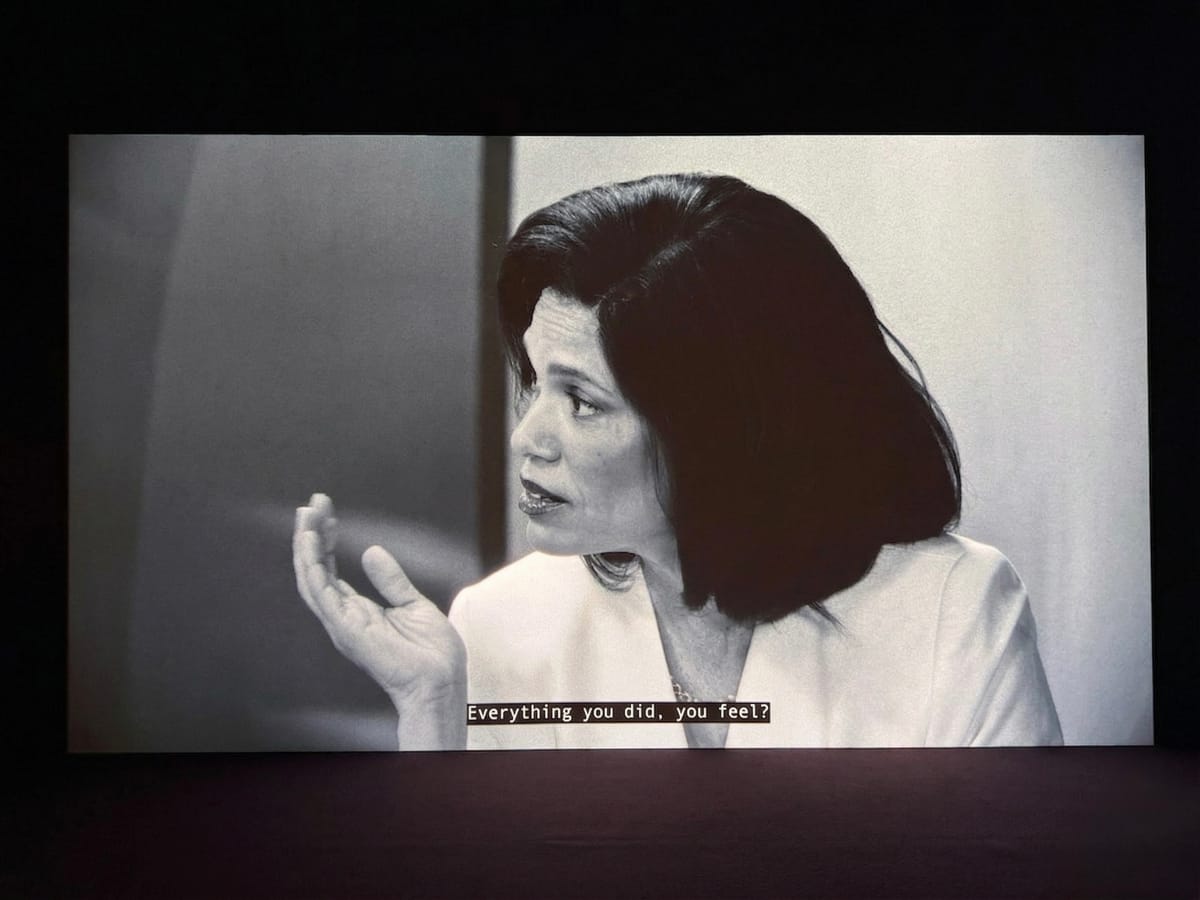
The documentary, created by Dr. Igea Troiani, Dr. Mamuna Iqbal, artist and researcher Paula Roush, and filmmaker Rime Tsujino, brings visibility to the experiences of six architects of South Asian origin.
All but one of the song titles on Body Sound, the debut album from experimental string trio Whitney Johnson, Lia Kohl, and Macie Stewart, line up nicely-a few words, usually two, usually nouns, separated by a vertical line. The straight line in the middle means different things in different disciplines. In computing, it's called a 'pipe' and serves as a conduit. In poetry, it denotes a pause or break. In music, it marks the beginning and end of measures.
"These works are an exploration of the human body's elasticity and capacity to metamorphose. Informed by my own experience of pregnancy and the birth of my first child last year, these paintings are a meditation on physiological transformation and the body's underlying animalistic and mammalian nature."
Founded in 2014 as a tongue-in-cheek alternative to the esteemed Whitney Biennial, the Every Woman Biennial has evolved into an intergenerational showcase that mixes emerging talent with established feminist art stars while maintaining the scrappy, activist energy that inspired it in the first place.
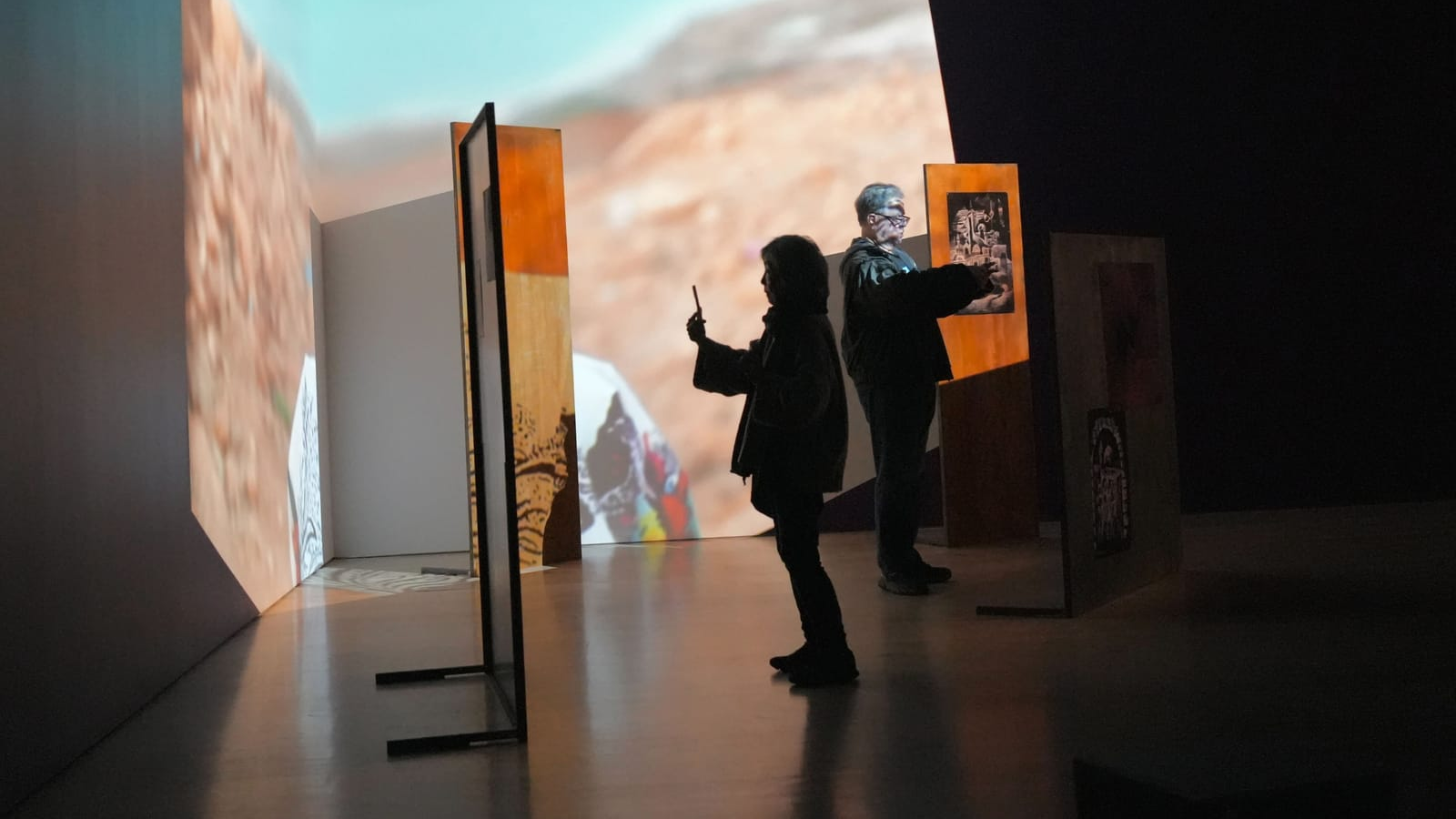
The new New Museum is many things: contemporary, perhaps, but also a science, history, anthropology, and many other museums in one. It echoes the desire of its patron class to own the world and its affiliated courtier class to deliver it to them on a silver platter, or encased in perforated metal, in this case.
What began as a passion for collecting became a responsibility. She not only believes in the artistic genius of women, but she wants society in general to hold men and women artists in equal esteem-and to place the same monetary value on their work.
Going out and demonstrating is really important. But if you don't feel comfortable demonstrating, you can volunteer for organizations, you can donate to organizations, you can sign petitions, you can call your senator. There's no excuse not to be involved on some level.
In 2024, I made a vow to never base my art criticism on wall labels. My decision came after reading reactions to that year's Whitney Biennial. "If every label in 'Even Better Than the Real Thing,' the 81st installment of the Whitney Biennial, were peeled off the walls and tossed into the Hudson, what would happen?" asked Jackson Arn in the New Yorker. (He went on to suggest that the overall show would have been much better.)
Spalding Gray used to perform a show called Interviewing the Audience. The celebrated monologist would invite a stranger he had met in the lobby to join him on stage. Through a sequence of innocuous questions, he would get them to open up about their lives. At one performance, a guest broke the audience's hearts by talking about her daughter's murder. At benefit nights, people living with HIV shared their tales. Other times, the anecdotes would be eccentric or amusing.
CHICAGO - With her iconic long dark hair curtaining her demure countenance, Yoko Ono has been in my personal pantheon of women makers for most of my life. When I was a distraught teenager in a midwestern suburb, she was there - singing discordant arias from my bedroom stereo. Her siren call couldn't quite be deciphered, but, like a feminist signal from afar, it cut through the fog of oppressive cultural forces.
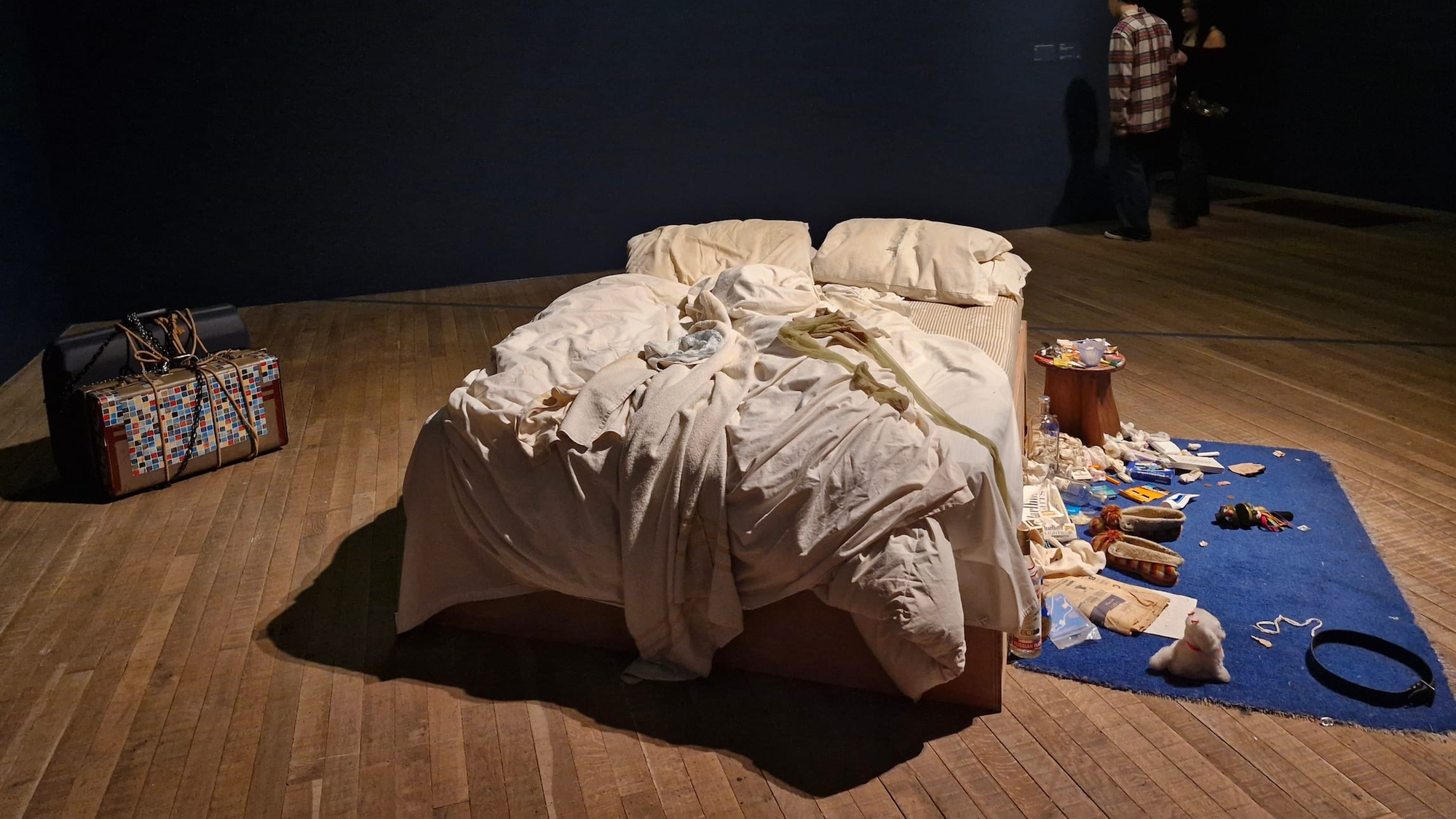
Tracey Emin is internationally renowned for her coruscatingly confessional art, which for over three decades has chronicled an often tumultuous life in various media, including painting, video, textiles, neon, writing, sculpture and installation. Born in Croydon, London, and raised in the seaside town of Margate, Emin first attracted widespread attention when, as a Turner Prize nominee in 1999, she exhibited the now notorious work My Bed (1998) provoking fierce critical debate on what art could-or should-be.
If you want to paint, put your clothes back on! That was how Carolee Schneemann summarised the critical response to her 1975 performance piece Interior Scroll, which she had performed nude standing on a gallery table. After making a series of life model poses, she removed a scroll from her vagina and began to read her manifesto. In doing so, Schneemann asked an important question: What does it mean for a female artist to be both the artist and the life model?
Last summer, I did face painting at a block party in my Brooklyn neighborhood. In the sweltering August humidity, I rendered pink butterflies and Spiderman webs on tiny, sticky faces; unsurprisingly, my designs didn't last very long in the bouncy castle. Except for the glitter. For weeks, I found it in my hair, on my cats, in my sink, and in random corners of the house, migrating to and fro like dandelion fuzz.
The path to the first New York solo show for Elda Cerrato (1930-2023), now on view at Galerie Lelong, was a long and winding one. Born in Italy to Jewish parents, Cerrato was a child when her family fled fascism in Europe for South America. Authoritarianism continued to shape her life in adulthood, as Cerrato and her husband and son were forced to leave Argentina to escape persecution at the hands of the country's military junta in 1973.