#caveman-sleep-tips
#caveman-sleep-tips
[ follow ]
#sleep #sleep-hygiene #sleep-quality #circadian-rhythm #mental-health #sleep-deprivation #sleep-health #stress
#morning-routine
Digital life
fromSilicon Canals
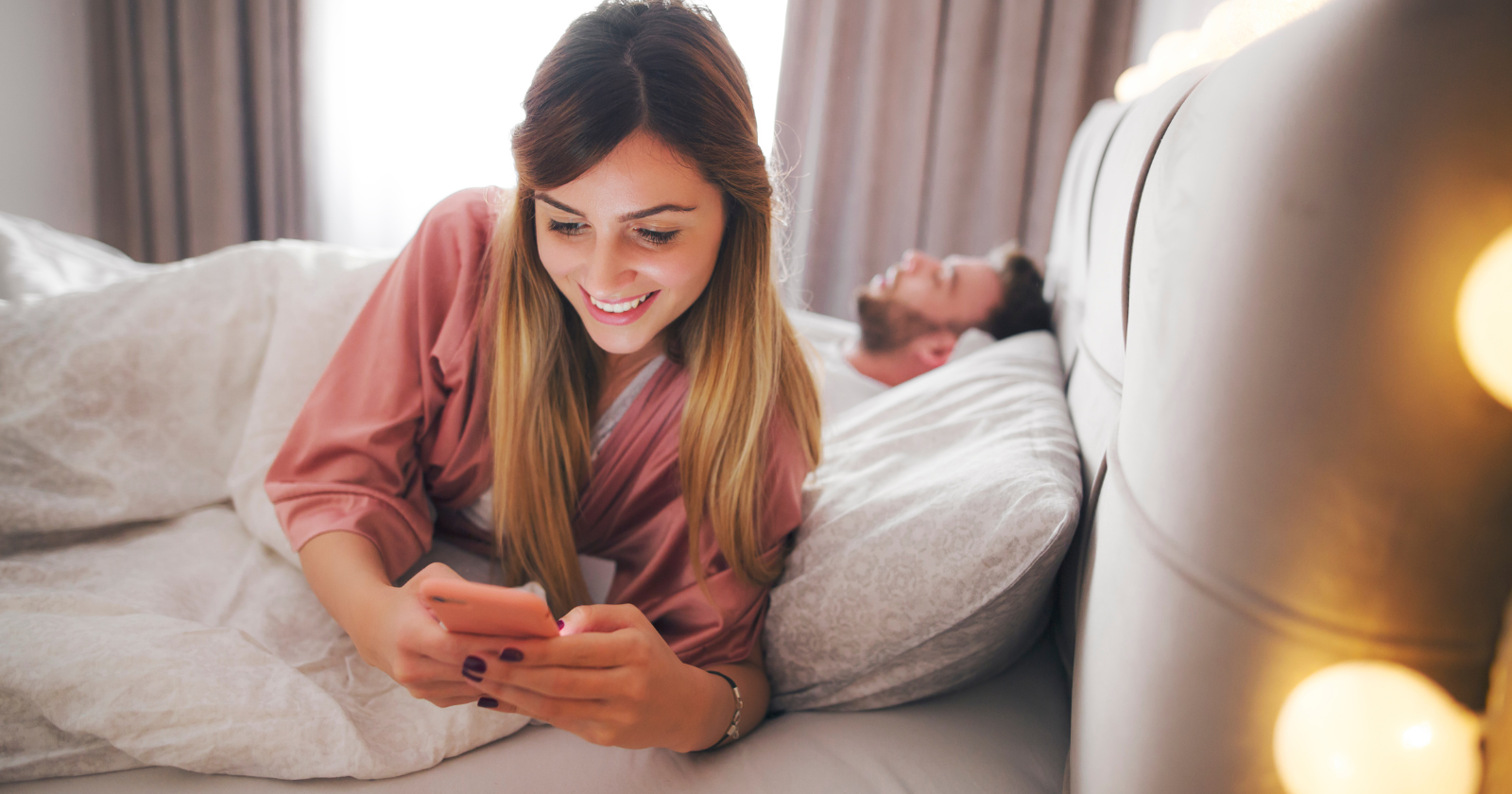
1 day agoPeople who check their phone within five minutes of waking up are training their brain to start every day in reaction mode - and it's costing them more than they realize - Silicon Canals
Starting the day with phone use can negatively impact mental state and set a stressful tone for the day.
#sleep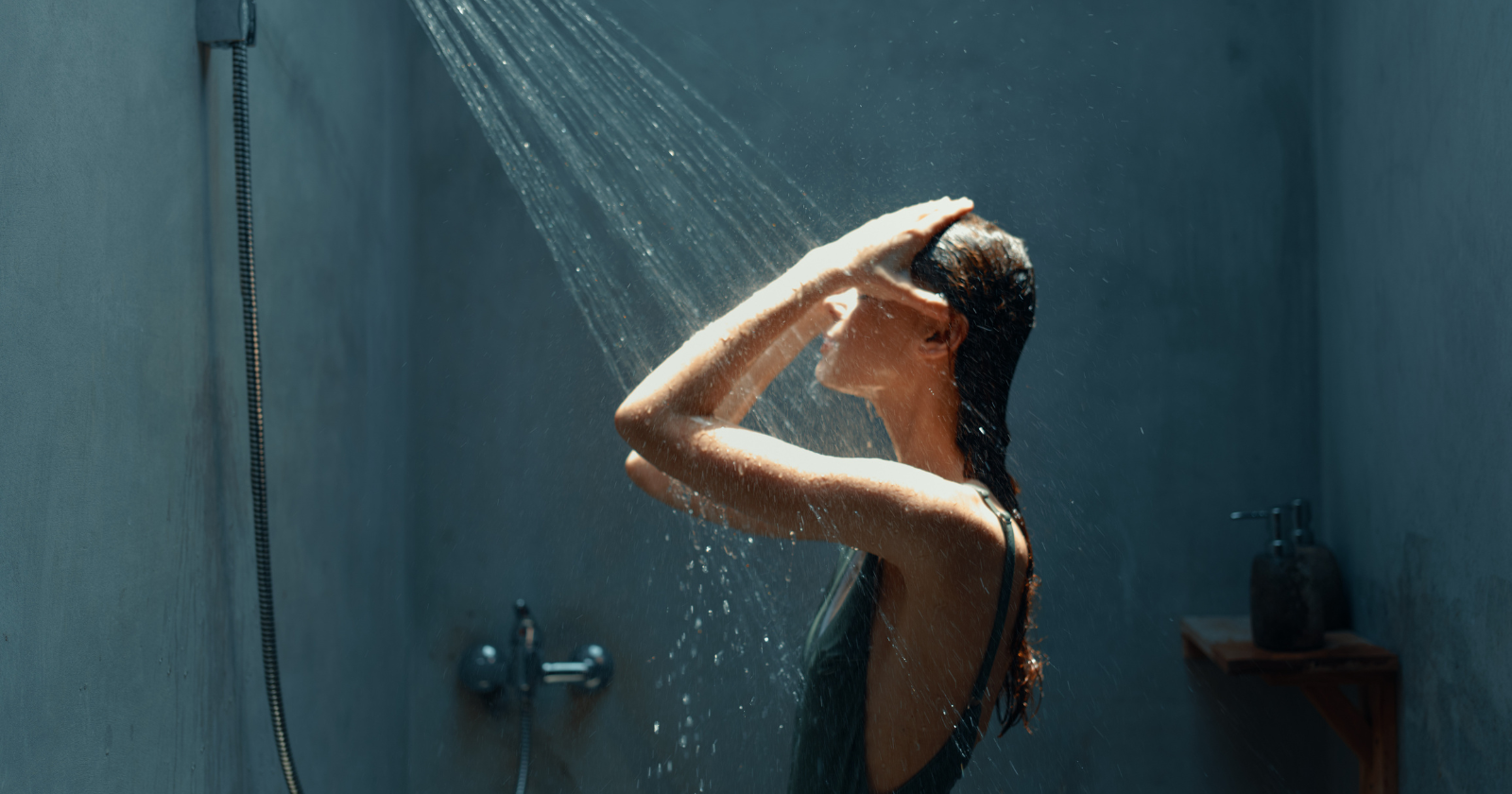
fromSilicon Canals
2 weeks agoMindfulness
Research suggests people who shower at night instead of in the morning aren't just washing off the day - they're running a neurological closing ritual that signals the nervous system the threat window has ended, and the water isn't cleaning the body, it's decommissioning a surveillance state that's been active since they opened their eyes - Silicon Canals
Mindfulness
fromSilicon Canals
2 weeks agoResearch suggests people who shower at night instead of in the morning aren't just washing off the day - they're running a neurological closing ritual that signals the nervous system the threat window has ended, and the water isn't cleaning the body, it's decommissioning a surveillance state that's been active since they opened their eyes - Silicon Canals
Night showers help signal the body to relax and switch off, contrasting with the alertness of morning routines.






fromInverse
2 weeks agoWhat Scientists Are Learning About Sleep and Memory Formation
Sleep plays a central role in memory consolidation - the process by which newly acquired information is stabilized and integrated into long-term memory stores. Research from institutions including Harvard Medical School and the Max Planck Institute for Human Cognitive and Brain Sciences has shown that different stages of sleep contribute to different types of memory. Slow-wave sleep, or deep sleep, appears to be particularly important for declarative memory - the kind that stores facts and events.

Mental health
fromScary Mommy
3 weeks agoHere's Why Your Brain Hits "GO" On Every Anxious Thought Right When You Want To Sleep
Nighttime anxiety spikes are normal and caused by factors like blood sugar dysregulation, reduced distractions, and the brain's protective mechanisms becoming hyperactive in darkness and quiet.
Mental health
fromSilicon Canals
1 month agoNeuroscience reveals that people who overthink at night often have brains that refuse to file away unresolved emotional experiences during the day - Silicon Canals
Unprocessed emotional experiences from daytime accumulate and resurface at night when the brain attempts consolidation, particularly in people with insufficient cognitive bandwidth during waking hours.
#daylight-saving-time
Health
fromwww.pressdemocrat.com
4 weeks agoBay Area sleep expert gives tips to prepare for Daylight Saving Time
Daylight Saving Time exacerbates chronic sleep deprivation affecting 85 million Americans, increasing motor vehicle accidents by 6% and worsening health outcomes including heart disease, stroke, and depression.
fromPsychology Today
1 month agoIt's Not Just What You Eat, but When You Eat That Matters
Rather than simply extending the fasting window or cutting more calories, the intervention group was simply asked to finish eating at least three hours before their usual bedtime. That meant no snacking while watching TV after dinner and no "just one more bite" at 10 p.m. (my personal downfall). This relatively simple intervention ensured that the overnight fast overlapped with the body's natural sleep-wake rhythm.
Medicine
History
fromMedievalists.net
2 months agoTen Medieval Discoveries That Shaped How We Understand Sleep - Medievalists.net
Medieval Arabic and Persian physicians developed clinical observations and treatments of sleep, including recovery indicators, comparative treatment testing, and detailed descriptions like sleep paralysis.
Parenting
fromSilicon Canals
1 month agoThe nightly habit that could improve your child's behavior and emotional control - Silicon Canals
Consistent, predictable bedtime routines improve children's emotional regulation, behavior, and stress response by creating safety and stabilizing sleep-wake patterns.
fromPsychology Today
1 month agoWhen Sleep Banking May Be A Viable Strategy
Sleep banking is essentially extending your normal sleep hours in the nights leading up to a known period of sleep deprivation. On the face of it, it appears unlikely banking sleep could counter the decreased alertness and other cognitive decrements that we experience when deprived of sleep, or stop that strong sensation we get when our body wants sleep.
Health
fromFast Company
2 months agoThis Harvard-affiliated study on night owls reveals surprising heart health findings
"It is not like, that, night owls are doomed," said research fellow Sina Kianersi of Brigham and Women's Hospital and Harvard Medical School, who led the study. "The challenge is the mismatch between your internal clock and typical daily schedules" that makes it harder to follow heart-healthy behaviors.And that's fixable, added Kianersi, who describes himself as "sort of a night owl" who feels a boost in "my analytical thinking" after about 7 or 8 at night.
Public health
fromwww.npr.org
2 months ago4 ways to beat the anxiety of insomnia and get back to sleep
"I started getting into the frame of mind most people get sucked into. I worried, 'What's going on? Is there something wrong with me?'" he says. That fear of not being able to sleep is a phenomenon called "sleep anxiety," says Orma, who went on to become a specialist in insomnia treatment. Left untreated, that anxiety can prevent people from actually falling asleep. "The more you focus on it, the less chance you'll sleep, which then makes you more anxious. That's the cycle that spins," he says.
US news
Gadgets
fromEngadget
2 months agoThis tabletop sleep device and sunrise alarm clock aims to help you put your phone away before bed
Dreamie is a standalone bedside device providing customizable phone-free sleep and wake routines with soundscapes, sensors, on-device controls, dynamic lighting and no subscription.
Public health
fromwww.scientificamerican.com
2 months agoLike staying up late? You may be putting yourself at risk of heart problems
Habitual evening chronotypes have about a 16% higher risk of heart attack or stroke and exhibit more cardiovascular-risk behaviors like smoking, poor diet, and irregular sleep.
Public health
fromwww.theguardian.com
2 months agoSleep, stress and sunshine: endocrinologists on 11 ways to look after your metabolism
Hormone levels, particularly insulin, determine metabolic rate and energy use; high insulin promotes fat storage, slows metabolism, and fuels weight gain and metabolic disease.
fromBusiness Insider
1 month agoMany people sleep worse in winter. Here's what experts want you to know.
It's normal to feel sluggish during the winter. Cold temperatures and fewer hours of sunlight can mean less time outdoors and more time staring at our screens. For some people, these cold-weather habits may contribute to a sleep disruption, known as winter insomnia. This isn't a clinical condition, but it might begin or worsen during the winter months.
Mental health

fromwww.theguardian.com
1 month agoDark showering: is this the very best way to wash?
Why would you do that? It's a way to remove distraction, calm your nervous system and practise mindfulness. And get clean. Yes, you also get clean. But this is more about finding those small, intentional moments that release you from the cares of your day. It sounds like an accident waiting to happen. You don't have to shower in complete darkness just in dim light, even by candlelight.
Mindfulness
fromFortune
1 month agoWhat Is the Best Sleeping Position? | Fortune
So, what is the "best" sleeping position to get you there? It's a tricky (if not impossible) question to answer, since everyone's body, health, and preferences are different. But according to Jennifer Martin, PhD, spokesperson for the American Academy of Sleep Medicine and professor at the Herbert Wertheim College of Medicine at Florida International University, what's best for you hinges mostly on two factors: what position allows you to breathe easily, and what position is the most physically comfortable for your body.
Wellness
Wellness
fromwww.theguardian.com
2 months agoThe most rejuvenating sleep of my life': 12 products our writers rely on for rest each night
Well-designed sleep products—comfortable earplugs, pillows, masks, white-noise machines, and wearable blankets—can significantly improve sleep quality, especially for travelers and light sleepers.
fromTasting Table
1 month ago9 Bedtime Snacks Nutritionists Actually Recommend - Tasting Table
Late-night snacking has had a bad rap for a long time. When pop culture takes a stab at this (very) human thing, it often portrays the scene as pernicious or, at best, distasteful. Combine that with regular condemnation by diet culture and accusatory media headlines that frame after-dinner eating as a moral failing, and it's easy to see why most of us want to steer clear.
Wellness
fromTasting Table
1 month agoThis Is What Happens To Your Body When You Drink Hot Water Before Bed - Tasting Table
Have you ever struggled to find the perfect drink just before bed? Something like coffee or another caffeinated drink is usually out of the question. Likewise, you don't want a sugary drink if you just brushed your teeth. Cold water, and even room-temperature water, might be the standard, but you should consider the benefits of hot water if you've never tried it before. It can benefit you in more ways than you'd think.
Wellness
[ Load more ]